
Tabelog 100 #16
Our verdict
Osteria e Bar Geno places Spanish technique inside Osaka’s appetite for compact, counter-led dining. Its Tabelog 100 selection for Spanish cuisine in 2026, small room, wine focus, and Esaka location make it a useful read on how serious European cooking in Osaka often happens away from the city’s louder central corridors.

Pearl is the En Primeur Club membership app, where members save venues, book tables and use the concierge.
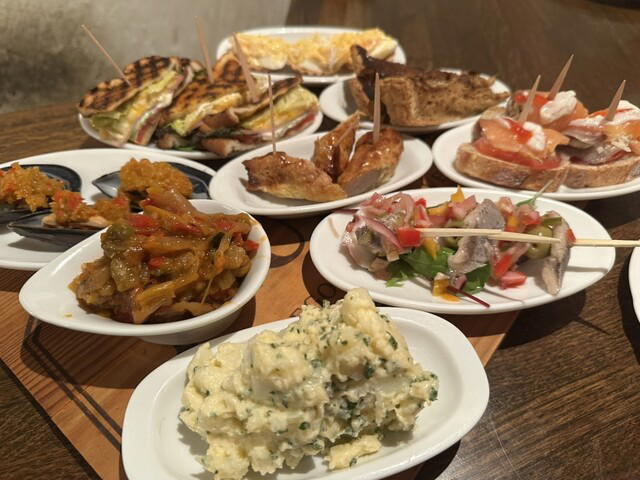
Osaka’s dining rhythm is not only defined by late-night crush or department-store polish. Across the city, the better rooms often reveal themselves by consistency rather than spectacle: regular appeal, clear category identity, and menus that trust the kitchen to speak without theatre. Osteria e Bar Geno fits that Osaka pattern: a Spanish restaurant whose recognition is best read through the city’s steady, category-aware dining culture.
Osaka is often reduced to takoyaki, okonomiyaki, and high-volume pleasure, but its more interesting European cooking works in another register. Italian, Spanish, and French kitchens here are often compact in spirit, ingredient-led, and calibrated for repeat local use rather than destination grandstanding. Spanish technique in Japan rarely arrives as a museum piece; it is often filtered through seasonality, attentive service, and the Japanese expectation that even casual rooms show discipline.
Spanish technique through Osaka's compact-counter grammar
The useful comparison is not a large Spanish dining room built around spectacle, but Osaka’s broader serious dining culture. The city’s stronger restaurant tier shows how much Japanese diners value pacing, focus, and a clear field of attention. Osteria e Bar Geno’s place in that conversation reads less like an imported bar-restaurant template than an Osaka example of Spanish cooking judged within a local dining framework.
The Tabelog Hyakumeiten selection for Spanish cuisine in 2026 is the key external signal. Tabelog’s Hyakumeiten lists reward depth within category rather than international name recognition, making the recognition especially relevant for travellers trying to understand domestic Japanese dining preferences. Its Tabelog score of 3.52 places it where Japanese diners judge consistency, value, and category fit with scrutiny harsher than casual star-chasing suggests.
Food category matters because Spanish cuisine in Japan has moved beyond paella-and-tapas shorthand. Stronger kitchens use Spanish methods as a framework: olive oil, plancha work, wine-friendly seasoning, stews, cured elements, and seafood handling, then adapt them to Japanese produce and dining expectations. Osaka’s broader access to regional ingredients and Kansai’s lighter seasoning can give Spanish cooking a different register from more formal European rooms elsewhere in Japan.
That difference explains why Spanish dining in Japan is often discussed alongside the way people drink through dinner. Restaurants in this category can function as informal wine-friendly rooms as much as dinner rooms, especially when the cooking is built around salt, oil, and acidity. Osaka diners, used to moving between izakaya, kappo, tempura, and Western-style dining, understand that rhythm intuitively.
Osaka makes the case for leaving the central dining circuit
Osaka’s central areas reward convenience, but the city’s dining culture is not confined to the obvious map. The broader city has the residential-commercial mix that supports restaurants built for returning diners, not only travellers with checklists. Read the meal as an Osaka serious-dining experience, not a stage-managed destination production.
Within Osaka, that puts the restaurant in a different decision set from high-formality counters and luxury hotel dining. Shunsaiten Tsuchiya represents the city’s tempura conversation at a more expensive level, while other casual and specialist addresses show how broad the city’s non-Japanese dining spectrum has become. Osteria e Bar Geno sits in the middle: serious enough for category recognition, accessible enough in listed budget to avoid turning the decision into a luxury-only occasion.
The category-recognised feel sharpens the experience. This is a dinner for people who pay attention. That does not mean silence; Osaka rarely wants solemn dining for its own sake. It does mean the restaurant suits diners who prefer conversation, wine-friendly cooking, and service that supports the meal over a loud group-first plan. The social contract is attentive dining rather than a detached, private-feeling production.
Practical interpretation is simple. This is a restaurant to plan deliberately rather than treat as a casual fallback, especially because recognised Osaka dining rooms can be harder to fold into a packed itinerary at the last minute. The listed dinner budget is JPY 6,000 - JPY 7,999, which places it in a useful middle tier for travellers who want category-recognised cooking without turning every evening into a luxury counter meal.
How to place it inside an Osaka itinerary
For travellers building an Osaka dining week, this is not the slot for maximal Kansai nostalgia. It is the slot for seeing how the city absorbs foreign technique without losing local scale. Pair it with a tempura meal, a kappo meal, a casual stop, and one serious Italian or French-leaning room, and Osaka looks less like a street-food caricature and more like one of Japan’s sharper dining cities for adaptable formats.
The broader map helps. Use our full Osaka restaurants guide for nearby dining context, then match the evening with our full Osaka hotels guide, our full Osaka bars guide, our full Osaka wineries guide, and our full Osaka experiences guide when the itinerary stretches beyond dinner. For a wider Japan-and-beyond reading list, compare how specialist formats travel through other dining rooms in Japan and abroad, while keeping Osteria e Bar Geno in focus as an Osaka example of category-specific cooking.
The appeal is not novelty. It is evidence of Osaka’s quieter confidence: a Spanish category restaurant, recognised by a domestic dining list, working in a city where rhythm and category fluency shape how meals are judged. Travellers who only chase obvious central addresses will miss that part of Osaka’s food culture.
Frequently asked questions
Is Osteria e Bar Geno okay with children?
The available listing information does not specify a children policy. It is best read as a focused Osaka dining room, so families should confirm directly with the restaurant before booking.
Is Osteria e Bar Geno better for a quiet night or a lively one?
The available listing information does not define the atmosphere in detail. Based on its category recognition, it is best approached as a planned Osaka dinner rather than a casual fallback for a loud night out.
What's the price range at Osteria e Bar Geno?
Pricing at Osteria e Bar Geno is listed as JPY 6,000 - JPY 7,999 View spending breakdown.
What is Osteria e Bar Geno known for?
Osteria e Bar Geno is known as a Spanish restaurant in Osaka with Tabelog Hyakumeiten recognition for 2026 and a listed Tabelog score of 3.52.
Budget and Context
Comparable venues for orientation by cuisine and category.
| Venue | Cuisine | Price | Awards | Notes |
|---|---|---|---|---|
| Osteria e Bar GenoThis venue (the venue you are viewing) | Cozy Spanish Osteria & Bar | $50–100 | Tabelog 100 #16 | Not listed |
| DENDA | Basque / Spanish restaurant and wine store | Not listed | Tabelog 100 #27 | Nishi, Basque / Spanish restaurant and wine store |
| TXAGORVA | Wood-Fired Modern Spanish (Asador) | $50–100 | Tabelog 100 #92 | Kita, Wood-Fired Modern Spanish (Asador) |
| utage dotonbori | Modern standing wine bar with Spanish-style small plates | $20–30 | Tabelog 100 #89 | Chūō, Modern standing wine bar with Spanish-style small plates |
| Unagiya Unagi | Traditional Kansai-style unagi (eel) counter | $30–50 | Tabelog 100 #31 | Yodogawa, Traditional Kansai-style unagi (eel) counter |
| Sushi Akazu | Traditional Edomae Omakase Sushi with Red Vinegar Rice | $150–200 | Tabelog 100 #45 | Kita, Traditional Edomae Omakase Sushi with Red Vinegar Rice |
Recognition history
Dated appearances from independent guides and award organizations, with the underlying list record or original source where available.
Tabelog 100 #16 · No. 16
Tabelog · Tabelog 100 - Spanish cuisine - 2026
Continue exploring
More in Osaka
Restaurants in Osaka
All restaurants in Osaka →




Bars in Osaka
All bars in Osaka →



Hotels in Osaka
All hotels in Osaka →




Wineries in Osaka
Browse all →
Details
- Cozy
- Intimate
- Romantic
- Date Night
- Casual Hangout
- After Work
- Solo
- Standalone
- Chefs Counter
- Extensive Wine List
- A La Carte
- Small Plates
- Counter Dining
- Wine
- Beer
Current opening hours
- Monday
- Closed
- Tuesday
- Closed
- Wednesday
- 5:30–10 PM
- Thursday
- 5:30–10 PM
- Friday
- 5:30–10 PM
- Saturday
- 5:30–10 PM
- Sunday
- 5:30–10 PM
Hours can change for holidays and private events. Hours as of .
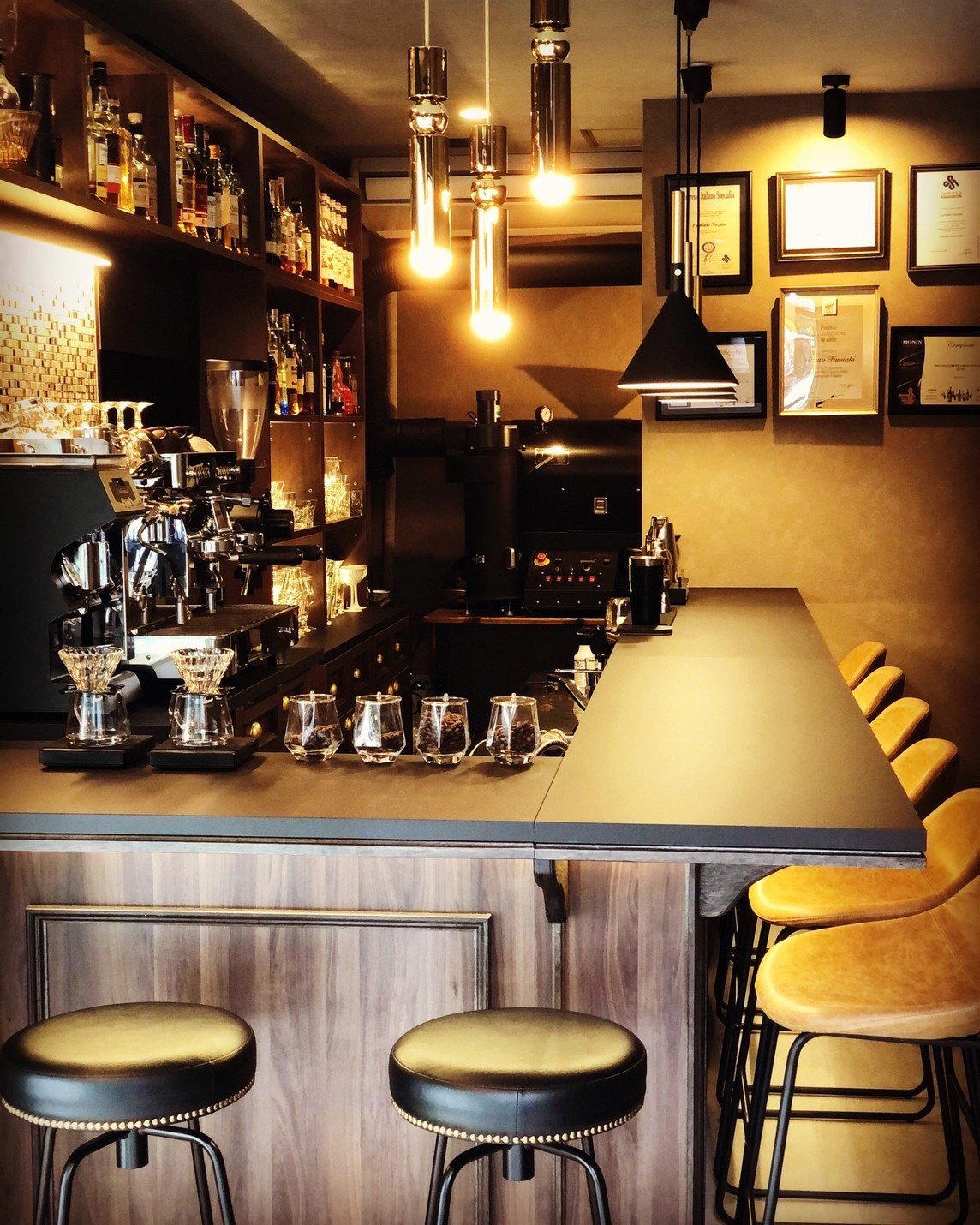
A small, non-smoking hideaway with counter-focused seating that feels like a cozy Spanish tavern, relaxed and intimate, popular for dates and casual evenings with friends.