Tabelog 100 #89
Our verdict
Osaka’s tachinomi culture is built on speed, proximity and sharp value, but the wine-led end of the category is narrower than the city’s kushikatsu-and-beer stereotype suggests. utage dotonbori sits in that lane: a 40-person standing bar in Dotonbori, selected for Tabelog 100 Tachinomi 2025, with wine treated as the central signal rather than an afterthought.

Pearl is the En Primeur Club membership app, where members save venues, book tables and use the concierge.
The menu
What to order
- Jaga Blue "Kai" (potato dish)
- Ajillo
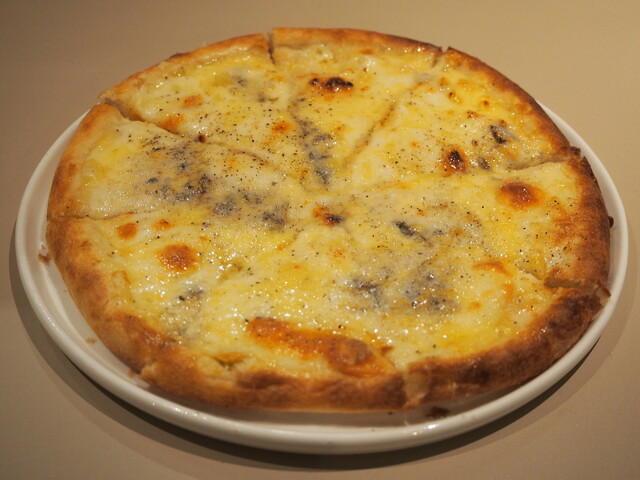
- Margherita
Osaka’s drinking rooms work at street level: signs stacked above narrow frontages, late-evening foot traffic moving through busy central corridors, and counters designed for people who want the night to keep moving. In that setting, the standing bar is not a compromise format. It is one of Osaka’s clearest expressions of dining without ceremony, where proximity, turnover and price discipline matter as much as what lands in the glass.
utage dotonbori belongs to the compact, drink-conscious edge of that tradition. Osaka has plenty of casual bars built around quick rounds and fast snacks; fewer make the standing format feel like the defining cue. Its Tabelog 100 Tachinomi 2025 selection places it inside a national conversation about standing bars that have moved beyond cheap pre-dinner utility. The category now rewards curation, room discipline and repeatable energy, not just low spend.
The standing-bar format gets a sharper Osaka reading
Tachinomi has always been democratic, and the Spanish-style baru label changes the rhythm without making the room formal. A standing bar asks guests to linger just enough to read the offer, without turning the stop into a seated dégustation. That balance is the point here: baru cues meet Osaka’s compact drinking culture, giving the format an outside inflection without losing the city’s preference for directness.
The useful comparison is not with formal restaurants. It is with other mid-priced Osaka counters where the decision is about tempo. Horumon Gibier Myojo sits in the same JPY 2,000 to JPY 2,999 dinner band, while Gyokusei Ya operates below it and Mikuni Tei sits higher. That spread matters because tachinomi lives or dies by repeatability. A bar in this bracket has to justify attention through selection and atmosphere rather than luxury signals.
For travellers mapping Osaka through categories rather than checklists, this is where the city becomes more interesting. The same itinerary might include casual snacks, coffee, bread or pizza from other Osaka dining rooms. Those stops show a city comfortable absorbing outside forms, then stripping them down to fit local appetite and pace. A recognized tachinomi belongs to the same pattern.
Osaka rewards compact rooms with a clear point of view
Osaka can flatten dining into spectacle if the room has no spine. The stronger addresses tend to be small, legible and format-driven: a counter, a narrow specialty, a price band that makes sense before or after a longer night. The standing-bar setup keeps utage dotonbori from becoming another drawn-out reservation meal. Its format preserves the basic social contract of the genre: arrive ready to stand, drink, eat lightly and move with the room.
The Tabelog score of 3.64 is useful less as a beauty contest than as a calibration tool. In Japan, scores in this range for casual formats often indicate strong local usage rather than destination-only attention. The 2025 Tabelog 100 Tachinomi recognition adds the more meaningful signal: the venue is being assessed against other standing bars, not against kaiseki rooms, sushi counters or hotel dining rooms. That category fit is exactly what keeps the evaluation honest.
Osaka’s broader dining map helps frame the choice. More formal meals sit in a different register, while contemporary rooms such as Kamado occupy another price-and-format conversation. Travellers using a wider Osaka restaurant plan should read this address as a drinking-led stop, not a substitute for a full dinner. Pair it with the city’s broader hotel, bar and experience planning if the evening needs structure beyond a single stop.
How to read it against Japan's casual-specialist wave
Japan’s current casual-specialist scene is broad: compact counters, single-format shops, regional drinking rooms and overseas Japanese bars all compete on clarity rather than grandeur. The through-line is not cuisine alone, but the confidence to make a narrow promise and keep it tight. That can mean a focused counter, a concise drinking room, or another local specialist built around a clear identity.
The same lens applies across less expected references: casual specialists can carry cultural weight when the offer is specific, limited and repeatable. The point is not breadth, but conviction. utage dotonbori’s version is standing-room energy, Spanish-style baru framing and Osaka immediacy.
The editorial call is simple: this is a bar for travellers who understand that Osaka’s drinking culture is not only about volume and noise. The sharper pleasure is categorical. A recognized tachinomi in Osaka gives the night a different grammar: casual, compact, price-aware and more serious in its format than the room’s informality first suggests.
Frequently asked questions
How much does it cost to eat at utage dotonbori?
Pricing at utage dotonbori is listed as JPY 2,000 - JPY 2,999 View spending breakdown.
What's utage dotonbori's location?
Osaka.
How hard is it to get a table at utage dotonbori?
Access depends on timing at a standing bar in Osaka. Its Tabelog 100 Tachinomi 2025 selection and standing-bar format suggest a casual, high-turnover style rather than a long, formal meal.
What is utage dotonbori known for?
utage dotonbori is known as a stand-up bar and Spanish-style baru in Osaka, with Tabelog 100 Tachinomi 2025 recognition.
At a Glance
Comparable venues to place this listing in its category.
| Venue | Cuisine | Price | Awards | Notes |
|---|---|---|---|---|
| utage dotonboriThis venue (the venue you are viewing) | Modern standing wine bar with Spanish-style small plates | $20–30 | Tabelog 100 #89 | Not listed |
| Horumon Gibier Myojo | Stand-up Japanese horumon & wild game bar | $20–30 | Tabelog 100 #91 | JPY 2,000 - JPY 2,999 View spending breakdown |
| Gyokusei Ya | Traditional Japanese wagashi & ohagi specialty shop | $10–20 | Tabelog 100 #58 | JPY 1,000 - JPY 1,999 JPY 1,000 - JPY 1,999 |
| 鮨一永 | Japanese Pasta | $10–20 | Not listed | Not listed |
| Mikuni Tei | Traditional Chinese counter restaurant | $30–50 | Tabelog 100 #43 | JPY 5,000 - JPY 5,999 View spending breakdown |
| Kamado | Wood-fired Japanese-Italian Fusion | $100–150 | Michelin Plate · Tabelog 100 #78 | Contemporary |
Recognition history
Dated appearances from independent guides and award organizations, with the underlying list record or original source where available.
Tabelog 100 #89 · No. 89
Tabelog · Tabelog 100 - Tachinomi - 2025