Osteria 106
Osteria 106 occupies a quiet address on West 106th Street in Manhattan's Upper West Side, where Italian neighborhood dining traditions hold against the commercial noise further downtown. The kitchen works within the osteria format that prizes ingredient provenance over technique spectacle, placing it in a different tier from the prix-fixe Italian rooms that dominate midtown award circuits.
Pearl is the En Primeur Club membership app — saves, bookings, and concierge access live there. Same editors, same standards.
- Address
- 53 W 106th St #6c, New York, NY 10025
- Phone
- +16468337614
- Website
- osteria106.com
- Directions
- Get directions
 Saves & bookings on Pearl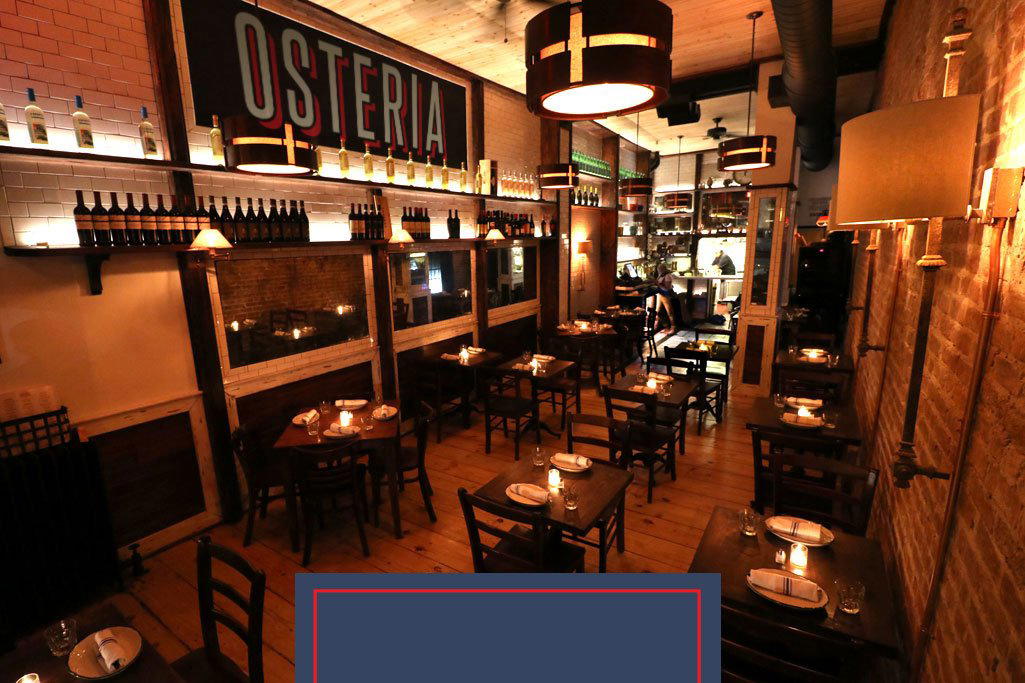
Italian Neighborhood Dining Above 96th Street
The Upper West Side has always maintained a different dining rhythm from the high-profile corridors of midtown and lower Manhattan. While rooms like Le Bernardin and Per Se operate in the formal, prix-fixe tier where a table requires weeks of advance planning and a budget that competes with a short-haul flight, neighborhoods north of 96th Street have historically supported a quieter register of cooking: places where regulars know the room and the menu changes because the market changed, not because a publicist announced a seasonal refresh. It occupies that register.
The osteria format itself carries specific meaning in Italian culinary tradition. Unlike a ristorante, which implies white-linen formality, or a trattoria, which suggests rustic family service, an osteria historically meant a modest host who offered wine and whatever the kitchen had sourced that day. The format has been reinterpreted across the world, from the tourist-facing rooms of Florence to the stripped-back wine-and-small-plates bars of London's Soho, but the defining logic remains: ingredient provenance drives the menu, and the cooking exists to express that sourcing rather than obscure it. At its leading, the format rewards kitchens that have real relationships with suppliers, not just access to the same wholesale sheets that every midtown restaurant uses.
Where the Food Comes From, and Why That Shapes the Plate
In New York, the sourcing question matters more than it might in cities where the supply chain is shorter. A kitchen on the Upper West Side that commits seriously to regional Italian ingredients is working against a gravitational pull toward generic abundance. The city's wholesale markets offer volume and consistency, but consistency in this context often means produce that has traveled far and been harvested early. The osteria tradition specifically resists that logic: the format's legitimacy depends on seasonal and local provenance being real rather than rhetorical.
This is the context in which ingredient-focused Italian rooms across the city should be read. The restaurants that have earned one sustained attention for this approach, from the farm-to-table Italian rooms in the West Village to the northern Italian specialists in Carroll Gardens, tend to share a few operational markers: menus that shift frequently, pasta made in-house, and proteins sourced from specific farms or fisheries rather than anonymous distributors. These aren't just marketing signals; they reflect real cost decisions that push against high-margin efficiency. A kitchen that sources properly accepts lower flexibility and higher waste risk in exchange for a plate that reads differently from what the same technique applied to inferior ingredients would produce.
The broader American dining conversation around ingredient sourcing has been shaped by operations like Blue Hill at Stone Barns in Tarrytown and Single Thread Farm in Healdsburg, both of which built their entire format around the provenance-first argument. At the opposite scale, neighborhood osterie make the same argument with less fanfare and smaller margins. The difference is that a neighborhood room on West 106th Street cannot rely on a destination-dining premium; the sourcing has to justify itself on the plate, for a local clientele who will come back weekly or not at all.
The Upper West Side as a Dining Neighborhood
Columbus Avenue and Amsterdam Avenue carry the bulk of the Upper West Side's restaurant traffic, but the side streets between 96th and 110th have developed a quieter set of independents that serve the neighborhood rather than the tourist or the Midtown-adjacent expense account. This is a residential corridor with Columbia University to the north and Central Park to the east, and the dining character reflects that: fewer tasting menus, more à la carte rooms with real regulars, and a price sensitivity that keeps operators honest.
Italian cooking has a long foothold in this part of Manhattan, dating to the neighborhood's earlier demographic composition and sustained by the fact that the format travels well across income levels. The tradition of red-sauce Italian in the boroughs and outer neighborhoods of New York is distinct from the northern Italian and Sardinian kitchens that have taken more critical attention in recent decades, but both strands share a commitment to the table as a social institution rather than a performance venue. Osteria 106's address, on the western edge of this corridor, places it in a neighborhood where that social function of dining still operates clearly.
For comparison, the restaurants that dominate New York's critical conversation operate in a different register entirely. Atomix and Jungsik New York represent the tasting-menu tier where a meal is an event structured around chef authorship; Masa sits at the outer edge of the market on price per head. None of these are the model for a West 106th Street osteria, and the comparison is useful only to locate the format correctly: this is a kitchen that operates in a different competitive set, against neighborhood Italian rooms rather than downtown destination dining.
Italian Dining Beyond New York
The osteria format has proven durable across American cities partly because it asks less of its operators in terms of front-of-house theater while demanding more in terms of sourcing discipline. Comparable ingredient-focused rooms have found strong footing in San Francisco, where Lazy Bear and the broader farm-driven ethos have raised the baseline sourcing expectations across categories, and in Chicago, where the sourcing conversation around venues like Alinea has pushed the entire market. The Italian-specific conversation around provenance finds its clearest expression in Europe: Alain Ducasse at Louis XV in Monte Carlo and 8½ Otto e Mezzo Bombana in Hong Kong both demonstrate how Italian culinary logic travels when carried by kitchens with serious sourcing commitments. In the American South, Emeril's in New Orleans and Bacchanalia in Atlanta have built reputations on regional sourcing arguments that parallel what the osteria format proposes in the Italian context. Across all of these, the underlying editorial point is consistent: where food comes from determines what cooking can do with it, and the kitchens that take that seriously tend to produce plates that read differently from those that do not.
Know Before You Go
Address: 53 W 106th St #6c, New York, NY 10025
Neighbourhood: Upper West Side / Manhattan Valley
Format: Osteria (neighbourhood Italian dining room)
Booking: Reservations are recommended.
Price Tier: About $50 per person.
When to Go: Mon-Sat 4-11 PM; Sun 4-10 PM.
Recognition Snapshot
Comparable venues nearby, for context on price, style, and recognition.
| Venue | Cuisine | Price | Notes |
|---|---|---|---|
| Osteria 106This venue — the venue you are viewing | Authentic Italian Osteria | $$ | Not listed |
| Paola's | Traditional Italian | $$ | Upper East Side-Carnegie Hill |
| Caffe Buon Gusto | Authentic Italian Trattoria | $$ | Upper East Side-Lenox Hill-Roosevelt Island |
| NORMA’S | Authentic Sicilian Gastronomia | $$ | Midtown-Times Square |
| Osteria Delbianco | Northern Italian | $$ | Midtown-Times Square |
| Naples 45 Ristorante e Pizzeria | Neapolitan Pizza and Italian Ristorante | $$ | East Midtown-Turtle Bay |
Continue exploring
More in New York City
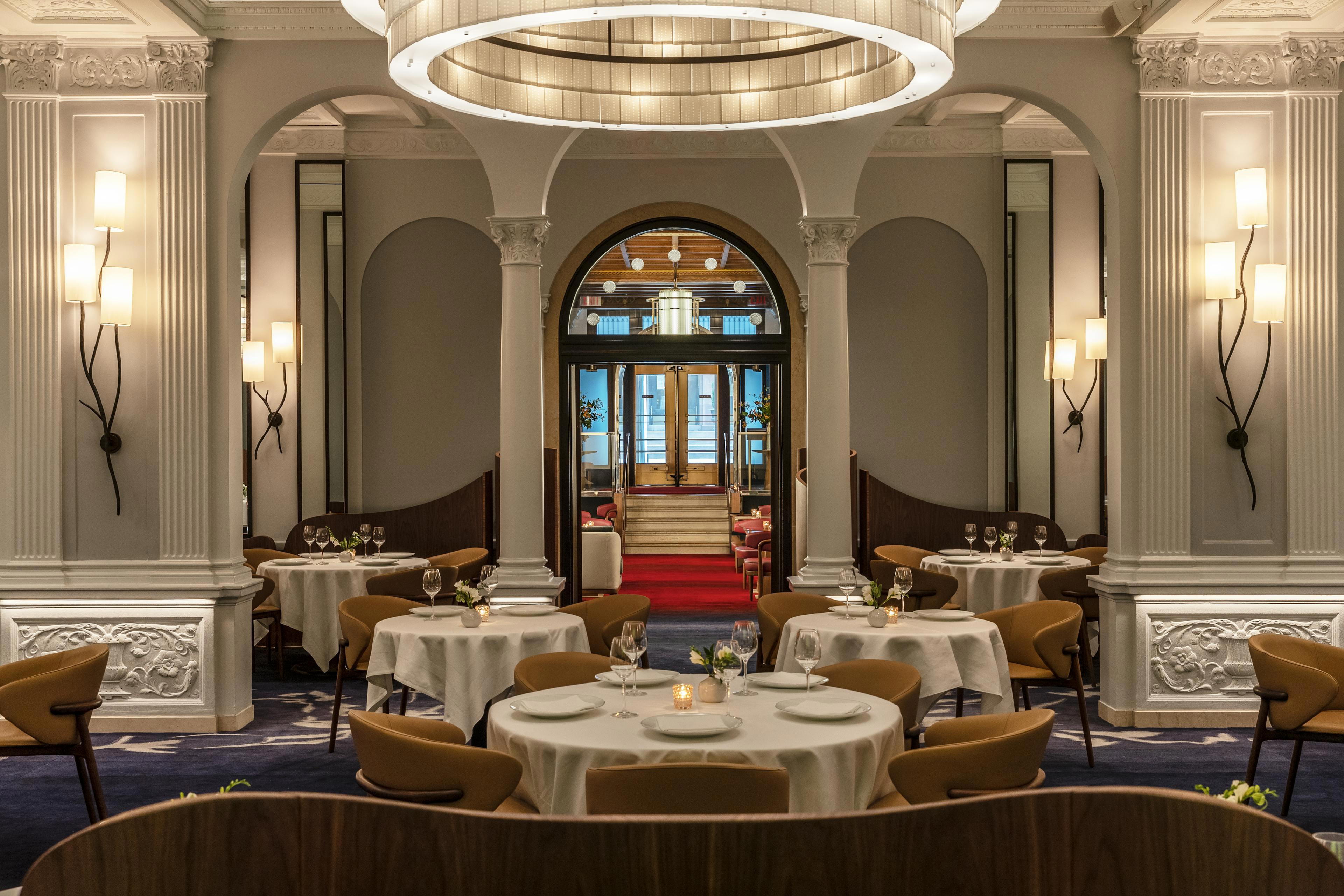
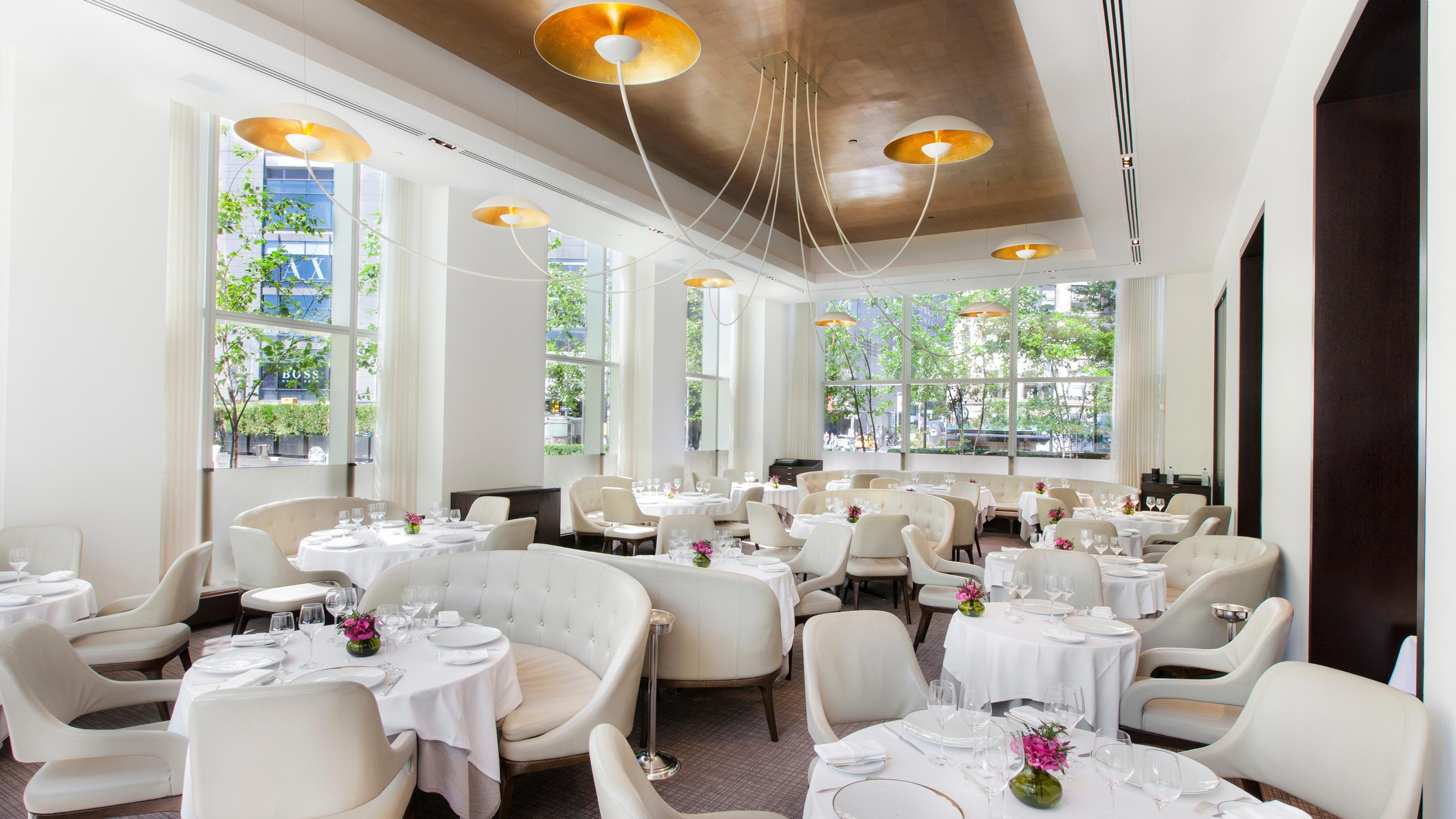
Restaurants in New York City
Browse all →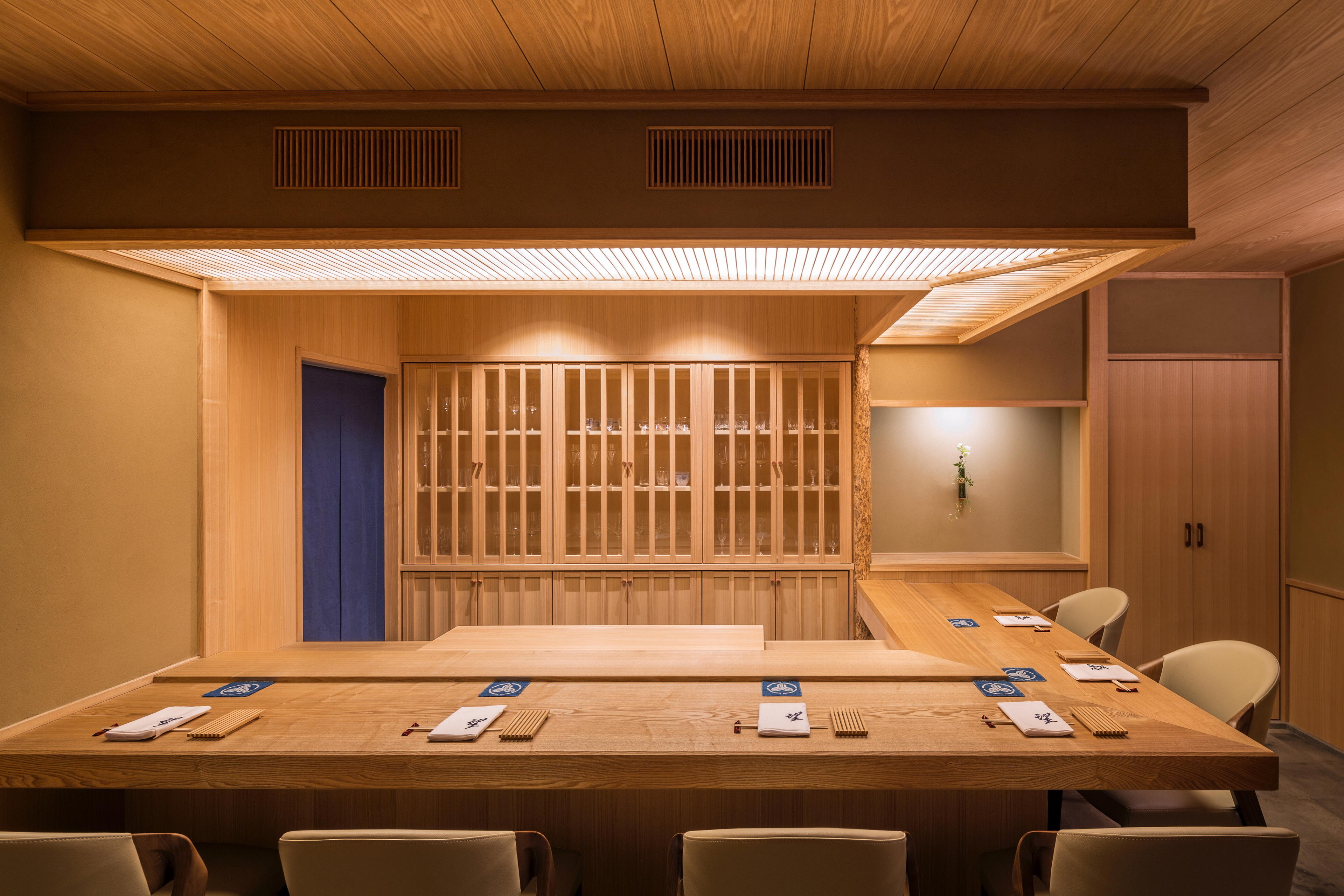
Bars in New York City
Browse all →
Hotels in New York City
Browse all →




At a Glance
- Cozy
- Intimate
- Date Night
- Casual Hangout
- Standalone
- Extensive Wine List
Current opening hours
- Monday
- 4–11 PM
- Tuesday
- 4–11 PM
- Wednesday
- 4–11 PM
- Thursday
- 4–11 PM
- Friday
- 4–11 PM
- Saturday
- 4–11 PM
- Sunday
- 4–10 PM
Hours can change for holidays and private events. Last verified .
Cozy and comfortable with a warm, relaxed atmosphere.