Naples 45 Ristorante e Pizzeria
Naples 45 Ristorante e Pizzeria occupies a prominent address at 200 Park Avenue, placing it squarely in the midtown commuter-to-executive dining corridor. The restaurant draws on Neapolitan pizza tradition in a space designed for the pace and scale of Grand Central-adjacent foot traffic. It operates in a different register from New York's tasting-menu circuit, offering a familiar Italian format at a address that commands consistent volume.
- Address
- 200 Park Ave, New York, NY 10166
- Phone
- +1 212 972 7001
- Website
- patinagroup.com
- Directions
- Get directions
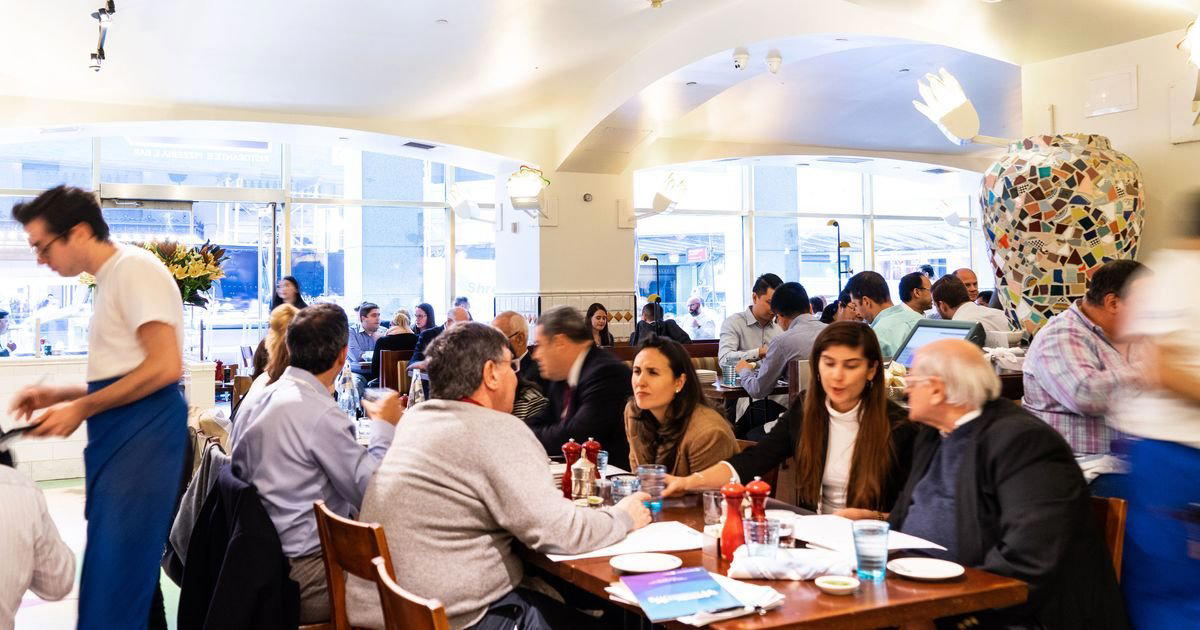
A Midtown Room Built for the Rhythm of Grand Central
The blocks immediately surrounding Grand Central Terminal represent among the more demanding dining environments in New York. The crowd is not one crowd: it is commuters on tight schedules, executives extending lunch into a second round of wine, tourists working off the map, and office workers who treat the neighbourhood as an extended cafeteria. Few restaurant formats survive all four simultaneously. The Neapolitan pizzeria, with its combination of fast output, recognisable format, and mid-price anchor, is one of the few that does. Naples 45 Ristorante e Pizzeria, at 200 Park Avenue, has long occupied this position in the shadow of the MetLife Building.
The address itself sets the frame. Park Avenue at 45th Street is not a destination dining block in the way that, say, the West Village or the lower stretches of the East Village function for New York's more exploratory eaters. It is a working block, and a restaurant here is judged first by how well it handles volume and pace before it is judged on anything else. That context matters when placing Naples 45 in the broader New York Italian conversation.
Neapolitan Pizza in the Context of New York's Italian Dining Spectrum
New York's relationship with Neapolitan pizza is long and contested. The city developed its own distinct pizza tradition, thinner and larger than the Neapolitan original, and for decades the two existed in separate conversations. The wave of certified Neapolitan pizza in the 2000s and 2010s brought a more structured Italian-American dialogue back into focus, with wood-fired ovens, 00-flour doughs, and San Marzano tomatoes becoming the shorthand for authenticity. Restaurants like Naples 45 occupy a position within that broader establishment of Neapolitan-style pizza as a legitimate full-service format rather than a counter or slice operation.
This is a different tier from New York's Italian fine dining, which at its upper end includes multi-course tasting formats and extensive Italian wine programs. It is also a different category from the city's dominant tasting-menu circuit, where venues like Le Bernardin, Atomix, Eleven Madison Park, Masa, and Per Se command long lead times and three-figure per-head commitments. Naples 45 sits comfortably below that register, which is precisely its function: accessible Italian in a format the midtown corridor can absorb at lunch and dinner volume.
For readers moving across cities, this format comparison holds. The casual Italian anchored to a major transit or commercial node appears in various forms: Emeril's in New Orleans built its reputation on a similar logic of reliable, high-volume southern cooking near the commercial core. Frasca Food and Wine in Boulder represents the opposite end of the Italian-American spectrum, where the format is refined, the Italian regional sourcing is precise, and the room is deliberately small. Naples 45 occupies neither of those poles.
The Space as Argument
In midtown Manhattan, the physical design of a restaurant communicates its positioning before the menu opens. Large-format Italian rooms at this address tend toward warm tones, generous booth seating, and a noise level that allows conversation without enforced intimacy. The design logic for a pizzeria-ristorante hybrid at this scale is about managing flow: bar seating that absorbs the solo diner and the quick glass of wine, table arrangements that can handle groups without deadening the energy of the room, and a kitchen sight line or open oven element that signals the format's central craft.
Neapolitan pizza restaurants, in particular, often use the wood-fired oven as both production tool and architectural anchor. The oven is visible, sometimes centered, and its presence communicates the commitment to a specific method. At the scale Naples 45 operates, that visual anchor does significant work: it tells the midtown executive with thirty minutes for lunch that this is not an assembly-line operation, and it tells the evening visitor that the format has considered its own argument. The room, in this sense, is doing editorial work.
This approach to Italian restaurant space differs from the refined minimalism that defines some of the higher-end Italian and European rooms elsewhere in the US. Smyth in Chicago and Blue Hill at Stone Barns in Tarrytown use spatial restraint to reinforce the seriousness of their culinary programs. Naples 45 operates in a different spatial grammar, one where warmth and volume are features rather than concessions.
Italian Reference Points Beyond New York
For readers with an interest in where Italian-tradition cooking reaches its most considered expressions, the comparison set extends well beyond New York. In Italy itself, the lineage runs through institutions like Dal Pescatore in Runate and Atelier Moessmer Norbert Niederkofler in Brunico, where Italian regional cooking is treated with the same precision the French apply to their own traditions. These are reference points for the upper tier; Naples 45 is situated in a category that serves a different purpose entirely.
Across the US, the Italian format in a serious dining context appears in places like Providence in Los Angeles, which applies Italian-influenced seafood technique at a level that has drawn sustained critical recognition, and Addison in San Diego, where European fine-dining discipline shapes the format. Lazy Bear in San Francisco and Single Thread Farm in Healdsburg represent the farm-to-table counterpoint, where sourcing narrative drives the menu architecture. The French Laundry in Napa remains the benchmark for American fine dining against which all others are implicitly measured. Naples 45 does not compete in that register, nor does it attempt to.
Planning Your Visit
Naples 45 is positioned at 200 Park Avenue, which places it within a short walk of Grand Central Terminal, making it one of the more accessible restaurant addresses in midtown for visitors arriving by train. The format suggests it handles both lunch and dinner service, with lunch likely representing the higher-traffic period given the surrounding office density. For readers whose New York itinerary extends to the full dining spectrum, our full New York City restaurants guide maps the city's dining from the accessible to the highly allocated.
Quick reference: Naples 45 Ristorante e Pizzeria, 200 Park Avenue, New York, NY 10166. Neapolitan pizza and Italian ristorante format. Grand Central-adjacent, midtown Manhattan.
The Quick Read
Comparable venues nearby, for context on price, style, and recognition.
| Venue | Price | Notes |
|---|---|---|
| Naples 45 Ristorante e PizzeriaThis venue — the venue you are viewing | $$ | Not listed |
| Casa Bella | $$ | SoHo-Little Italy-Hudson Square, Classic Italian |
| Nick's | $$ | Upper East Side-Yorkville, American-Italian Pizza |
| baci&abbracci | $$ | Williamsburg, Neapolitan Pizza & Italian Classics |
| Osteria 106 | $$ | Upper West Side-Manhattan Valley, Authentic Italian Osteria |
| Patsy's Pizzeria | $$ | Murray Hill-Kips Bay, Classic Coal-Oven Neapolitan Pizza |
Continue exploring
More in New York City
Restaurants in New York City
Browse all →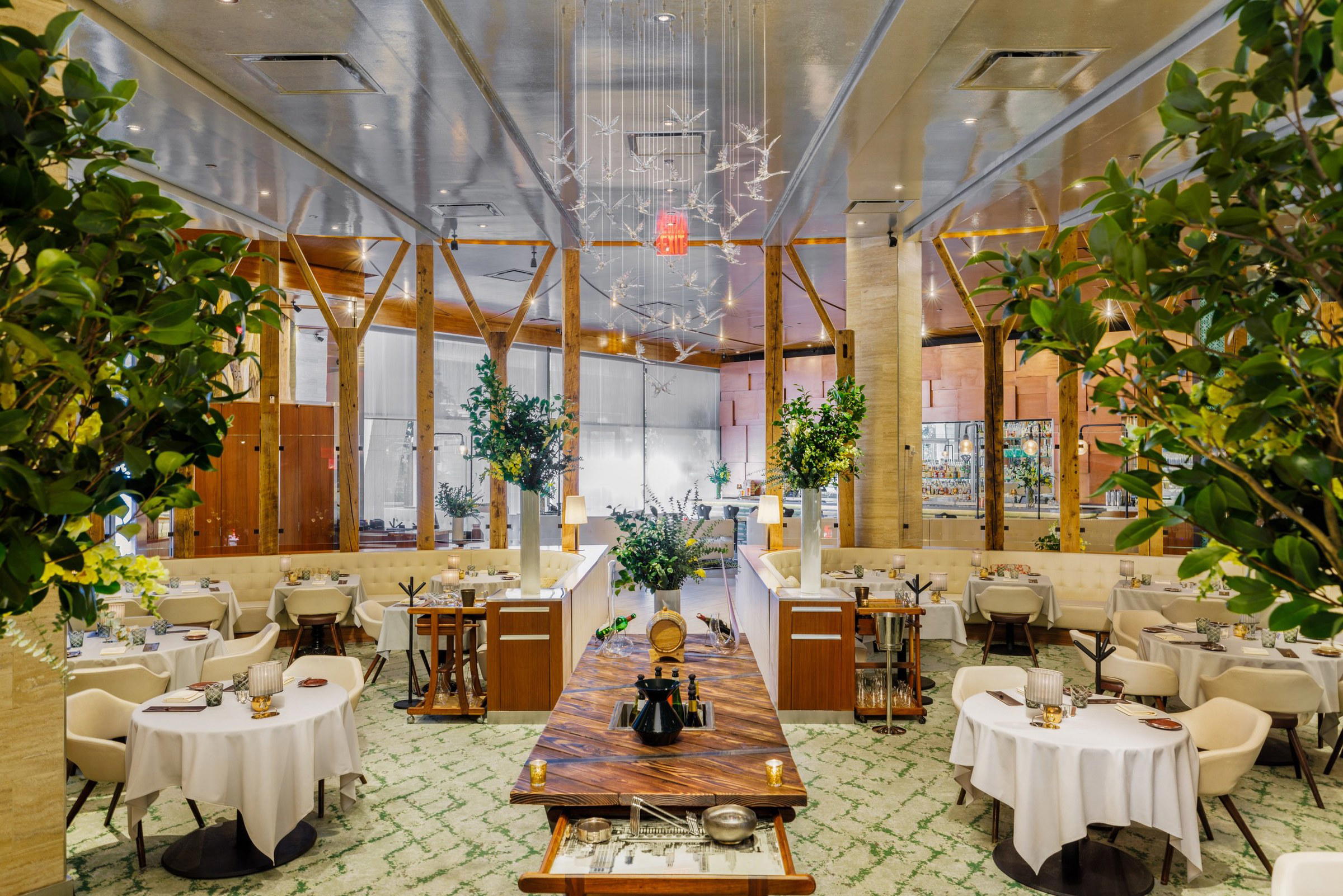
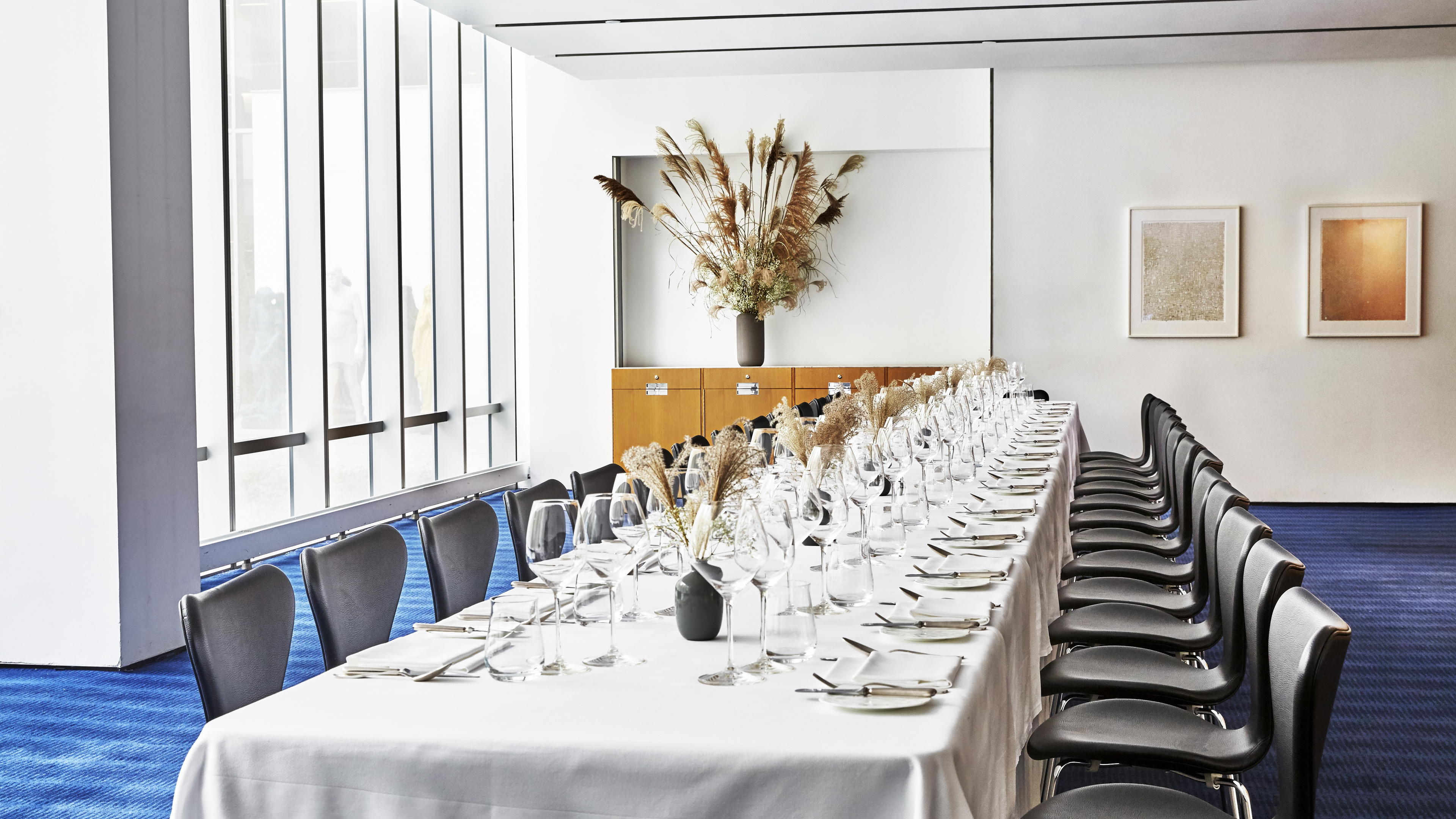
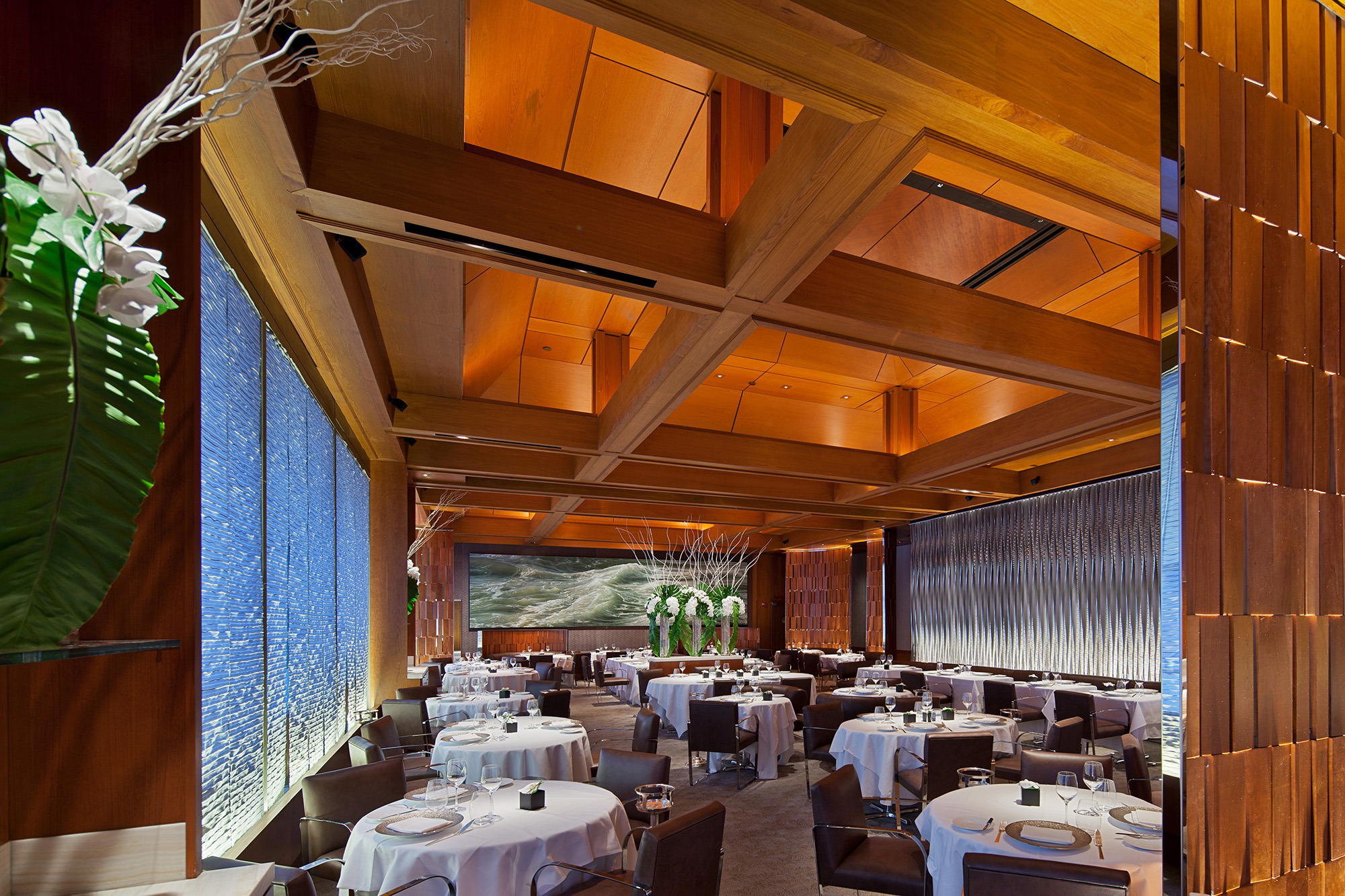
Bars in New York City
Browse all →

Hotels in New York City
Browse all →







At a Glance
- Lively
- Energetic
- Business Dinner
- Group Dining
- After Work
- Open Kitchen
- Extensive Wine List
Bustling and cavernous space with warm tones, generous booth seating, visible wood-fired oven, and a convivial family-style atmosphere designed for high foot traffic.