
Macarfi 7 Food Rating
Our verdict
On Carrer d'Aribau in L'Eixample, Ostaia occupies the quieter, neighbourhood-facing end of Barcelona's dining spectrum, where regulars return not for occasion dining but for the kind of consistent, grounded cooking that earns loyalty over years. It sits apart from the city's Michelin-chasing circuit, drawing a clientele that values familiarity and quality in equal measure.

Pearl is the En Primeur Club membership app, where members save venues, book tables and use the concierge.

The menu
What to order
- Ravioli de borratges i mortadella au-tuccu
- Trofiette de castanya al pesto genovese
- Focaccia di Recco
- Gnocchi al gorgonzola
The Street, the Room, the Ritual
Carrer d'Aribau runs through the heart of L'Eixample, one of Barcelona's most densely residential grids, where the wide Cerda-planned blocks shelter a particular kind of local commerce: wine shops that open at noon, bakeries that close by two, and restaurants whose regulars arrive at the same table on the same evening of the week. Ostaia sits inside that rhythm. It is not a destination venue in the way that Disfrutar or Enigma position themselves, built for the pilgrim diner crossing the city with a reservation made months in advance. It is, instead, the kind of address where the city's own residents eat, returning because the experience has proven itself worth repeating.
That distinction matters in Barcelona, where the upper tier of the dining scene, anchored by operations like Cocina Hermanos Torres, ABaC, and Lasarte, commands four-figure tasting menus and formal service architecture. Below that tier, and largely invisible to the international food press, sits a stratum of neighbourhood restaurants that sustain themselves on repeat business rather than first-time visitors. Ostaia operates in that register.
What Keeps the Regulars Coming Back
The clearest measure of a neighbourhood restaurant's quality is not its awards column but its clientele's behaviour. A room that fills with the same faces on successive weeks is one that has solved something: the cooking is consistent, the price is defensible, and the experience delivers something that does not require a special occasion to justify. Barcelona's L'Eixample, with its dense residential population and relatively few marquee tourist draws compared to the Gothic Quarter or Barceloneta, supports exactly this model.
Regulars at this category of address tend to develop what amounts to an unwritten parallel menu: the dishes ordered without consulting the card, the glass of wine recommended before it is asked for, the table preference understood without negotiation. This familiarity is the product of repetition rather than marketing, and it represents a different kind of restaurant value than the one measured by tasting-menu ambition. Spain's broader dining culture has long understood this. The same country that produces El Celler de Can Roca in Girona and Mugaritz in Errenteria also sustains thousands of addresses where the measure of success is a packed room on a Tuesday, not a starred rating.
The neighbourhood position on Aribau also shapes who eats here. L'Eixample draws a professional residential crowd, the kind of diner who knows the difference between a well-sourced product and a performed one, and who has enough options within walking distance to exercise genuine discrimination. Retaining that kind of customer requires actual quality, not just familiarity. It is a harder test than it appears.
Barcelona's Neighbourhood Restaurant in Context
Barcelona's dining identity is often read through its headline venues: the avant-garde tradition that runs from Ferran Adrià's legacy at elBulli through to the current generation at Disfrutar, or the imported creative Spanish prestige of Lasarte. That framing misses how much of the city's actual dining culture is conducted at a more intimate scale, in rooms that do not appear in international year-end lists but sustain the culinary infrastructure that makes a city genuinely worth eating in.
Across Spain, the restaurants that shape a food culture are rarely the ones with the most coverage. Arzak in San Sebastián and Martin Berasategui outside it define a region's international reputation, but the tapas bars and mid-register restaurants of the Parte Vieja define its daily life. The same logic applies to Barcelona's Eixample. The neighbourhood's restaurant density is high enough that weak offerings cycle out quickly; addresses that persist do so on merit.
For comparison: the kind of technically polished, product-forward cooking that Ricard Camarena applies in València at the higher-investment level, or that Quique Dacosta operates in Dénia, filters down across Spain's neighbourhood restaurant tier as a general elevation of expectation. Diners at all price points now expect better sourcing, more considered technique, and cleaner flavour. The neighbourhood restaurants that have adapted to this shift retain their regulars; those that have not are replaced.
Planning Your Visit
Ostaia sits on Carrer d'Aribau, 58, in the L'Eixample district, postal code 08011. The address is accessible via multiple metro lines that serve the Eixample grid, and the neighbourhood's walkability makes it easy to combine with the surrounding streets' wine bars and late-evening options. For the broader Barcelona restaurant picture, including the city's full range from neighbourhood tables to destination tasting menus, see our full Barcelona restaurants guide.
Visitors interested in Spain's wider restaurant circuit will find relevant context at Aponiente in El Puerto de Santa María, Azurmendi in Larrabetzu, DiverXO in Madrid, and Atrio in Cáceres, each operating at the higher-investment end of the national dining spectrum. For international reference points in the neighbourhood-restaurant conversation, Le Bernardin and Atomix in New York City illustrate how different cities define the upper boundary of the category.
Is Ostaia overpriced or worth every penny?
Price range data is not confirmed for Ostaia. The neighbourhood positioning in L'Eixample, a residential rather than tourist-heavy district, and the regular-clientele model both suggest pricing calibrated to sustain repeat visits rather than extract maximum yield from one-time diners. That is a structural indicator of value, though it requires verification on arrival. For calibration, the €€€€ tier operates at places like Disfrutar; Ostaia likely sits in a different bracket.
How does Ostaia fit into L'Eixample's broader restaurant scene?
L'Eixample is the district where most of Barcelona's residents actually eat on weeknights, which makes it home to a denser concentration of working neighbourhood restaurants than any other part of the city. Ostaia on Aribau sits within that local infrastructure rather than the tourist-facing circuit of the Gothic or the destination-dining orbit of the upper Eixample addresses with national profiles. For visitors who want to eat where the city's residents eat, rather than where the international food press points, this part of Aribau is a more instructive stretch of pavement than the Passeig de Gràcia dining corridor a few blocks east.
Just the Basics
Comparable venues nearby, for context on price, style, and recognition.
| Venue | Cuisine | Price | Awards | Notes |
|---|---|---|---|---|
| OstaiaThis venue (the venue you are viewing) | Authentic Ligurian Italian | $30–50 | Macarfi 7 Food Rating | Not listed |
| Vapiano Gran Via | Handmade Italian Pasta & Pizza | $20–30 | Not listed | la Dreta de l'Eixample, Handmade Italian Pasta & Pizza |
| De Gustibus Italiae | Italian with Sicilian and Southern-Italian influences | $30–50 | Macarfi 7.2 Food Rating | Sant Gervasi - la Bonanova, Italian with Sicilian and Southern-Italian influences |
| Pizzería RAGVSA | Traditional Italian Pizzeria | $20–30 | Not listed | el Guinardo, Italian Neapolitan Pizza |
| CREP NOVA MAQUINISTA | Pizzeria & Crepes | $20–30 | Not listed | el Bon Pastor, Pizzeria & Crepes |
| Doppietta | Modern Northern Italian Salumeria | $20–30 | Macarfi 6.9 Food Rating | Sant Antoni, Modern Northern Italian Salumeria |
Recognition history
Dated appearances from independent guides and award organizations, with the underlying list record or original source where available.
Macarfi 7 Food Rating
Macarfi
Continue exploring
More in Barcelona
Restaurants in Barcelona
All restaurants in Barcelona →
Bars in Barcelona
All bars in Barcelona →


Details
- Cozy
- Intimate
- Rustic
- Date Night
- Special Occasion
- Family
- Open Kitchen
- Extensive Wine List
- A La Carte
- Small Plates
- Vegetarian Friendly
- Vegan Options
- Gluten Free Options
Current opening hours
- Monday
- 1–3 PM, 7–11 PM
- Tuesday
- 1–3 PM, 7–11 PM
- Wednesday
- 1–3 PM, 7–11 PM
- Thursday
- 1–3 PM, 7–11 PM
- Friday
- 1–3:30 PM, 7–11 PM
- Saturday
- 1–3:30 PM, 7–11 PM
- Sunday
- 1–3:30 PM, 7–11 PM
Hours can change for holidays and private events. Hours as of .
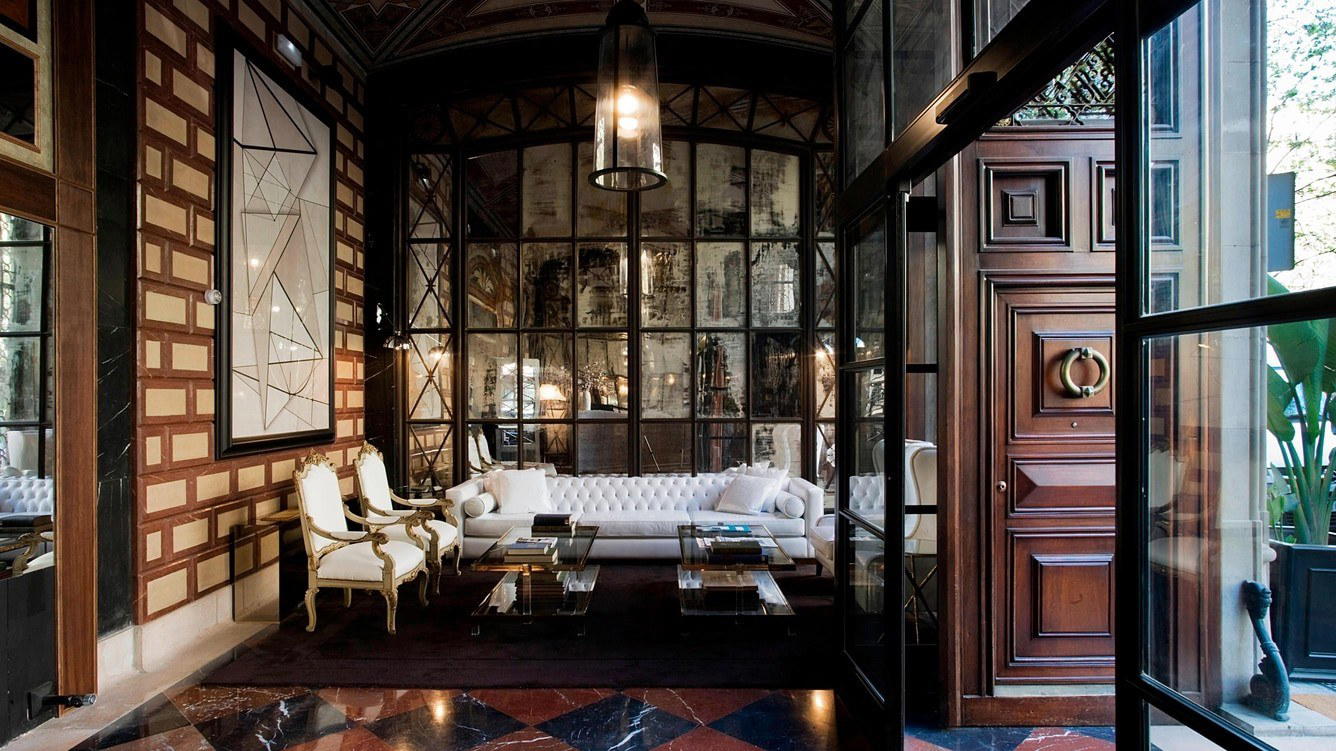
Cozy, welcoming, and home-like atmosphere with minimal modern decor, bright and well-cared-for interior that evokes warmth.