Avignonesi "Le Capezzine"

At Avignonesi's Le Capezzine estate outside Montepulciano, lunch is organized around a biodynamic vegetable garden that supplies nearly everything on the plate. Vegetable chef Luca Biancucci works within a strict plant-forward framework championed by winemaker Virginie Saverys, pairing the kitchen's output with Avignonesi's own wines against views across the Tuscan hills.
Pearl is the En Primeur Club membership app — saves, bookings, and concierge access live there. Same editors, same standards.
- Address
- Via Colonica, 1, 53045 Montepulciano SI, Italy
- Phone
- +39 0578 724304
- Website
- avignonesi.it
- Directions
- Get directions
 Saves & bookings on Pearl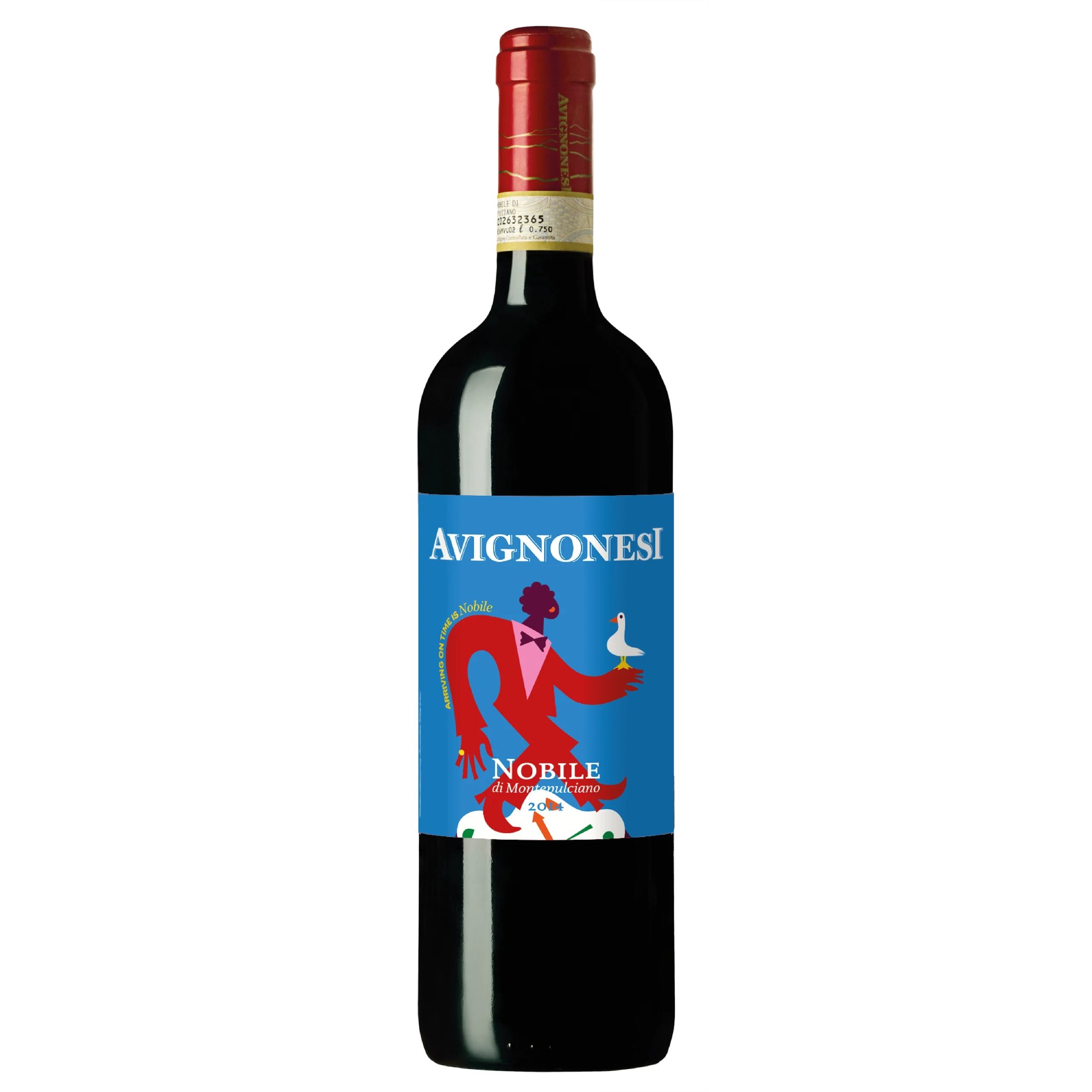
Where the Garden Sets the Menu
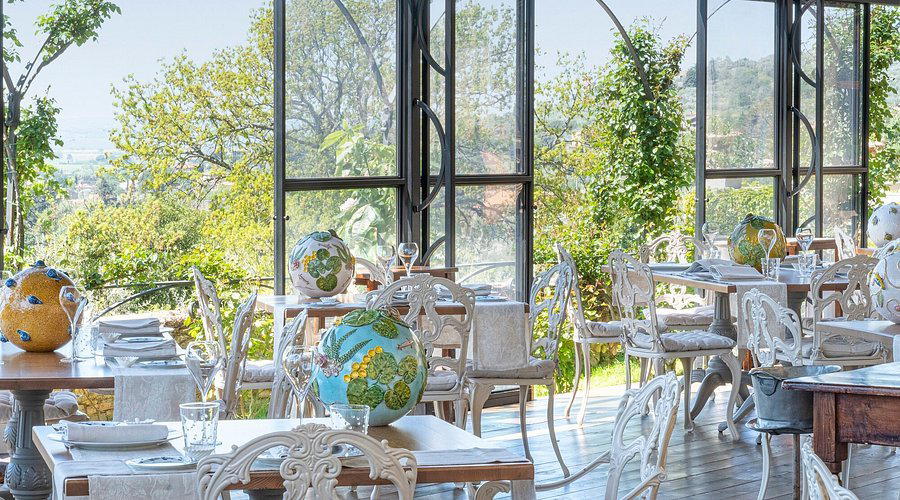
Tuscany's wine estates have long offered visitors a reason to linger beyond the cellar door, but the format varies considerably. Some bolt on a trattoria to sell bottles; others build a serious kitchen that treats the land as a larder. Avignonesi's Le Capezzine, on the road outside Montepulciano, takes the second approach with an uncommon degree of conviction. The dining room looks directly over a working biodynamic vegetable garden, and that view is not decorative, it is the sourcing plan.
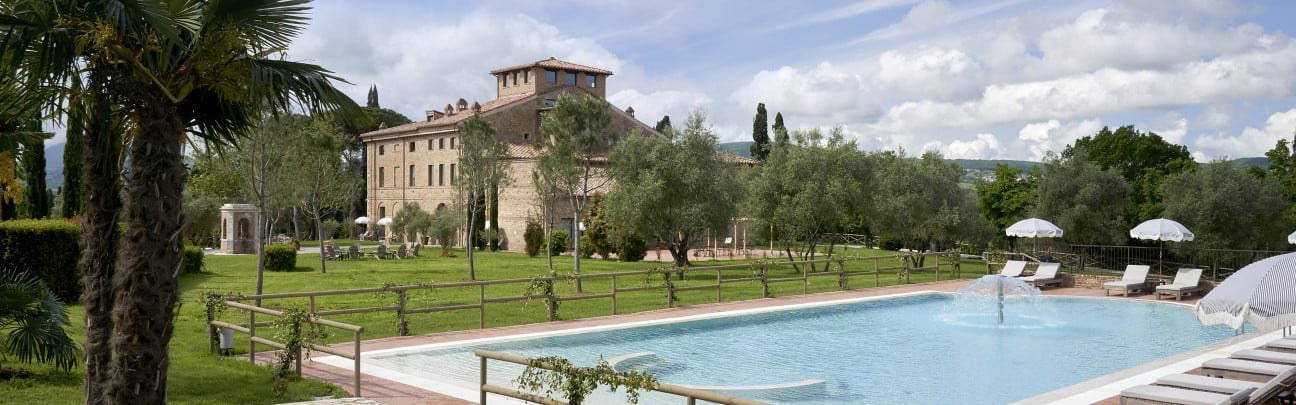
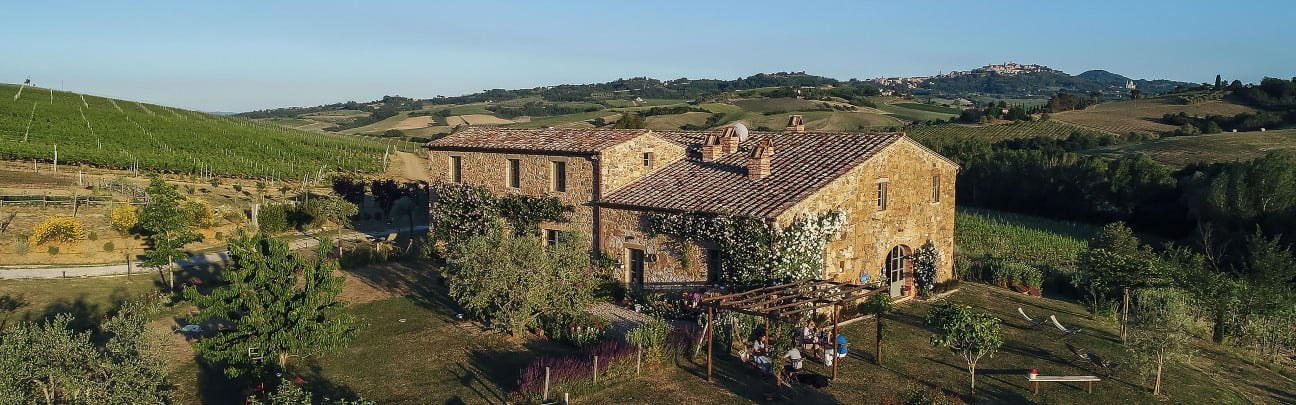
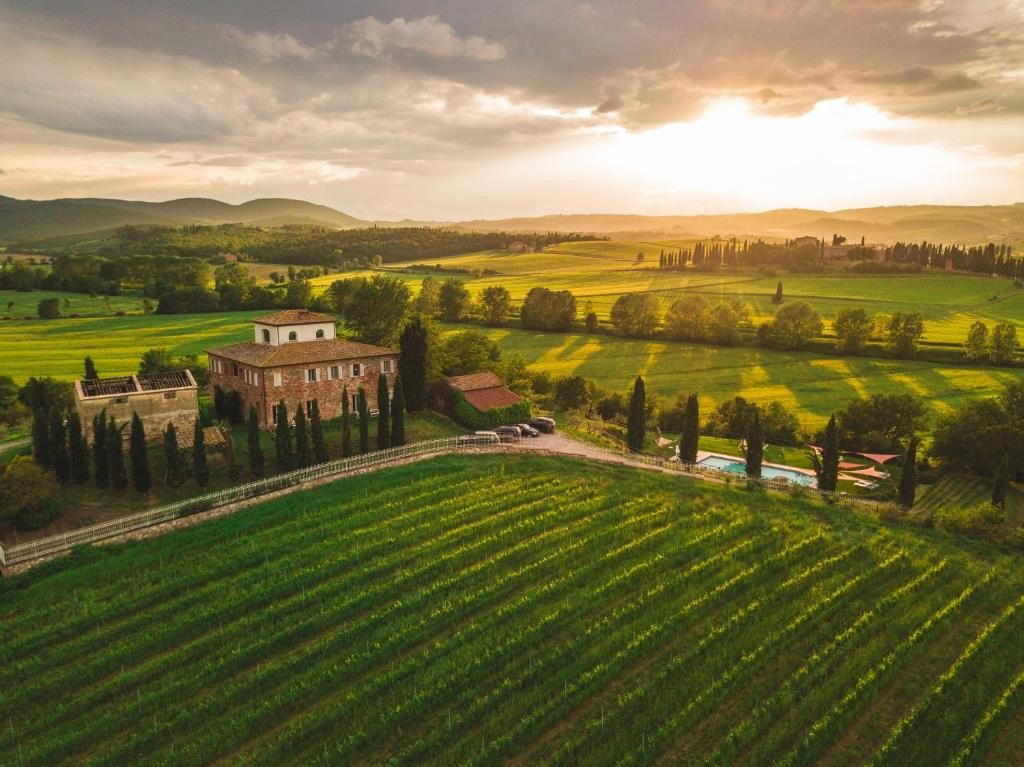
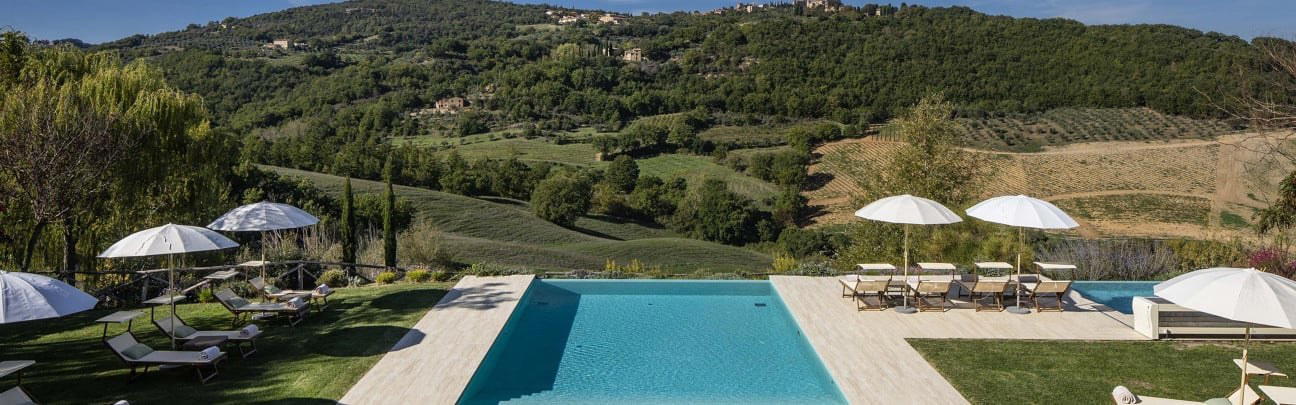
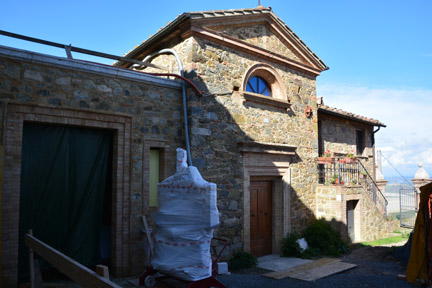
Arriving at Le Capezzine, the estate opens across gently terraced ground, with rows of vines in the middle distance and, closer in, the cultivated beds that supply the kitchen. The setting places you immediately in agricultural rather than purely touristic territory. This is a working biodynamic property, and the restaurant operates as an extension of that philosophy rather than as a separate hospitality layer grafted onto a winery.
Biodynamic Sourcing as a Kitchen Discipline
The plant-forward direction at Le Capezzine sits within a broader shift visible across northern and central Italy, where a generation of chefs and producers have moved away from protein-centred menus toward kitchens that take vegetables seriously as a primary ingredient category rather than as garnish or afterthought. Restaurants like Atelier Moessmer Norbert Niederkofler in Brunico and Reale in Castel di Sangro have each, in different registers, anchored their menus to a specific landscape and its seasonal output. Le Capezzine's version of this commitment is more intimate in scale and less formally structured than those multi-starred kitchens, but the sourcing discipline is equally deliberate.
Winemaker Virginie Saverys is the figure who established the biodynamic framework across the Avignonesi estate, and that framework governs what the garden grows and, by extension, what reaches the table. Vegetable chef Luca Biancucci works within those parameters, building a menu the estate describes with the phrase "Think Vegetables, Think Fruit", a formulation that signals the kitchen's priorities without requiring further elaboration. The result is a lunch format where provenance is not a marketing claim but a logistical reality: the distance between garden and plate can be measured in metres.
This kind of traceability is harder to achieve than it sounds. Biodynamic cultivation operates without synthetic inputs, following a calendar that factors in soil preparation, planting cycles, and lunar rhythms. The approach demands patience and accepts seasonal constraints that a conventional kitchen could bypass with a phone call to a distributor. At Le Capezzine, those constraints shape the menu, which means the cooking is necessarily responsive to what the land is producing at any given moment in the year.
The Wines, the Table, and the View
Le Capezzine's dining experience draws significant value from the Avignonesi wine list, which runs through the estate's own labels. Avignonesi holds a well-documented position in Montepulciano's wine hierarchy, particularly for Vino Nobile di Montepulciano and, historically, for Vin Santo. Drinking those wines in the place where they were made, against views of the hills that produced them, is a different proposition from encountering them at a restaurant in Florence or abroad. The context shifts the experience in ways that are difficult to replicate at, say, Enoteca Pinchiorri in Florence, however impressive that cellar may be.
For visitors moving through southern Tuscany's wine corridor, Le Capezzine occupies a specific slot: it is a lunch destination rather than a dinner venue, a place to anchor a half-day around food and wine rather than to build an evening around. That positioning suits the estate format. The Montepulciano area rewards unhurried movement between properties, and a meal here fits naturally into a day that might include the town's historic centre or other estates in the valley.
Where This Sits in the Italian Estate-Dining Picture
Italian estate dining has broadened considerably over the past decade. At the formal end of the spectrum, properties compete in the same tier as destination restaurants, the cooking at Le Calandre in Rubano or Piazza Duomo in Alba is measured against international peers regardless of its agricultural setting. Le Capezzine operates in a different register: the kitchen's ambition is expressed through sourcing fidelity rather than technical elaboration, and the format is lunch rather than a multi-course evening progression. That distinction matters when calibrating expectations. This is not the same kind of experience as dining at Osteria Francescana in Modena or Dal Pescatore in Runate. It is a wine-estate lunch with a serious sourcing philosophy, and that is precisely its value.
The format also separates it from urban plant-forward dining in cities like Milan, where Enrico Bartolini and others work within a different set of logistical and cultural expectations. Estate dining in rural Tuscany carries a specific weight, the land is visible, the production cycle is legible, and the meal has a geographic specificity that no urban kitchen can replicate regardless of supplier relationships.
Planning a Visit
Le Capezzine is a lunch recommendation rather than an all-day venue, the estate format and the kitchen's focus make it suited to a midday visit rather than an evening meal. The property sits at Via Colonica, 1, outside Montepulciano, accessible by car from the town centre. Given the estate's scale and the garden-to-table format, booking ahead is essential.
Comparable Venues
Comparable venues nearby, for context on price, style, and recognition.
| Venue | Cuisine | Price | Awards | Notes |
|---|---|---|---|---|
| Avignonesi "Le Capezzine"This venue — the venue you are viewing | Tuscan Farm-to-Table | $$$ | Not listed | Not listed |
| La Grotta | Modern Tuscan Fine Dining | $$$ | Not listed | San Biagio |
| Le Logge del Vignola | Modern Tuscan Fine Dining | $$$$ | Michelin Plate | historic center |
| Indigeno | Modern Tuscan Farm-to-Table | $$$ | Michelin Plate | Montepulciano |
| Osmosi | Contemporary Tuscan Fine Dining | $$$$ | Michelin 1 Star | Montepulciano countryside |
| Enoteca Baldi | Tuscan Wine Bar | $$$ | Not listed | Panzano in Chianti |
Recognition history
Dated appearances from independent guides and award organizations, with the underlying list record or original source where available.
We're Smart World 3 Radishes
We're Smart World
Continue exploring
More in Montepulciano
Restaurants in Montepulciano
Browse all →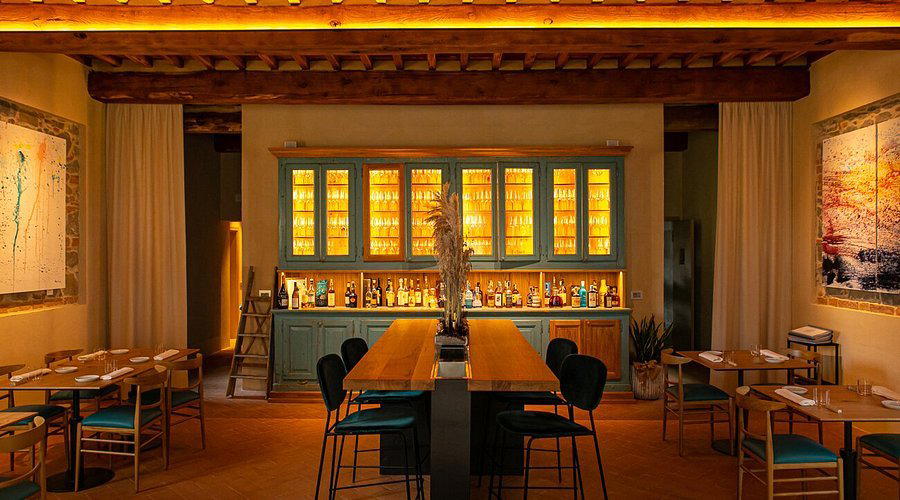
Bars in Montepulciano
Browse all →
Hotels in Montepulciano
Browse all →
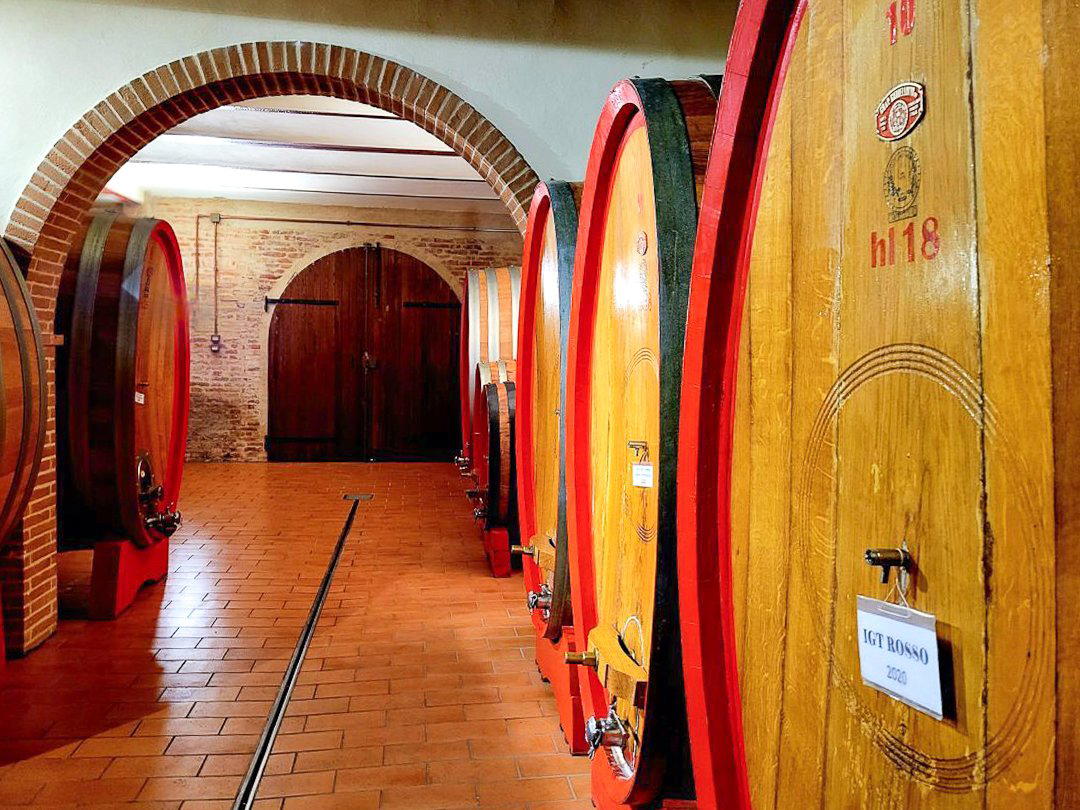
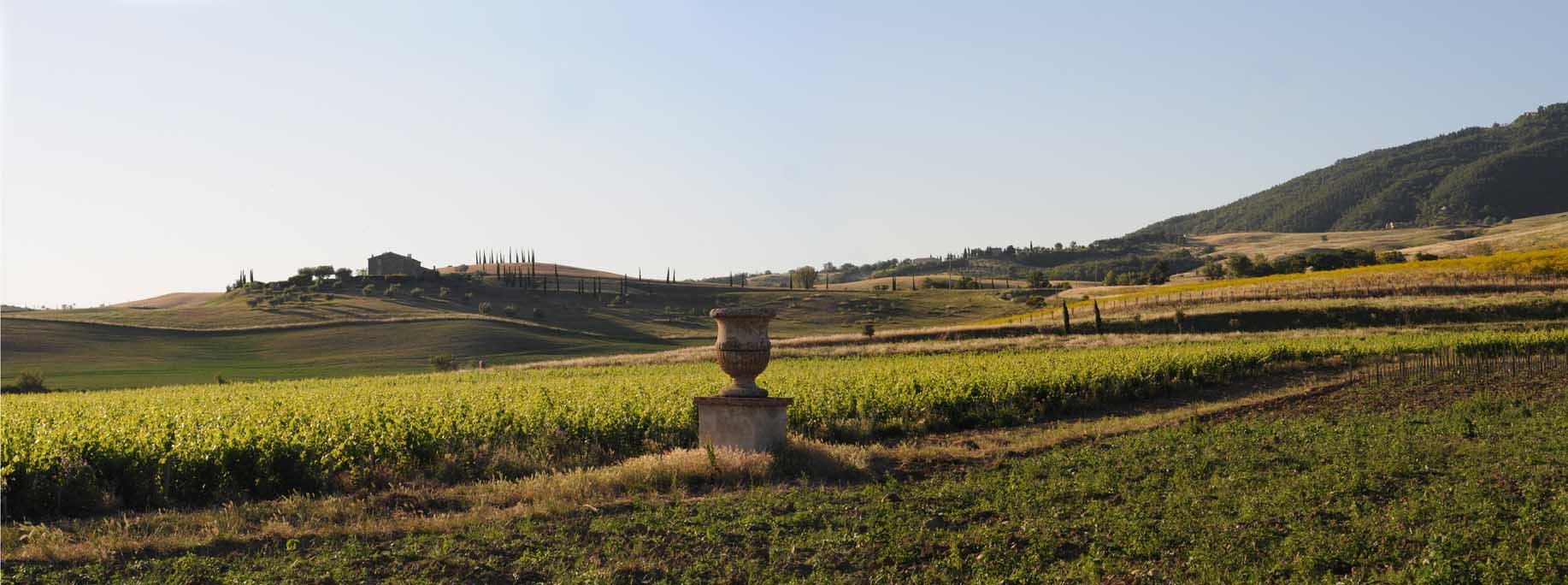
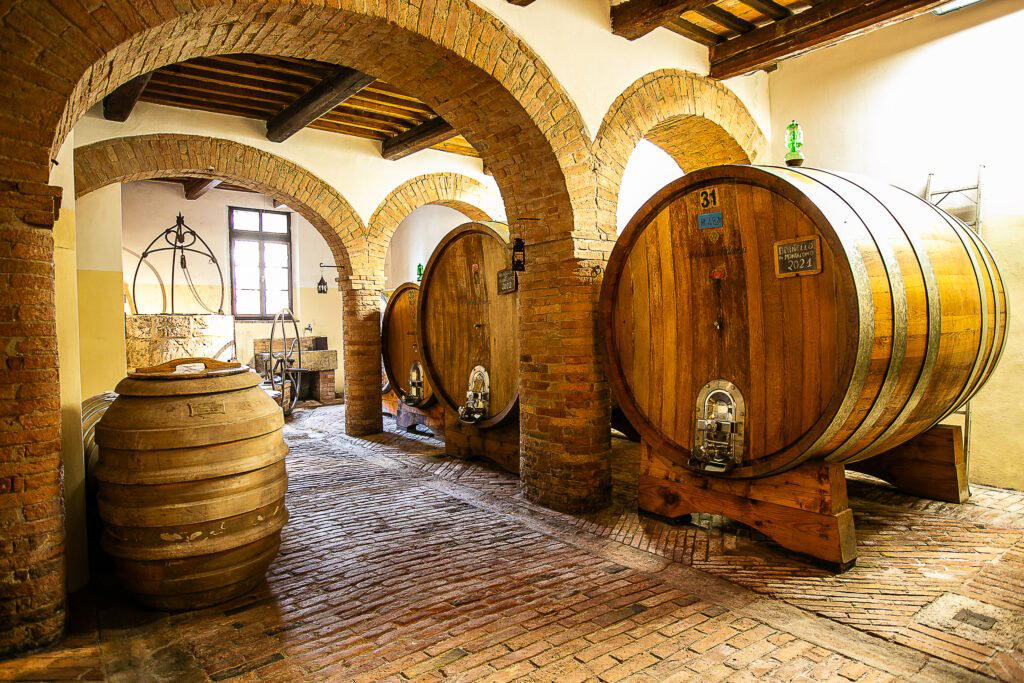
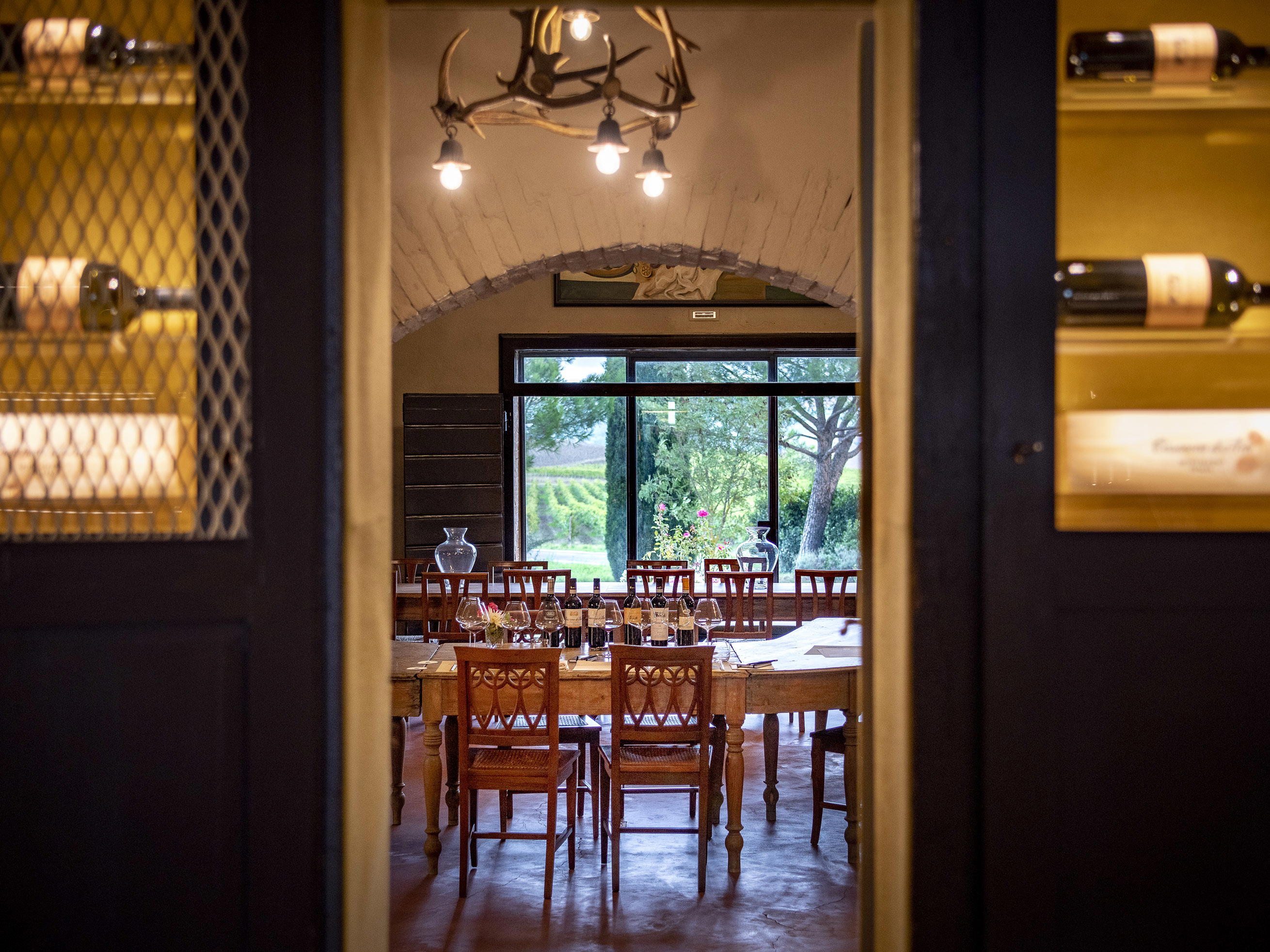
At a Glance
- Scenic
- Elegant
- Rustic
- Romantic
- Special Occasion
- Celebration
- Group Dining
- Wine Cellar
- Garden
- Private Dining
- Terrace
- Historic Building
- Extensive Wine List
- Sommelier Led
- Farm To Table
- Organic
- Biodynamic
- Local Sourcing
- Vineyard
- Garden
- Mountain
Current opening hours
- Monday
- 10 AM–6 PM
- Tuesday
- 10 AM–6 PM
- Wednesday
- 10 AM–6 PM
- Thursday
- 10 AM–6 PM
- Friday
- 10 AM–6 PM
- Saturday
- 10 AM–6 PM
- Sunday
- Closed
Hours can change for holidays and private events. Last verified .
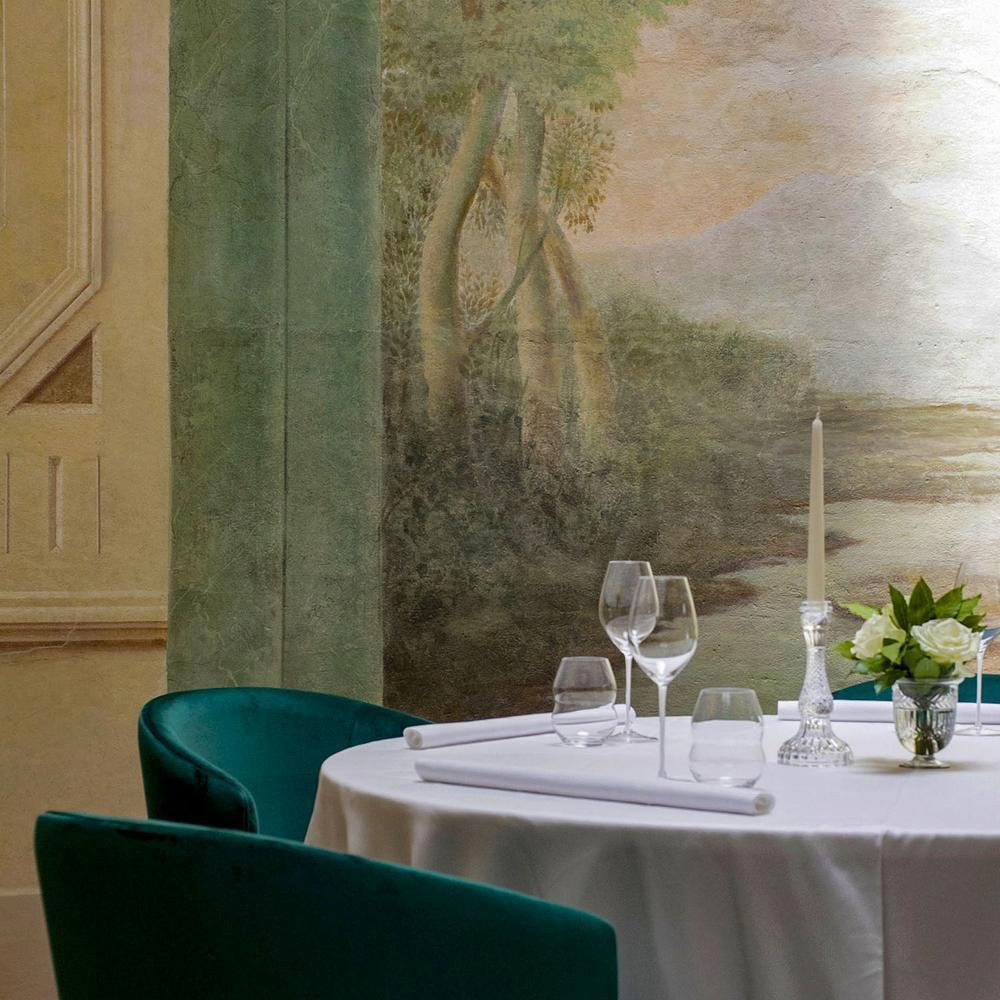
Seasonal, agricultural setting with natural light from vineyard views; intimate and contemplative atmosphere reflecting the estate's philosophy of listening to the land.