Op de Hej
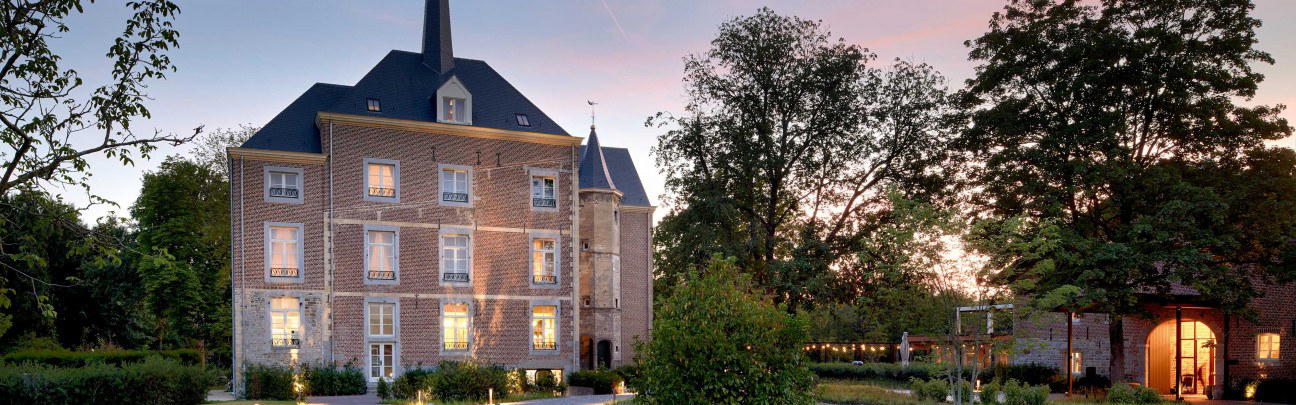
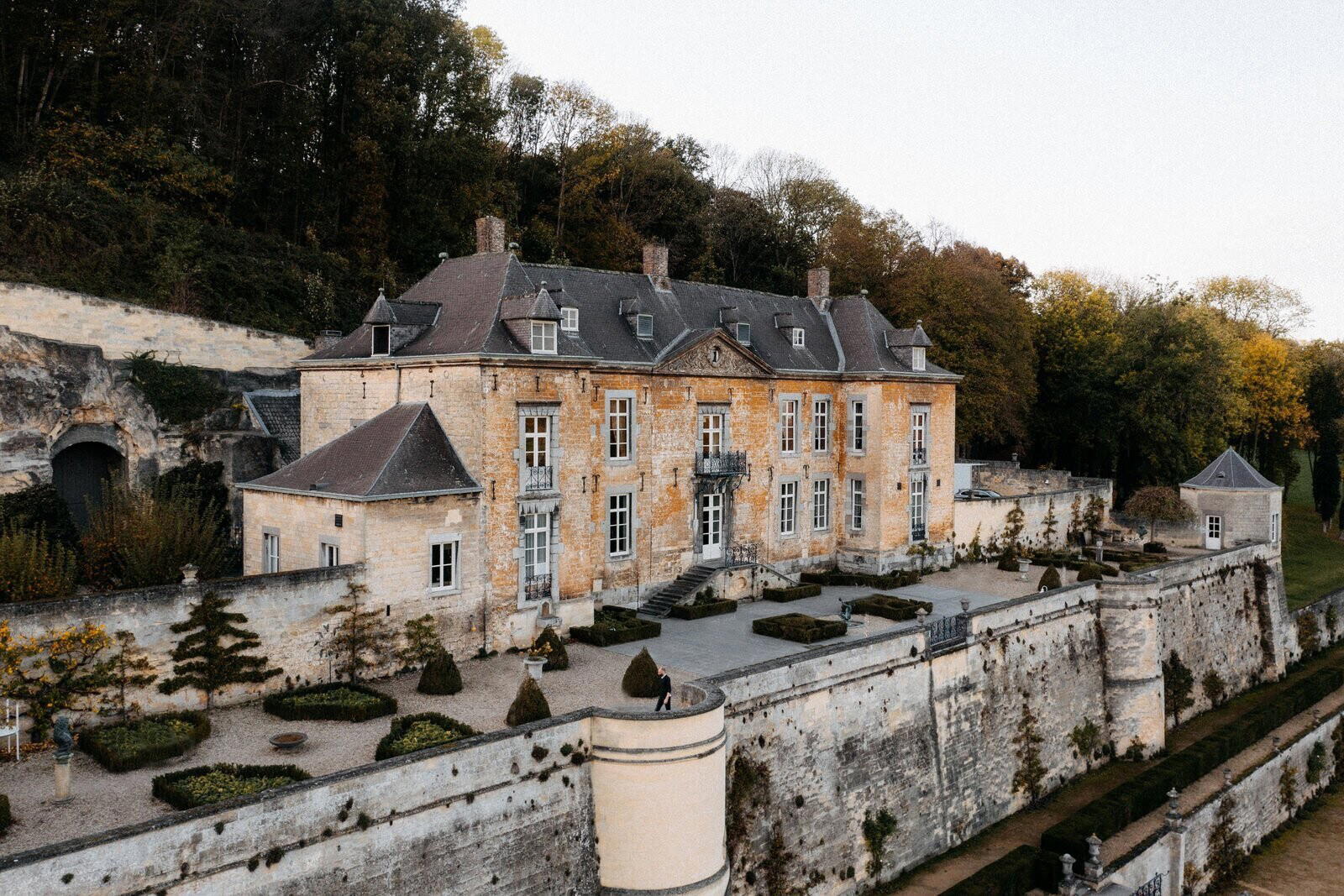
Op de Hej sits in Sint Geertruid, a quiet corner of South Limburg where the Dutch countryside rolls into chalky hillsides and agricultural land that has fed serious kitchens for generations. The address alone, Heiweg 6, well outside any urban dining circuit, signals a restaurant that earns its visit on its own terms. For the South Limburg dining scene and its broader context, see our full Sint Geertruid restaurants guide.
Pearl is the En Primeur Club membership app — saves, bookings, and concierge access live there. Same editors, same standards.
- Address
- Heiweg 6, 6265 NL Sint Geertruid, Netherlands
- Phone
- +31434098474
- Website
- opdehej.nl
- Directions
- Get directions
 Saves & bookings on Pearl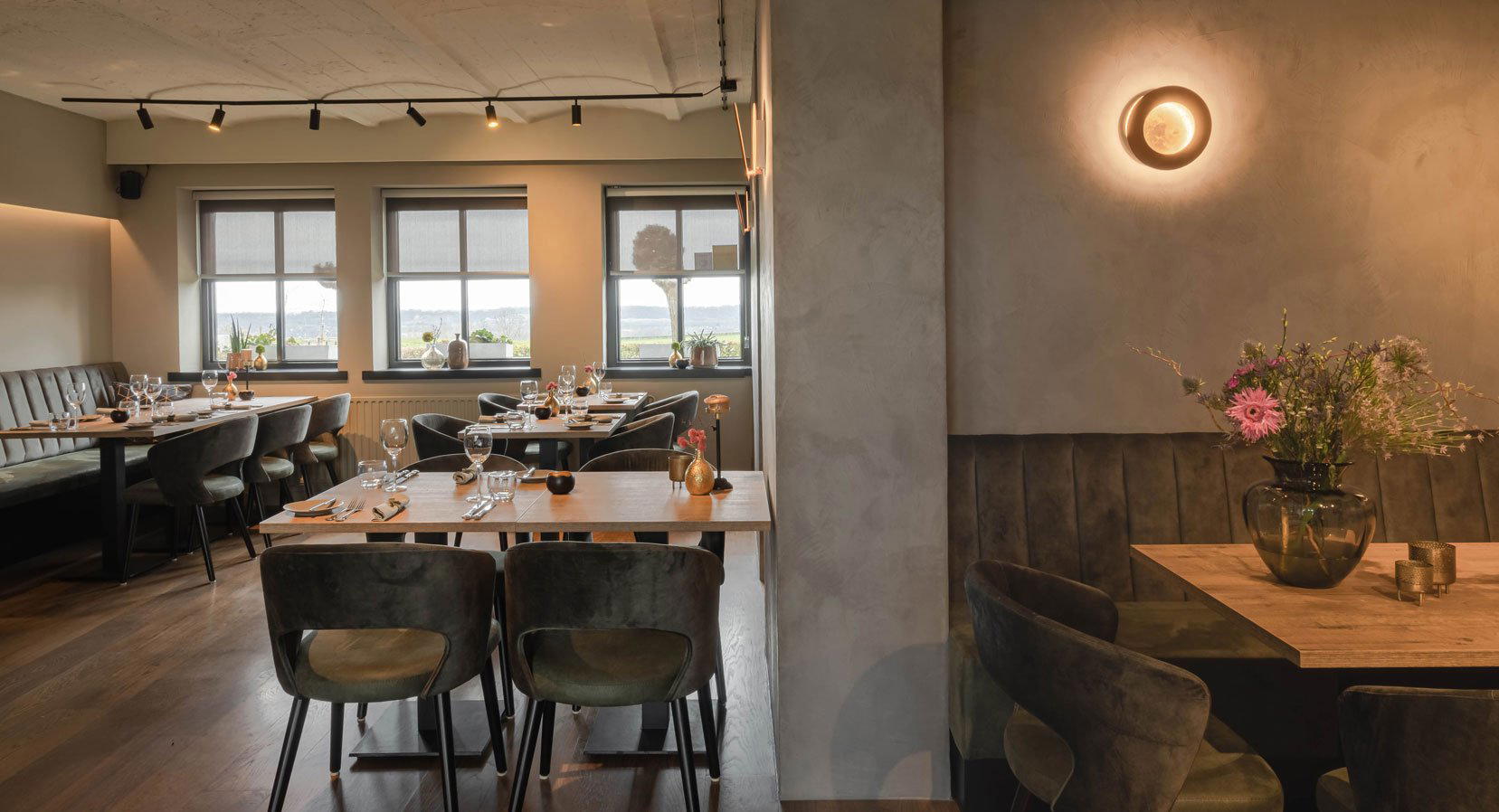
Arriving at the Edge of South Limburg's Dining Country
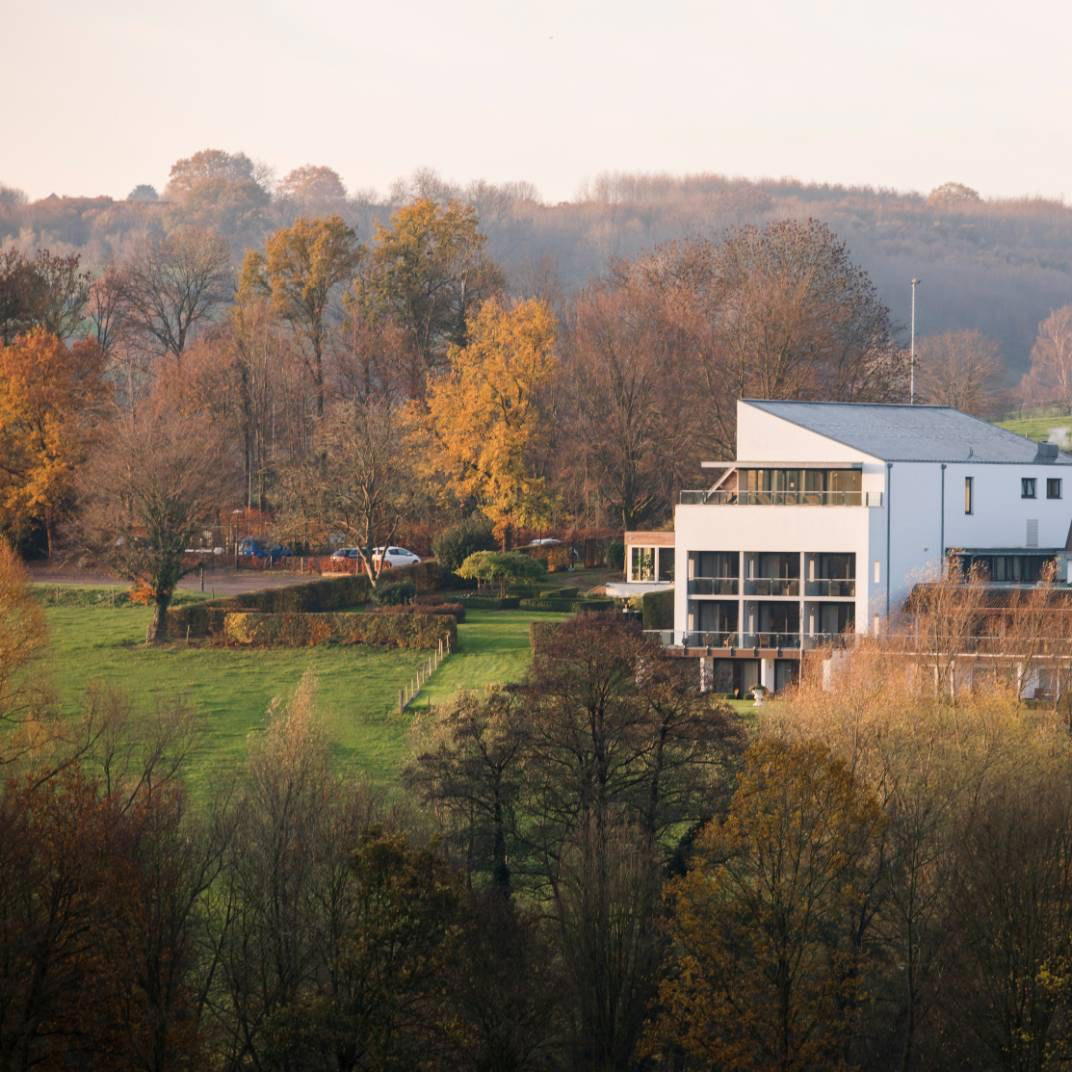
The road into Sint Geertruid does not announce itself. South Limburg is the Netherlands' most topographically distinct province, chalky plateaus, sunken lanes, and field patterns that predate the Dutch Republic, and Op de Hej sits within that character rather than apart from it. The address at Heiweg 6 places the restaurant in working agricultural land. That reality shapes what ends up on the plate.
South Limburg has its own quiet density of serious restaurants. The region sits near the Belgian and German borders and has a distinct agricultural identity. Visiting Op de Hej means engaging with that broader regional context.
What the Sourcing Geography Tells You
The Heuvelland area surrounding Sint Geertruid produces fruit, grain, and livestock. South Limburg's loamy, calcium-rich soils favour asparagus, soft fruit, and root vegetables shaped by the season rather than the import calendar. Restaurants operating in this agricultural belt, whether they occupy farmhouse conversions or purpose-built spaces, draw from a supply network that functions on short distances and personal relationships with growers.
That sourcing geography creates a different kind of kitchen discipline than a city restaurant manages. Urban kitchens can course-correct mid-week with a supplier call; a kitchen embedded in farming country tends to commit earlier to what the season is actually producing, and menu flexibility comes from technique rather than procurement. The Dutch fine-dining conversation has moved steadily in this direction over the past decade, with restaurants such as De Nieuwe Winkel in Nijmegen and De Groene Lantaarn in Staphorst often cited in the same context.
The South Limburg version of that shift is quieter than its counterparts in Zeeland or Brabant. Inter Scaldes in Kruiningen operates with a Zeeland coastal identity; De Treeswijkhoeve in Waalre and De Lindehof in Nuenen represent the Brabant end of the same regional fine-dining axis. Sint Geertruid sits further south, closer to the Belgian border, in territory that receives less critical traffic despite comparable agricultural quality.
The Regional comparable set
Any serious Dutch restaurant outside the Randstad cities now competes in a comparable set defined less by postcode and more by format, price register, and sourcing credibility. At the upper end of the national market, kitchens like De Librije in Zwolle and 't Nonnetje in Harderwijk carry Michelin recognition that draws destination diners regardless of geography. Below that tier, but often not far below in terms of kitchen ambition, are regional addresses that function as the backbone of local fine-dining culture. That is the territory Op de Hej occupies, within driving distance of Maastricht's restaurant scene.
For context on what the Limburg border region can produce at its most ambitious, the nearby Brut172 in Reijmerstok, also in South Limburg, demonstrates that serious kitchen ambition is not confined to the provincial capital. The pattern in this part of the Netherlands mirrors what has happened in other European regions where high-quality agricultural land sits adjacent to an affluent weekend-travel market: small-format restaurants in rural addresses serving a clientele that drives out specifically, rather than passing through.
That dynamic distinguishes the South Limburg experience from the concentrated urban density you find at, say, Ciel Bleu in Amsterdam or FG in Rotterdam. The rural format creates a different hospitality register, longer evenings, less transactional pacing, and a sense that the meal is the destination rather than one stop among many. At the international reference level, that posture has parallels with what Le Bernardin in New York or Atomix deliver within their respective urban contexts, though the mechanisms are entirely different: those restaurants create destination gravity through reputation and credential density, while rural kitchens like those in South Limburg create it through geography itself.
Planning a Visit to Sint Geertruid
Sint Geertruid is not served by intercity rail. Maastricht, roughly twelve kilometres to the north, is the practical hub for visitors arriving by public transport, with direct connections from Amsterdam Centraal taking just under two and a half hours. From Maastricht, a car or taxi covers the remaining distance through the Heuvelland landscape in under twenty minutes. The lack of passing foot traffic at Heiweg 6 means reservations are recommended. Visitors coming from elsewhere in the Netherlands, or from the Belgian or German side of the border, should plan the journey as part of the experience rather than an afterthought. The surrounding countryside, including the Voerstreek area just across the Belgian border, rewards time spent.
Those with an appetite for comparing South Limburg's output against the broader Dutch fine-dining field might consider pairing a visit here with the Overveen coast at De Bokkedoorns, the Giethoorn waterway setting of De Lindenhof, or the Heeze address of Tribeca, all of which operate within the same register of serious regional cooking outside the Randstad. The Amstelveen option at Aan de Poel and the Amsterdam canal-side of 't Amsterdammertje in Loenen aan de Vecht represent the urban-fringe variant of the same format instinct.
Side-by-Side Snapshot
Comparable venues nearby, for context on price, style, and recognition.
| Venue | Cuisine | Price | Notes |
|---|---|---|---|
| Op de HejThis venue — the venue you are viewing | Modern French Fine Dining | $$$ | Not listed |
| Sofa | Modern French Bistro | $$$ | Heugem |
| le VIN 'x | French Bistro with Wine Focus | $$$ | s-Hertogenbosch |
| Pastory | Classic French Fine Dining | $$$ | Cadier en Keer |
| Kwartelenmarkt 11 op 3 | French-Dutch Fine Dining with Local Flavors | $$$ | centrum |
| Spencer's | Modern French Farm-to-Table | $$$ | historic centre |
Continue exploring
More in Sint Geertruid
Restaurants in Sint Geertruid
Browse all →
Bars in Sint Geertruid
Browse all →
At a Glance
- Cozy
- Intimate
- Rustic
- Date Night
- Special Occasion
- Standalone
Current opening hours
- Monday
- Closed
- Tuesday
- Closed
- Wednesday
- 6–10 PM
- Thursday
- 6–10 PM
- Friday
- 6–10 PM
- Saturday
- 6–10 PM
- Sunday
- 6–10 PM
Hours can change for holidays and private events. Last verified .
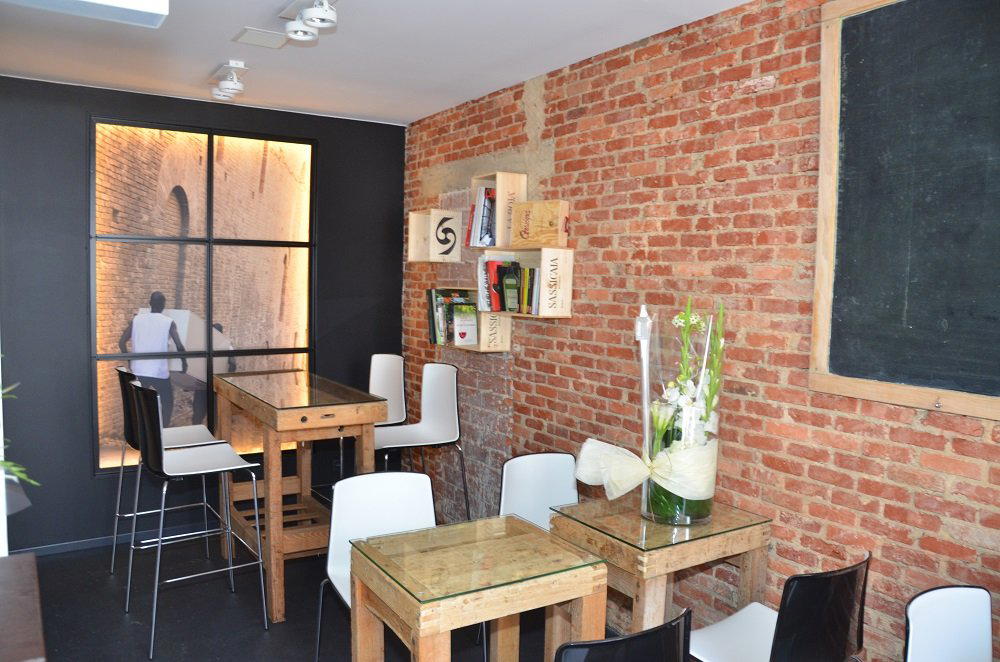
Cozy living room atmosphere with nice mood lighting, background music, and a homely feel amid the vast Limburg landscape.