Pastory
Pastory sits on Dorpsstraat in Cadier en Keer, a small Limburg village that punches above its size in the Netherlands' southern fine-dining corridor. The address places it within a regional cluster that has drawn serious culinary attention in recent years, with nearby peers operating at the summit tier of Dutch gastronomy.
Pearl is the En Primeur Club membership app — saves, bookings, and concierge access live there. Same editors, same standards.
- Address
- Dorpsstraat 45, 6267 AA Cadier en Keer, Netherlands
- Phone
- +31434071823
- Website
- depastory.nl
- Directions
- Get directions
 Saves & bookings on Pearl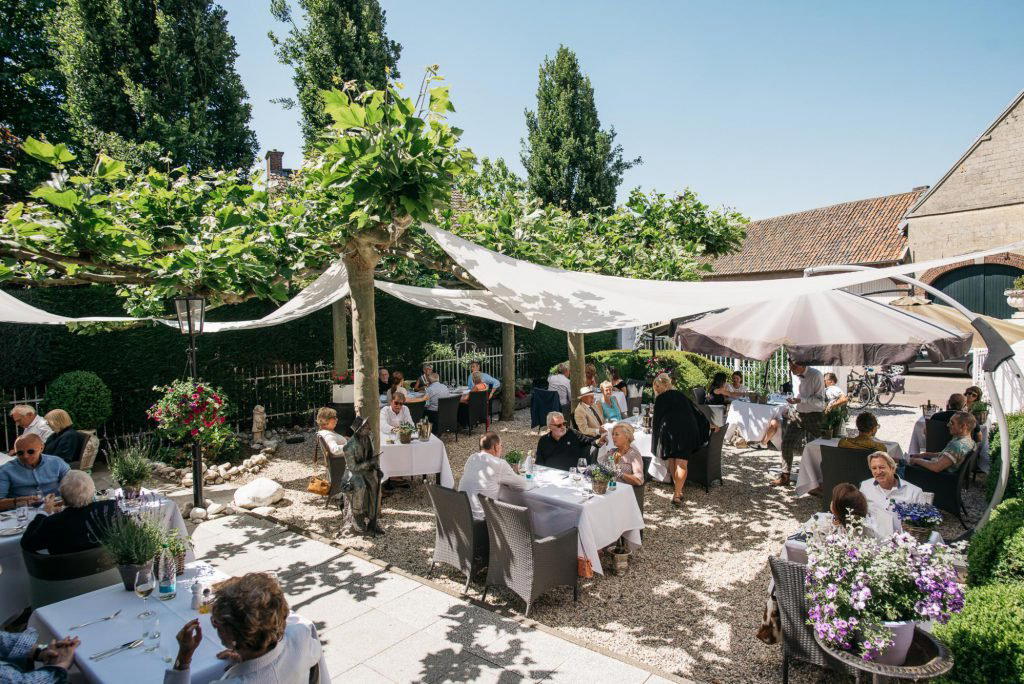
South Limburg's Dining Identity and Where Pastory Fits
The southern tip of the Netherlands, particularly the Limburg province, occupies an unusual position in Dutch fine dining. Geographically sandwiched between Belgium and Germany, and historically shaped by cross-border culinary exchange, this region has developed a dining character that differs markedly from what you find in Amsterdam or Rotterdam. The cooking that has emerged here draws on French classical technique, German thoroughness with ingredients, and a distinctly Flemish appetite for richness and seasonality. Villages that would register as unremarkable on a map elsewhere in Europe turn out to support restaurants operating at the highest levels of Dutch gastronomy.
Cadier en Keer is one such village. Sitting on the plateau above Maastricht, the area is known locally for its refined terrain, unusual in a country defined by flatlands, and for the quality of its agricultural hinterland. Pastory, at Dorpsstraat 45, occupies a position in this village fabric that speaks to a wider pattern: premium dining in South Limburg tends to root itself in specific places with local character, rather than concentrating in urban centres. That anchoring in place is itself a statement about the cooking philosophy that tends to follow.
The Limburg Fine-Dining Corridor: Regional Context
To understand Pastory's context, it helps to map the broader South Limburg dining scene. The province has, over the past two decades, become one of the more concentrated areas for serious restaurant ambition in the Netherlands. Maastricht functions as the regional hub, but the surrounding villages and smaller towns have developed their own culinary reputations. Cadier en Keer sits within this orbit, close enough to Maastricht to draw visitors making a dedicated day or evening out of the region.
The pattern of fine dining in this part of the Netherlands tends toward the intimate: smaller rooms, tasting menu formats, and a commitment to sourcing that reflects the region's agricultural identity. Peers like Brut172 in Reijmerstok operate in the same general corridor, and Landgoed Heerdeberg shares the Cadier en Keer postcode directly. That two serious addresses occupy the same small village is a signal of the area's standing, not a coincidence.
Zooming out to the national picture, the Dutch fine-dining tier includes addresses such as De Librije in Zwolle, 't Nonnetje in Harderwijk, Aan de Poel in Amstelveen, and Ciel Bleu in Amsterdam. South Limburg operates as its own node within that network, with a regional identity distinct from both the Randstad and the northern Netherlands. De Lindehof in Nuenen and De Treeswijkhoeve in Waalre represent comparable ambition in the adjacent Noord-Brabant province, illustrating how the southern Netherlands broadly sustains a fine-dining culture that operates somewhat independently from the capital.
Cultural Roots: What Shapes Cooking in This Corner of the Netherlands
The culinary tradition of South Limburg is rooted in a set of influences that differ from the rest of the Netherlands. The French border is close enough that classical brigade training and Gallic technique have long been absorbed into local kitchens. Belgian influence brings a reverence for butter, for game in autumn, and for the kind of patient, reduction-heavy saucing that you rarely encounter in lighter, more Scandinavian-influenced Dutch cooking further north.
At the same time, the region's agricultural landscape, rolling rather than flat, with clay soils that produce different root vegetables and greens from those found in the Randstad's polder growing regions, gives local kitchens access to produce that doesn't travel the full length of the country. Seasonal discipline in South Limburg restaurants tends to be rooted in genuine proximity to farms and suppliers rather than in the marketing language of farm-to-table. This is a region where the relationship between kitchen and land is structural, not cosmetic.
The asparagus season that defines spring cooking across the Netherlands has particular intensity here: Limburg white asparagus has its own reputation among Dutch chefs, and the weeks between late April and the end of June represent a period when the region draws visitors specifically for the table. Autumn brings game from the surrounding countryside, and the Dutch-Flemish tradition of cooking venison, hare, and woodcock with fruit, wine, and aged vinegar remains a live practice in South Limburg kitchens in a way it has faded elsewhere.
Approaching Pastory: What to Know Before You Visit
Pastory's address on Dorpsstraat, the main street of Cadier en Keer, positions it as a village restaurant in the proper European sense: a destination in itself rather than a convenience. Visitors travelling from Maastricht, roughly five kilometres to the southwest, will find the journey direct by car. The village is not served by direct public transport connections that make a restaurant visit practical without a vehicle.
Pastory recommends reservations, and its opening hours are Wednesday to Saturday from 6 PM to 12 AM, with Sunday service from 1 PM to 12 AM. South Limburg's serious restaurants often operate on tasting menu formats with advance booking requirements, and the village location means there is limited walk-in culture. Treating this as a destination that warrants planning is the appropriate approach.
For those building a broader South Limburg itinerary, Brut172 in Reijmerstok is within the same plateau area. Further afield in the Dutch south, Tribeca in Heeze and De Nieuwe Winkel in Nijmegen represent the organic and creative ends of the regional dining spectrum.
For reference points across European fine dining, Inter Scaldes in Kruiningen, De Bokkedoorns in Overveen, De Groene Lantaarn in Staphorst, FG in Rotterdam, and De Lindenhof in Giethoorn illustrate the range of ambition across Dutch fine dining. Internationally, Le Bernardin in New York City and Atomix in New York City provide a frame for how tightly defined culinary identities, rooted in specific tradition and technique, create durable reputations across different markets.
Budget and Context
Comparable venues nearby, for context on price, style, and recognition.
| Venue | Cuisine | Price | Notes |
|---|---|---|---|
| PastoryThis venue — the venue you are viewing | Not listed | $$$ | Not listed |
| Landgoed Heerdeberg | Cadier en Keer, Dutch Farm-to-Table | $$$ | Not listed |
| Het Gerecht | Not listed | $$$ | stadskern, Modern French with Global Influences |
| Bouchot | Nuenen, Classic French Bistro | $$$ | Not listed |
| le VIN 'x | Not listed | $$$ | s-Hertogenbosch, French Bistro with Wine Focus |
| Koetshuis by Rhederoord | De Steeg, French-Dutch Contemporary | $$$ | Not listed |
Continue exploring
More in Cadier En Keer
Restaurants in Cadier En Keer
Browse all →
Bars in Cadier En Keer
Browse all →
At a Glance
- Elegant
- Classic
- Intimate
- Date Night
- Special Occasion
- Private Dining
- Extensive Wine List
Current opening hours
- Monday
- Closed
- Tuesday
- Closed
- Wednesday
- 6 PM–12 AM
- Thursday
- 6 PM–12 AM
- Friday
- 6 PM–12 AM
- Saturday
- 6 PM–12 AM
- Sunday
- 1 PM–12 AM
Hours can change for holidays and private events. Last verified .
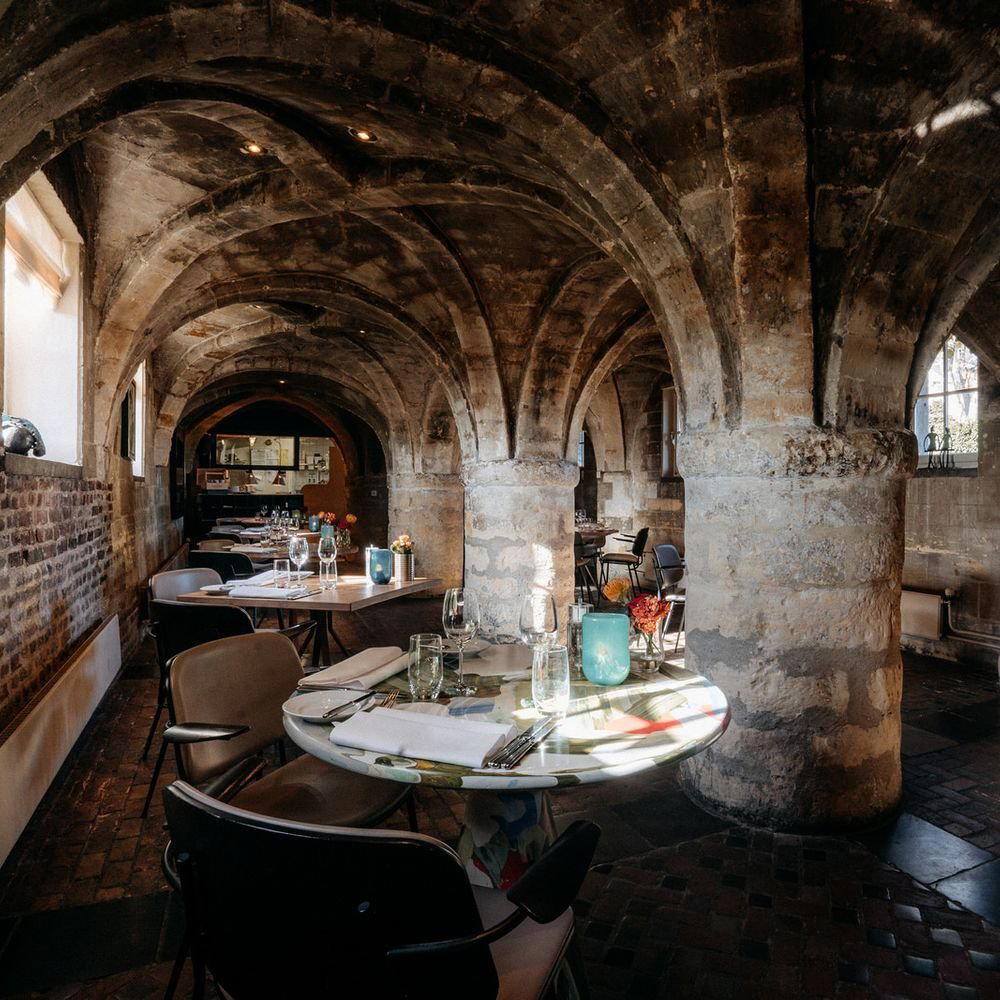
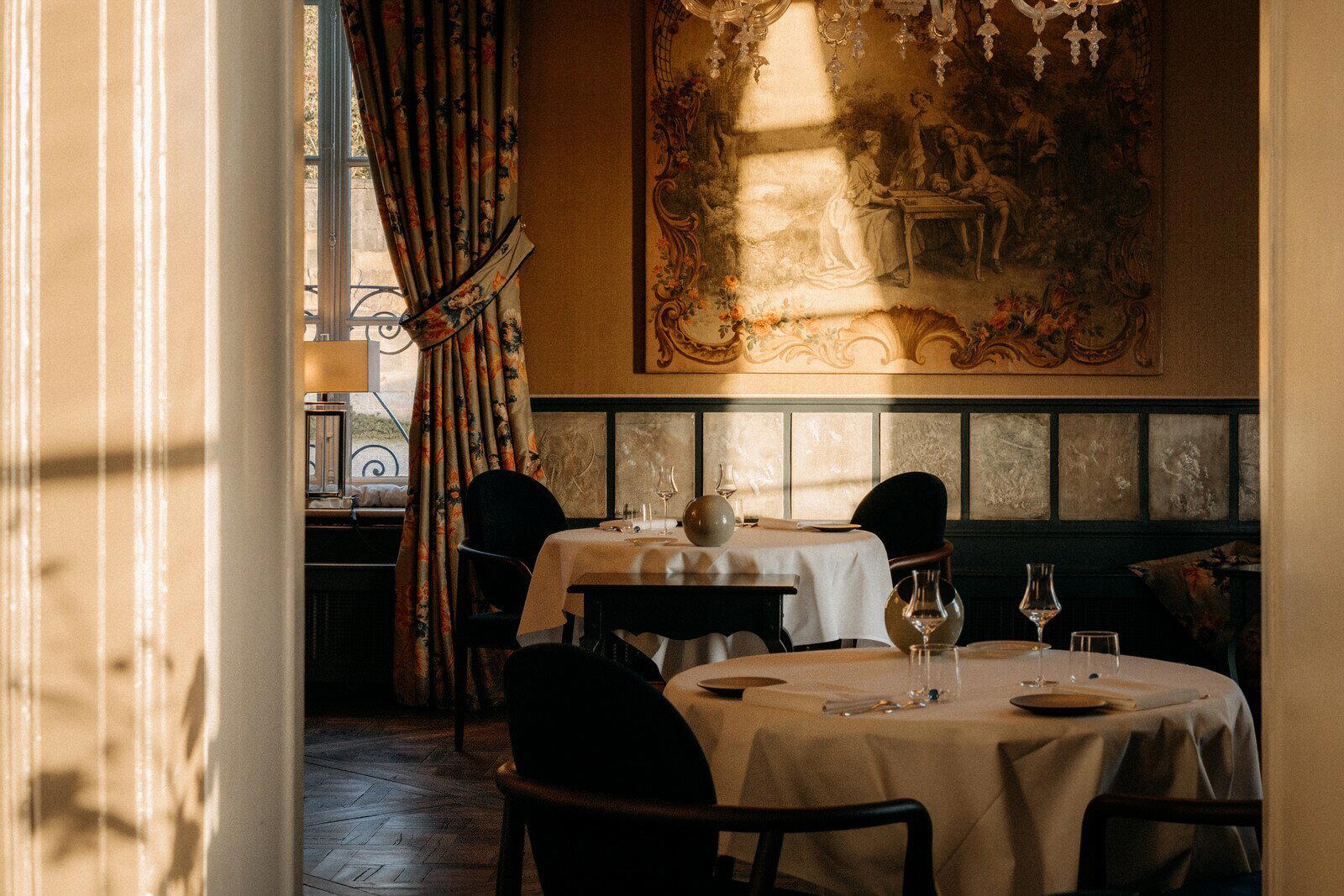
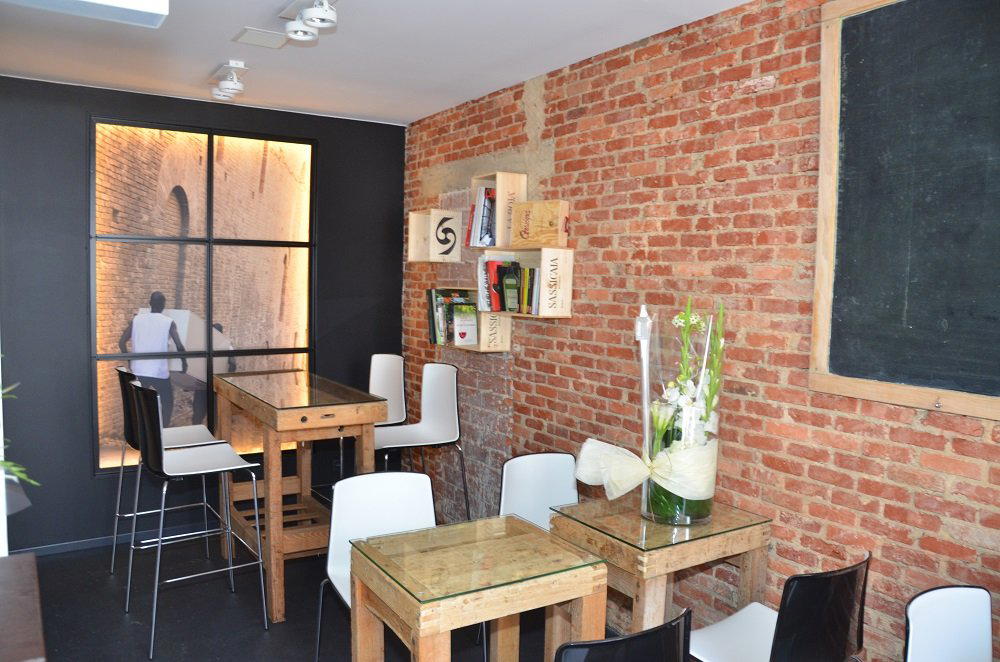
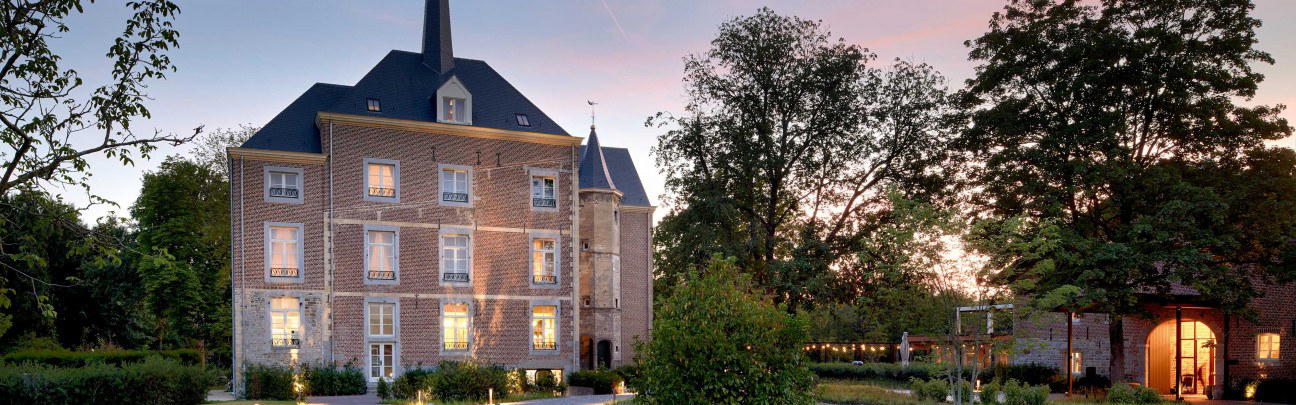
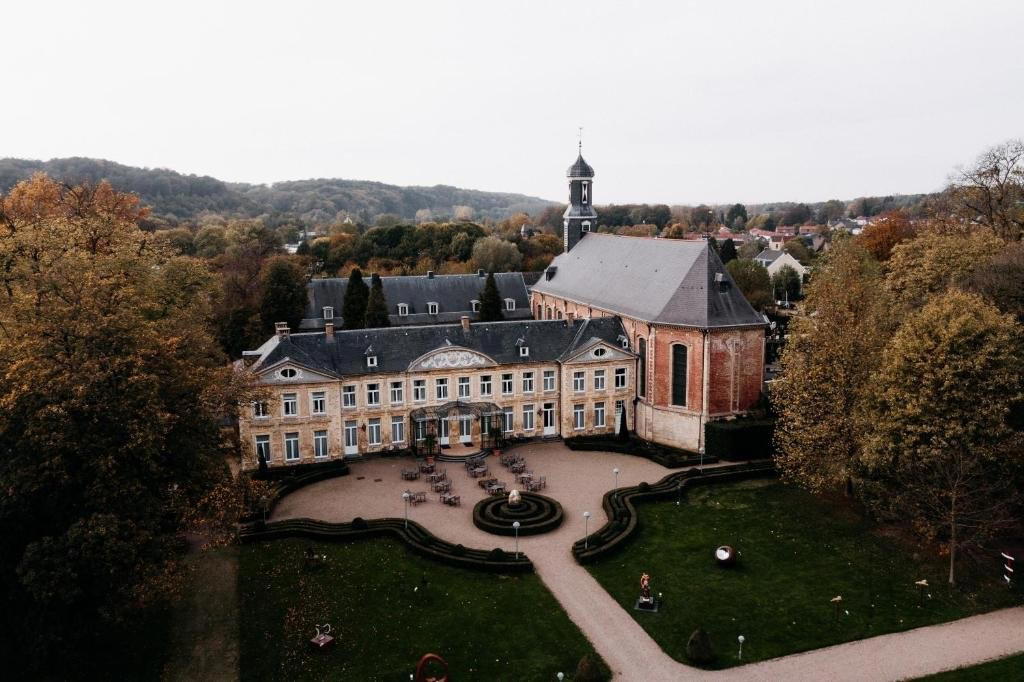
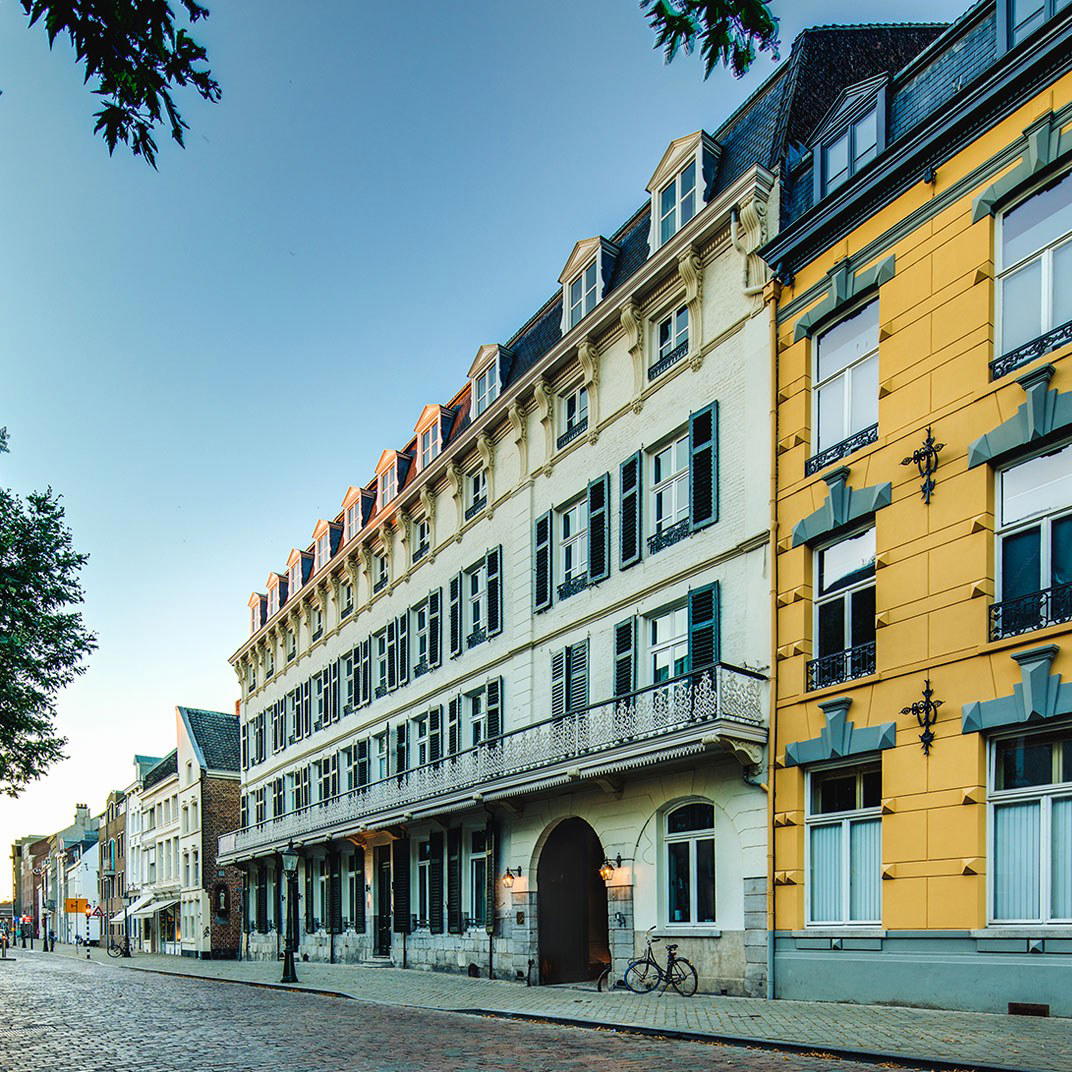
Elegant interior in a historic 18th-century building with a welcoming and efficient atmosphere.