Onomura Interlomas
Our verdict
Onomura Interlomas occupies a deliberate position in Huixquilucan's restaurant corridor: a Japanese-oriented venue on the second floor of Parque de Granada, drawing a residential clientele from Parques de la Herradura and the broader Naucalpan de Juárez area. In a local dining scene dominated by Argentine and Italian formats, the restaurant addresses a specific gap for diners who would otherwise travel to Mexico City for comparable Japanese dining.

Pearl is the En Primeur Club membership app — saves, bookings, and concierge access live there. Same editors, same standards.
- Address
- Parque de Granada 25-Local 10 Piso 2, Parques de la Herradura, 52786 Naucalpan de Juárez, Méx., Mexico
- Phone
- +525558684229
- Hours
- Mon 1–11 PMTue–Wed 1 PM–12 AMThu–Sat 1 PM–1 AMSun 1–10 PM
- Website
- onomura.com.mx
- Directions
- Get directions
- Booking
- Book on the venue's website
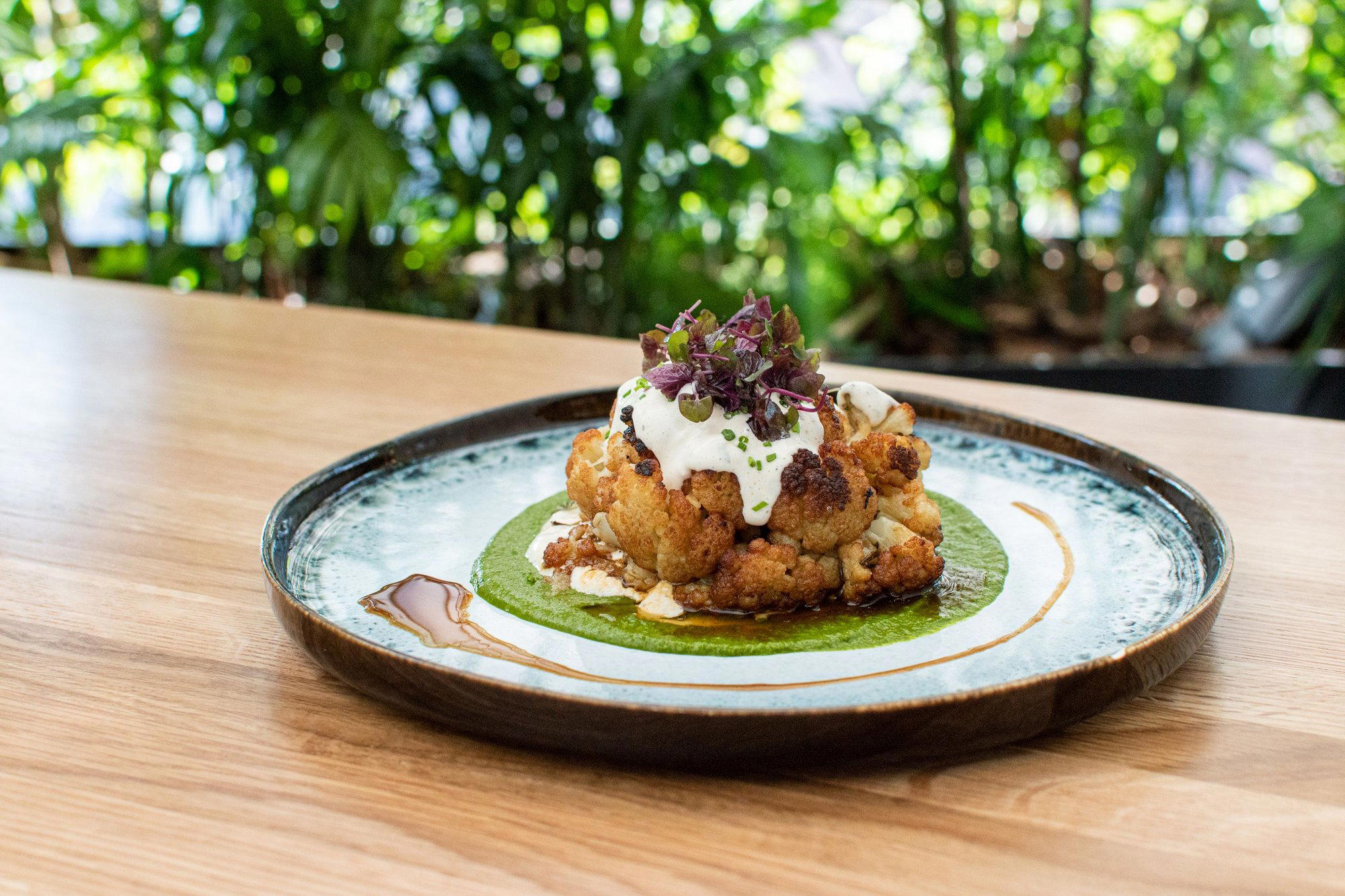
The menu
What to order
- Nigiris Flameados
- Sashimi Atun
- Temaki Atun
Japanese Precision in Mexico's Western Suburbs
The second floor of Parque de Granada in Parques de la Herradura is an unlikely address for a restaurant that takes Japanese cuisine seriously. Most of Interlomas's dining strip runs toward Argentine grills and Italian trattorias — [Cambalache Interlomas] and [Ciao Mamma] anchor that mainstream current — so a venue committed to Japanese formats reads as a deliberate counter-position rather than a safe bet. Onomura Interlomas occupies that counter-position, drawing a clientele from the residential corridors of Huixquilucan and Naucalpan who would otherwise drive into Mexico City for a comparable experience.
How the Menu Is Built, and What That Tells You
In Mexican cities outside the capital, Japanese restaurant menus tend to collapse into a single broad category: sushi, rolls, and maybe a teriyaki option for those who waver. The more ambitious operations in the country's interior have spent the last decade separating those categories and restoring some structural logic to the format. Onomura Interlomas positions itself within that more considered tier. The name itself signals an intent toward Japanese-derived identity rather than a generic pan-Asian label, and the Interlomas location suggests the kitchen is targeting the neighborhood's professional and upper-middle-class demographic rather than a tourist circuit.
Menu architecture at venues in this category typically follows one of two approaches. The first is abundance-led: long menus with maximum variety, something for every table companion, prices spread across a wide range. The second is restraint-led: shorter, more edited selections where the kitchen's confidence shows in what is left off rather than what is included. Which approach Onomura Interlomas has adopted shapes everything from the pacing of service to the mise en place demands on the kitchen, and it matters to the reader deciding whether to book. Suburban Japanese restaurants that survive in high-income Mexican neighborhoods tend to earn loyalty through consistency and a defined identity, not through menu sprawl.
For comparable editorial readings of how Japanese-influenced and format-conscious restaurants operate at the higher end of Mexico's dining scene, [Le Chique in Puerto Morelos] and [HA' in Playa del Carmen] offer useful reference points on tasting-format discipline. At the capital level, [Pujol in Mexico City] demonstrates how a defined menu philosophy sustains long-term critical relevance. Onomura operates in a different bracket and geography, but the underlying question, what does the menu's structure reveal about the kitchen's ambitions, applies equally across all tiers.
The Interlomas Restaurant Scene: Where This Venue Sits
Interlomas has developed into one of the denser restaurant corridors west of Mexico City, a function of the residential density in Huixquilucan and the spending power concentrated in its condominium complexes and gated communities. The dining offer skews toward accessible international formats: Japanese, Italian, Argentine, and Mexican-casual all hold positions in the local market. [El Japonez Interlomas] and [Barrita de Mar Interlomas] represent different points on the local seafood-and-Japanese spectrum, while [Il Parmiggiano] anchors the Italian side. The competition is real and the customer base is local, repeat diners who know the options and make comparisons weekly rather than on annual visits.
Within that context, differentiation is harder to fake. A venue that cannot hold its own on quality and consistency against a familiar local set loses regulars fast. Onomura Interlomas's presence at Parque de Granada, a multi-level commercial development that draws foot traffic from the surrounding residential zones, means the dining room is not relying on destination-seeker traffic. It has to work for the neighborhood, which is a more demanding standard in its own way than attracting occasional visitors from further afield.
For readers building a wider picture of ambitious Mexican dining outside the obvious circuits, [KOLI Cocina de Origen in Monterrey], [Pangea in San Pedro Garza Garcia], [Alcalde in Guadalajara], and [Levadura de Olla Restaurante in Oaxaca] each demonstrate how regional restaurants earn and retain reputations beyond the capital. [Animalón in Valle de Guadalupe], [Lunario in El Porvenir], and [Olivea Farm to Table in Ensenada] show what format discipline looks like when applied to a regional product base. The Interlomas scale is different, but the underlying logic, serve a specific audience consistently, is the same.
Global reference points for technically demanding Japanese-influenced formats include [Le Bernardin in New York City] and [Atomix in New York City], both of which demonstrate how a rigidly structured menu can become a restaurant's primary identity signal rather than a constraint.
Planning Your Visit
Onomura Interlomas is located at Parque de Granada 25, Local 10, Piso 2, in Parques de la Herradura, Naucalpan de Juárez, a commercial complex most easily reached by car from the Interlomas residential zones or via the Estado de México road network from Mexico City's western exits. The second-floor location means walk-in discovery is less likely than at street-level venues, so arriving with intent is advisable. For a fuller picture of what the Interlomas dining corridor offers across cuisines and formats, the [EP Club Huixquilucan restaurants guide] maps the local scene with greater granularity.
Frequently asked questions
Where is Onomura Interlomas in Huixquilucan?
Onomura Interlomas is located at Parque de Granada 25-Local 10 Piso 2, Parques de la Herradura, 52786 Naucalpan de Juárez, Méx. Mexico, Huixquilucan.
How does Onomura Interlomas compare to other Japanese restaurants in the Interlomas and Naucalpan de Juárez area?
The Interlomas corridor has grown into one of the denser dining zones west of Mexico City, but most Japanese options in Naucalpan de Juárez default to broad menus built around sushi rolls and teriyaki. Onomura, based at Parque de Granada 25 in Parques de la Herradura, is positioned differently: the menu construct described in editorial coverage points to a kitchen that narrows its scope in order to execute with more consistency. That makes it a reference point in the area rather than one more entry in the same category.
What's the must-try dish at Onomura Interlomas?
What the body content makes clear is that the kitchen resists the roll-heavy format common to Japanese restaurants outside Mexico City's core, suggesting the cooking leans toward more structured, technique-driven preparations. check the venue's official channels at Parque de Granada 25, Local 10, Piso 2 to ask what the kitchen is currently running.
Do they take walk-ins at Onomura Interlomas?
Given its second-floor location inside a commercial complex in Parques de la Herradura, Naucalpan de Juárez, it operates in a neighbourhood with concentrated residential demand. Arriving without a reservation on weekends carries real risk; contacting the venue beforehand is the practical move.
What makes Onomura Interlomas worth seeking out?
Onomura occupies a second-floor space at Parque de Granada in Huixquilucan, an address that filters out casual foot traffic. Its distinction within the Interlomas restaurant corridor is a more disciplined approach to Japanese cuisine than the suburban norm — the menu structure reported in the body content suggests the kitchen is building dishes rather than assembling plates. For residents west of Mexico City, that gap is harder to fill than it sounds.
Accolades, Compared
Comparable venues nearby, for context on price, style, and recognition.
| Venue | Cuisine | Price | Notes |
|---|---|---|---|
| Onomura InterlomasThis venue — the venue you are viewing | Japanese Nigiri Room | $50–100 | Not listed |
| El Japonez Interlomas | Modern Japanese Fusion with Teppanyaki | $30–50 | Interlomas |
| MOMA KITCHEN | Mediterranean Fusion with Greek, Tacos, and Pizza | Not listed | Bosque Real |
| Barrita de Mar Interlomas | Mexican Seafood | $20–30 | Bosque de las Palmas |
| Il Parmiggiano | Italian Pizza | Not listed | Interlomas |
| Japanika Interlomas | Japanese-Latin Fusion Sushi and Teppanyaki | $30–50 | Interlomas |
Continue exploring
More in Huixquilucan
Restaurants in Huixquilucan
Browse all →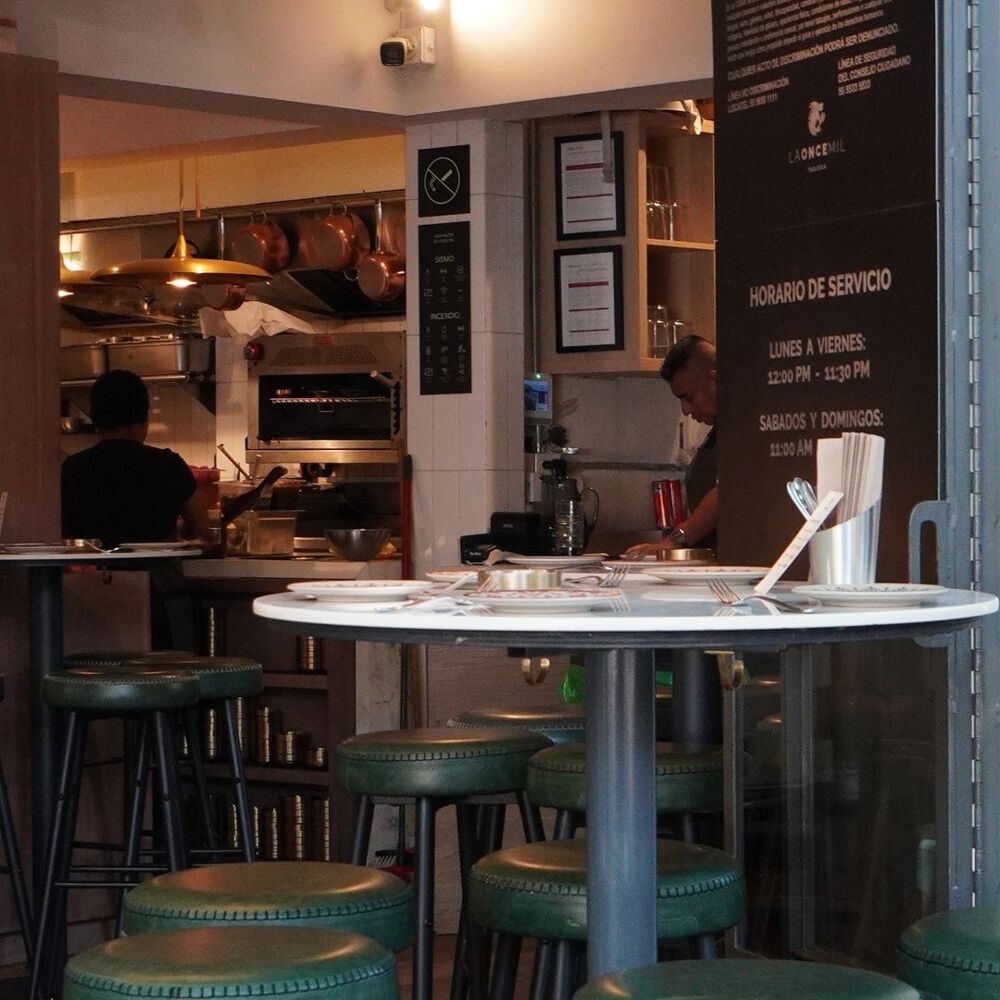
Bars in Huixquilucan
Browse all →

Onomura Interlomas
The wine
- Wine program
- Curated wine list
- Sake program
- Craft cocktails
Details
- Modern
- Elegant
- Sophisticated
- Date Night
- Special Occasion
- Open Kitchen
- Sake Program
- Craft Cocktails
- A La Carte
- Small Plates
- Sake Program
Current opening hours
- Monday
- 1–11 PM
- Tuesday
- 1 PM–12 AM
- Wednesday
- 1 PM–12 AM
- Thursday
- 1 PM–1 AM
- Friday
- 1 PM–1 AM
- Saturday
- 1 PM–1 AM
- Sunday
- 1–10 PM
Hours can change for holidays and private events. Last verified .
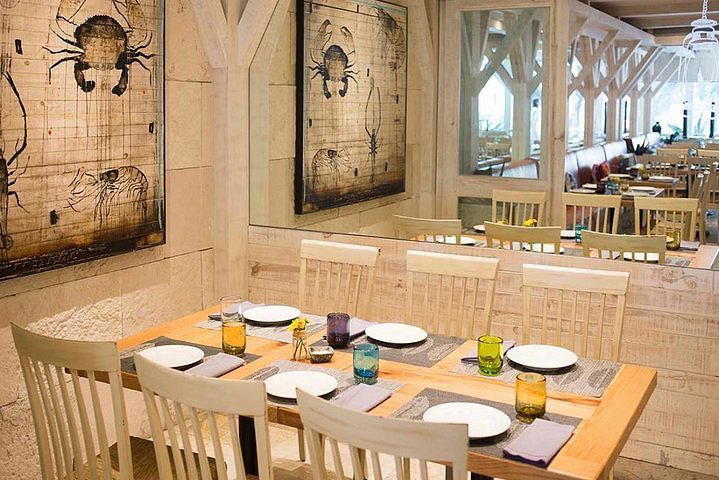
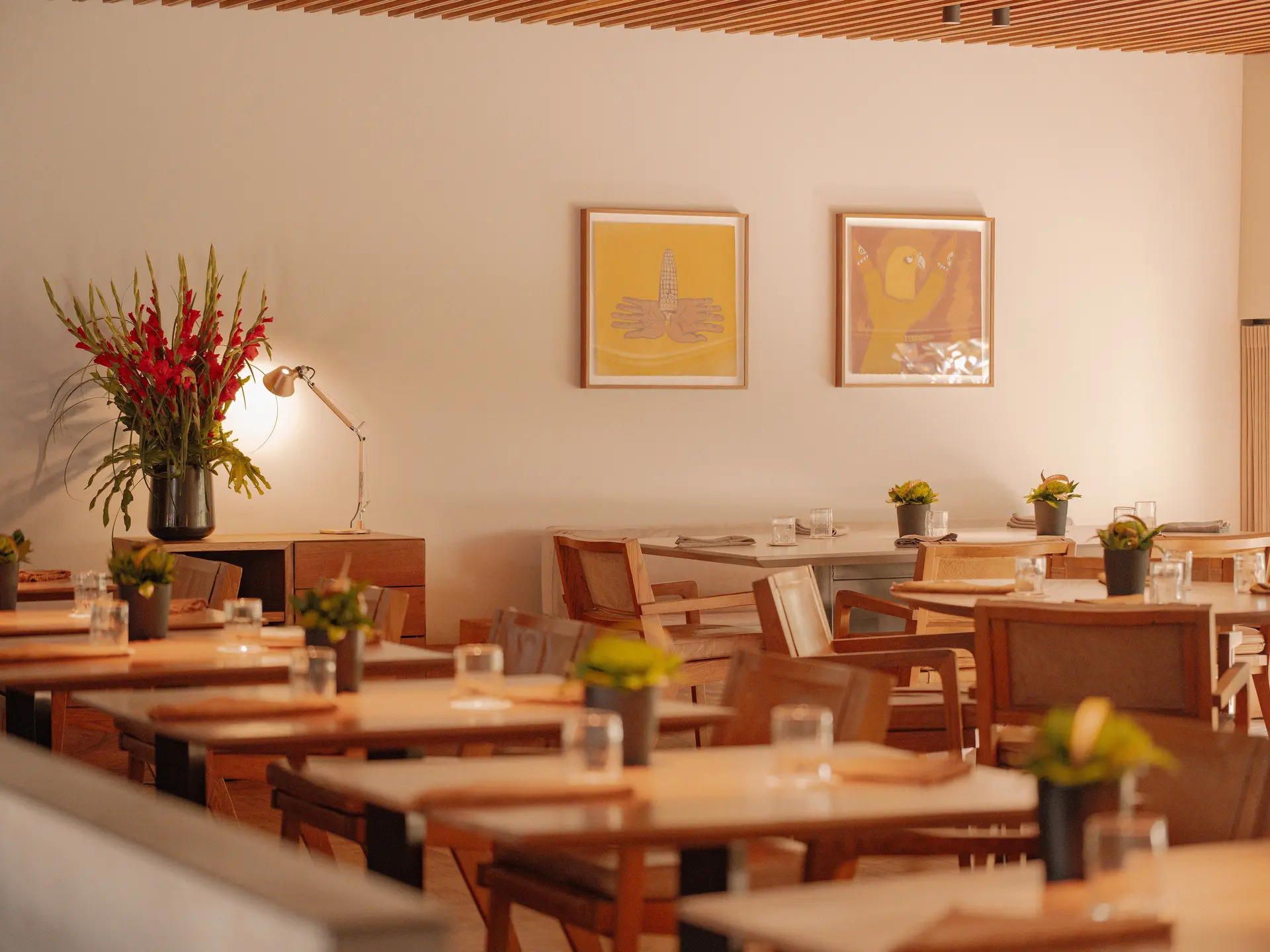
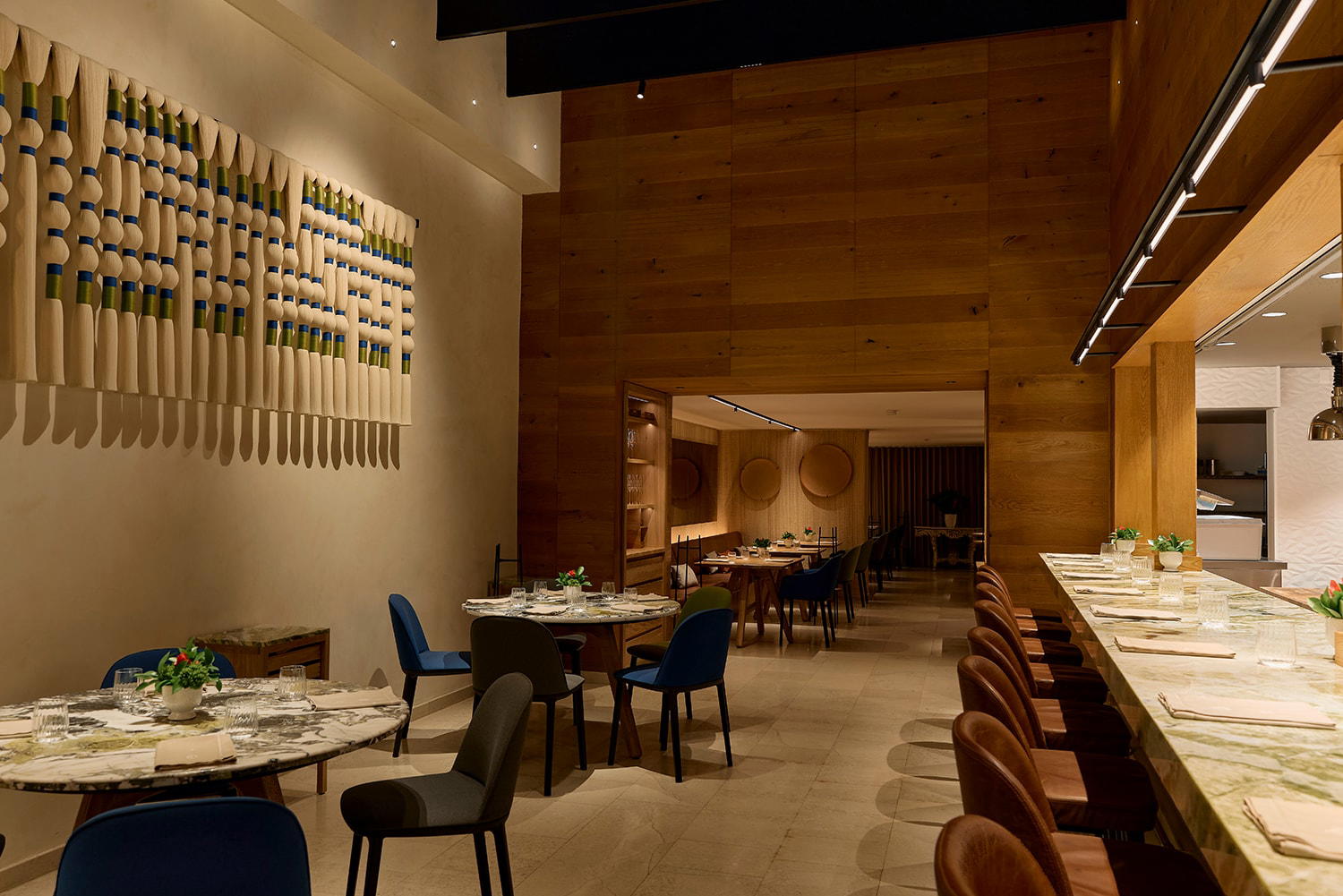
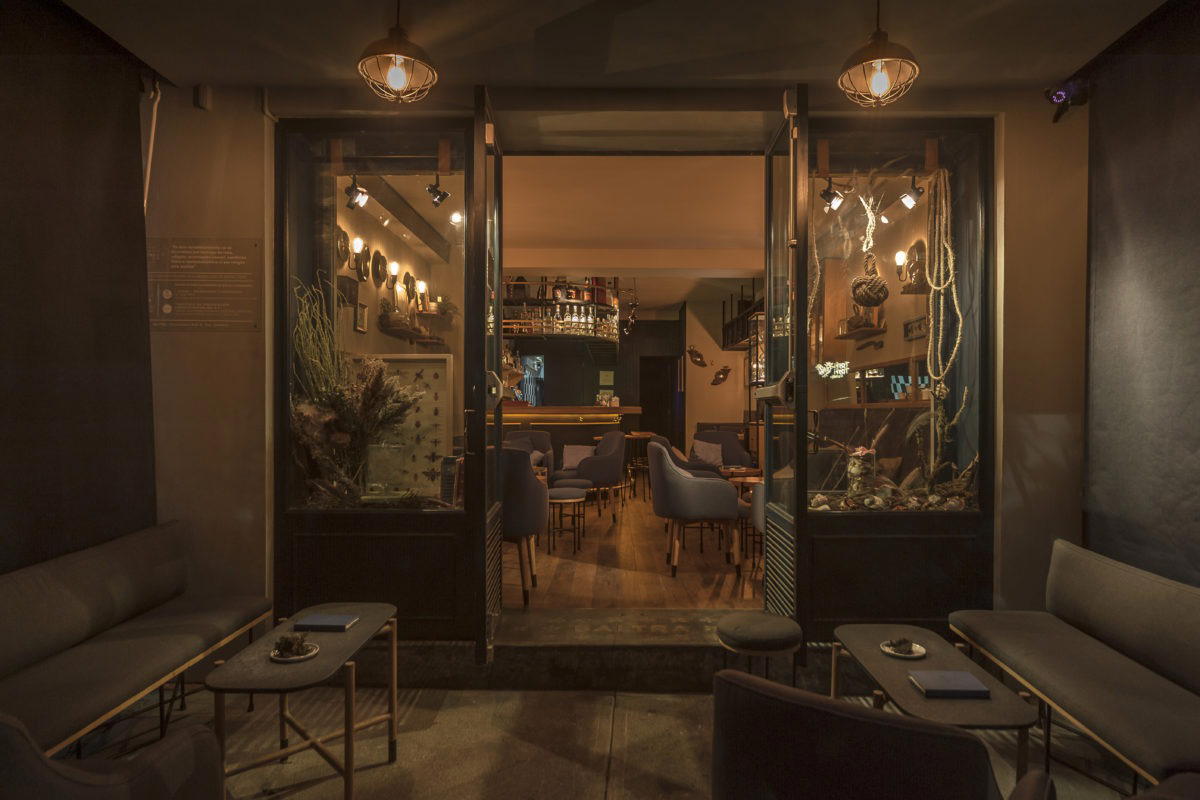
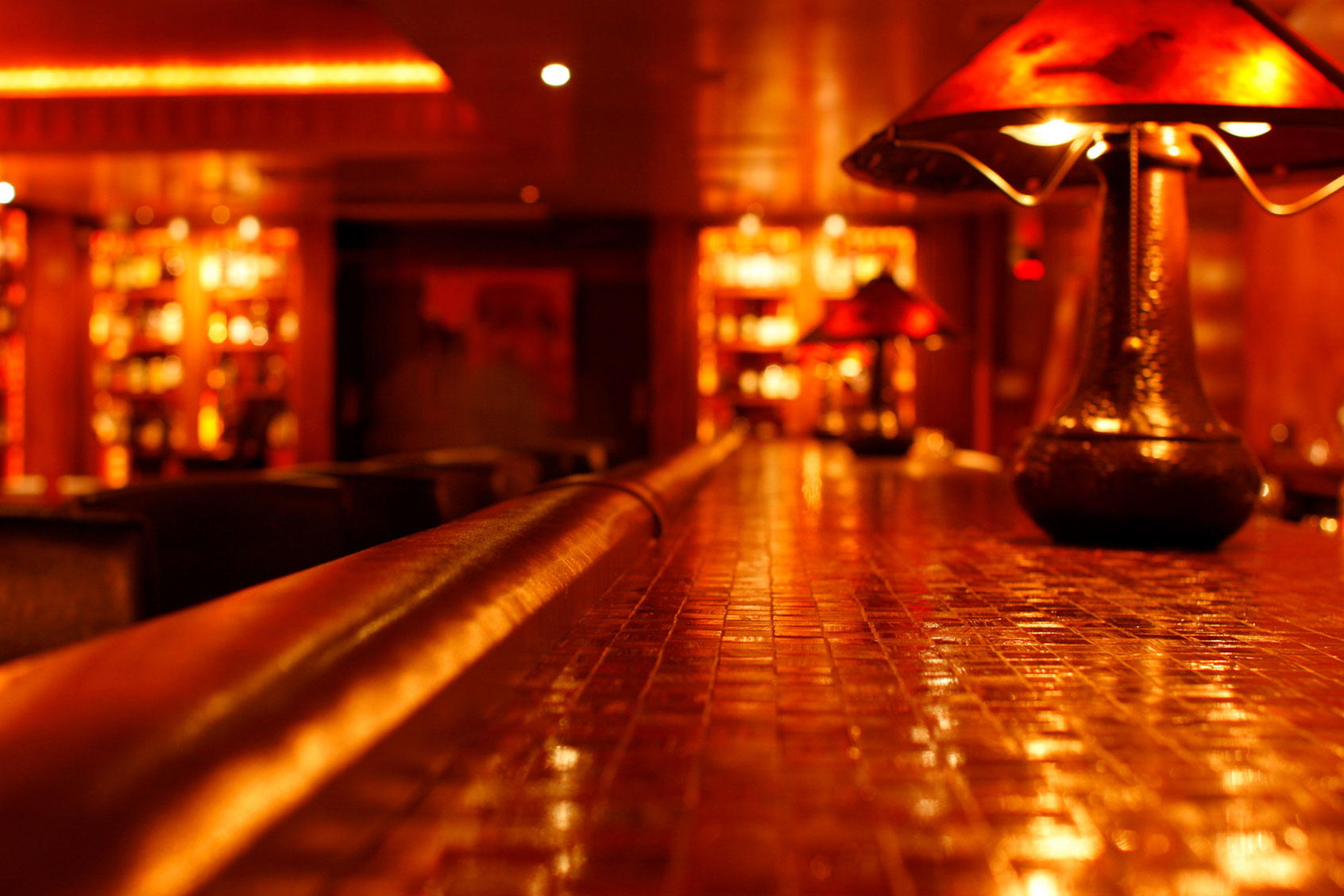
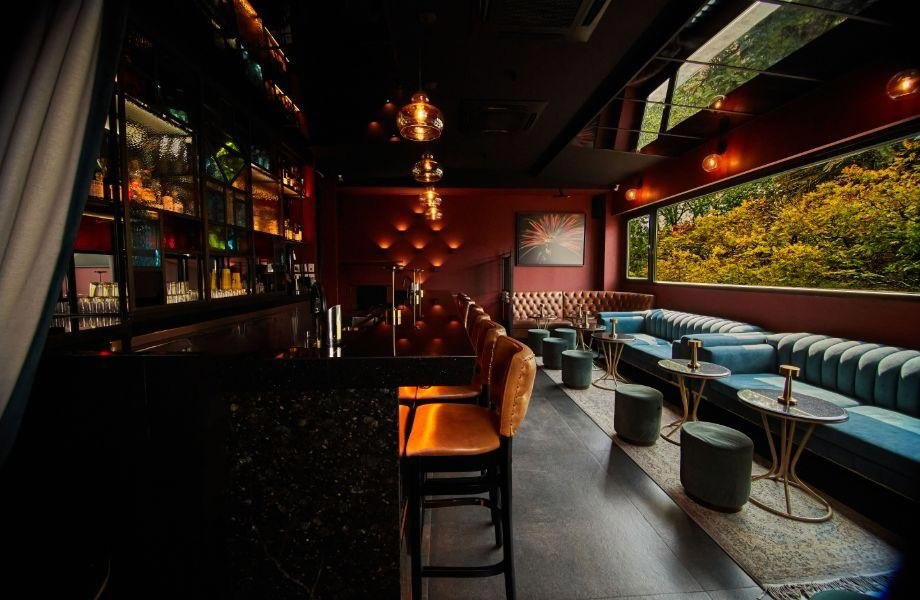
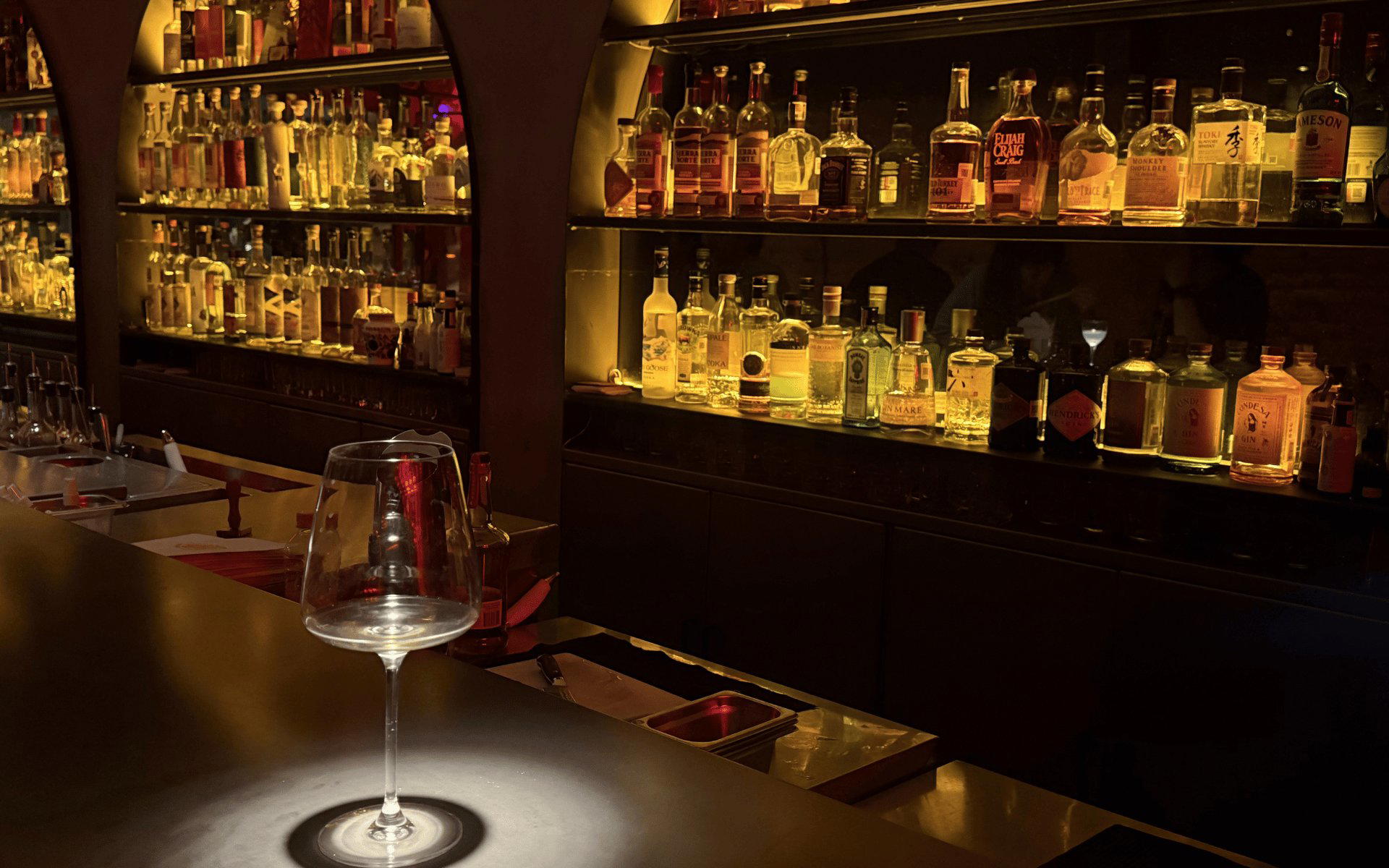
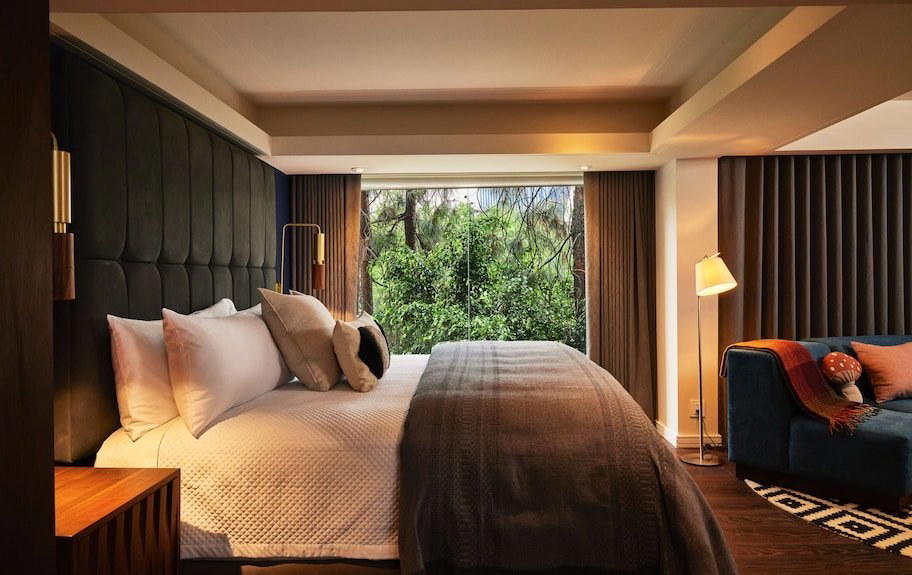
Modern and contemporary design with Japanese touches, apacible and elegant atmosphere highlighted by natural plants and trees, correct lighting.