El Japonez Interlomas
El Japonez Interlomas sits in Valle de las Palmas, Huixquilucan, where the west Mexico City suburbs have developed a serious dining corridor distinct from the capital's centros. The restaurant joins a cluster of international cuisine options in Interlomas that signals how far suburban Mexican dining has shifted from convenience to intention. For residents of the Estado de México commuter belt, it represents the Japanese dining option closest to home.
Pearl is the En Primeur Club membership app — saves, bookings, and concierge access live there. Same editors, same standards.
- Address
- BLVD. Palmas Hills 2 MZ II, Lote 1-2, Valle de las Palmas, 52787 Méx., Mexico
- Phone
- +525547809773
- Website
- eljaponez.com
- Directions
- Get directions
 Saves & bookings on Pearl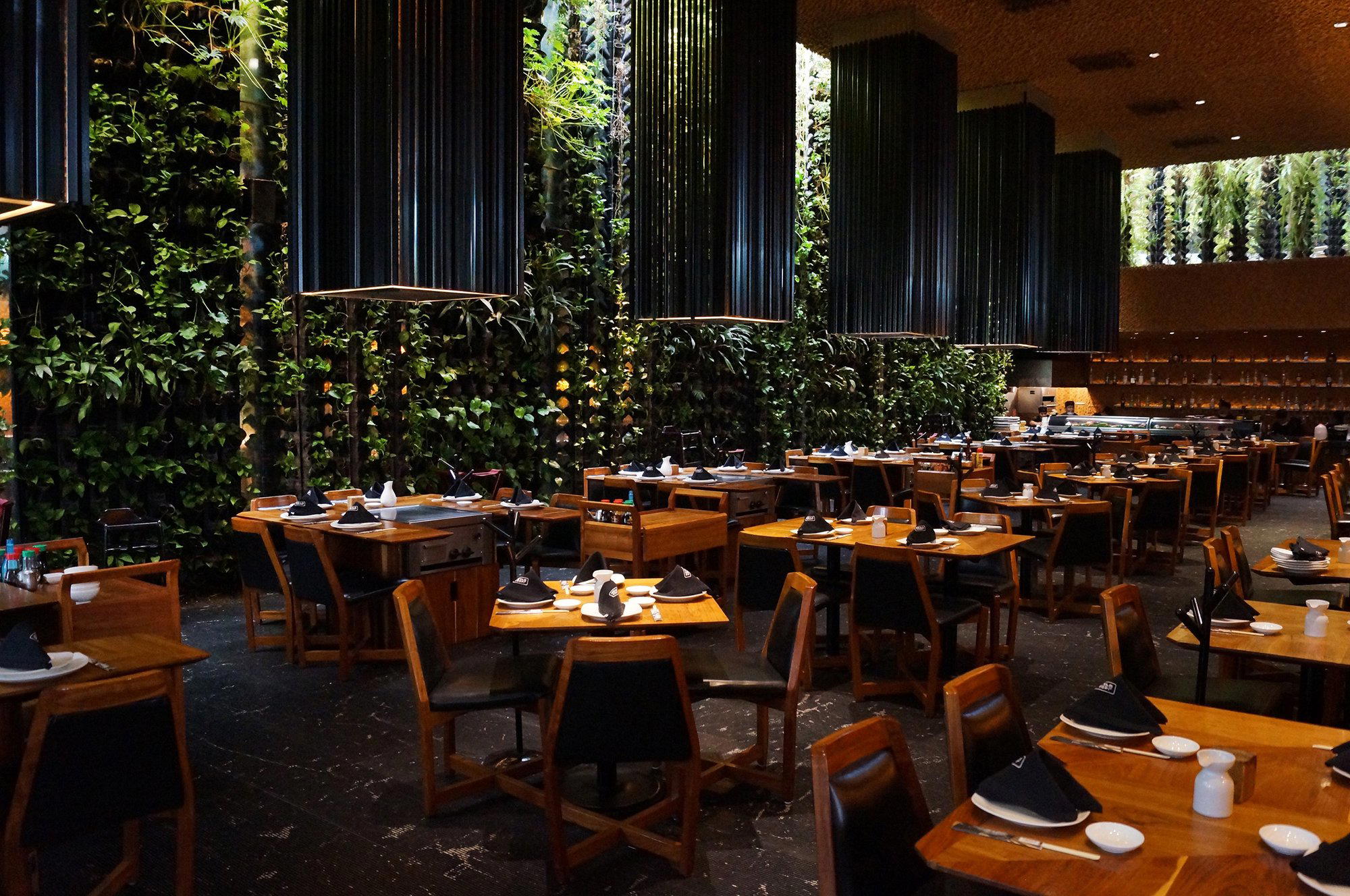
Where Suburban Mexico City Eats Japanese
The Interlomas corridor in Huixquilucan is not the Mexico City dining address that international food press tends to write about. It sits west of the capital proper, in Estado de México, in a residential and commercial zone that grew rapidly alongside the expansion of the Santa Fe business district. What Interlomas developed, over the past two decades, is a self-contained dining scene oriented around the professionals and families who live there rather than visitors passing through. The result is a neighbourhood restaurant culture that does not need to perform for tourists — it needs to work for regulars.
El Japonez Interlomas occupies a specific position in that local context. Japanese cuisine in Mexico's suburban corridors follows a pattern visible across Latin America's prosperous residential zones: the genre arrived through sushi bars, then spread into broader izakaya-adjacent formats, and is now common enough that diners in places like Interlomas can compare options rather than simply accept what exists. El Japonez lands on Boulevard Palmas Hills in Valle de las Palmas, a commercial address that puts it within reach of the broader Huixquilucan residential population without requiring a trip into the capital.
Interlomas as a Dining Zone
To understand El Japonez's position, it helps to map the wider Interlomas dining field. The area hosts a range of international formats. Barrita de Mar Interlomas covers the seafood register; Cambalache Interlomas occupies the Argentine-steakhouse tier; Ciao Mamma and Il Parmiggiano represent the Italian options that have been embedded in suburban Mexican dining for a generation. Japanese cuisine is not absent from the zone either — Japanika Interlomas is a direct competitor operating in the same area.
That competitive density matters. Diners in Interlomas choosing Japanese on a given evening have at least two credible options without leaving the zone. That is the kind of market pressure that tends to sharpen a restaurant's identity over time. Whether a venue leans into the raw-fish counter format, a broader cooked menu, or a specific regional Japanese influence becomes a differentiating choice rather than an aesthetic preference.
For broader context on how Mexican dining has evolved across the country's major cities and regions, the EP Club guides to Pujol in Mexico City, KOLI Cocina de Origen in Monterrey, Alcalde in Guadalajara, and Levadura de Olla Restaurante in Oaxaca trace distinct regional trajectories. Coastal fine dining at Le Chique in Puerto Morelos, HA' in Playa del Carmen, and Animalón in Valle de Guadalupe operates in a different register entirely, as does the northern restaurant culture represented by Pangea in San Pedro Garza Garcia and Lunario in El Porvenir. El Japonez is not part of that high-concept national conversation, it is a neighbourhood proposition, and that is precisely what makes it relevant to the Huixquilucan resident rather than the destination diner.
Japanese Cuisine in Mexico's Suburban Register
Mexico City's relationship with Japanese food has its own distinct shape. The Nikkei community established early roots in the capital, and the city's broader sushi culture developed along parallel lines to the Nikkei-influenced fusions of Lima and São Paulo, while also absorbing ingredients and techniques specific to Mexico. In suburban settings like Interlomas, that fusion dynamic typically settles into a pragmatic format: a menu that can anchor a family dinner, a business lunch, or a date, without requiring the same commitment as an omakase counter in Polanco or Roma Norte.
That format is distinct from what you would find at the technical end of the Japanese-food spectrum internationally. Places like Le Bernardin in New York City or Lazy Bear in San Francisco represent formats where the dining experience is structured around a tightly controlled sequence. Suburban Mexican Japanese dining works from a different set of priorities: accessibility, breadth of menu, and the ability to serve a table where three people want sashimi, one wants a cooked main, and someone else is ordering a teriyaki. That breadth is a feature of the format, not a compromise.
Getting There and Planning Your Visit
El Japonez Interlomas is addressed at Boulevard Palmas Hills 2, Manzana II, Lote 1-2, in Valle de las Palmas, Huixquilucan, Estado de México, with a postal code of 52787. The venue sits in the commercial spine of the Interlomas zone, accessible from the Periférico and from the internal road network that serves the surrounding residential developments. For those coming from Mexico City proper, Interlomas sits roughly at the edge of the capital's western urban reach, making it a realistic evening destination for Santa Fe workers or residents of Las Lomas and Bosques de las Lomas without requiring a full cross-city journey.
A broader picture of where El Japonez sits in Huixquilucan's dining options is available in our full Huixquilucan restaurants guide. For wine-forward dining of a different register, Olivea Farm to Table in Ensenada represents the Baja California end of the Mexican dining spectrum.
What This Address Tells You
The fact that Interlomas now sustains two Japanese restaurants in proximity is a useful signal about the zone's dining maturity. A neighbourhood that can support that level of competition in a single cuisine category has moved past the point where any single venue dominates by default. For El Japonez, that means the work of earning and keeping regulars is ongoing rather than settled. The address on Palmas Hills is a commercial one, designed for foot traffic and vehicular access from the surrounding residential fabric, which gives the venue a practical advantage in visibility without requiring the kind of destination-dining reputation that drives traffic to harder-to-find spots.
In the context of Huixquilucan's evolving restaurant corridor, El Japonez Interlomas is leading understood as a local anchor rather than a regional draw, a venue whose relevance is measured by frequency of visit and neighbourhood loyalty rather than by placement in national or international rankings.
Continue exploring
More in Huixquilucan
Restaurants in Huixquilucan
Browse all →
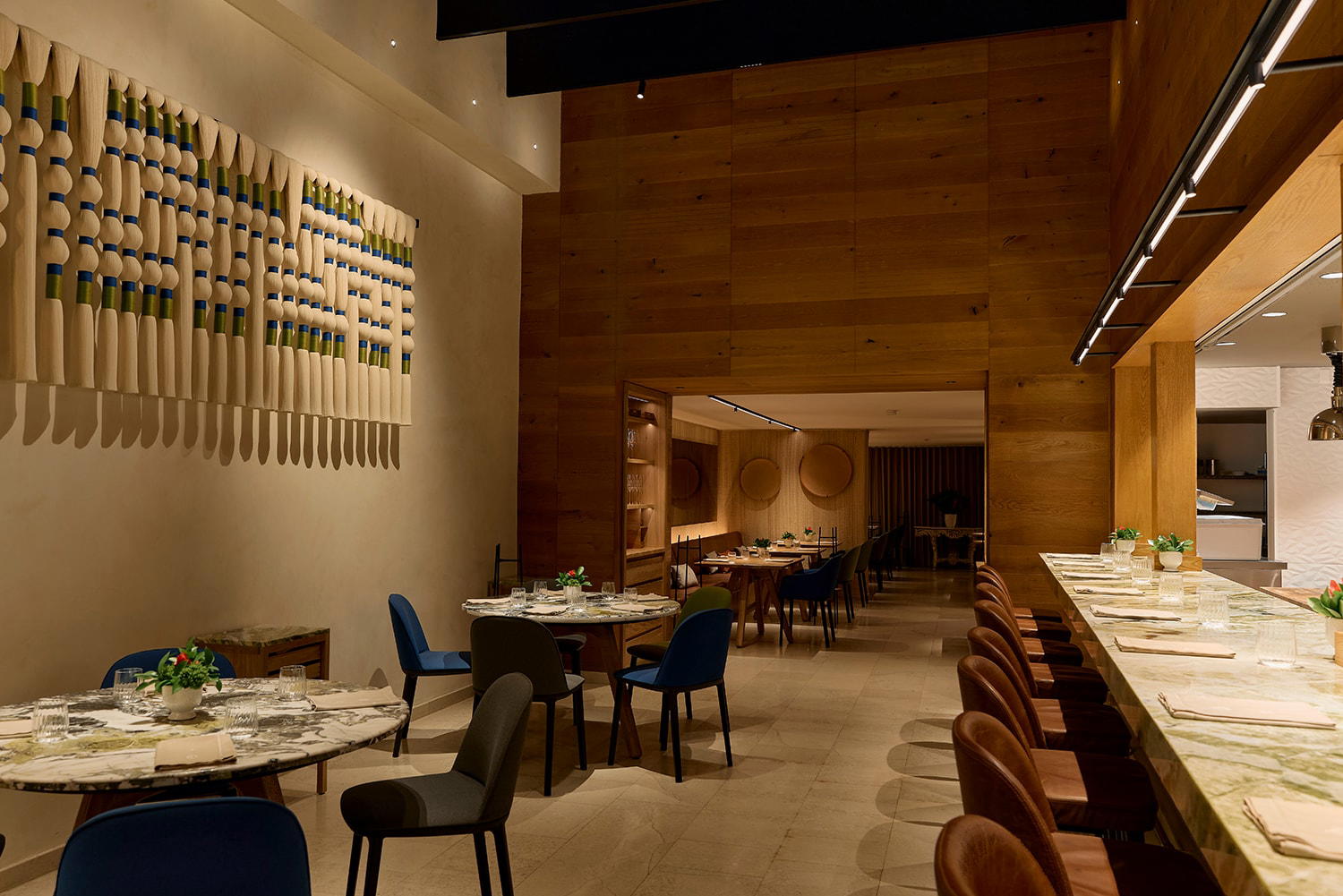
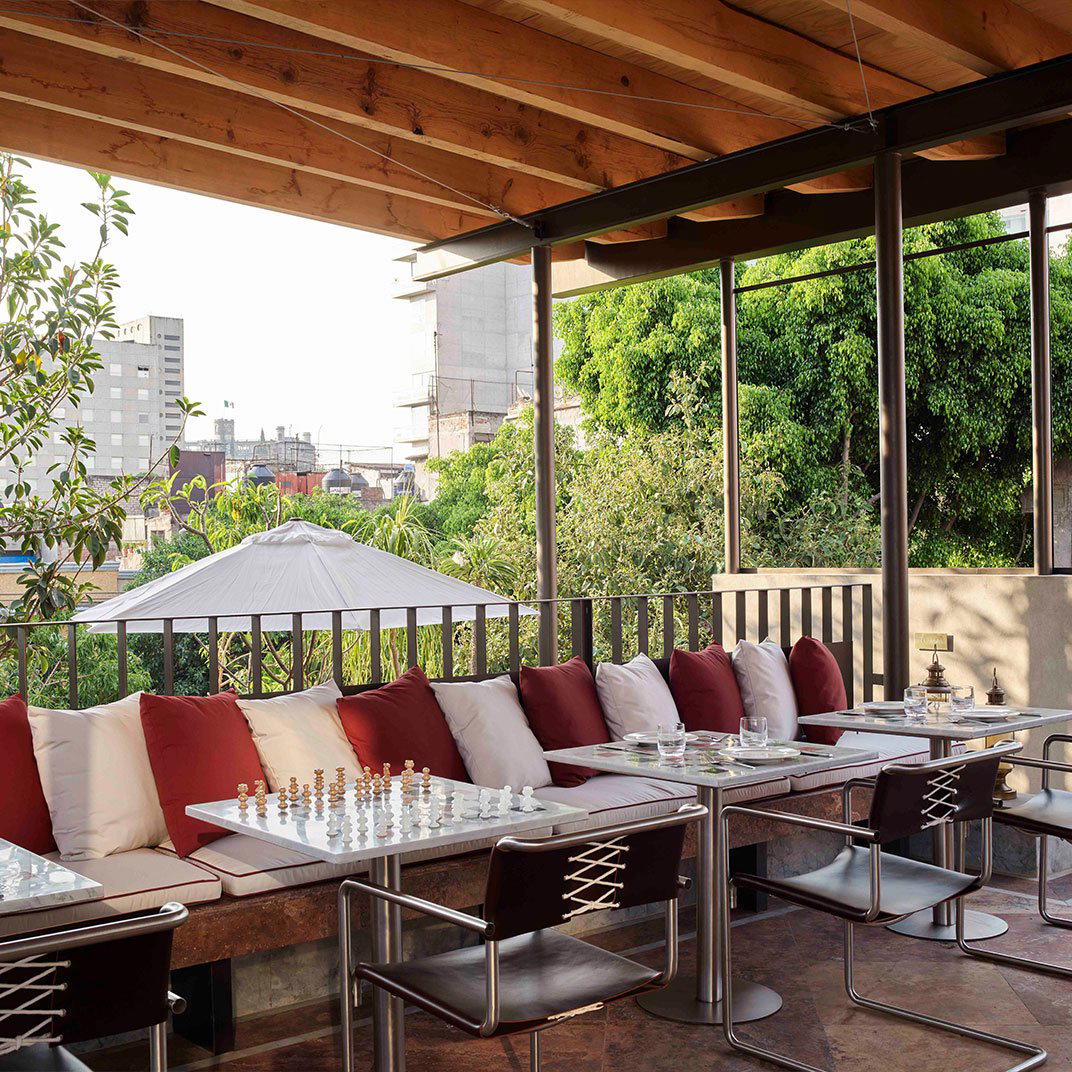
Bars in Huixquilucan
Browse all →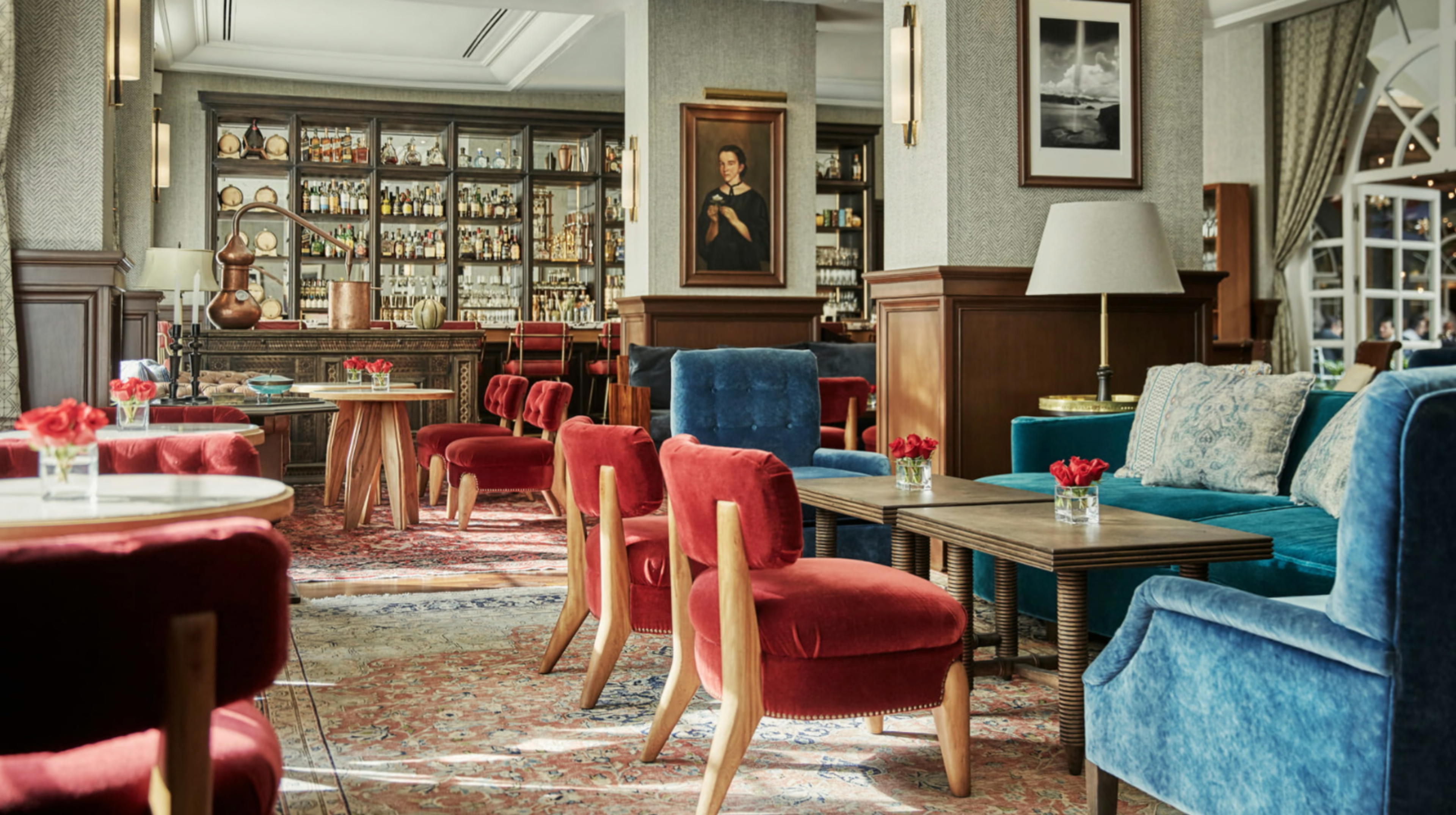


At a Glance
- Modern
- Trendy
- Elegant
- Sophisticated
- Celebration
- Family
- Group Dining
- Date Night
- Open Kitchen
- Private Dining
- Craft Cocktails
- Sake Program
- Sustainable Seafood
Current opening hours
- Monday
- 1 PM–12 AM
- Tuesday
- 1 PM–12 AM
- Wednesday
- 1 PM–12 AM
- Thursday
- 1 PM–1 AM
- Friday
- 1 PM–1 AM
- Saturday
- 1 PM–1 AM
- Sunday
- 1–10 PM
Hours can change for holidays and private events. Last verified .
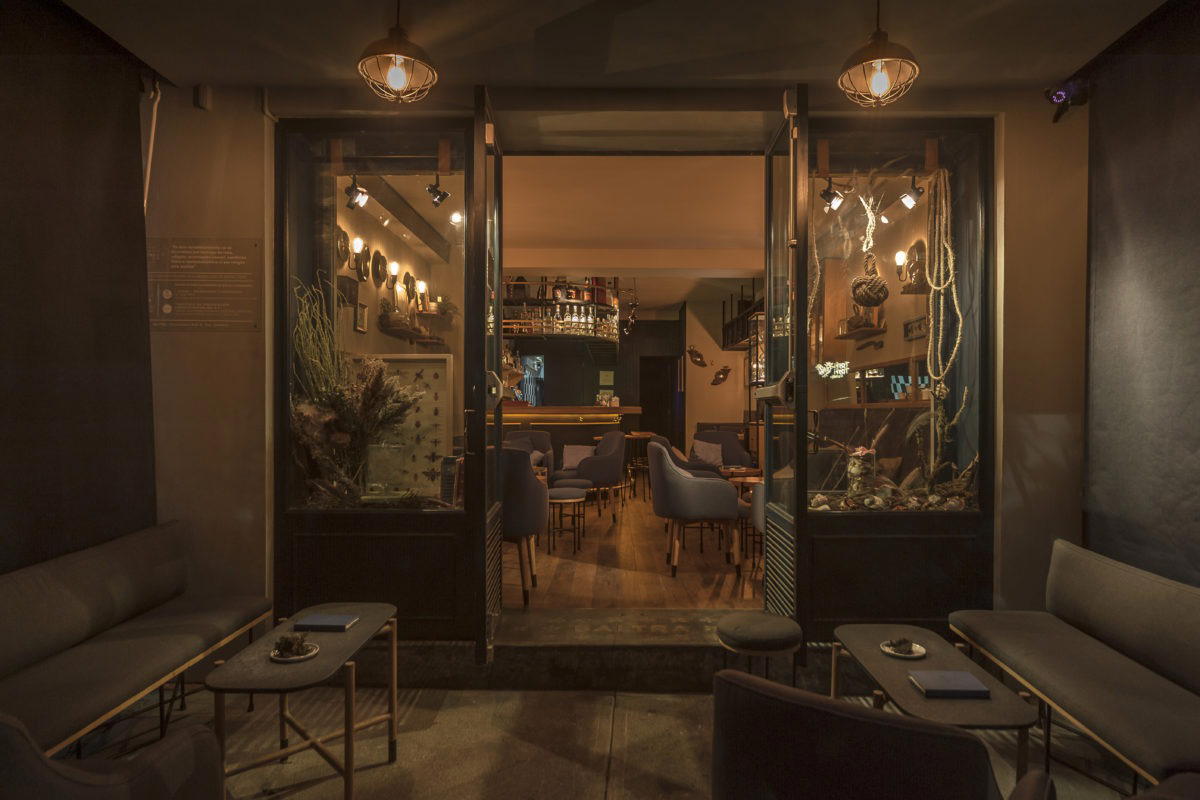
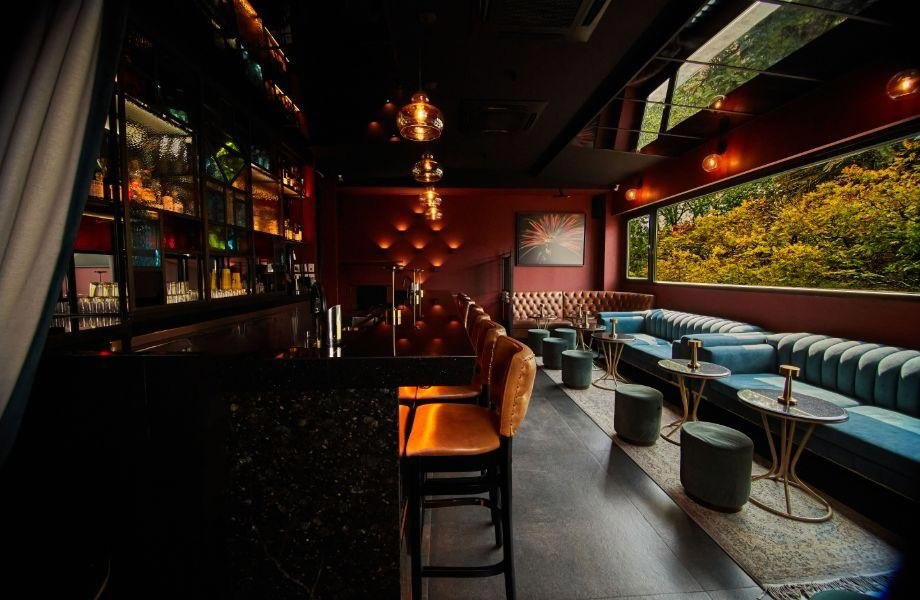
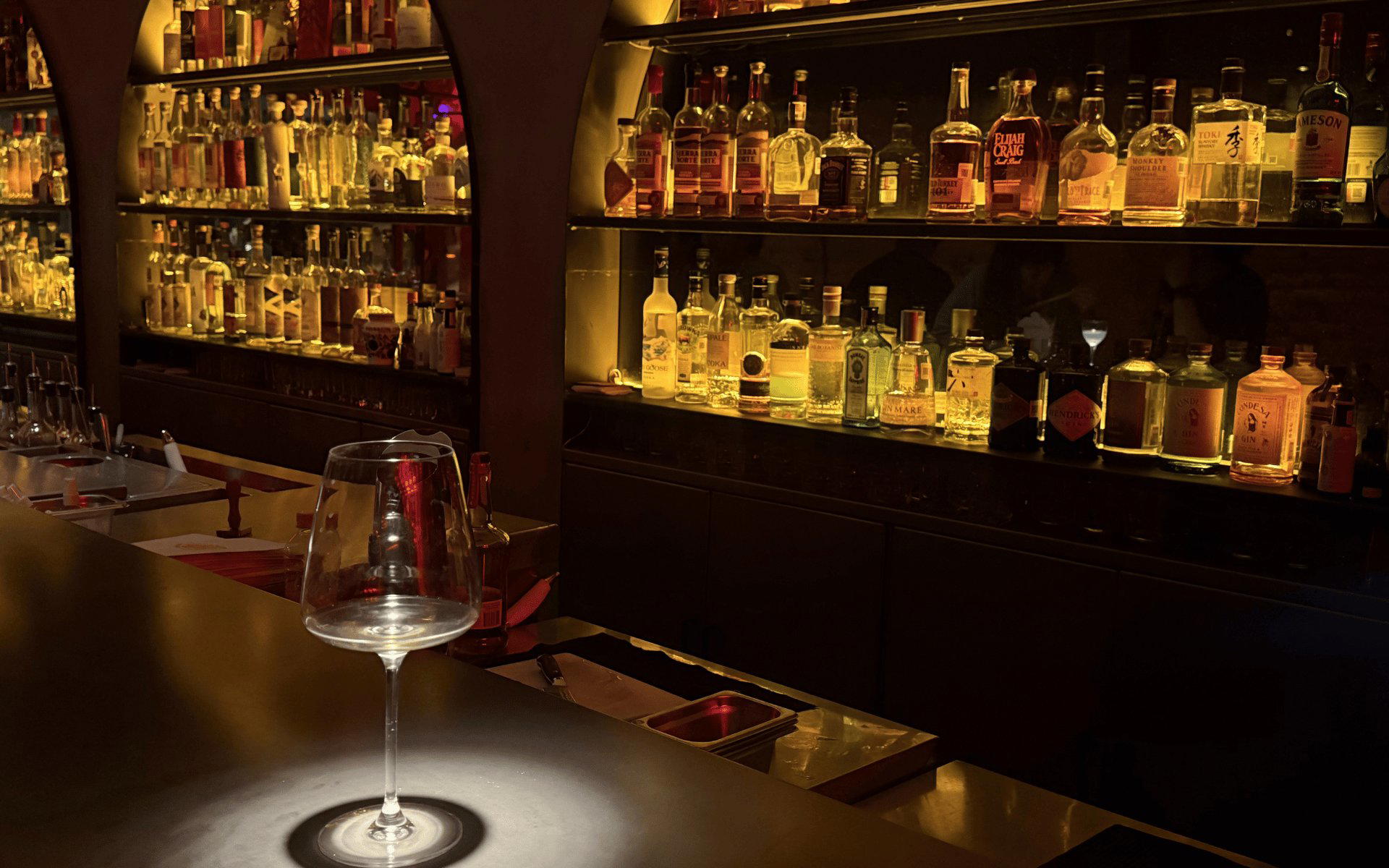
Contemporary pop and electro pop music in a sophisticated yet informal space featuring stone, wood, and gold-tone details that create a warm and welcoming atmosphere.
Know Before You Go
- Getting there
- BLVD. Palmas Hills 2 MZ II, Lote 1-2, Valle de las Palmas, 52787 Méx., Mexico