Japanika Interlomas
Japanika Interlomas sits on Pasaje Interlomas in La Herradura, a stretch of Huixquilucan where Japanese-inflected cooking has found a consistent local following. The restaurant occupies a residential-commercial corridor that has become one of the area's more concentrated dining addresses, where cuisines from Argentine grill to Italian sit within a few minutes' walk. For western Mexico City visitors, it represents a practical entry point into the neighborhood's compact dining circuit.
Pearl is the En Primeur Club membership app — saves, bookings, and concierge access live there. Same editors, same standards.
- Address
- Pje. Interlomas 22, La Herradura, 52786 Naucalpan de Juárez, Méx., Mexico
- Phone
- +525552902232
- Website
- grupojapanika.online
- Directions
- Get directions
 Saves & bookings on Pearl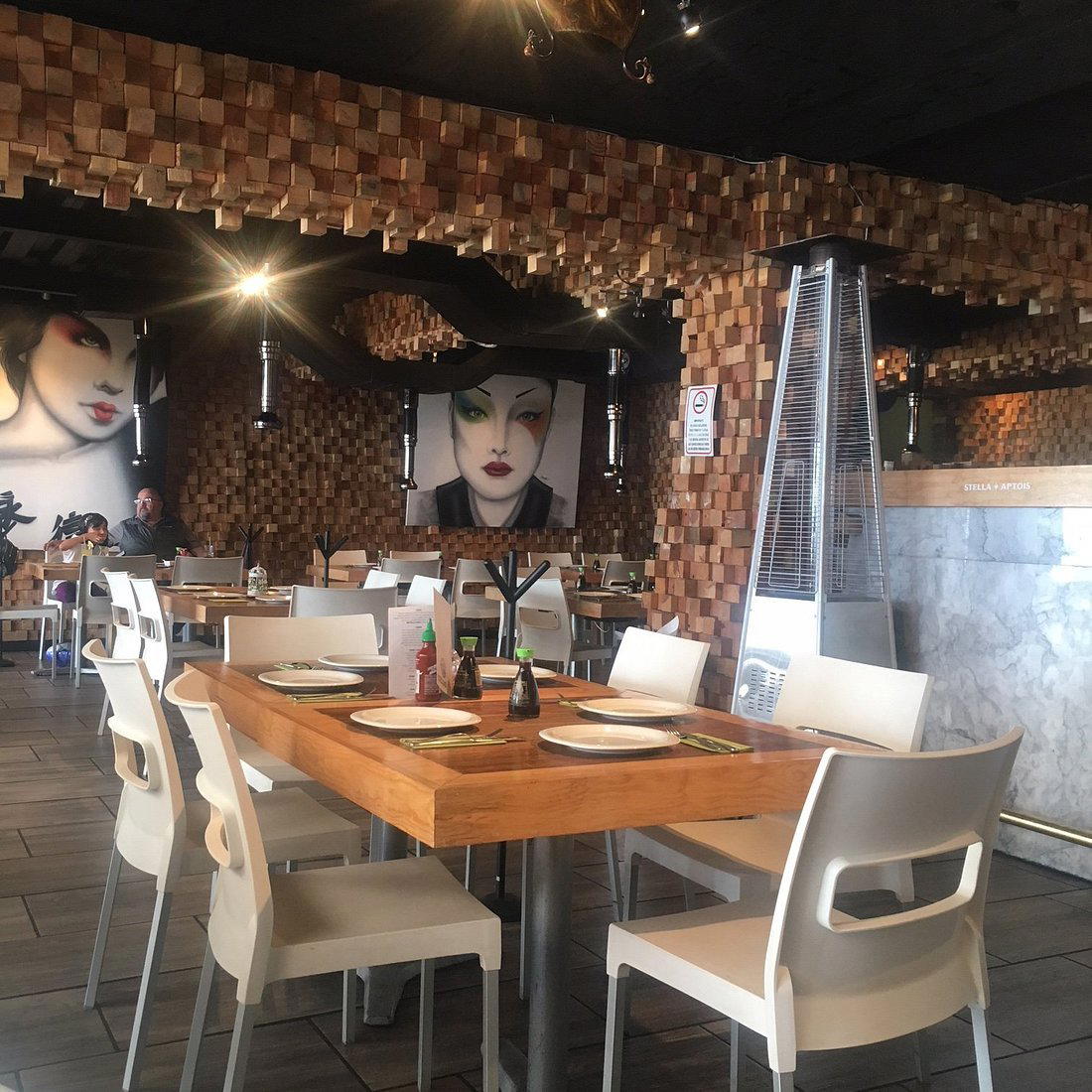
Where La Herradura's Dining Corridor Meets Japanese Influence
Pasaje Interlomas, the pedestrian passage running through La Herradura in Huixquilucan, has developed into one of the more self-contained dining addresses on the western fringe of greater Mexico City. The corridor does not announce itself with grand architecture or wide boulevards. It operates more quietly: a compressed sequence of restaurant fronts serving a residential population that has increasingly strong expectations about what a neighborhood table should deliver. Within that context, Japanese-influenced cooking has staked a real claim. El Japonez Interlomas holds one position in that sub-category; Japanika Interlomas holds another, and the two define a local competitive set that would be unremarkable in central Mexico City but carries more weight here, where alternatives require a car.
The approach to Japanika follows the rhythm of the pasaje itself: covered walkways, low ambient noise relative to open-street dining, and a sense that the clientele comes from within a few kilometers rather than across the city. That geographic concentration is not incidental. It shapes what the kitchen has to deliver consistently, because the margin for error with a repeat-visit local audience is considerably smaller than with transient tourist traffic.
Japanese Cooking in a Mexican Suburb: What the Sourcing Question Actually Means
The ingredient question is one that serious Japanese restaurants everywhere in Latin America have had to answer, and Mexico is no exception. The country's fishing ports, particularly along the Pacific coast, produce fish that can credibly supply Japanese-style preparations, but the supply chain between those ports and a suburban Huixquilucan kitchen is neither short nor simple. Restaurants in this tier, operating outside the premium dining corridors of Polanco or Condesa, tend to source through wholesale distributors rather than direct pier relationships. That is a structural reality of the category, not a criticism of any single venue.
Where the sourcing argument becomes more interesting is in the use of locally available ingredients that sit comfortably inside Japanese technique: avocado, which Mexico produces at scale and quality that needs no qualification; citrus varieties that substitute credibly for yuzu in certain applications; and a range of tropical fish species that, when handled correctly, perform well under Japanese cutting and curing methods. Animalón in Valle de Guadalupe has demonstrated what a disciplined sourcing philosophy looks like when a kitchen commits to it fully. At the Interlomas tier, the ambition is narrower, but the local-ingredient logic still applies where kitchens are paying attention.
For comparison, the sourcing conversation at the top of Mexico's dining table involves operations like Pujol in Mexico City, where provenance is a documented part of the editorial identity. Suburban Japanese restaurants operate in a different register, but the underlying question of where the fish and produce originate is no less relevant to the dining experience. Olivea Farm to Table in Ensenada and HA' in Playa del Carmen both frame that sourcing identity explicitly. Japanika operates without that level of public documentation, which means the reader should approach the experience with calibrated expectations about provenance transparency.
The Interlomas Dining Circuit: Where Japanika Sits
Huixquilucan's restaurant density along Pasaje Interlomas means that Japanika competes directly with a diverse set of references within walking distance. Cambalache Interlomas anchors the Argentine grill end of the corridor, while Ciao Mamma and Il Parmiggiano represent the Italian flank. Barrita de Mar Interlomas adds a seafood-forward alternative. That concentration means diners in La Herradura have real optionality, and a Japanese restaurant in this strip is not filling a gap so much as competing for a considered choice among several credible alternatives.
The competitive logic here is similar to what you find in other affluent suburban corridors across Mexican cities. Pangea in San Pedro Garza García operates in a neighborhood where the dining standards are set by residents with sophisticated reference points, and the kitchen has to meet those expectations without the visibility of a city-center location. Interlomas functions on a comparable social logic, if at a different price tier. KOLI Cocina de Origen in Monterrey and Alcalde in Guadalajara both demonstrate what happens when a kitchen in a non-capital city takes its local audience seriously. The Interlomas corridor is a different scale, but the social contract with a repeat-visit local clientele is the same.
For context on what Japanese cooking looks like at the technically demanding end of the global spectrum, Atomix in New York City and Le Bernardin in New York City represent the kind of reference points that serious diners carry when they think about precision fish cookery. Japanika does not operate in that register, but those references inform the expectations that an internationally traveled local clientele brings to any table presenting Japanese-style preparations.
Planning Your Visit
Japanika Interlomas is located at Pje. Interlomas 22, La Herradura, 52786 Naucalpan de Juárez, in the municipality of Huixquilucan, Estado de México. The pasaje address means the entrance is pedestrian-oriented, and arrival by car requires using nearby parking rather than street access directly in front. From central Mexico City, the western expressway routes put Interlomas approximately 30 to 40 minutes away depending on traffic, with congestion on Reforma and the Periférico during peak evening hours making weeknight timing a meaningful variable. Weekend lunch and early dinner slots tend to ease the transit burden considerably.
No phone, hours, or booking data is available in our current records for Japanika. Given the suburban location and local clientele profile, a direct walk-in approach is plausible for weekday service, but weekend evenings along the pasaje tend to fill across all venues. For a broader picture of what the neighborhood offers, the full Huixquilucan restaurants guide maps the corridor in more detail. Those planning a day that combines dining and regional exploration should also consider that Lunario in El Porvenir and Levadura de Olla Restaurante in Oaxaca represent alternative destinations for diners building a longer Mexico itinerary around serious restaurant experiences.
Comparable Japanese-influenced restaurants in suburban Mexico City corridors generally sit in the mid-range bracket for the local market, above casual fast-casual but below the premium omakase tier that commands significant per-head spend. The neighborhood's demographic profile suggests the kitchen is cooking for an audience accustomed to quality, even if the format is accessible rather than ceremonial.
Continue exploring
More in Huixquilucan
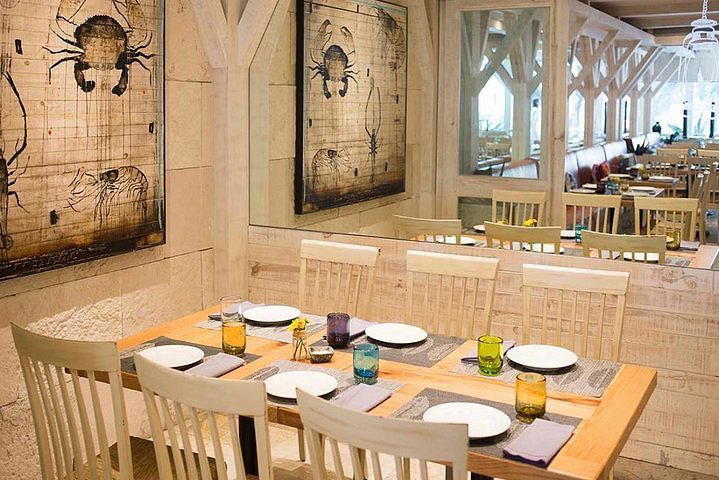
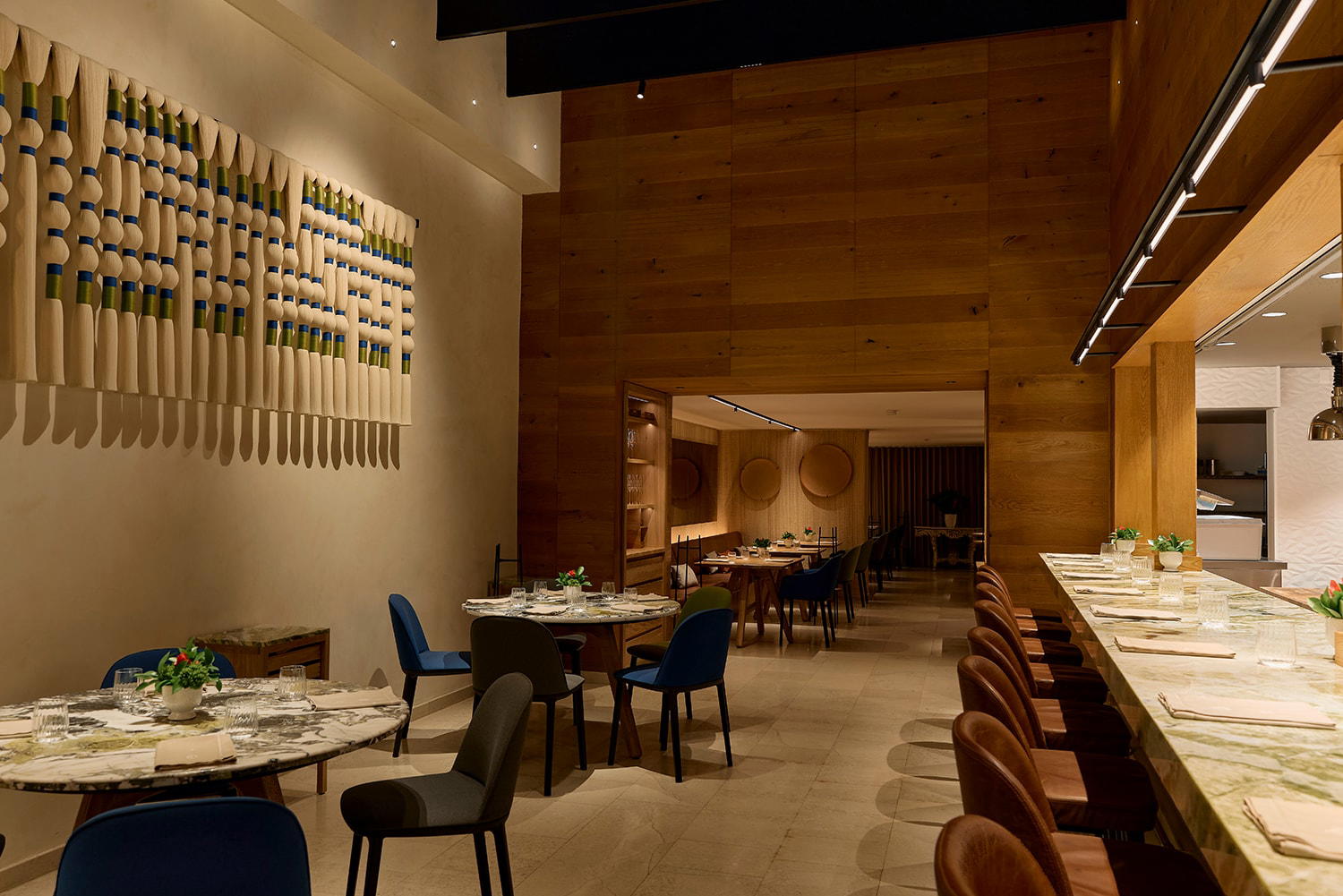
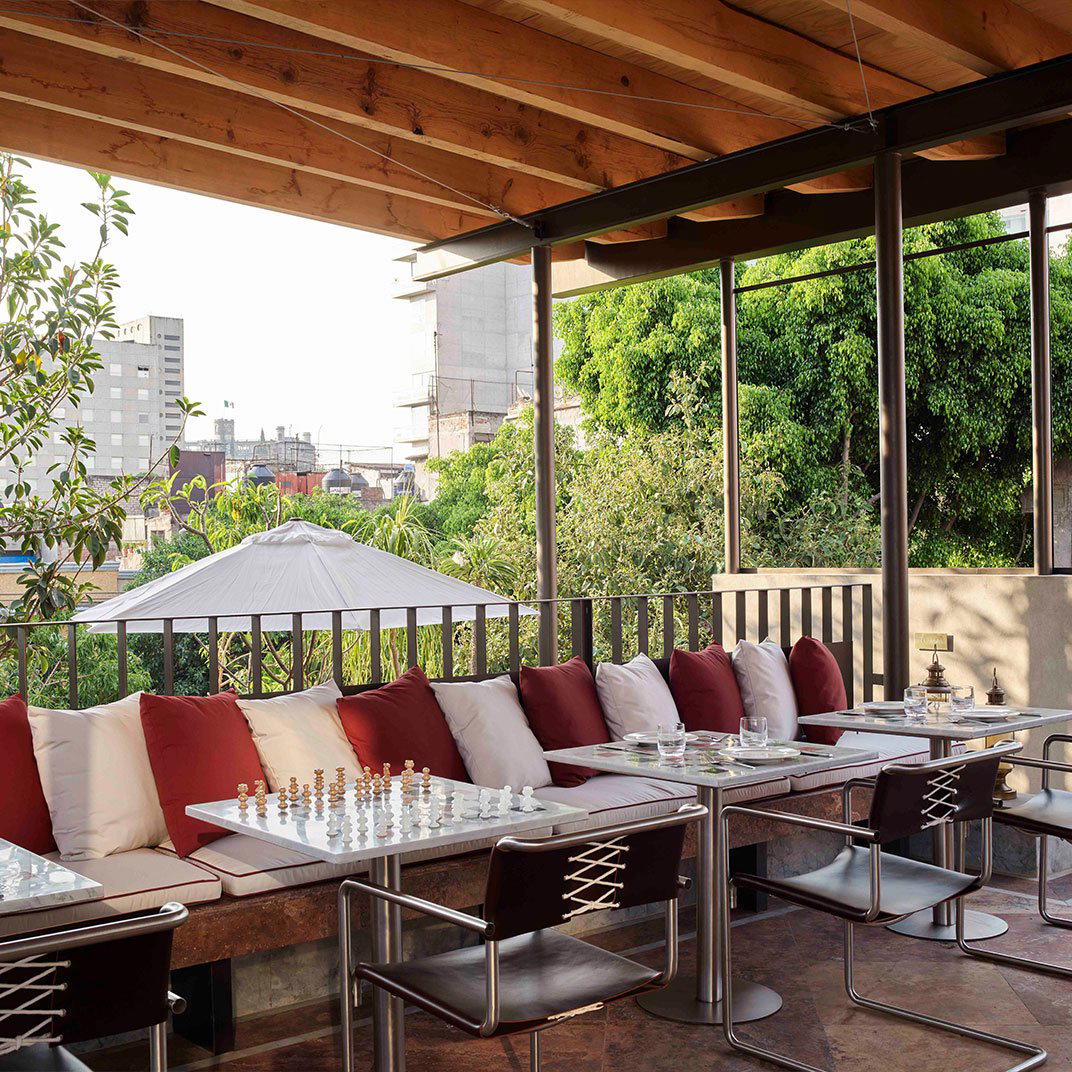
Restaurants in Huixquilucan
Browse all →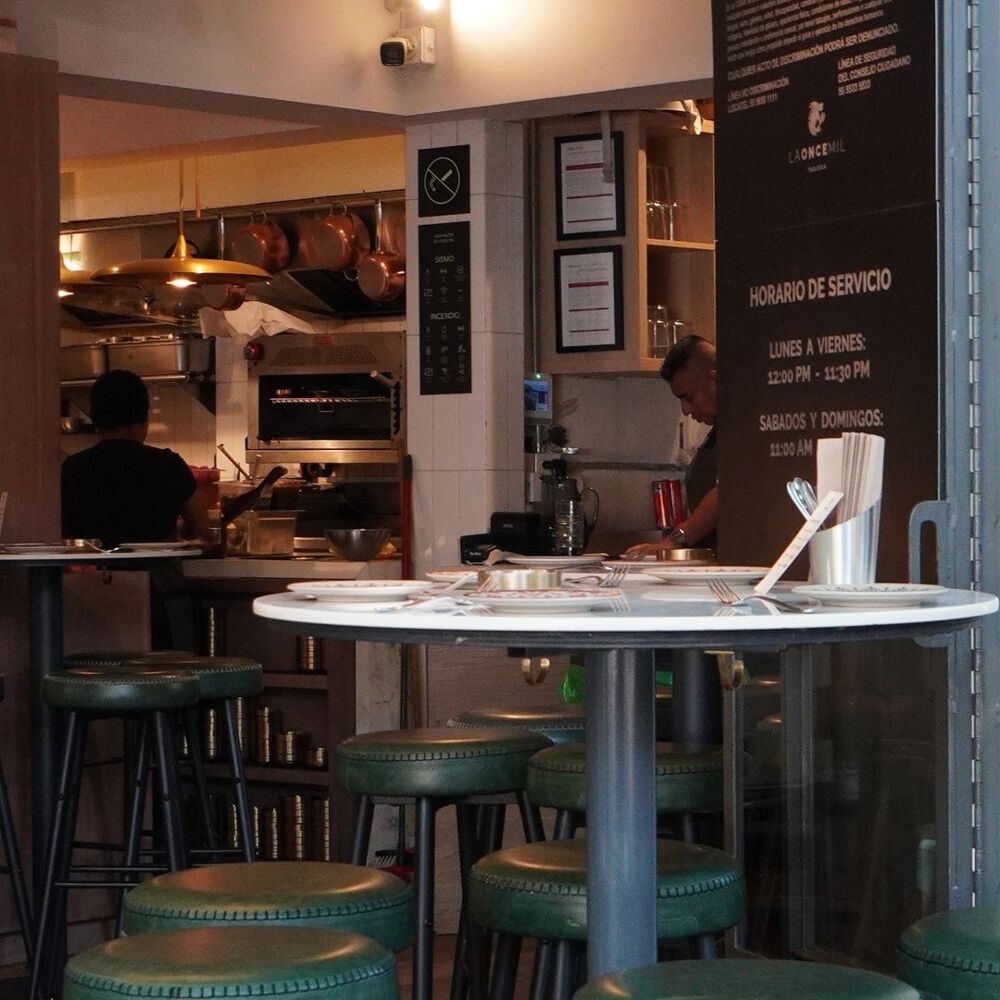
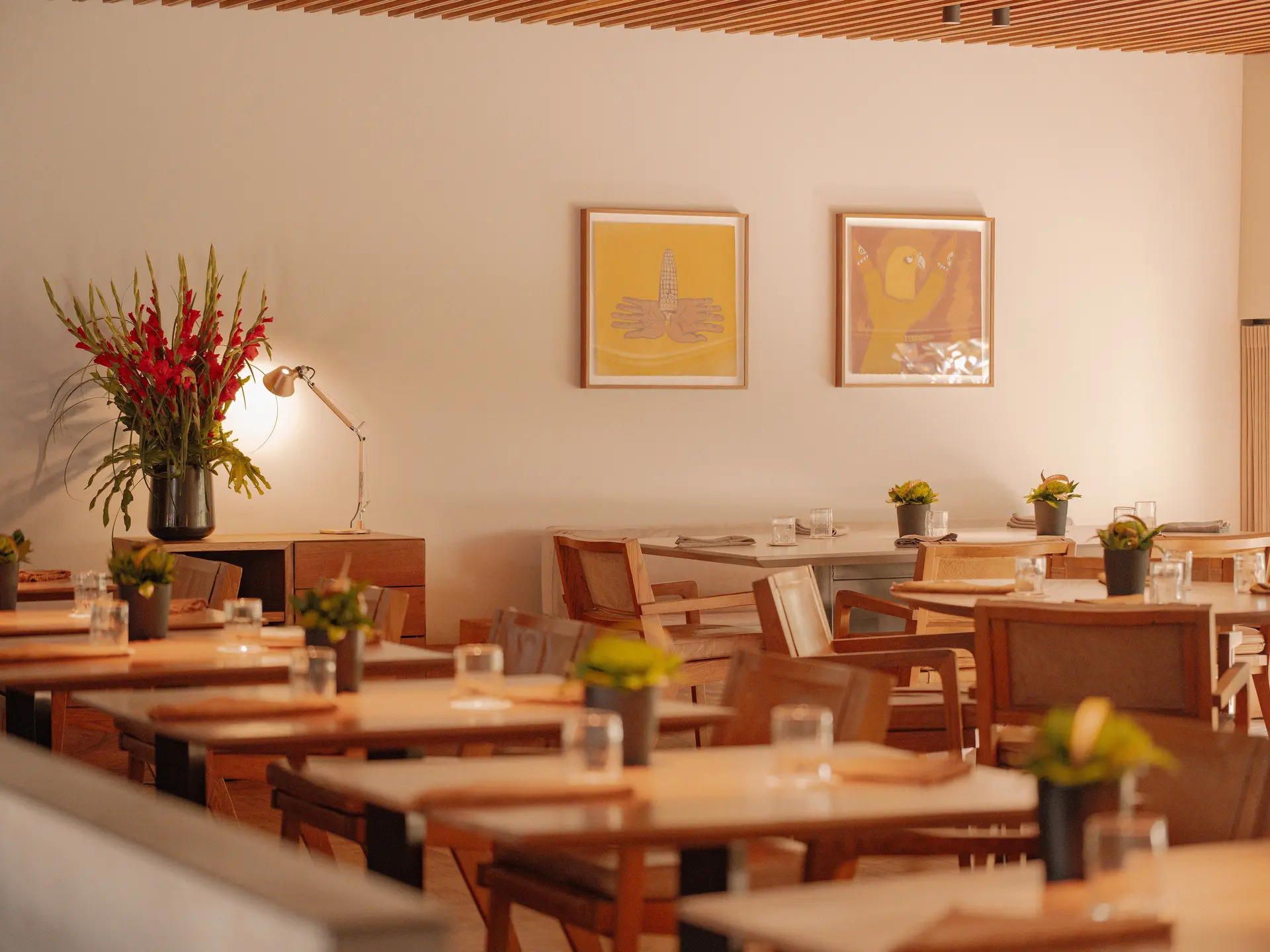
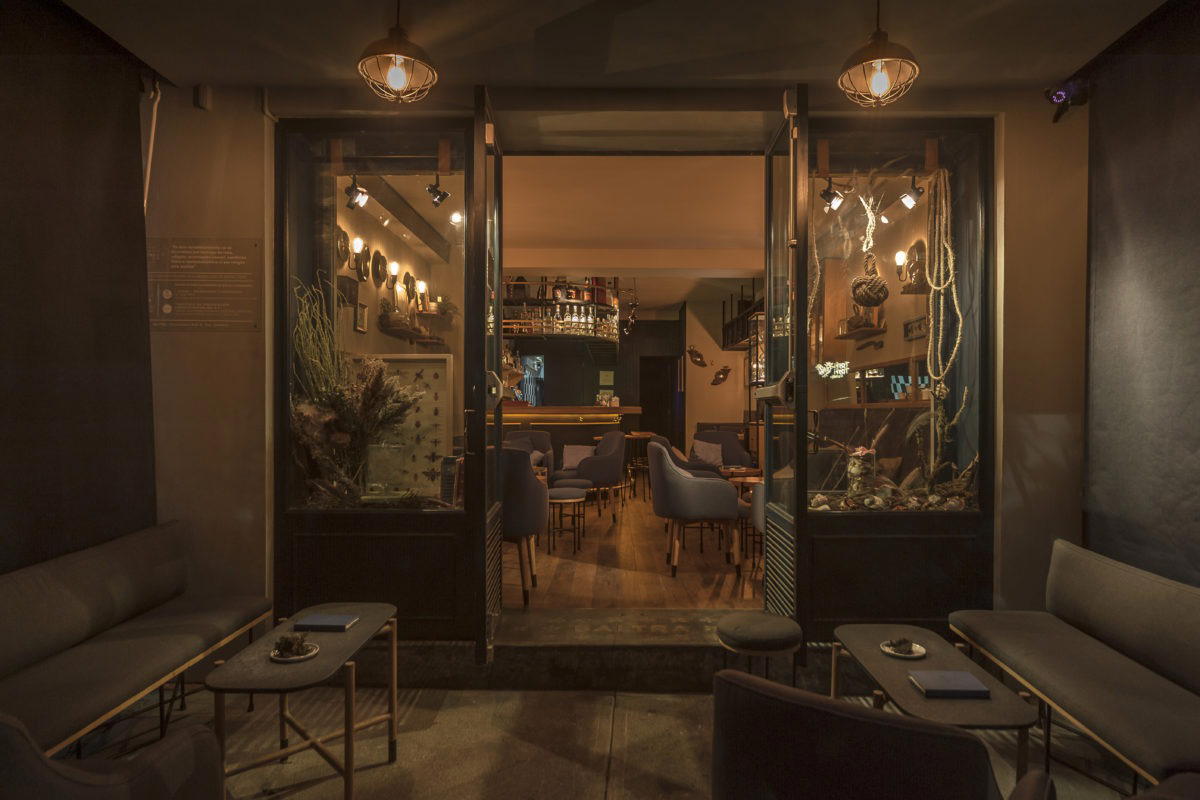
Bars in Huixquilucan
Browse all →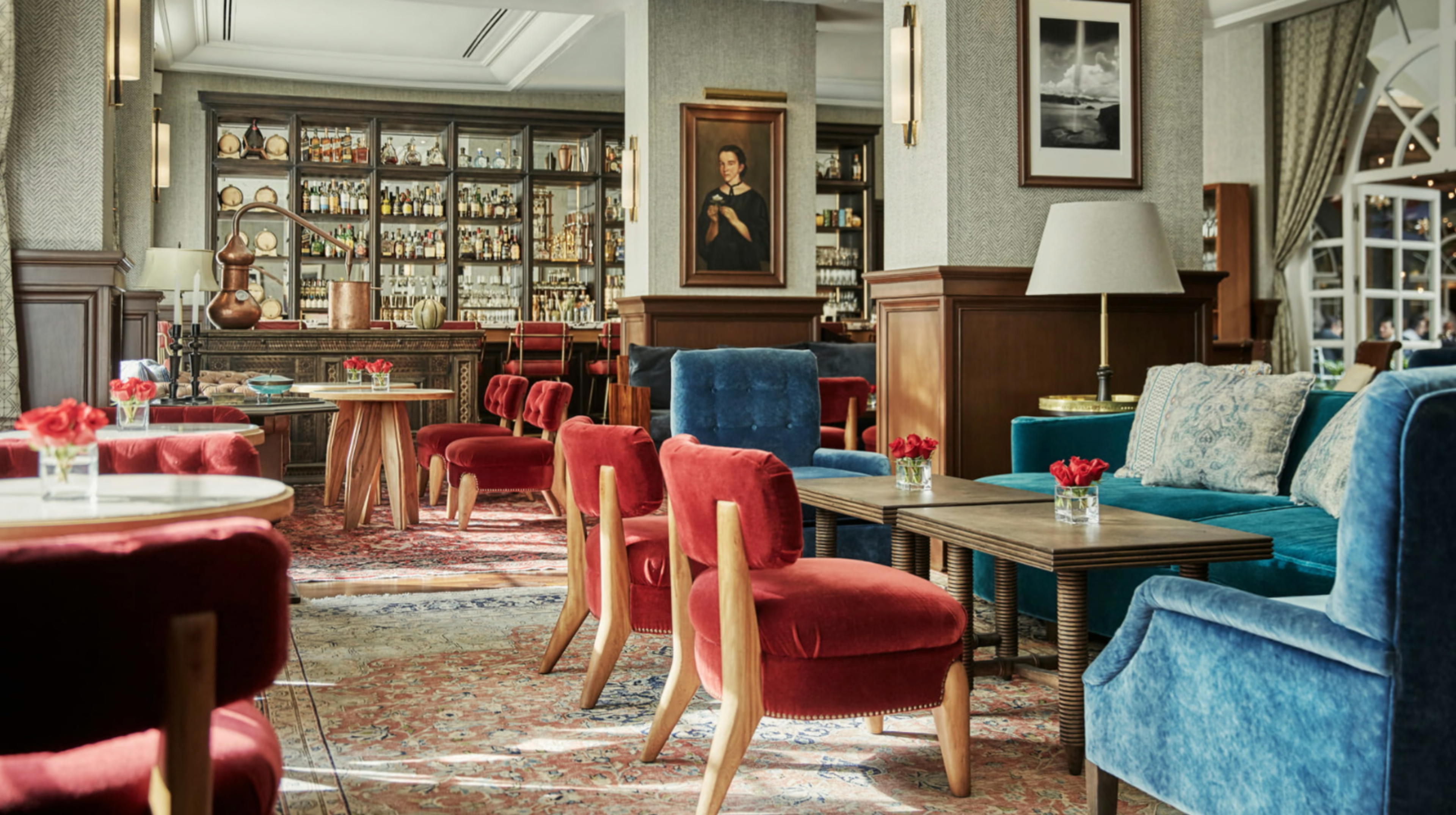
At a Glance
- Modern
- Trendy
- Family
- Group Dining
- Business Dinner
- Open Kitchen
- Terrace
- Sake Program
Current opening hours
- Monday
- 1 PM–12 AM
- Tuesday
- 1 PM–12 AM
- Wednesday
- 1 PM–12 AM
- Thursday
- 1 PM–12 AM
- Friday
- 1 PM–12 AM
- Saturday
- 1 PM–12 AM
- Sunday
- 1–7 PM
Hours can change for holidays and private events. Last verified .
Comfortable and modern atmosphere with attentive service and a lively neighborhood feel.
Know Before You Go
- Getting there
- Pje. Interlomas 22, La Herradura, 52786 Naucalpan de Juárez, Méx., Mexico