Il Parmiggiano
Il Parmiggiano sits inside Valle de las Palmas in Huixquilucan, placing Italian-influenced dining within a suburban Mexico City corridor that has quietly developed a serious restaurant culture. Positioned alongside destination-grade neighbours in the Interlomas and Barranca zone, it represents the kind of European-rooted cooking that the area's dining circuit has increasingly absorbed alongside Japanese and Argentine options.
 Discover on Pearl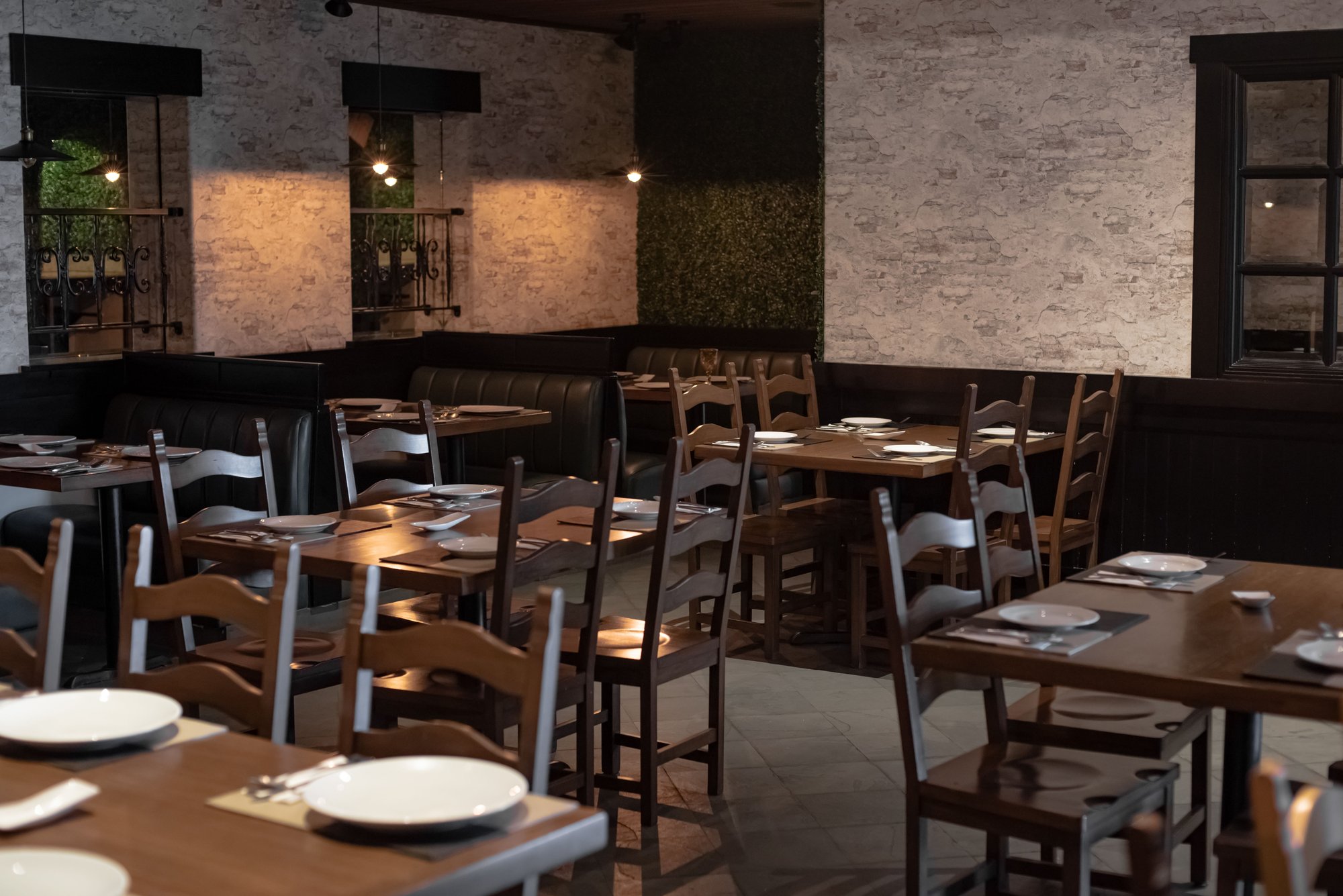
Italian Cooking in the Western Corridor of Mexico City
The suburban municipalities west of Mexico City have developed a restaurant culture that is worth understanding on its own terms rather than as an extension of the capital. Huixquilucan, and specifically the Valle de las Palmas and Interlomas corridor, has accumulated a dining circuit of genuine range. Argentine grills, Japanese counters, and European-rooted kitchens share the same commercial strips, drawing a local professional and family demographic that eats out with regularity and expects consistent quality. Il Parmiggiano sits inside that circuit, offering Italian-influenced cooking from an address on Vialidad de la Barranca, a throughway that has become one of the more recognisable restaurant addresses in the zone.
That address matters more than it might seem. Vialidad de la Barranca functions less as a single street and more as a spine connecting several commercial developments, each housing restaurants that position against the western suburbs' appetite for mid-to-upper casual dining. The name Il Parmiggiano signals a northern Italian identity, anchoring the kitchen in Emilian and broader northern-Italian tradition rather than the red-sauce southern Italian format that has historically dominated Mexican perceptions of the cuisine. In a suburb where the dining population is increasingly well-travelled and comparative, that distinction registers.
The shortlist, unlocked.
Hard-to-book tables, cellar releases, and concierge-planned trips.
Get Exclusive Access →Where the Venue Sits in the Local Dining Circuit
Huixquilucan's restaurant circuit clusters around a handful of commercial nodes, and the Interlomas and Barranca area represents its most developed concentration. Across that circuit, the split between cuisines is notable. Japanese formats, both casual and more serious, appear through venues like El Japonez Interlomas and Japanika Interlomas. Argentine-influenced grilling arrives through Cambalache Interlomas. Seafood-focused options exist in the form of Barrita de Mar Interlomas. Italian-rooted cooking enters through venues including Ciao Mamma and Il Parmiggiano itself, which occupy overlapping but not identical positions within that Italian segment.
What separates Italian dining options in this kind of suburb is typically format and specificity rather than raw quality. A name like Il Parmiggiano carries regional Italian intent, the kind of signal that a kitchen working primarily in the Parmigiano-Reggiano, prosciutto, and slow-cooked Emilian tradition would display. Whether the kitchen follows that signal with regional rigour is the question that defines the dining experience, and it is the question any visitor should carry to the table. The western suburbs of Mexico City have shown they can support restaurants that operate at that level of specificity, and the competitive density of the Barranca corridor applies genuine pressure on every venue to hold its position.
The Broader Context: Italian Cooking in Mexico
Italian cuisine in Mexico has gone through a consolidation in the past decade. The city-centre and southern Mexico City neighbourhoods once concentrated most of the serious European dining, but suburban growth has distributed that demand westward. Huixquilucan's dining evolution tracks directly against the residential expansion of the Interlomas and Santa Fe zones, which have pulled professional and upper-middle-class households away from the capital's interior. The restaurant supply followed that demographic shift, and the result is a suburban market that can sustain European-cuisine specialists without depending on tourist traffic.
Nationally, Mexican fine and semi-fine dining has attracted significant international attention, with venues like Pujol in Mexico City and destination restaurants in regions like Animalón in Valle de Guadalupe, HA' in Playa del Carmen, and Levadura de Olla Restaurante in Oaxaca anchoring Mexico's presence in regional dining conversations. European-format restaurants in suburban Mexico sit in a different tier but serve a different function, providing consistent, cuisine-specific cooking to local populations rather than participating in destination dining circuits. Il Parmiggiano operates in that local-specialist role, relevant to the Huixquilucan resident more than to the international traveller arriving for a single meal.
Northern Italy's culinary tradition, which Il Parmiggiano's name invokes, is built around dairy richness, cured meats, pasta formats like tagliatelle and tortellini, and a relative restraint with tomato compared to southern Italian cooking. Across restaurants in Mexico that operate in this register, the challenge is sourcing. The availability of authentic Parmigiano-Reggiano, aged aceto balsamico, and similar northern Italian ingredients in Mexico has improved considerably, but the cost differential affects price positioning and menu design. Kitchens that navigate that sourcing reality competently tend to focus their menus on formats where imported ingredient quality is decisive, and Mexican-sourced ingredients can fill supporting roles without compromising the dish.
Planning a Visit
Il Parmiggiano is located at Vialidad de la Barranca 6, Local R-N2-10, Valle de las Palmas, 52772, Huixquilucan, which places it within the Interlomas commercial zone. Reaching the venue is direct by car from either the western Mexico City neighbourhoods or the surrounding Huixquilucan municipalities. The Interlomas corridor is car-dominant, and parking is generally available within the commercial development. Given the density of dining options along the same stretch, a prior visit or local recommendation to verify current operating hours and availability is advisable, as exact booking policies and contact information were not available at time of writing. For a fuller orientation to the area's dining options, the full Huixquilucan restaurants guide maps the circuit in detail.
Visitors to Mexico with an appetite for the country's most referenced dining destinations will find broader context in venues like KOLI Cocina de Origen in Monterrey, Pangea in San Pedro Garza Garcia, Alcalde in Guadalajara, Lunario in El Porvenir, Le Chique in Puerto Morelos, and Olivea Farm to Table in Ensenada. For a comparative international frame, Italian-adjacent precision in dining finds its clearest expression at venues like Le Bernardin in New York City and Atomix in New York City, which illustrate what sustained commitment to a culinary tradition produces at the highest tier.
Frequently Asked Questions
- What do people recommend at Il Parmiggiano?
- Given the venue's name, dishes rooted in northern Italian tradition, particularly pasta and preparations centred on aged cheese and cured meat formats, are the logical point of entry. The restaurant sits within a competitive Huixquilucan circuit that includes Italian-leaning options like Ciao Mamma, which means the kitchen's ability to execute cuisine-specific dishes with regional credibility is the primary differentiator.
- Should I book Il Parmiggiano in advance?
- The Interlomas dining corridor in Huixquilucan draws a consistent local professional and family audience, and venues within the commercial development at Vialidad de la Barranca can fill during weekend evenings and Friday lunch. Contacting the venue directly before arrival is the safest approach, particularly given that current booking information was not available at publication. The area's dining density means alternatives exist nearby, but a reservation protects the visit.
- What is the signature at Il Parmiggiano?
- The name itself points toward a kitchen anchored in Parmigiano-Reggiano traditions, which in northern Italian cooking means pasta, risotto, and preparations where aged hard cheese functions as a structural element rather than a garnish. Within the Huixquilucan dining circuit, that northern Italian specificity, if consistently executed, is the clearest point of difference from both Argentine-format and Japanese-format neighbours along the same corridor.
- How does Il Parmiggiano fit into Huixquilucan's Italian dining options compared to its neighbours?
- Huixquilucan's Interlomas zone contains more than one Italian-leaning venue, with restaurants like Ciao Mamma occupying adjacent territory in the Italian segment. Il Parmiggiano's Emilian name signals a specific regional orientation within Italian cooking, which positions it as a more cuisine-specific choice for diners seeking northern Italian formats rather than a generalised Italian-international menu. In a suburb where the dining population increasingly distinguishes between culinary registers, that regional framing carries weight.
A Tight Comparison
A quick look at comparable venues, using the data we have on file.
| Venue | Notes | Price |
|---|---|---|
| Il Parmiggiano | This venue | |
| Japanika Interlomas | ||
| Cambalache Interlomas | ||
| Ciao Mamma | ||
| El Japonez Interlomas | ||
| MOMA KITCHEN |
Need a table?
Our members enjoy priority alerts and concierge-led booking support for the world's most difficult tables.
Get Exclusive AccessThe shortlist, unlocked.
Hard-to-book tables, cellar releases, and concierge-planned trips.
Get Exclusive Access →