Ciao Mamma
Ciao Mamma brings Italian-style dining to the Bosque de las Palmas corridor in Huixquilucan, where the Interlomas dining strip has developed into one of the Estado de México's more concentrated pockets of international cuisine. The address places it squarely within a neighbourhood that draws residents from across the western suburbs of greater Mexico City, making it a reference point for Italian in the area.
 Discover on Pearl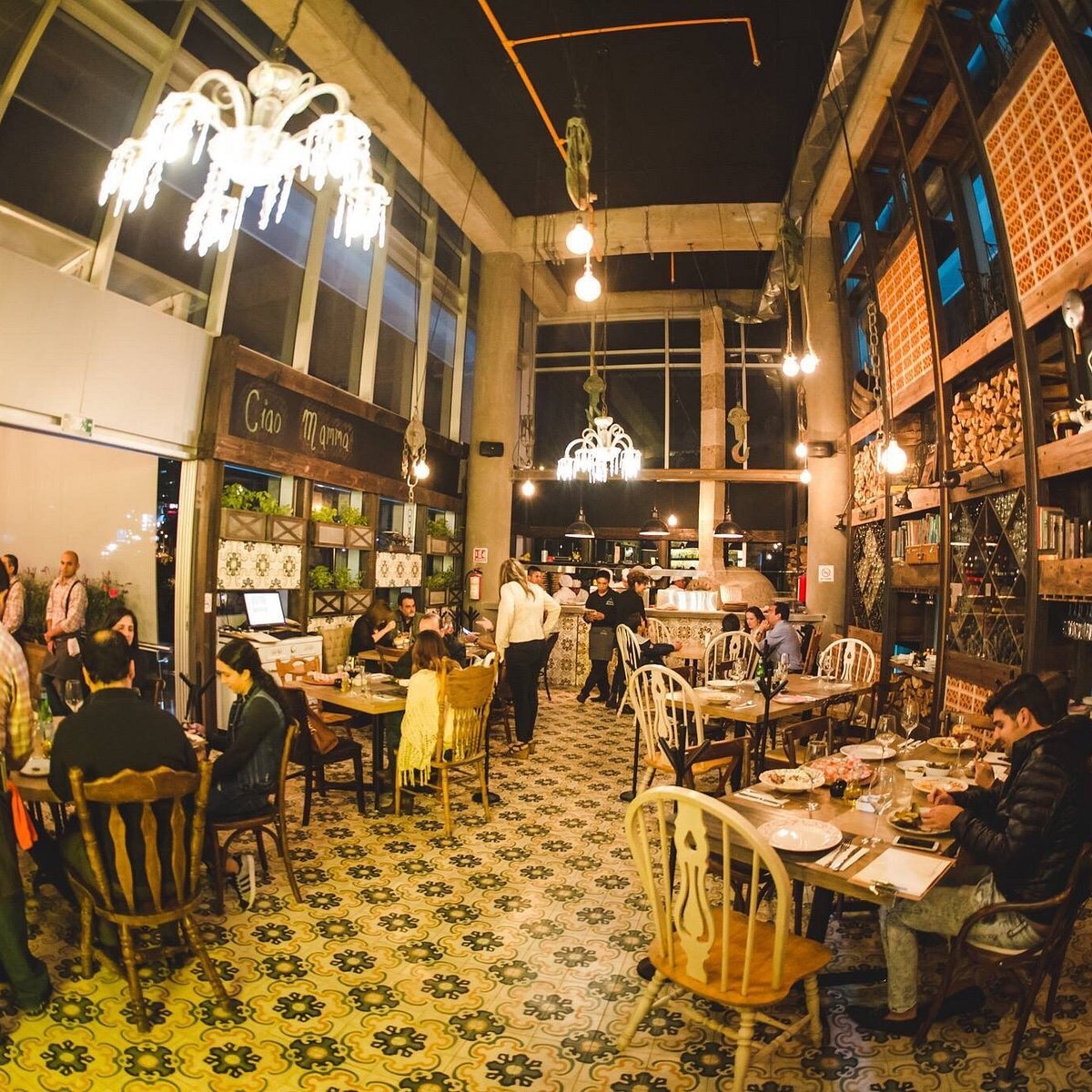
Where the Western Suburbs Eat Italian
The dining corridor that runs through Interlomas and Bosque de las Palmas has become, over the past decade, one of the more quietly consequential concentrations of international restaurants in the Estado de México. It sits beyond the Federal District but draws a population that commutes into Mexico City's financial and professional core, and it eats accordingly: international formats, mid-to-upper price positioning, and a preference for cuisines that signal cosmopolitan familiarity. Italian is one of the pillars of that mix. Ciao Mamma, at Pasaje Interlomas 6, occupies a node in that corridor where Italian cooking functions less as novelty and more as a settled expectation.
The name itself signals something about register. Ciao Mamma is conversational rather than formal — it lands somewhere between a neighbourhood trattoria and a family-run dining room rather than a white-tablecloth ristorante. That positioning matters in a strip where Italian options range from pizza counters to more composed regional Italian formats like Il Parmiggiano, which occupies a different tier of formality and presentation within the same neighbourhood. The choice of name communicates pacing and intention before you sit down.
The shortlist, unlocked.
Hard-to-book tables, cellar releases, and concierge-planned trips.
Get Exclusive Access →The Ritual of the Italian Table in Mexico City's Suburbs
Italian dining in Mexico has a longer and more layered history than its surface reputation suggests. The country received significant Italian immigration through the late nineteenth and early twentieth centuries, and that history left behind a dining culture that adapted Italian formats to local rhythms rather than simply importing them wholesale. What emerges in neighbourhoods like Interlomas is a version of Italian dining that fits the Mexican comida structure: a midday meal taken seriously, with time allocated, courses expected, and conversation treated as part of the meal's architecture rather than an interruption to it.
The pacing of a meal at a venue like Ciao Mamma follows this logic. Italian dining in this context tends to resist the compressed, in-and-out format of fast-casual. Antipasti arrive with enough purpose to slow you down. Pasta courses are sized as courses, not as main events. The room is designed to hold a table for two hours without apology. Across Mexico's broader restaurant scene, venues that operate in this Italian trattoria register — whether Alcalde in Guadalajara at a different price tier, or neighbourhood trattorias across Mexico City's Roma and Condesa neighbourhoods , share this underlying respect for the meal as a structured, unhurried event. Ciao Mamma, in its Interlomas context, operates in that same tradition.
That structural patience is what separates a trattoria experience from a quick-service Italian format. The former asks something of the diner: attention, presence, willingness to follow the sequence. The latter permits eating as transaction. The name and positioning of Ciao Mamma suggests the former , a place where the meal has chapters.
The Interlomas Peer Set
Understanding Ciao Mamma means understanding the dining strip it inhabits. Interlomas hosts a concentration of international restaurants that serve a residential and professional population with specific expectations. Seafood is well-represented, with Barrita de Mar Interlomas anchoring that category. Argentine-style grilling appears through Cambalache Interlomas. Japanese formats occupy their own tier, with both El Japonez Interlomas and Japanika Interlomas serving that demand. Italian, through venues including Ciao Mamma and Il Parmiggiano, completes a picture of a strip that operates like a self-contained international dining circuit for its catchment area.
Within that peer set, Italian venues are distinguished less by cuisine category and more by register: how formal the room is, how composed the menu, whether the wine list signals seriousness, and whether the kitchen is operating in a traditional Italian mode or a more adapted one. The trattoria format that Ciao Mamma's name implies positions it at the approachable, convivial end of that spectrum , a place for a table of four sharing dishes rather than a tasting-menu occasion.
That positioning is not a lower tier so much as a different one. Mexico's most decorated kitchens, from Pujol in Mexico City to Le Chique in Puerto Morelos, operate in a register defined by tasting menus and chef-driven narrative. The trattoria tradition, by contrast, is defined by abundance, familiarity, and repetition across visits. You return because the carbonara is reliable, not because it changes. Internationally, this dynamic plays out at venues like Le Bernardin in New York City and Lazy Bear in San Francisco at the high-concept end, with neighbourhood trattorias at the other , and the neighbourhood trattoria serves a different, arguably more durable, social function.
Planning Your Visit
Ciao Mamma sits at Pasaje Interlomas 6, Bosque de las Palmas, Naucalpan de Juárez, within the Huixquilucan municipality that forms the western edge of the greater Mexico City metropolitan area. The Interlomas corridor is accessible by car from the western Periférico and from the Interlomas commercial zone, which serves as a reference point for the neighbourhood. The strip's dining options are concentrated enough that visitors often combine a meal here with a pass through the broader area. For a wider look at what the neighbourhood offers, the full Huixquilucan restaurants guide maps the range of options across price points and cuisine categories.
Given the lack of publicly available booking information for Ciao Mamma, the most direct approach is to arrive and assess availability, or to ask locally within the Interlomas commercial zone, where neighbouring venues often share knowledge of reservation practices. The dining rhythm in this neighbourhood skews toward midday on weekends, when comida tables tend to fill by 2pm. Timing arrival before that window generally improves the experience.
For readers whose interest in Mexican dining extends beyond the western suburbs, the country's regional scene has developed substantial depth: KOLI Cocina de Origen in Monterrey, Levadura de Olla Restaurante in Oaxaca, Animalón in Valle de Guadalupe, Lunario in El Porvenir, HA' in Playa del Carmen, Pangea in San Pedro Garza Garcia, and Olivea Farm to Table in Ensenada each represent distinct regional approaches to the broader question of how Mexican kitchens are defining their own culinary identity. Ciao Mamma answers a different, more local question: where the western suburbs go when they want pasta, a shared table, and two hours without hurry.
Frequently Asked Questions
- What's the must-try dish at Ciao Mamma?
- The venue's specific menu is not publicly documented in detail, so naming a single dish with confidence isn't possible here. Italian trattorias in this part of Mexico generally anchor their menus around pasta and shared antipasti, and those categories are where most kitchens in this register invest their attention. For current menu specifics, visiting in person or checking locally is the most reliable route.
- Is Ciao Mamma reservation-only?
- No reservation or booking policy information is publicly available for Ciao Mamma. In the Interlomas corridor, weekend midday dining tends to draw the heaviest demand across the strip. Arriving before 2pm on weekends is a practical approach regardless of reservation policy, as the broader neighbourhood dining rhythm concentrates at that window.
- What's the signature at Ciao Mamma?
- Without verified menu documentation, a specific signature dish cannot be confirmed. Italian venues in this neighbourhood tier typically build their identity around a central pasta or a shared-plate format that rewards return visits. The trattoria register implied by the venue's name and positioning suggests that consistency across core dishes is the point, rather than a rotating seasonal concept.
- Can Ciao Mamma adjust for dietary needs?
- Contact information for Ciao Mamma is not publicly listed, so confirming dietary accommodation requires a direct in-person inquiry. Italian kitchens in the trattoria format generally have the kitchen flexibility to adjust pasta dishes or antipasti for common dietary requirements. Arriving with specific requests and asking at the point of seating is the practical approach for this type of venue in the Huixquilucan area.
- How does Ciao Mamma fit into the broader Italian dining scene in western Mexico City?
- The Interlomas corridor has developed one of the Estado de México's more concentrated clusters of international restaurants, and Italian occupies a consistent position within that mix. Ciao Mamma, with its trattoria register and Bosque de las Palmas address, operates in a category defined by shared-table dining and familiar Italian formats, distinct from the more composed regional Italian positioning of a peer like Il Parmiggiano in the same neighbourhood. For western suburb residents who want Italian in a convivial, unhurried format without crossing into Mexico City, venues in this tier serve a clear and consistent function.
Category Peers
A fast peer set for context, pulled from similar venues in our database.
| Venue | Cuisine | Awards | Notes |
|---|---|---|---|
| Ciao Mamma | This venue | ||
| Barrita de Mar Interlomas | |||
| Cambalache Interlomas | |||
| El Japonez Interlomas | |||
| Il Parmiggiano | |||
| Japanika Interlomas |
Need a table?
Our members enjoy priority alerts and concierge-led booking support for the world's most difficult tables.
Get Exclusive AccessThe shortlist, unlocked.
Hard-to-book tables, cellar releases, and concierge-planned trips.
Get Exclusive Access →