Ondori
Ondori operates on the western edge of Las Vegas, at 4500 W Tropicana Ave, in a part of the city that draws residents and regulars more than resort-circuit visitors. The address places it outside the concentrated Strip dining cluster, positioning it within a local dining tier where consistency and neighborhood loyalty carry more weight than tourist volume. For travelers willing to move beyond the casino floor, it represents a different register of Las Vegas eating.
Pearl is the En Primeur Club membership app — saves, bookings, and concierge access live there. Same editors, same standards.
- Address
- 4500 W Tropicana Ave, Las Vegas, NV 89103
- Phone
- +17023657111
- Website
- orleans.boydgaming.com
- Directions
- Get directions
 Saves & bookings on Pearl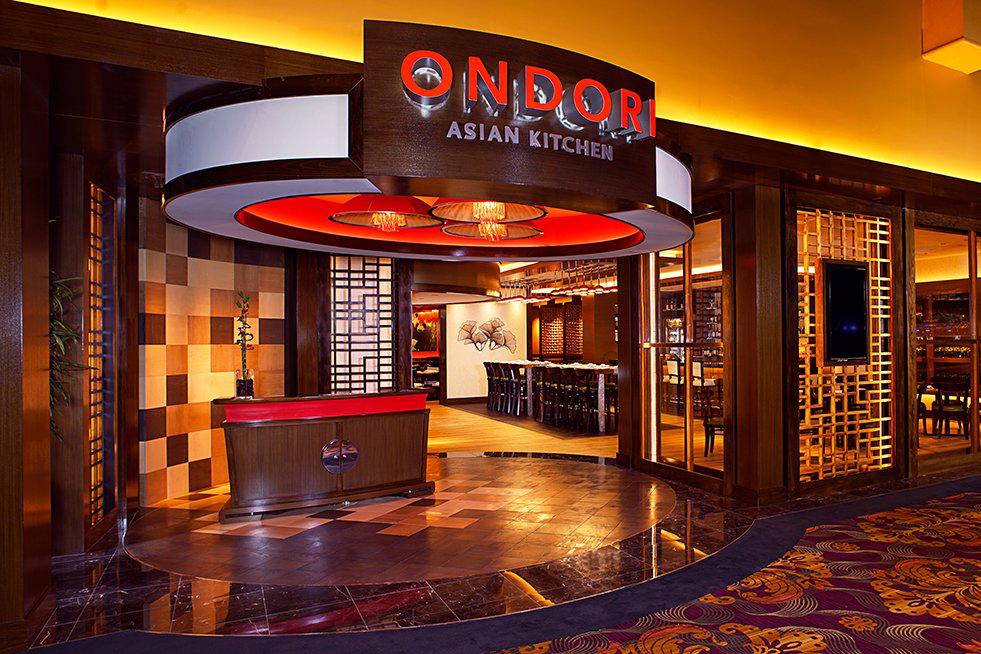
Dining Off the Circuit: What the West Side of Las Vegas Does Differently
Las Vegas restaurant culture has long sorted itself into two distinct operating modes. The first is resort-anchored dining, where celebrity-chef outposts, Michelin-watched tasting menus, and high-volume buffets all compete for the attention of a rotating tourist population. The second, quieter mode belongs to the residential west and southwest corridors, where locals sustain places on merit over months and years rather than on the strength of a single night's foot traffic. Ondori is a Chinese & Japanese Fusion restaurant at 4500 W Tropicana Ave, Las Vegas, with casual dress and recommended reservations.
The stretch of Tropicana Avenue west of the I-15 interchange is not a dining destination in the conventional sense. There are no marquees, no valet queues spilling onto the street, no cocktail-hour crowds photographing their appetizers for algorithmic approval. What there is, in pockets along this corridor, is a kind of dining reliability that the Strip's model structurally struggles to produce. Regular clientele, consistent kitchen rhythm, and a room that functions the same on a Tuesday as it does on a Saturday: these are the markers of the local-restaurant tier, and they shape the entire character of a meal before you sit down.
The Ritual of Eating Here: Pacing, Expectation, and the Shape of the Meal
The editorial angle that matters most for Ondori is not a single dish or a chef credential, but the dining ritual itself, and what it means to eat in a neighborhood format in a city that has spent decades training its visitors to expect spectacle. In the resort tier, the meal is often an event layered onto an evening: pre-show cocktails, post-dinner casino, the restaurant as one programmatic stop among several. At a west-side address like this one, the meal tends to be the event itself.
That shift in framing changes nearly everything about how a meal is paced and experienced. There is less pressure on the kitchen to deliver theatrical punctuation, and more expectation of sustained quality across the full arc of the sitting. The diner who arrives expecting the choreographed momentum of, say, Alinea in Chicago or the controlled precision of The French Laundry in Napa will find something operating on a different frequency entirely. The west-side Las Vegas register is quieter, more repetition-built, and in many ways more honest about what a restaurant can be on any given night.
This is not a diminishment. Particularly consistent dining in American cities happens in exactly this format, in rooms that attract the same tables week after week, where the kitchen knows its repertoire and executes it without the performance anxiety that accompanies a $400 tasting menu. Lazy Bear in San Francisco and Single Thread Farm in Healdsburg sit at one extreme of the commitment-to-ritual spectrum. Ondori's Tropicana address implies a different point on that spectrum, one shaped by neighborhood economics and local return rate rather than destination-diner budgets.
How Ondori Fits the West Las Vegas Dining Map
The competitive context for a venue at this address is not Bazaar Meat or Bardot Brasserie on the Strip. The relevant comparable set is the cluster of resident-serving restaurants spread through the 89103 zip code and its adjacent neighborhoods: places like 108 Eats, 18bin, and 777 Korean Restaurant, all of which operate outside the resort gravity well and serve a population that eats out not as occasion but as habit. In this context, what a restaurant does with its regulars, how it rewards return visits, and how it handles the low-drama weeknight sitting, matters considerably more than whether it photographs well.
For travelers from cities with established local dining cultures, this tier will feel recognizable. The west side of Las Vegas is doing something that Emeril's in New Orleans and Providence in Los Angeles occupy at a much higher price point: building a dining identity around a specific community rather than a transient audience. The scale and ambition differ, but the underlying logic is the same.
Visitors approaching Ondori from outside Las Vegas should also be aware of the broader west-side dining pattern. Venues in this corridor, including A Different Beast, tend to operate with local hours and local rhythms, which can differ considerably from the late-night, always-open model that the Strip sustains. Planning accordingly, and treating the meal as the primary commitment of the evening rather than a preliminary to something else, tends to produce a better experience.
Where Ondori Sits in a Broader American Dining Conversation
American dining at the highest levels has spent the last decade reconsidering what authority looks like. The Michelin-star model, well-represented by venues like Le Bernardin in New York City, Atomix in New York City, Addison in San Diego, Blue Hill at Stone Barns in Tarrytown, and The Inn at Little Washington, occupies one pole. International reference points like 8 1/2 Otto e Mezzo Bombana in Hong Kong extend that conversation globally. But the vast majority of meaningful American eating happens in the middle tiers, in rooms without stars or national profiles, sustained by repeat business and word of mouth.
The west Las Vegas dining scene, with addresses like Craftsteak anchoring the neighborhood steakhouse conversation, demonstrates that the city has a functioning residential food culture that runs parallel to its resort identity. Ondori is part of that parallel system. Its position at W Tropicana and the absence of resort affiliation place it squarely in the local tier, which in Las Vegas is still a tier with genuine substance for the traveler who knows where to look.
Know Before You Go
Address: 4500 W Tropicana Ave, Las Vegas, NV 89103
Neighbourhood: West Las Vegas, outside the resort corridor
Getting There: The address is approximately three miles west of the central Strip. A rideshare from most major hotels takes 10-15 minutes depending on traffic. Street parking is available in the surrounding commercial area.
Booking: Recommended.
Hours: Mon: 11:30 AM-12 AM; Tue: 11:30 AM-12 AM; Wed: 11:30 AM-12 AM; Thu: 11:30 AM-12 AM; Fri: 11:30 AM-12 AM; Sat: 11:30 AM-12 AM; Sun: 11:30 AM-12 AM
Pricing: About $25 per person.
Dress Code: Casual.
A Minimal comparable set
Comparable venues nearby, for context on price, style, and recognition.
| Venue | Cuisine | Price | Notes |
|---|---|---|---|
| OndoriThis venue — the venue you are viewing | Bracken, Chinese & Japanese Fusion | $$ | Not listed |
| Nom Wah | Angel Park Ranch, Cantonese Dim Sum | $$ | Not listed |
| Chef Xue | Unlv, Refined Sichuan Chinese | $$ | Not listed |
| California Noodle House | Not listed | $$ | Downtown North District, Asian Noodles with Hawaiian Flair |
| CHĪ Asian Kitchen | Northern Strip, Chinese-Asian Fusion | $$$ | Not listed |
| Shang Artisan Noodle | West Side, Hand-Pulled Chinese Noodles | $$ | Not listed |
Continue exploring
More in Las Vegas
Restaurants in Las Vegas
Browse all →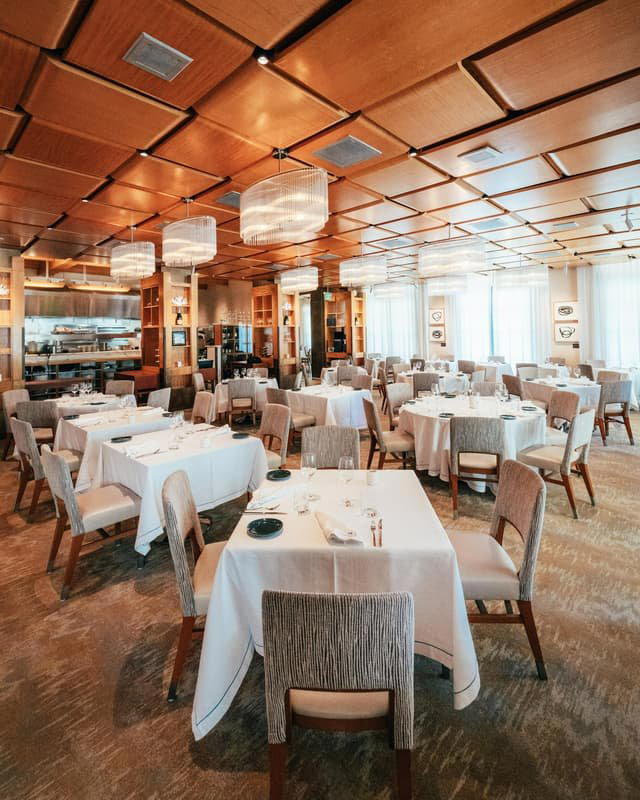
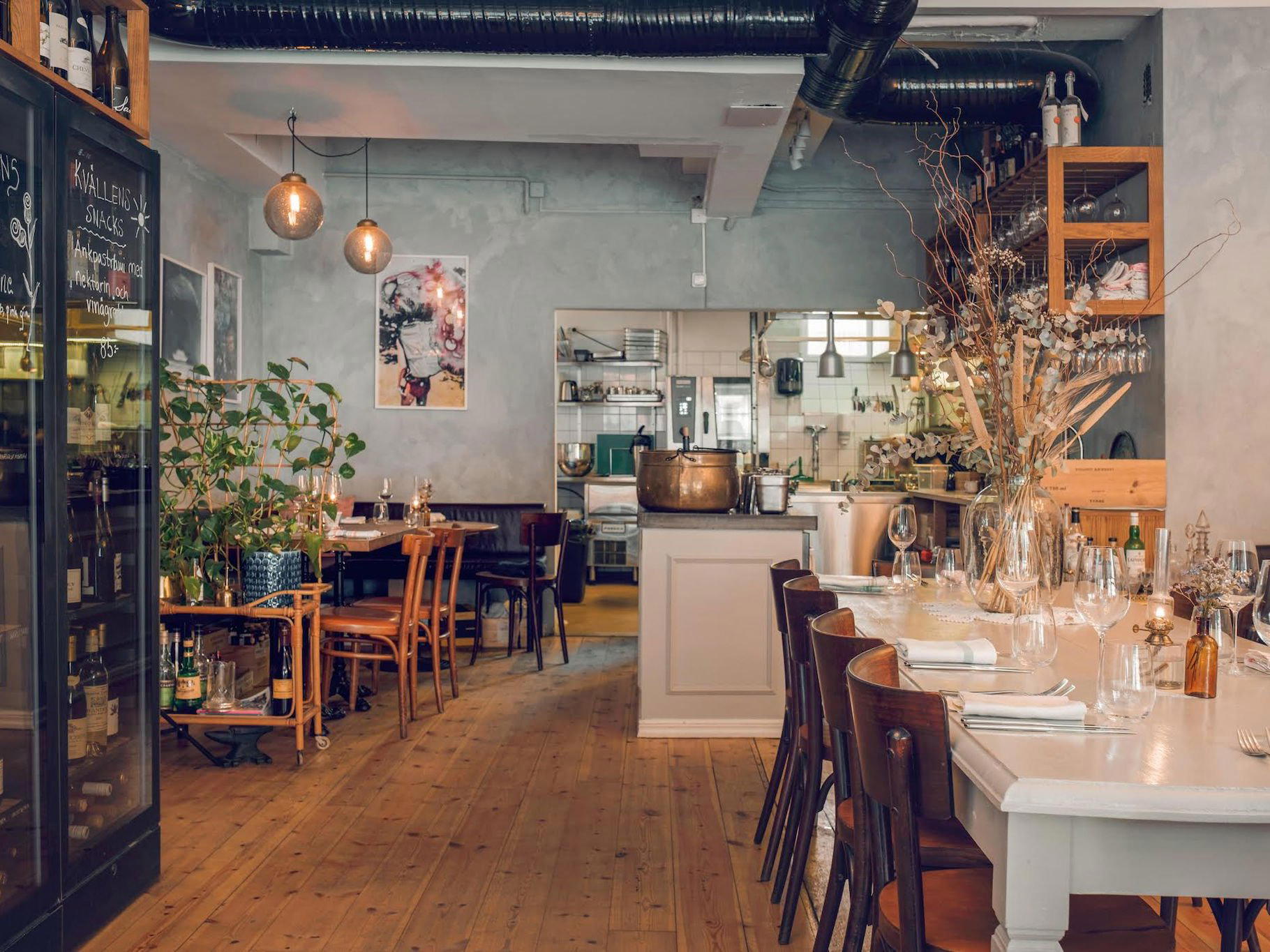
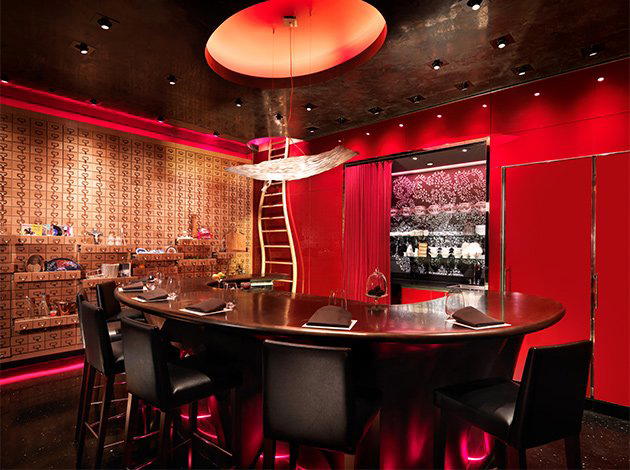
Bars in Las Vegas
Browse all →
At a Glance
- Modern
- Trendy
- Casual Hangout
- Late Night
- Hotel Restaurant
- Sake Program
Current opening hours
- Monday
- 11:30 AM–12 AM
- Tuesday
- 11:30 AM–12 AM
- Wednesday
- 11:30 AM–12 AM
- Thursday
- 11:30 AM–12 AM
- Friday
- 11:30 AM–12 AM
- Saturday
- 11:30 AM–12 AM
- Sunday
- 11:30 AM–12 AM
Hours can change for holidays and private events. Last verified .
Casual casino floor atmosphere with fast-paced service and tasty, generous portions.