Craftsteak



Craftsteak at MGM Grand has occupied a serious position in the Las Vegas steakhouse conversation for years, anchored by James Beard Award-winning chef Tom Colicchio's commitment to sourcing from small, regional farms. The menu moves between prime American cuts, Australian A5 wagyu, and an ambitious vegetarian program, all supported by a 3,900-bottle wine inventory weighted toward California and Bordeaux.
Pearl is the En Primeur Club membership app — saves, bookings, and concierge access live there. Same editors, same standards.
- Address
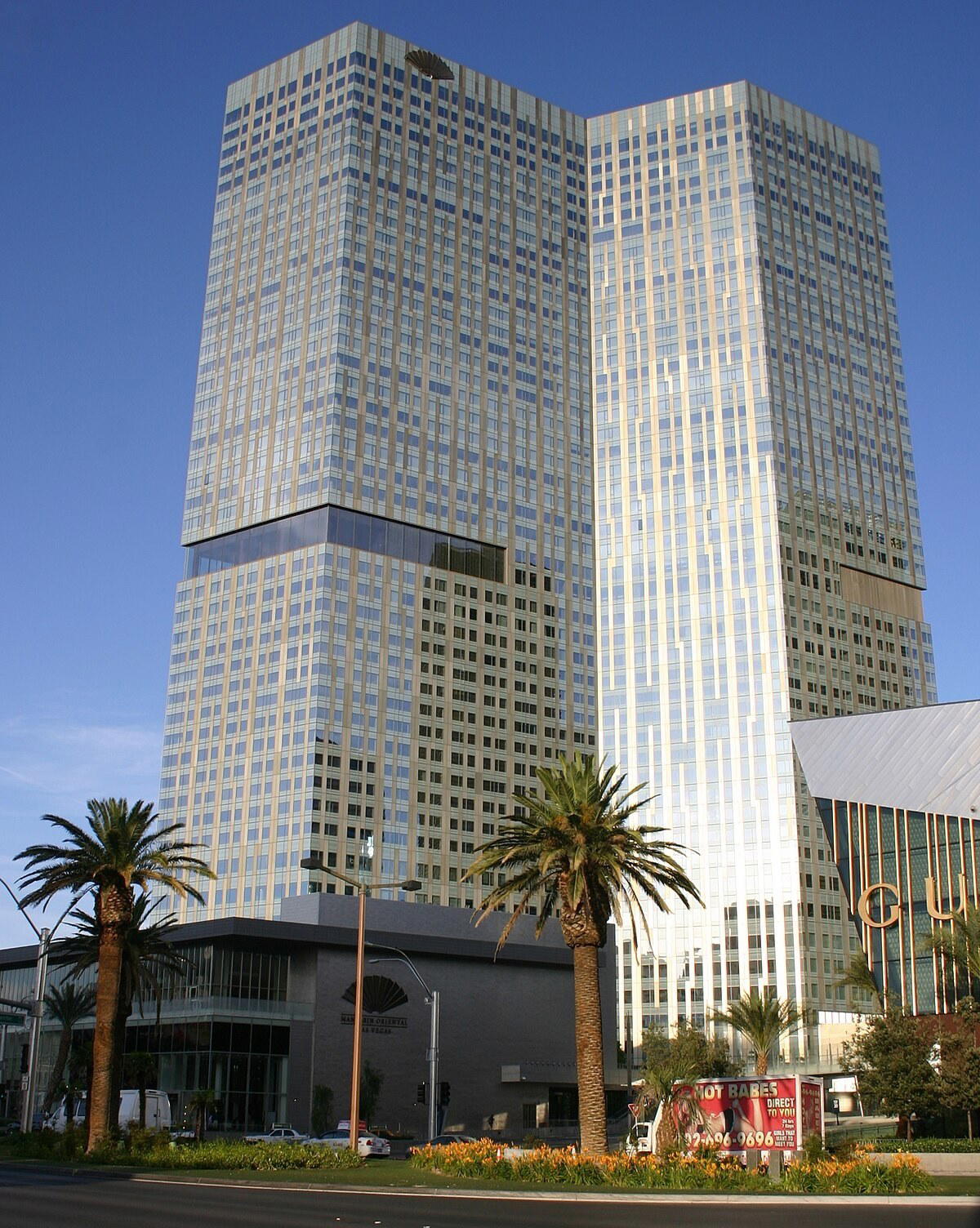
- MGM Grand, 3799 S Las Vegas Blvd, Las Vegas, NV 89109
- Phone
- (702) 891-7318
- Website
- mgmgrand.mgmresorts.com
- Directions
- Get directions
 Saves & bookings on Pearl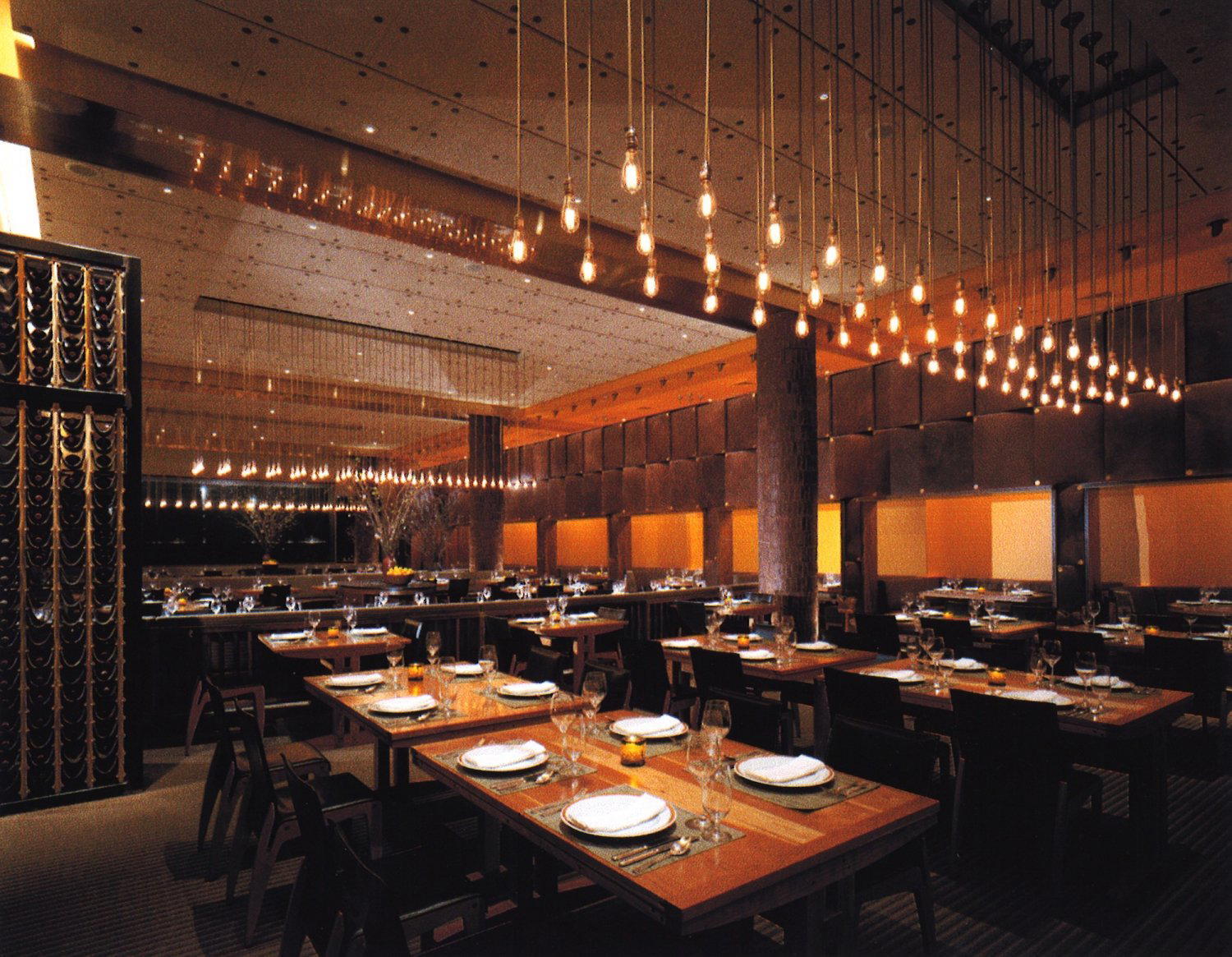
Where the Strip's Steakhouse Ambitions Meet Farm-Sourced Discipline
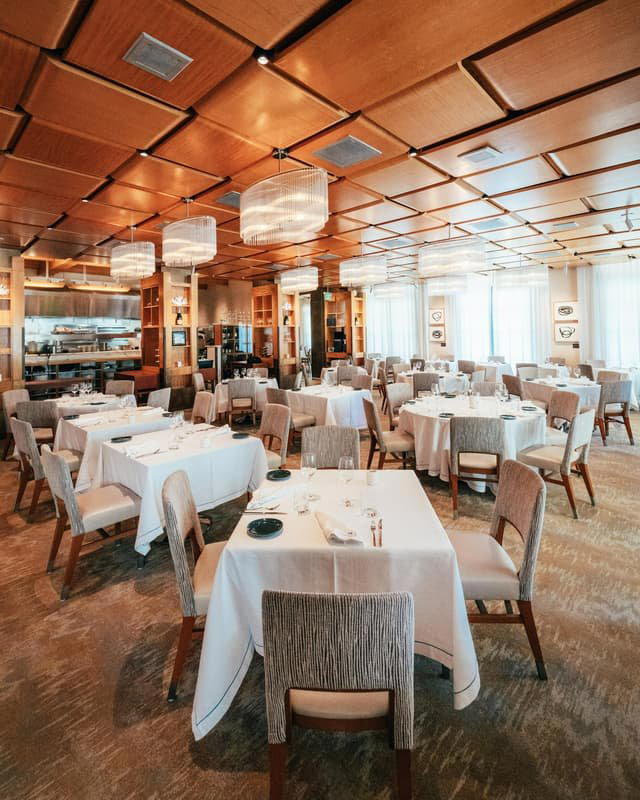
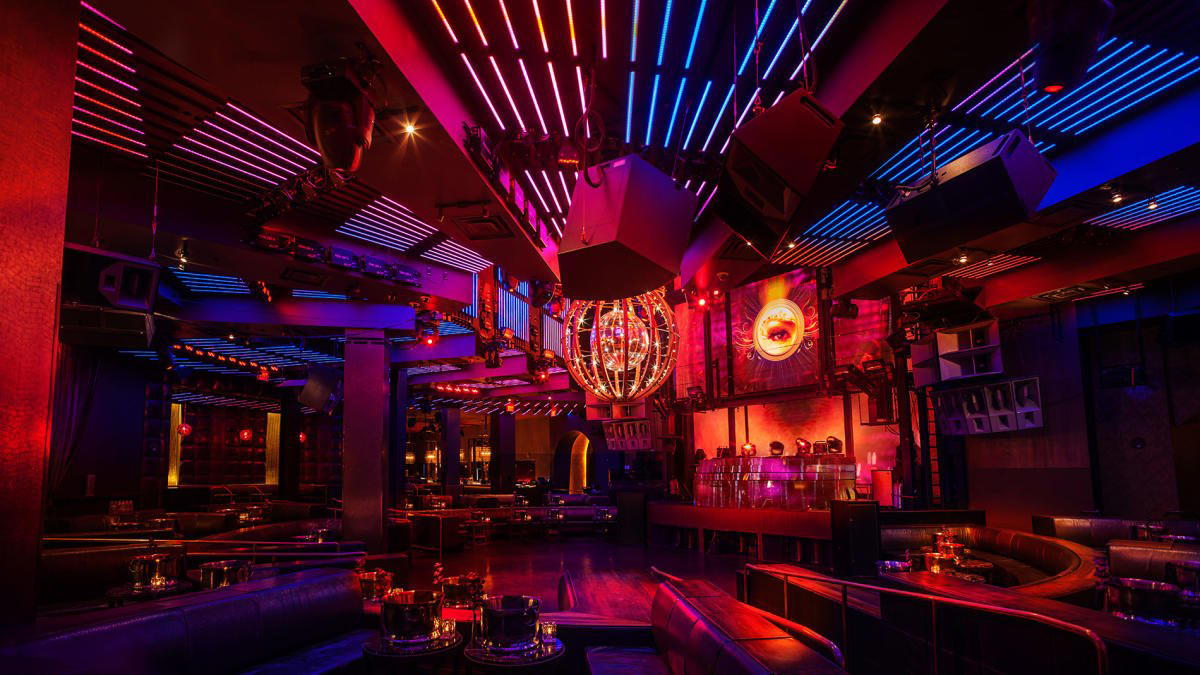
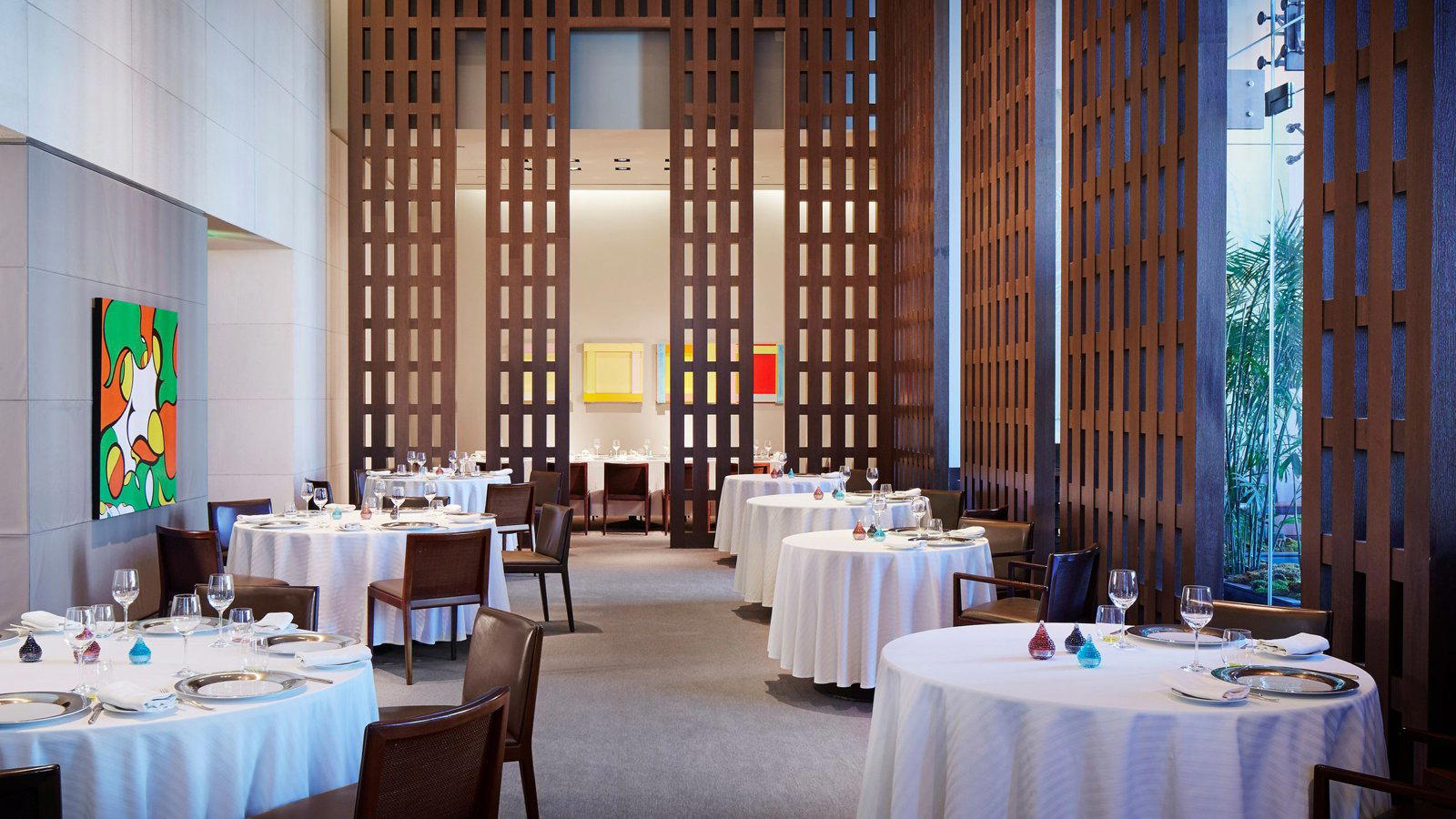
Craftsteak is a premium steakhouse inside MGM Grand in Las Vegas, led by chef Francesca Sgandurra. Walk into Craftsteak and the room reads that confidence without broadcasting it: a contemporary dining room with large round banquettes for groups, a bar area tight enough to feel like its own space, and a wine display behind the bar holding a collection that runs to 3,900 bottles. The atmosphere is business casual in dress code and relaxed in practice.
That balance between accessibility and ambition tracks through the kitchen's sourcing philosophy. Craftsteak operates with a clear sourcing focus: the fresher the source, the better the outcome. Vegetables, fruits, and meats come from local and small farms, a commitment that shows up not just in the steak program but in an unusually developed vegetable menu for a room named after beef. This is not incidental. It reflects the broader shift that James Beard Award-winning chef Tom Colicchio has pursued across his portfolio, a portfolio that puts Craftsteak in company with some of the more thoughtful chef-driven restaurants in the United States.
The Sourcing Argument on the Plate
In steakhouse terms, provenance has become a primary differentiator. The category has moved well beyond USDA Prime as a marketing ceiling, and the upper tier now involves documented supply chains, breed specificity, and verifiable farm relationships. Craftsteak makes its position clear by ranging across both domestic and international sourcing: Angus beef from American producers sits alongside Australian A5 wagyu, Offering both on the same menu is a deliberate choice, giving the diner a way to compare production philosophies within a single dinner.
The farm-to-table framing, which can feel formulaic when applied loosely, carries more weight here because it extends to the vegetable program. Roasted beet salad with clementines, crispy sunchokes with thyme, braised Brussels sprouts, these are not afterthoughts filling out a steakhouse menu. They are the products of the same sourcing framework applied to produce, and they anchor the vegetarian tasting menu, which reads as a genuine alternative rather than an accommodation. That kind of menu architecture is more common at restaurants where the kitchen's relationship with agricultural suppliers is central to the experience. Finding it inside an MGM Grand steakhouse is worth noting.
The Colicchio Credential and What It Implies
Chef-branded restaurants on the Strip exist on a spectrum. At one end sit the licensing arrangements where a name appears above a door and the kitchen runs largely independently. At the other end are operations where the chef's training lineage and culinary point of view remain legible in the menu structure. Craftsteak sits closer to the latter. Tom Colicchio carries a career rooted in technique-first American cooking and built his reputation at restaurants that treated sourcing as a non-negotiable starting point rather than a marketing add-on. That credential is a Tier A trust signal in any peer comparison.
The day-to-day kitchen runs under Chef Mike Chapman, with Francesca Sgandurra also in the chef column. The sommelier program sits with Troy Grenstiner and Todd Cunningham, who oversee a wine list built around California and Bordeaux with a corkage fee of $50. The General Manager is Greg Gayhart. This is a staffed, professionally run operation.
For context on a Colicchio-linked kitchen program, compare it with other fine dining restaurants that treat sourcing and technique as inseparable. Craftsteak operates within that broader American chef-driven tradition, adapted to a Las Vegas hotel context.
Signature Dishes and the Three-Day Short Rib
Some dishes announce a kitchen's priorities faster than any sourcing statement. Craftsteak's braised short ribs take three days to produce, with a 24-hour braise that delivers a texture described in multiple sources as soft with a toothsome bite. The labor intensity of this dish is a structural argument: no kitchen builds a signature around a three-day preparation without care and discipline. It is a signal about how the kitchen approaches time as an ingredient.
The tasting format, offered as a three-course menu, is the structured way through the kitchen's range, covering ground from beef to the seafood-adjacent starter program. The lobster bisque, a tarragon-spiced soup with four ounces of lobster, functions as a surf-and-turf entry point without requiring a full entrée-scale commitment. The surf-and-turf proper appears as an A5 wagyu pairing, calibrated for the guest who wants both production traditions in a single dish.
Pastry chef Carrie Chesto rounds out the meal with a dessert program that includes rotating house-made ice cream and sorbet flavors. Kaffir lime leaf ice cream and cranberry orange sorbet are recorded examples, alongside the monkey bread, a cinnamon roll format served with brown sugar sour cream ice cream, which has become the house specialty. At this end of the meal, the sourcing philosophy applied to savory courses translates into a pastry program built on craft production rather than commercial sourcing.
The Wine Room and Where Craftsteak Sits Among Strip Steakhouses
The Strip's premium steakhouse category is competitive. Bazaar Meat by Jose Andres operates at the theatrical end of the spectrum, blending Spanish-American technique with a performance-forward format. Peter Luger Steak House in New York represents the other extreme: no-concession beef purism, minimal sides, zero theatrical framing. Craftsteak occupies a middle position, combining serious sourcing credentials with a complete dining room experience that includes a developed wine program and a dessert course built to sustain attention through to the end of the meal.
The wine list carries 850 selections from an inventory of 3,900 bottles, priced at the $$$ tier, meaning a significant share of the list runs above $100 per bottle. California and Bordeaux are the primary strengths, which aligns with the farm-sourced, American-inflected menu philosophy. The physical display of the collection behind the bar gives the program a visual presence that integrates it into the room rather than treating it as a back-of-house function.
Craftsteak functions as the MGM Grand's steakhouse anchor. The broader dining floor at MGM includes volume-format options, and the hotel strip itself encompasses everything from Bacchanal Buffet at Caesars to Bardot Brasserie and Aburiya Raku for Japanese counter dining. Craftsteak earns its position by holding a specific culinary lane rather than competing across categories.
Planning a Visit
Craftsteak serves dinner and is located inside the MGM Grand at 3799 S Las Vegas Blvd. The dress code is business casual. Families traveling with children will find a kids menu available, though it is described as limited in scope. For guests building a Las Vegas itinerary around serious dining, Craftsteak is a strong option inside MGM Grand. For reference points beyond the Strip, Blue Ribbon Sushi Bar & Grill provides a strong alternative for evenings where the program shifts away from beef entirely. CUT Singapore offers an international comparison point for the chef-branded steakhouse format operating within a hotel context.
- Braised Short Ribs
- Bone-In Ribeye
- Filet Mignon
- Domestic Wagyu
- Japanese A5 Wagyu
- Diver Sea Scallops
Similar Picks
Comparable venues nearby, for context on price, style, and recognition.
| Venue | Cuisine | Price | Notes |
|---|---|---|---|
| CraftsteakThis venue — the venue you are viewing | Premium Steakhouse with Dry-Aged Beef | $$$$ | Not listed |
| STK | Modern American Steakhouse | $$$$ | The Strip |
| Harlo Steakhouse & Bar | Classic Steakhouse | $$$$ | The Vistas |
| Strip House | Sultry Steakhouse | $$$$ | The Strip |
| Twin Creeks | Certified Angus Beef Steakhouse | $$$$ | The Highlands |
| Jean Georges Steakhouse | Fine Dining Steakhouse | $$$$ | The Strip |
Recognition history
Dated appearances from independent guides and award organizations, with the underlying list record or original source where available.
Forbes Recommended
Forbes
Star Wine List
Star Wine List
Wine Spectator Best of Award of Excellence
Wine Spectator
Forbes Recommended
Forbes
Wine Spectator Best of Award of Excellence
Wine Spectator
Continue exploring
More in Las Vegas
Restaurants in Las Vegas
Browse all →
Bars in Las Vegas
Browse all →
At a Glance
- Elegant
- Sophisticated
- Classic
- Romantic
- Date Night
- Business Dinner
- Celebration
- Special Occasion
- Private Dining
- Hotel Restaurant
- Extensive Wine List
- Craft Cocktails
- Sommelier Led
- Farm To Table
- Local Sourcing
- Sustainable Seafood
Current opening hours
- Monday
- 4:30–9:30 PM
- Tuesday
- 4:30–9:30 PM
- Wednesday
- 4:30–9:30 PM
- Thursday
- 4:30–9:30 PM
- Friday
- 4:30–10 PM
- Saturday
- 4:30–10 PM
- Sunday
- 4:30–9:30 PM
Hours can change for holidays and private events. Last verified .
Dimly lit upscale dining room with sophisticated atmosphere; alcove booths provide intimate seating while maintaining an elegant, refined environment.