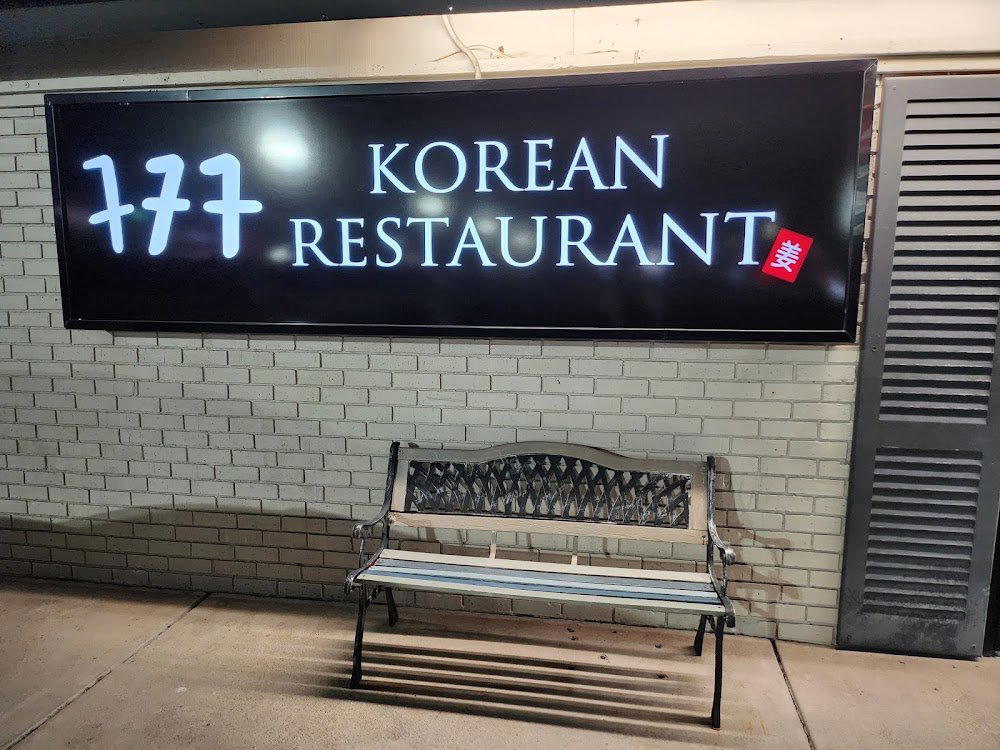
777 Korean Restaurant
Our verdict
A Korean restaurant on the western edge of Las Vegas, 777 Korean Restaurant at 3401 S Jones Blvd sits outside the Strip corridor in a part of the city where Korean dining traditions hold more weight than spectacle. The address places it among the residential and commercial blocks where Las Vegas's Korean-American community has built a quieter, more substantive food scene over the past two decades.

Pearl is the En Primeur Club membership app, where members save venues, book tables and use the concierge.
The menu
What to order
- Soon Du Bu
- Japchae
- Bulgogi Dolsot Bibimbap
West of the Strip, Where Korean Dining Has Roots
Las Vegas Korean restaurants divide into two distinct categories: the high-gloss BBQ formats that have migrated toward the tourist corridors, and the neighborhood-anchored operations along the western residential grid, where the clientele is local, the hours run late, and the food operates without the pressure to perform for cameras. The stretch of Jones Boulevard near the 89146 zip code belongs to the second category. This is a part of the city that visitors rarely reach, but where the Korean-American community has sustained a dining culture that predates the current Korean food trend by a generation.
777 Korean Restaurant sits at 3401 S Jones Blvd, a location that already signals something about its orientation. It is not angling for the tourist dollar. The surrounding blocks carry dry cleaners, Asian grocery importers, and family-run service businesses, the infrastructure of a working immigrant neighborhood rather than a hospitality district. That context matters when thinking about what kind of Korean food arrives on the table here, and where the ingredients to produce it come from.
The Sourcing Logic Behind Neighborhood Korean Cooking
The ingredient question sits at the center of what separates Korean restaurants in neighborhoods like this one from their Strip-adjacent counterparts. Korean cuisine at its functional leading relies on specific fermented and aged components, doenjang, gochujang, kimchi at various stages of fermentation, salted seafood, that cannot be sourced adequately from general food service distributors. Restaurants embedded in Korean-American neighborhoods have proximity advantages here. Korean grocery importers operating in this part of Las Vegas supply product lines that include fermented pastes aged longer, regional dried seafood varieties, and niche vegetable cuts that simply do not appear in mainstream wholesale channels.
This matters practically: the doenjang jjigae at a restaurant with access to properly aged fermented paste tastes architecturally different from the same dish made with a shorter-fermented commercial equivalent. The same logic applies to kimchi served as banchan, kimchi from a supplier who turns product weekly reads differently on the palate from kimchi sourced from a large industrial producer. Neighborhood proximity does not guarantee quality, but it creates conditions where quality is available at lower cost and with greater variety. Restaurants in tourist corridors pay a premium for the same ingredients and often substitute when supply runs short.
For context on how ingredient sourcing shapes culinary identity at the high end of American dining, it is worth noting how restaurants like Single Thread Farm in Healdsburg or Blue Hill at Stone Barns in Tarrytown have built their entire editorial identity around sourcing specificity. The same principle, applied at a different price tier and cultural register, defines what good neighborhood Korean cooking can achieve when the supply chain supports it.
The Broader Korean Dining Scene in Las Vegas
Las Vegas supports a more layered Korean food scene than most visitors realize. The Strip and near-Strip zone hosts the theatrical end, premium KBBQ formats with ventilated table grills, private rooms, and à la carte pricing that competes with mid-tier steakhouses. Meanwhile, the residential west side has continued building a parallel infrastructure: Korean tofu houses, late-night pojangmacha-style spots, and family restaurants where the menu reflects regional Korean cooking rather than the greatest-hits format designed for first-time diners.
For those tracking where Las Vegas dining has been moving more broadly, our full Las Vegas restaurants guide maps the city across cuisine types and neighborhoods. Nearby on the editorial map, venues like 108 Eats and 18bin represent the more experimental, fusion-adjacent current that runs alongside the traditional Korean dining corridor. A Different Beast occupies yet another register, the craft-driven neighborhood restaurant that has carved out identity through specificity rather than scale. These venues collectively illustrate that serious eating in Las Vegas has moved substantially away from the Strip concentration that defined the city's food reputation a decade ago.
On the broader American dining map, Korean cuisine has seen sustained critical attention, with restaurants like Atomix in New York City demonstrating that Korean culinary tradition can sustain the same level of critical scrutiny applied to French or Japanese fine dining. That recognition has filtered down into higher expectations for Korean food at all price points, including the neighborhood format.
What the Address Tells You About the Experience
Restaurants in the Jones Boulevard corridor operate in a different social contract with their customers than venues designed around hospitality theater. The dining room is functional rather than designed for Instagram. Service tends toward efficiency. The menu is more likely to be in Korean alongside English, or Korean-first, than to have been edited for accessibility. These are signals, not warnings. They indicate a place that has earned its customer base through consistency of product rather than through atmosphere management.
Compare this to the Strip-adjacent model: venues like Craftsteak or A.Y.C.E Buffet operate within a hospitality framework where the room, the brand, and the experience packaging carry as much weight as the food itself. Neither model is superior in the abstract, they serve different needs. But for a visitor whose priority is the food itself, the neighborhood Korean restaurant operates closer to the source.
The Jones Blvd location also puts 777 Korean Restaurant within reach of the Korean grocery infrastructure that sustains restaurants of this type. That proximity shortens the cold chain for fresh tofu, reduces the lead time on specialty fermented products, and makes it commercially viable to carry a broader range of banchan varieties than a restaurant relying on less specialized distributors.
Planning Your Visit
777 Korean Restaurant is located at 3401 S Jones Blvd, Las Vegas, NV 89146, west of the I-15 in a commercial-residential pocket that sits roughly 15 to 20 minutes by car from the central Strip hotels. No reservation platform is confirmed; walk-in appears to be the standard format for this type of operation, though peak dinner hours on weekends may produce a wait.
For visitors building a broader Las Vegas dining itinerary, the west-side Korean corridor pairs logically with other neighborhood-anchored eating in the city. The contrast between what is available here and what the Strip corridor offers at comparable or higher price points is one of the more instructive dining comparisons Las Vegas makes available. High-end American restaurants from Le Bernardin in New York City to Providence in Los Angeles to Alinea in Chicago have each built reputations on ingredient specificity. The same logic, at street level and neighborhood scale, is what makes the west Las Vegas Korean dining corridor worth the drive.
Frequently asked questions
at 777 Korean Restaurant?
Korean restaurants in the Jones Boulevard neighborhood typically anchor their menus around fermented soybean and seafood-based stews, grilled meat formats, and a rotation of house-made banchan that varies by season and supply. Korean cuisine at this neighborhood tier tends to reward ordering the stew formats, jjigae and doenjang-based soups, over the BBQ selections, as those dishes reflect the kitchen's fermentation sourcing more directly than proteins that are more standardized across restaurants. For current menu specifics, contacting the restaurant directly is the most reliable approach.
Do I need a reservation at 777 Korean Restaurant?
Neighborhood Korean restaurants in Las Vegas's west-side corridor typically operate on a walk-in basis, which in a city like Las Vegas, where even mid-tier Strip restaurants such as Emeril's in New Orleans and comparable venues have moved to advance booking, represents a meaningful practical distinction. Weekend evenings may produce a wait; arriving before the dinner peak or later in the evening tends to reduce that risk at restaurants of this type.
How does 777 Korean Restaurant compare to Korean BBQ venues closer to the Las Vegas Strip?
The operational and culinary distance between a neighborhood Korean restaurant on Jones Boulevard and a Strip-adjacent Korean BBQ venue is significant. Strip-corridor Korean BBQ operations are typically formatted for maximum table throughput, with premium ventilated grill setups and à la carte pricing calibrated to the tourist spend range. Neighborhood Korean restaurants like 777, positioned inside the Korean-American residential corridor of west Las Vegas, generally operate with lower overhead, more direct access to Korean specialty ingredient suppliers, and a menu less edited for first-time diners. The result is a different relationship with the food, closer to the fermented and preserved pantry that defines Korean home cooking than the grilled-meat-forward format that the Strip format emphasizes.
Where the Accolades Land
Comparable options at a glance, pulled from our tracked venues.
| Venue | Cuisine | Price | Awards | Notes |
|---|---|---|---|---|
| 777 Korean RestaurantThis venue (the venue you are viewing) | Korean | $20–30 | Not listed | Not listed |
| Aburiya Raku | Japanese Robatayaki Izakaya | $30–50 | Not listed | Japanese |
| Bacchanal Buffet | Global Buffet | $100–150 | Not listed | International |
| Bardot Brasserie | Modern French Brasserie | $50–100 | Wine Spectator Best of Award of Excellence | French |
| Bazaar Meat by Jose Andres | Modern Meat-Centric Fine Dining | $200–300 | Star Wine List · Wine Spectator Best of Award of Excellence | Steakhouse |
| Blue Ribbon Sushi Bar & Grill | Japanese Sushi Bar & Grill | $50–100 | Not listed | Japanese |
Continue exploring
More in Las Vegas
Restaurants in Las Vegas
All restaurants in Las Vegas →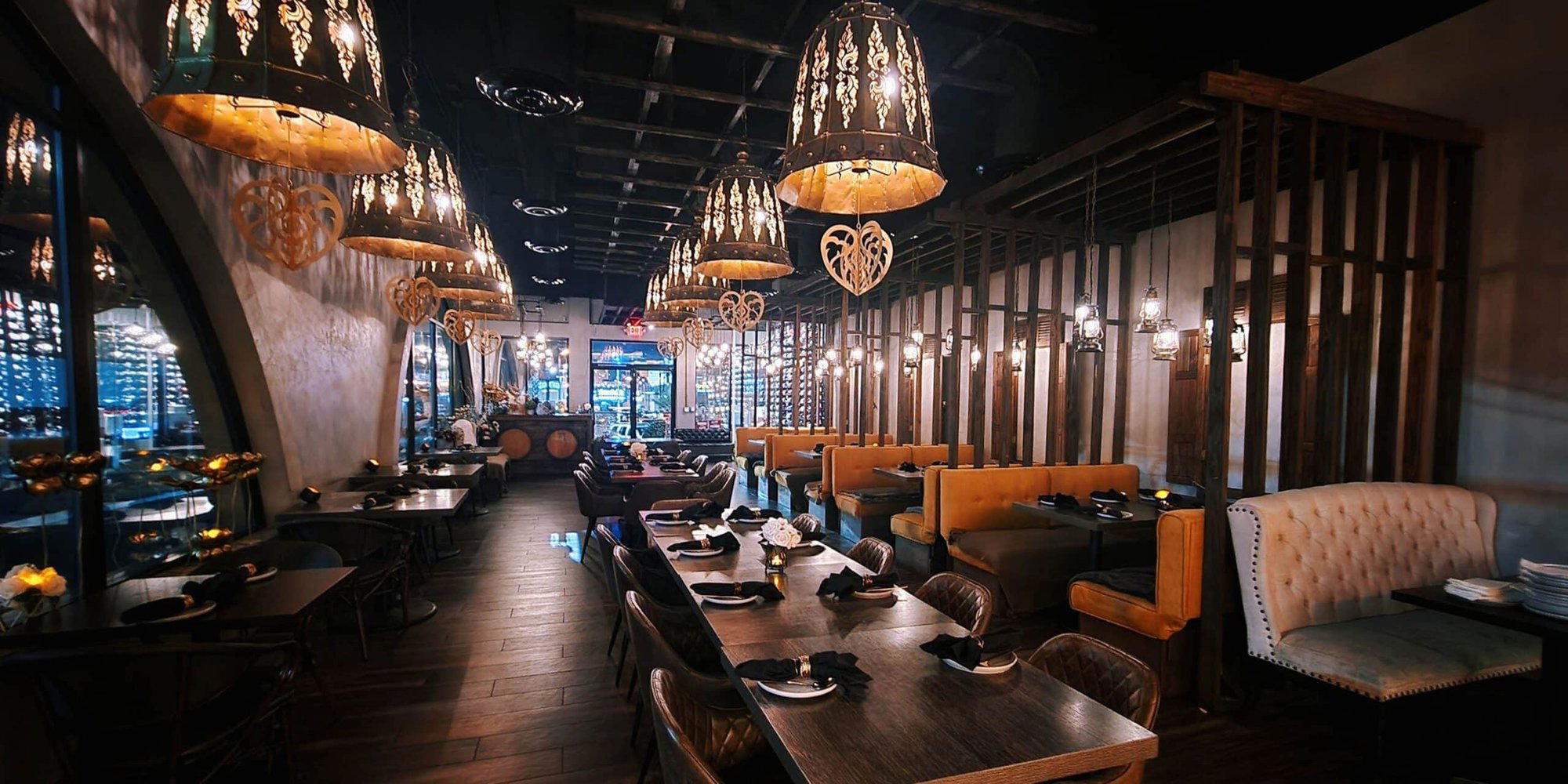
Details
- Casual Hangout
- A La Carte
Current opening hours
- Monday
- 8 AM–11 PM
- Tuesday
- 8 AM–11 PM
- Wednesday
- 8 AM–11 PM
- Thursday
- 8 AM–11 PM
- Friday
- 8 AM–11 PM
- Saturday
- 8 AM–11 PM
- Sunday
- 8 AM–11 PM
Hours can change for holidays and private events. Hours as of .