Nom Wah
Nom Wah brings Cantonese dim sum tradition to the northwest Las Vegas residential corridor at 221 N Rampart Blvd, operating in a city where Chinese cooking tends to cluster closer to the Strip. The format sits inside a long American lineage of Cantonese teahouse dining, where steam, timing, and wok discipline define the kitchen's rhythm. For Las Vegas diners seeking dim sum away from the casino floor, this address fills a practical gap.
Pearl is the En Primeur Club membership app — saves, bookings, and concierge access live there. Same editors, same standards.
- Address
- 221 N Rampart Blvd, Las Vegas, NV 89145
- Website
- nomwahlv.com
- Directions
- Get directions
 Saves & bookings on Pearl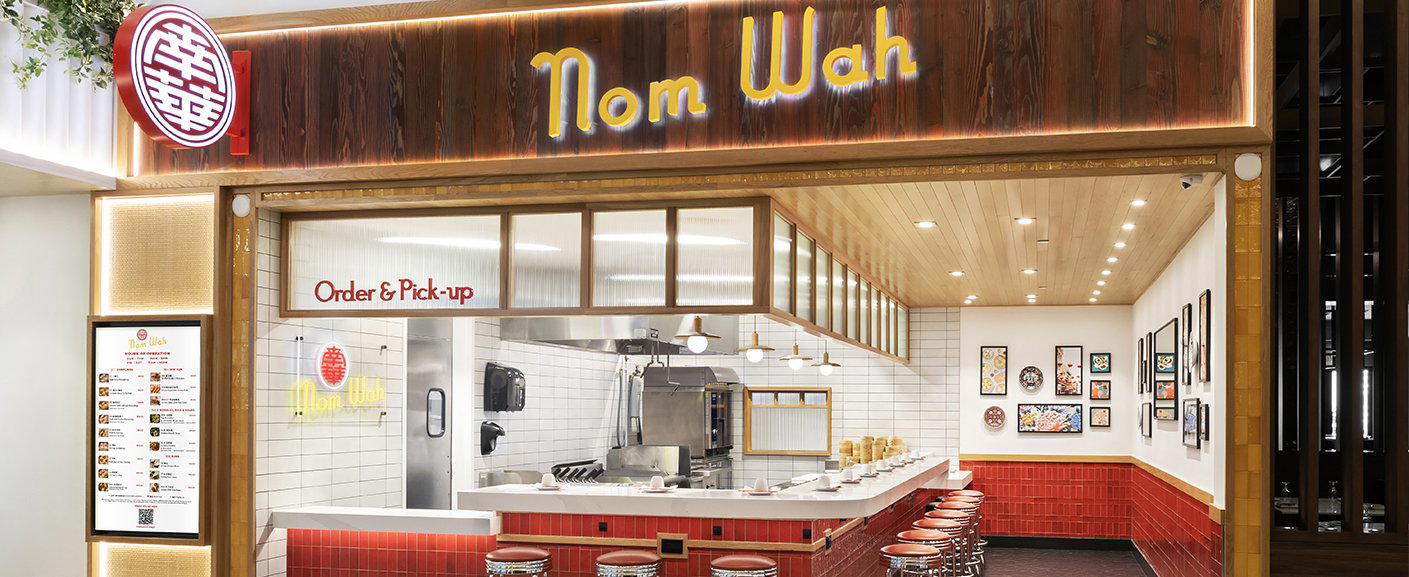
Cantonese Dim Sum in a City Built Around the Strip
Las Vegas has an odd relationship with Chinese cooking. The Strip and its immediate surrounds host a handful of high-profile Cantonese and pan-Asian rooms, mostly tucked inside casino properties where foot traffic does the heavy lifting. Off-Strip, the Chinese dining picture is thinner, which makes the northwest corridor around Rampart Boulevard a more deliberate destination. Nom Wah sits at 221 N Rampart Blvd, in a part of the city that functions as a residential dining district rather than a tourist circuit. That address alone tells you something about the likely diner: local, repeat, and not particularly interested in spectacle.
Dim sum as a format has its own internal logic that separates it from most other Chinese cooking traditions. Where a wok-forward dinner service depends on sustained heat, speed, and a cook's ability to manage a dozen orders in simultaneous motion, dim sum kitchens run on a different kind of discipline: the slow accumulation of small plates, steamed baskets timed for texture, and fried items that need to arrive at the table within seconds of leaving the oil. The Cantonese teahouse tradition that underlies the format is several centuries old, rooted in yum cha culture in Guangdong province, where tea drinking and small bites were inseparable social rituals. That tradition crossed the Pacific with Cantonese immigrants in the nineteenth century, took root in San Francisco and New York, and has since spread across American cities in forms ranging from cart-service banquet halls to more compact, counter-style operations.
What the Wok and the Steamer Basket Actually Demand
The editorial angle on any Cantonese dim sum room worth visiting is technique, and specifically the tension between two competing processes. The wok station produces items like turnip cake, pan-fried dumplings, and cheung fun rolls that need the Maillard reaction at high heat: a crust, a char, a snap. The steam station, by contrast, produces har gow, siu mai, and rice noodle rolls where the margin between well-suited and overworked is a matter of thirty seconds. Getting both right simultaneously, across a full service, is the actual measure of a dim sum kitchen. It is why experienced dim sum diners tend to arrive early, when the kitchen is fresh and the timing is tightest, rather than mid-afternoon when the rhythm has degraded.
American dim sum has gone through several format shifts over the past three decades. The large-format cart-service model, which dominated Chinese-American dining from the 1970s through the 1990s in cities like New York and San Francisco, has given way in many markets to a la carte ordering and smaller dining rooms. The cart format was inherently theatrical but inconsistent: a basket of siu mai that had been circling the floor for twenty minutes was a different product than one arriving from the kitchen. The shift to order-sheet or verbal ordering restores some kitchen control, though it changes the social texture of the meal. Nom Wah's New York location on Doyers Street, which has operated since 1920 and is among the longest-running dim sum addresses in the United States, became a reference point for the smaller, more intentional version of the format when it was revived in the early 2010s. The Las Vegas address at Rampart carries that name into a different market context.
Where Nom Wah Sits in Las Vegas's Broader Chinese Dining Picture
Las Vegas's more celebrated Asian cooking addresses tend to cluster on or near the Strip. Aburiya Raku represents the serious Japanese izakaya side of off-Strip dining, operating in the Spring Valley area with a reputation that draws kitchen professionals after their own services end. That model, a technically serious room in a non-casino location sustained by a loyal local following, is the closest peer template for what the restaurant is doing with Cantonese dim sum in the northwest corridor.
The comparison matters because it illustrates how Las Vegas's off-Strip dining ecology works. Without casino subsidies, foot traffic, or hotel captive audiences, a restaurant in the residential neighborhoods lives on repeat local business and word-of-mouth. That dynamic tends to produce a certain kind of operational focus: the menu stays tight, the kitchen stays consistent, and pricing reflects actual cost structures rather than Strip-level theater. For context on what Strip-adjacent Chinese and Asian dining looks like at the other end of the spectrum, see our full Las Vegas restaurants guide.
Nationally, the Cantonese dim sum tradition sits within a broader Chinese-American dining category that has never attracted the same critical infrastructure as, say, the French tradition represented by Le Bernardin in New York City or the tasting-menu format explored by Alinea in Chicago. Technically serious Chinese kitchens often operate without the awards infrastructure that gets attached to European-lineage restaurants. It does not reflect the difficulty of the cooking.
Planning a Visit: Practical Notes
The restaurant is at 221 N Rampart Blvd, Las Vegas, NV 89145, in the northwest residential section of the city, removed from the Strip and the downtown corridor. That location is a drive from most hotel addresses, which makes it more natural as a weekend morning or early afternoon destination for Las Vegas residents than for tourists on a single-night visit. Dim sum service globally tends to peak on weekend mornings, when families gather for the full yum cha experience, and the rhythm of a weekend visit is different from a weekday one.
In Context: Similar Options
Comparable venues nearby, for context on price, style, and recognition.
| Venue | Cuisine | Price | Notes |
|---|---|---|---|
| Nom WahThis venue — the venue you are viewing | Cantonese Dim Sum | $$ | Not listed |
| Beijing Noodle No. 9 | Northern Chinese Noodles and Dim Sum | $$ | South Las Vegas |
| Copper Sun - Resorts World | Polished Inner Mongolian Hot Pot | $$ | Northern Strip |
| The Noodle Den | Northern Chinese Hand-Pulled Noodles | $$ | Northern Strip |
| Shang Artisan Noodle | Hand-Pulled Chinese Noodles | $$ | West Side |
| Pearl Ocean | Chinese Dim Sum | $$ | Northern Strip |
Continue exploring
More in Las Vegas
Restaurants in Las Vegas
Browse all →
Bars in Las Vegas
Browse all →
At a Glance
- Classic
- Cozy
- Well Known
- Casual Hangout
- Group Dining
- Solo
- Open Kitchen
- Hotel Restaurant
- Craft Cocktails
Current opening hours
- Monday
- 11 AM–9 PM
- Tuesday
- 11 AM–9 PM
- Wednesday
- 11 AM–9 PM
- Thursday
- 11 AM–9 PM
- Friday
- 11 AM–10 PM
- Saturday
- 11 AM–10 PM
- Sunday
- 11 AM–9 PM
Hours can change for holidays and private events. Last verified .
Moody vintage woods, mosaic flooring, vintage red barstools, and yellow accents create an intimate, nostalgic vibe reminiscent of a bustling big-city eatery with warm, contemporary touches.