California Noodle House
California Noodle House at 12 E Ogden Ave sits in downtown Las Vegas, a stretch increasingly defined by local operators rather than Strip-adjacent concepts. The kitchen works within a noodle-focused format that has found consistent footing in a neighborhood where direct, ingredient-led cooking tends to outlast novelty. For visitors moving beyond the resort corridor, it functions as a useful reference point for the area's emerging independent dining scene.
Pearl is the En Primeur Club membership app — saves, bookings, and concierge access live there. Same editors, same standards.
- Address
- 12 E Ogden Ave, Las Vegas, NV 89101
- Phone
- +17023851222
- Website
- opentable.com
- Directions
- Get directions
 Saves & bookings on Pearl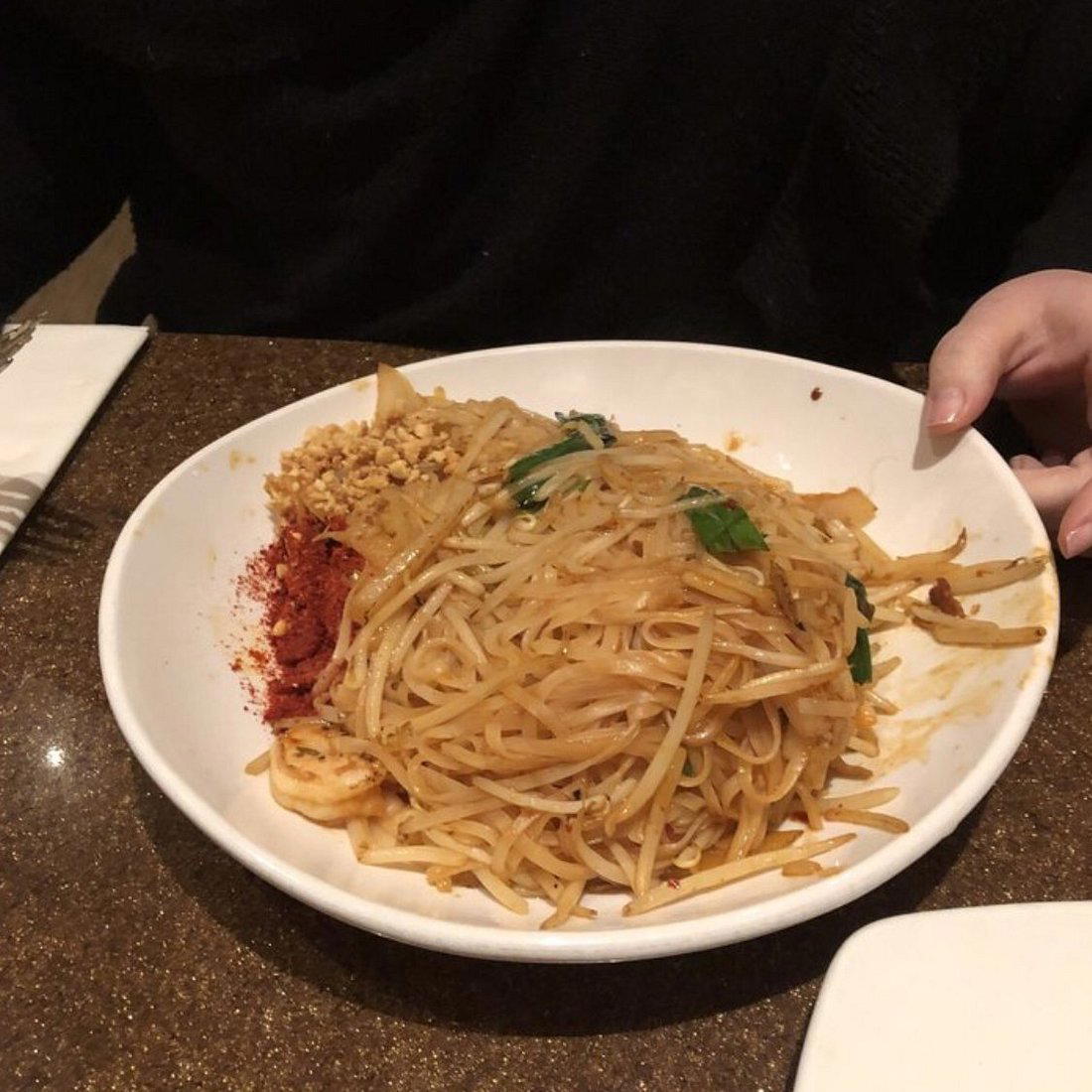
Downtown Las Vegas and the Case for the Everyday Bowl
The conversation about sustainability in American dining has long centered on fine-dining institutions: the farms-to-table tasting menus, the zero-waste kitchens attached to Michelin-chasing programs. California Noodle House is a casual restaurant in downtown Las Vegas, serving Asian Noodles with Hawaiian Flair at an everyday price point. Places like Blue Hill at Stone Barns in Tarrytown or Single Thread Farm in Healdsburg have built their entire editorial identity around sourcing ethics and waste reduction. But the more consequential sustainability story in American cities is quieter and less photographed: the neighborhood noodle house, the casual counter that keeps a loyal local base, runs lean operations, and sources within constraints that no Michelin-aspiring kitchen faces. California Noodle House, at 12 E Ogden Ave in downtown Las Vegas, belongs to that less-celebrated category.
Downtown Las Vegas has spent the better part of a decade reorganizing its dining identity. The Fremont East corridor and the blocks surrounding it have attracted a specific type of operator: independent, lower-overhead, focused on execution over spectacle. That context matters when reading California Noodle House. It is not a Strip property anchored by a celebrity name. It is a downtown address, and that placement shapes everything about its format and its role in the neighborhood.
The Noodle Format as a Sustainability Argument
Noodle-forward kitchens carry structural advantages that farm-to-table fine dining often cannot match. Broth-based cooking is by nature a low-waste discipline: bones, aromatics, and trim that would otherwise represent spoilage risk become the foundation of the menu. In Southeast Asian and East Asian noodle traditions, whole-animal and whole-vegetable thinking is not a marketing position but an operational baseline. The format that restaurant occupies sits inside that tradition, where reducing waste is less a philosophy and more a cooking imperative.
Contrast this with the high-ticket end of the Las Vegas dining spectrum. Properties like Craftsteak operate with premium protein programs that demand specific sourcing and carry higher spoilage risk at every stage. The sustainability burden at that price tier is significant, and the solutions tend to be expensive. At a neighborhood noodle house, the ingredient logic runs in the opposite direction: lower-cost, higher-utilization cookery that wastes less by design.
Across American cities, the restaurants with the longest tenure are disproportionately noodle shops, ramen counters, and pho houses, not because sentiment protects them but because the economics of the format create operational durability. That durability is its own kind of environmental story: a kitchen that stays open for fifteen years generates less construction waste, less equipment churn, and fewer supply-chain disruptions than a high-concept restaurant that closes in three.
Ogden Avenue and What the Address Tells You
Sitting on E Ogden Ave places the restaurant in the eastern edge of downtown, away from the concentrated tourist traffic of Fremont Street Experience but within reach of the local population that has made the surrounding blocks a proving ground for independent operators. Venues like 108 Eats, 18bin, and A Different Beast have established that this part of the city rewards operators who build for repeat local visits rather than one-time tourist capture. 777 Korean Restaurant nearby further illustrates that Asian-focused cuisines have carved a distinct presence in downtown Las Vegas, separate from the Strip's more globally branded Korean and Japanese programs.
That neighborhood composition matters for how to read the restaurant's positioning. A noodle concept in this corridor is not competing against the omakase counters of the Strip or the tasting-menu programs you'd find at Le Bernardin in New York City or Atomix. It is competing for the daily-dining loyalty of a downtown residential and creative-class population that has more dining options than it did five years ago but still prioritizes value, accessibility, and consistency.
Ethical Sourcing at the Everyday Price Point
The dominant sustainability narrative in American fine dining runs through the credentialed end of the market. Smyth in Chicago, Addison in San Diego, and The French Laundry in Napa can tell sourcing stories because their price points accommodate the cost of that transparency. The question that restaurant implicitly raises is whether ethical sourcing is accessible at the everyday price point, or whether it remains a premium-dining feature. That is a genuine tension in the broader industry, and noodle-format kitchens are among the places where it gets tested quietly, without press releases or award nominations.
Operators at this end of the market make sourcing choices that rarely surface publicly. Proteins, aromatics, and noodle stock all carry supply-chain decisions. The absence of public-facing sourcing data for the restaurant is consistent with its category: most neighborhood noodle houses do not narrate their supply chains, regardless of how those supply chains actually function. For a deeper read on what supply-chain transparency looks like when it becomes the organizing principle of an entire kitchen, Atelier Moessmer Norbert Niederkofler in Brunico offers an instructive European counterpoint, where regional sourcing has been codified into the restaurant's format and communicated explicitly to guests.
Planning a Visit
The restaurant is located at 12 E Ogden Ave, Las Vegas, NV 89101, in downtown Las Vegas. Reaching it from the Strip takes roughly ten to fifteen minutes by rideshare, and street parking in the area is generally more available than in the resort corridor. Its hours are Mon: Closed; Tue: 4–9 PM; Wed: 4–9 PM; Thu: 4–9 PM; Fri: 4–10 PM; Sat: 4–10 PM; Sun: Closed, and reservations are recommended. Readers with interest in the direction that sustainability-focused American cooking has taken at the credentialed end of the market will find useful reference points at Lazy Bear in San Francisco, Emeril's in New Orleans, and Providence in Los Angeles, though the restaurant operates in a different register entirely, and that is precisely the point.
A Pricing-First Comparison
Comparable venues nearby, for context on price, style, and recognition.
| Venue | Cuisine | Price | Notes |
|---|---|---|---|
| California Noodle HouseThis venue — the venue you are viewing | Not listed | $$ | Not listed |
| Yummy Rice | Chinatown, Hong Kong-Style Chinese Cafe | $$ | Not listed |
| Boon Tong Kee | Resorts World, Hainanese Chicken Rice | $$ | Not listed |
| Red 8 | South Las Vegas, Cantonese Asian Bistro | $$ | Not listed |
| Siegel's 1941 | Not listed | $$ | Las Vegas Boulevard Overlay District, Modern American Diner |
| PublicUs | Not listed | $$ | East Fremont, Modern American Bakery Café |
Continue exploring
More in Las Vegas
Restaurants in Las Vegas
Browse all →
Bars in Las Vegas
Browse all →
At a Glance
- Cozy
- Modern
- Casual Hangout
- Open Kitchen
- Hotel Restaurant
Current opening hours
- Monday
- Closed
- Tuesday
- 4–9 PM
- Wednesday
- 4–9 PM
- Thursday
- 4–9 PM
- Friday
- 4–10 PM
- Saturday
- 4–10 PM
- Sunday
- Closed
Hours can change for holidays and private events. Last verified .
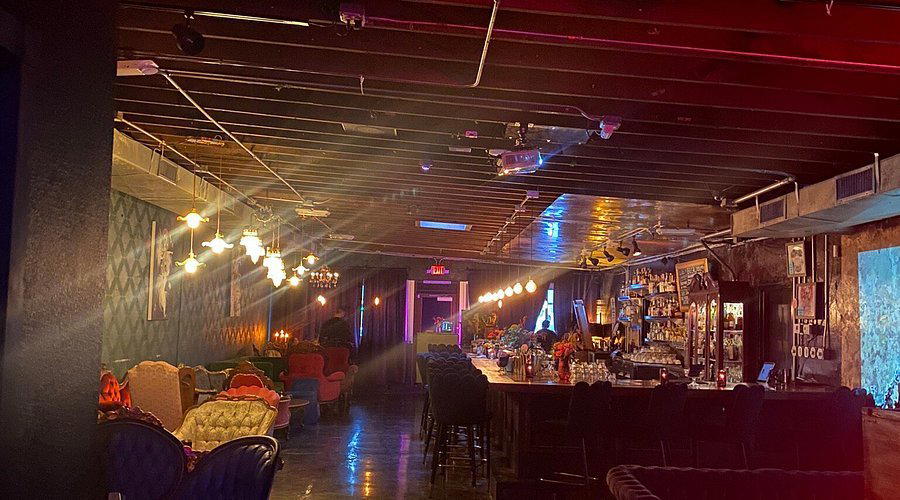
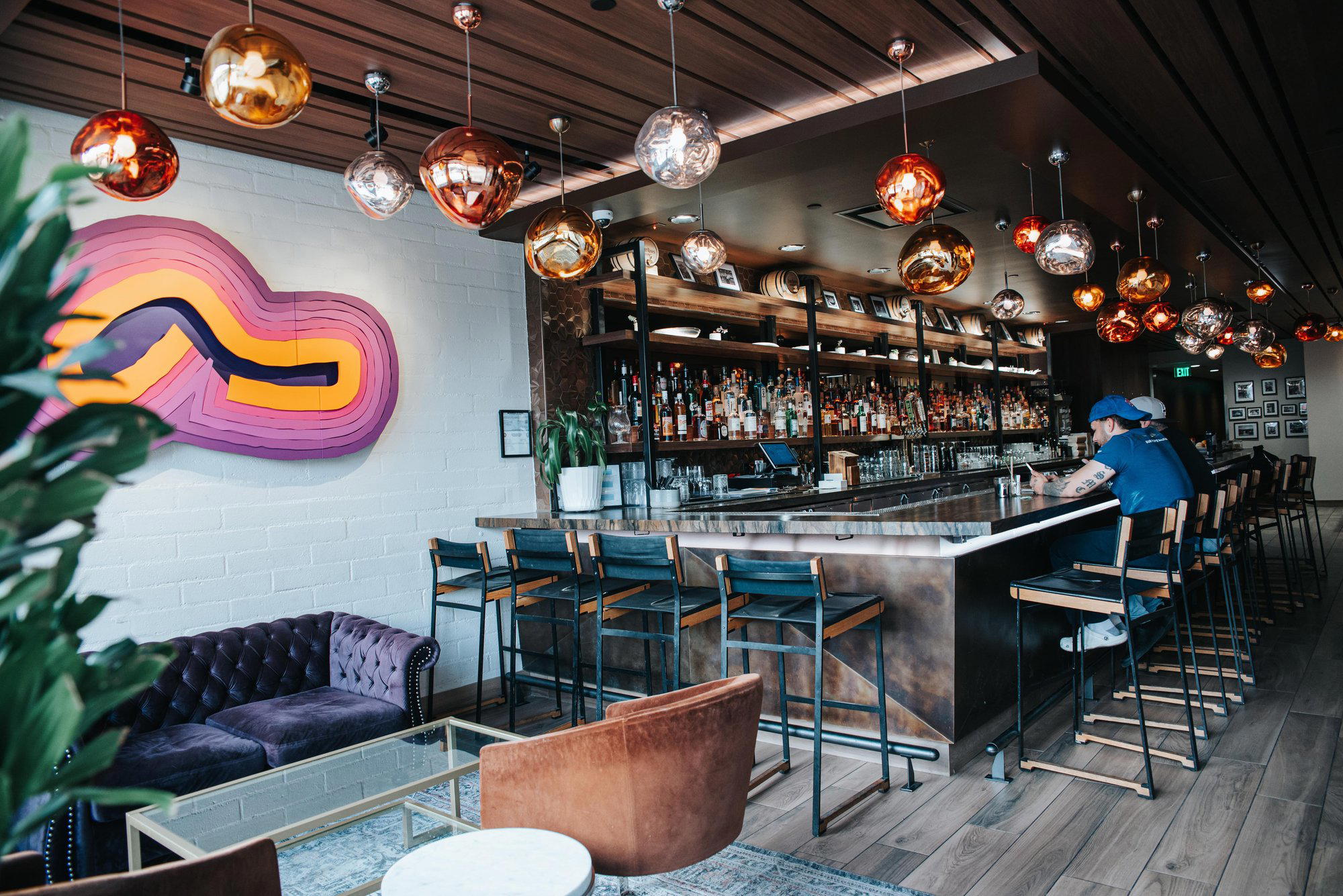
Inviting atmosphere with beautiful décor, open kitchen, and moderate noise levels.