108 Eats
Our verdict
Located at 2000 Las Vegas Blvd S, 108 Eats occupies a stretch of the Strip corridor where the dining scene has grown increasingly serious about local sourcing and globally-informed technique. With limited publicly available detail about its current format, the restaurant rewards those willing to seek it out directly before visiting Las Vegas.

Pearl is the En Primeur Club membership app, where members save venues, book tables and use the concierge.
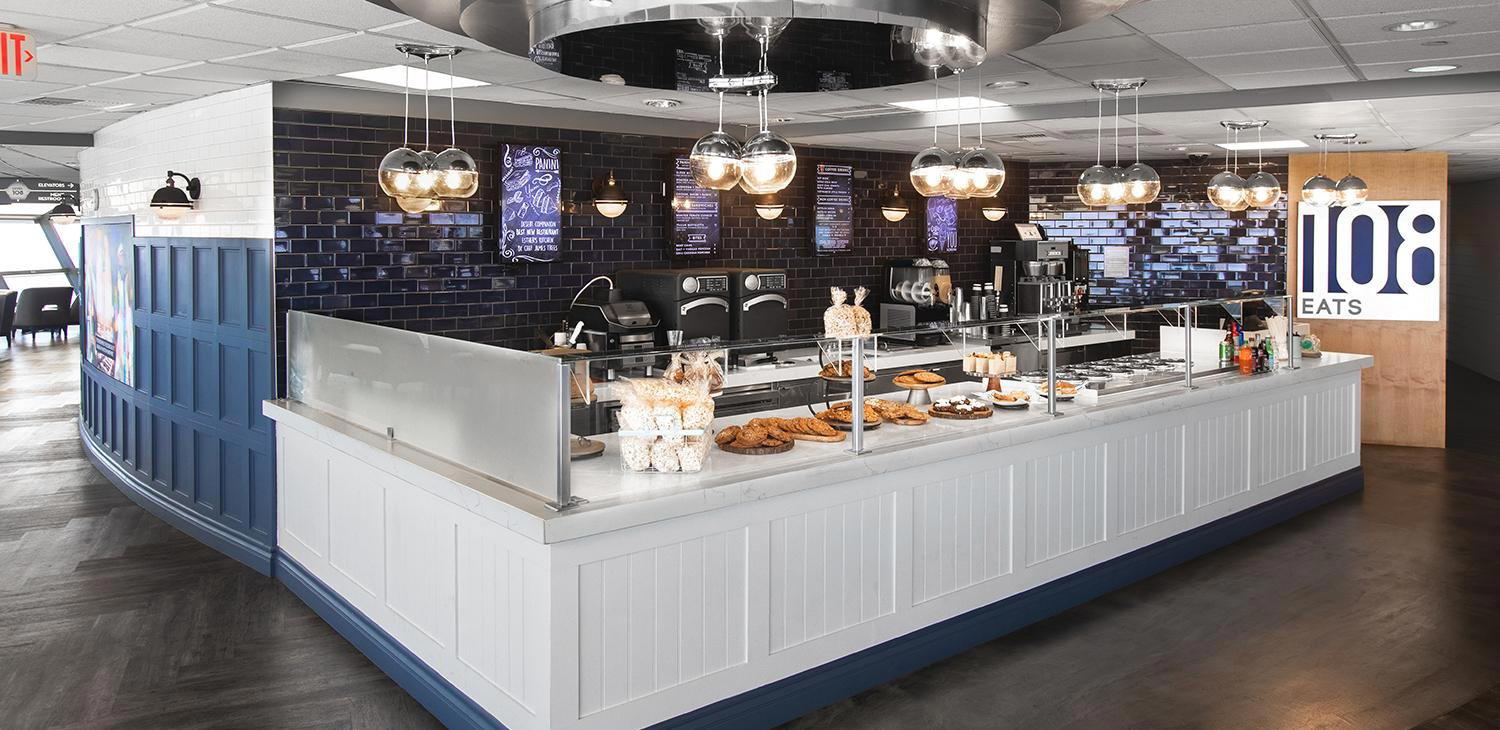
Where the Strip's Dining Ambitions Meet the Desert Floor
Las Vegas has spent two decades importing culinary pedigree from every direction: French-trained chefs from New York, omakase counters modeled on Tokyo, steakhouses anchored by USDA prime beef flown in daily. That pattern built the Strip's reputation, but it also created a secondary shift that is harder to track in press releases. A quieter cohort of addresses on and near Las Vegas Boulevard has started asking a different question: what does it mean to cook with serious technique in the Mojave, using what the American Southwest actually produces? 108 Eats, at 2000 Las Vegas Blvd S, sits within that broader conversation, in a part of the corridor where the casino-resort dining machine gives way to more independent operations and where the editorial question shifts from which celebrity chef signed the menu to what the kitchen is actually doing on a given Tuesday.
The address places it south of the high-concentration resort cluster, in a zone that longtime Las Vegas observers know as an area where dining experiments tend to run on local terms rather than resort-floor economics. That geographic distinction matters more than it sounds. Strip resort restaurants operate under occupancy pressures, tourist-cycle pricing, and brand-consistency obligations that shape menus as much as any chef's preference. Venues outside that orbit carry different constraints and, often, different freedoms.
The Editorial Context: Local Ingredients, Global Technique in the American Southwest
The intersection of imported culinary method and regional product is among the most generative tensions in American dining right now. It shows up at Single Thread Farm in Healdsburg, where kaiseki structure meets Sonoma County agriculture. It drives the sourcing logic at Blue Hill at Stone Barns in Tarrytown, where the farm calendar dictates the menu rather than accommodating it. And it appears, in a different register, at Addison in San Diego, where French classical training gets filtered through Southern California's ingredient library.
Nevada sits at the edge of this movement, geographically and culturally. The state produces Paiute-region heritage grains, Amargosa Valley garlic, Spring Mountain Range lamb, and a growing network of small hydroponic operations supplying restaurants that have decided the 48-hour trucking window from California is worth eliminating. When kitchens in Las Vegas engage seriously with these products, the result is not a marketing claim but a structural change in how menus are built: seasonality becomes real rather than decorative, and technique has to bend toward what the ingredient actually is rather than what the recipe assumes it will be.
That shift is easier to see at the level of the city's dining scene than at any single address. Restaurants like A Different Beast have pushed into adventurous territory on sourcing and format. 18bin has built a program around small-production wines and ingredient-driven small plates that would not be out of place in a considered West Coast city. Even the Korean dining scene, represented by venues like 777 Korean Restaurant, shows how technique migrates across culinary traditions in a city that draws professional kitchen talent from across the globe.
Where 108 Eats Sits in Las Vegas's Dining Tier Structure
Las Vegas dining operates across several distinct tiers that do not always map neatly onto price. At the upper bracket, Michelin-recognized rooms and celebrity-chef imports compete on credentials and spectacle. Venues like Craftsteak anchor the serious American steakhouse segment. The buffet format, represented at scale by operations like A.Y.C.E Buffet, serves a different function entirely. Between those poles, mid-register independent restaurants carry the most editorial interest for visitors trying to eat well without defaulting to the casino floor.
108 Eats occupies this middle space on Las Vegas Boulevard, in a location that does not signal the high-capital investment of a resort restaurant but does signal an address committed to a particular dining proposition.
For comparison across the broader American dining conversation, the technique-meets-terroir approach that characterizes serious kitchens in this register appears at very different price points: Lazy Bear in San Francisco runs a ticketed, multi-course format built around California forage and fermentation. Providence in Los Angeles applies French precision to Pacific seafood. Le Bernardin in New York City demonstrates how classical European method can be built entirely around one ingredient category. The ambition varies; the underlying editorial principle, that technique serves the ingredient rather than overrides it, connects them.
Planning a Visit: What to Know Before You Go
Current hours, booking method, and menu details for 108 Eats are best confirmed directly via their current channels before visiting, as operational details for independently-run venues on this stretch of Las Vegas Boulevard can shift seasonally. The address at 2000 Las Vegas Blvd S is accessible from central Strip points without a vehicle, though the walk from the main resort cluster covers meaningful distance, and most visitors approaching from the north end of the Strip will find a rideshare the practical choice. Las Vegas dining in the summer months runs on compressed timelines: outdoor movement between venues drops sharply in July and August, and restaurants that attract a local clientele tend to fill earlier in the evening than tourist-cycle operations. Visiting in shoulder season, October through early December or February through April, gives a more accurate read of a venue's baseline character.
For visitors building a wider Las Vegas dining itinerary, our full Las Vegas restaurants guide maps the city's dining options by neighbourhood, format, and cuisine type. Internationally, the technique-and-terroir register that defines the more interesting end of the Las Vegas independent dining scene has parallels at Atomix in New York City, Alinea in Chicago, Emeril's in New Orleans, The Inn at Little Washington, and, further afield, The French Laundry in Napa and 8 1/2 Otto e Mezzo Bombana in Hong Kong.
Frequently asked questions
Can I bring kids to 108 Eats?
108 Eats is located at 2000 Las Vegas Blvd S, a stretch of the boulevard that draws a broad mix of visitors rather than an exclusively adult crowd.
What kind of setting is 108 Eats?
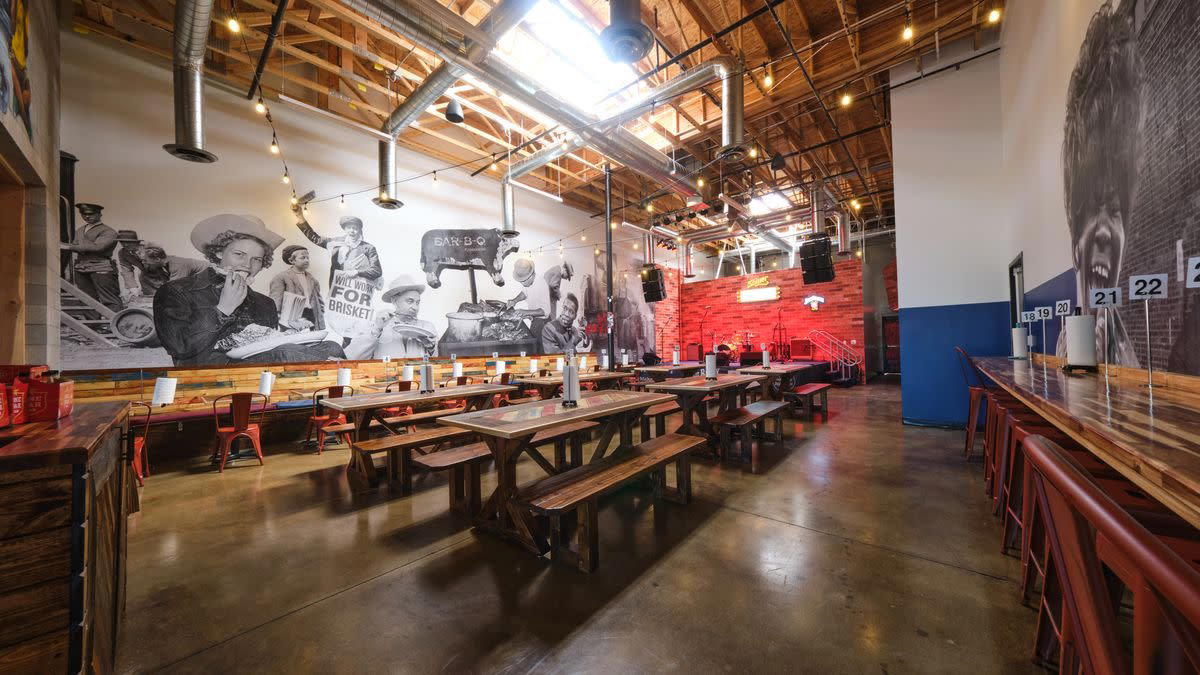
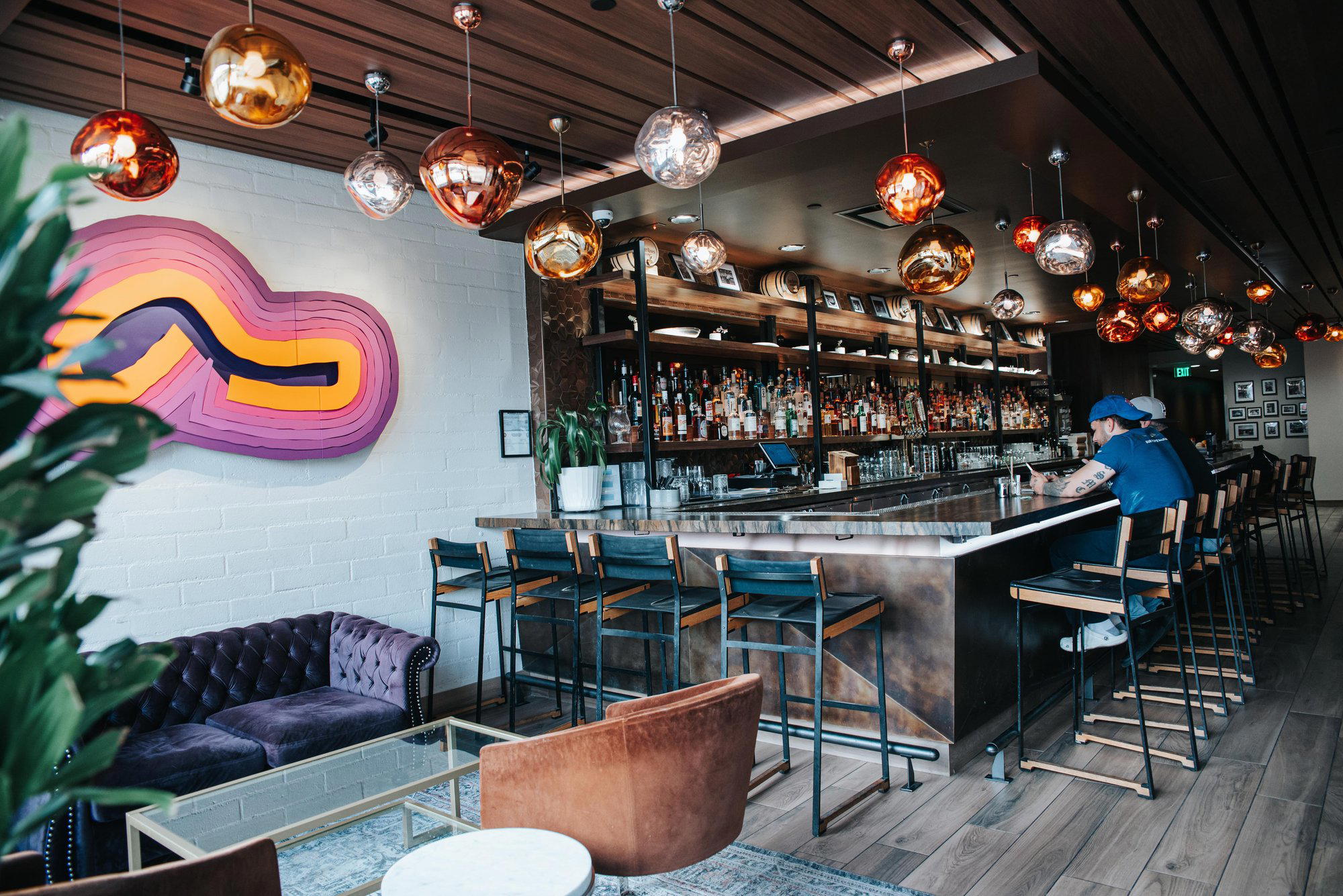
108 Eats occupies a Las Vegas Boulevard address that places it squarely within the Strip corridor, though the 2000-block sits slightly south of the resort cluster. That position tends to produce a more neighborhood-facing atmosphere than the casino dining rooms further north. Confirm current hours and format directly before visiting, as operational details can shift.
How does 108 Eats compare to other independent restaurants near the Las Vegas Strip?
Las Vegas dining is heavily concentrated inside casino properties, which makes independently positioned addresses like 108 Eats at 2000 Las Vegas Blvd S a distinct category in their own right. Non-casino rooms on the boulevard generally offer a different pace and pricing structure than the Michelin-tracked hotel dining rooms further along the Strip.
What should I order at 108 Eats?
Specific menu items and signature dishes are best confirmed through current channels before your visit, as menus at Las Vegas restaurants at this address tier can rotate seasonally. Reaching out directly via their current contact method will give you the most accurate picture of what is being served.
Peers You’d Cross-Shop
Comparable venues nearby, for context on price, style, and recognition.
| Venue | Cuisine | Price | Notes |
|---|---|---|---|
| 108 EatsThis venue (the venue you are viewing) | American Cafe | $10–20 | Not listed |
| Evel Pie | New York-Style Pizza | $10–20 | Las Vegas Boulevard Overlay District |
| Java Vegas | American Cafe | $10–20 | The Asian District |
| Marilyn's Cafe | Classic American Diner | $10–20 | The Strip |
| McCall's Heartland Grill | Heartland Steakhouse & BBQ | $30–50 | Northern Strip |
| Junior's | Classic New York Deli & Cheesecake | $20–30 | Northern Strip |
Continue exploring
More in Las Vegas
Restaurants in Las Vegas
All restaurants in Las Vegas →
Bars in Las Vegas
All bars in Las Vegas →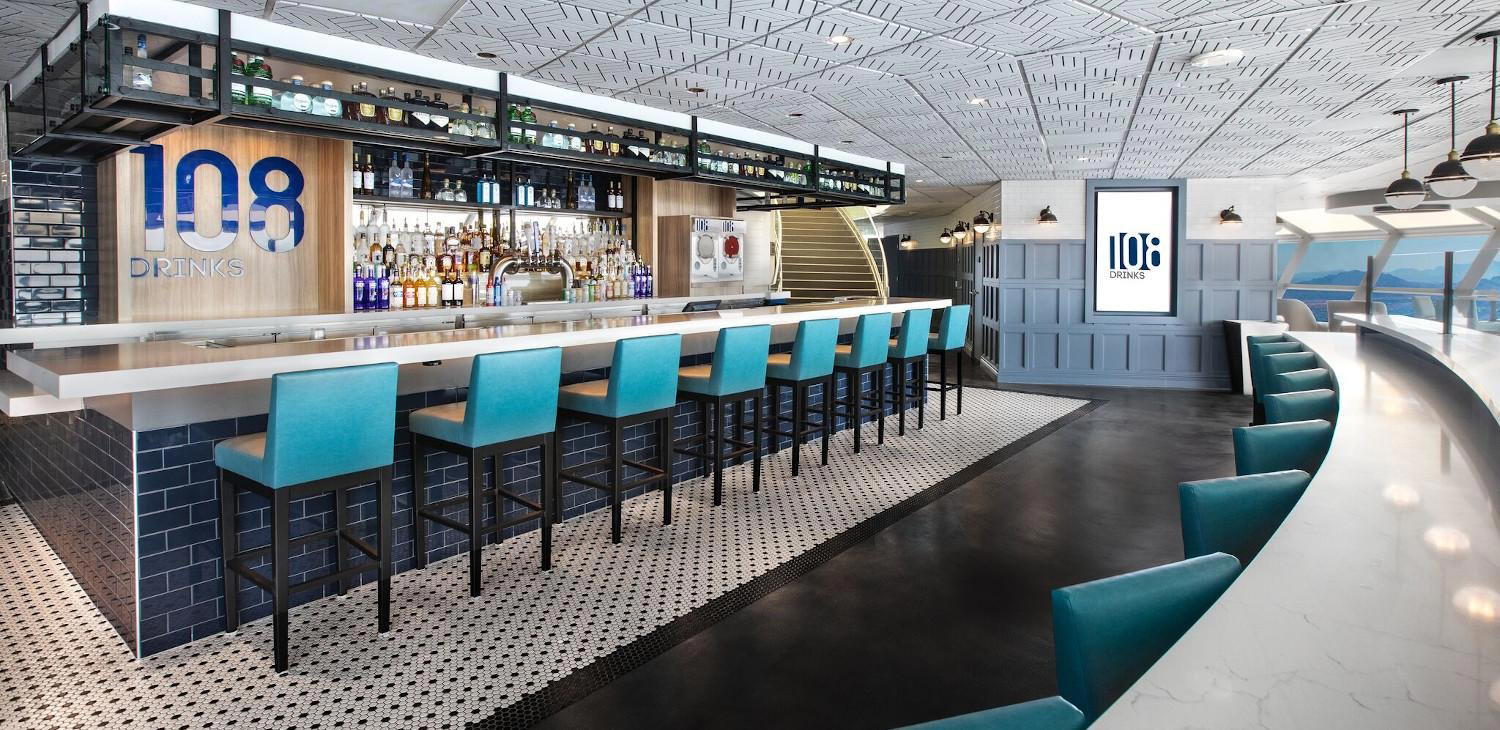
Details
- Modern
- Scenic
- Casual Hangout
- Panoramic View
- Hotel Restaurant
- Skyline
- A La Carte
Current opening hours
- Monday
- 11 AM–11 PM
- Tuesday
- 11 AM–11 PM
- Wednesday
- 11 AM–11 PM
- Thursday
- 11 AM–11 PM
- Friday
- 11 AM–11 PM
- Saturday
- 10 AM–11 PM
- Sunday
- 10 AM–11 PM
Hours can change for holidays and private events. Hours as of .
Bright observation deck atmosphere with floor-to-ceiling windows providing spectacular 360-degree city views.