CHĪ Asian Kitchen
Our verdict
CHĪ Asian Kitchen occupies a prominent address on the Las Vegas Strip, where the city's Asian dining spectrum has grown considerably more varied over the past decade. The restaurant operates within a broader shift in Strip dining toward cuisine-specific formats that sit between casual buffet-style eating and formal tasting-counter experiences. For visitors plotting an itinerary along Las Vegas Boulevard, it represents a mid-register Asian option within easy reach of the corridor's main hotel clusters.

Pearl is the En Primeur Club membership app — saves, bookings, and concierge access live there. Same editors, same standards.
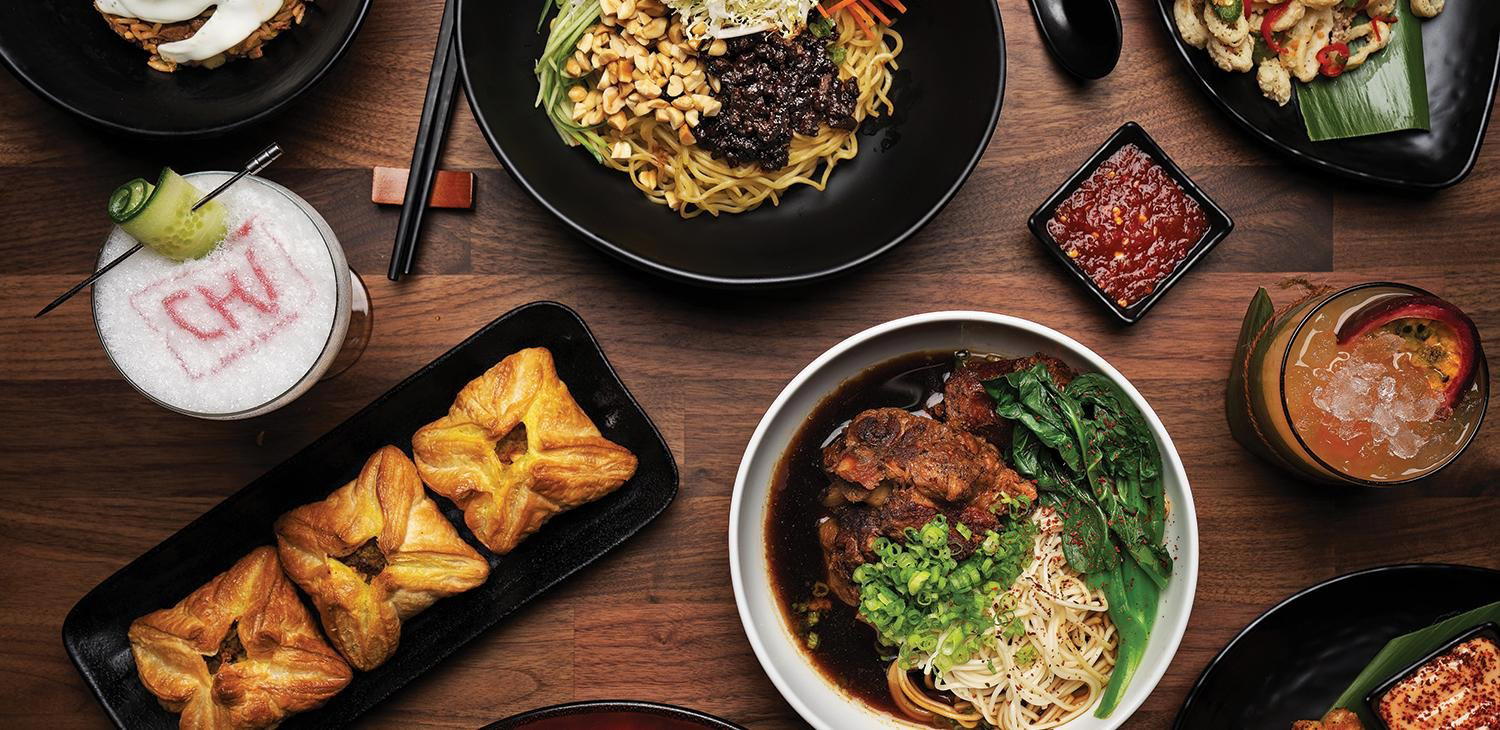
The menu
What to order
- Peking Duck
- Orange Chicken
- Salt and Pepper Calamari
- Curry Puffs
The Strip's Asian Dining Register, and Where CHĪ Fits
Las Vegas Boulevard has spent the last decade sorting itself into tiers. At one end, you have the spectacle-scale operations like Bacchanal Buffet, where volume and variety are the product. At the other, you have the precision-counter formats: Kabuto and Yui Edomae Sushi, where a seat at the bar is a commitment to a specific tradition and a specific chef's hand. CHĪ Asian Kitchen at 2000 Las Vegas Blvd S positions itself in the space between those poles, offering a broader Asian kitchen format to a Strip audience that skews toward familiarity alongside ambition.
That middle register is harder to hold than it looks. The Strip's dining economy rewards clear identity, and "Asian kitchen" as a category marker can mean anything from pan-continental buffet to a tightly edited regional menu. What matters, for the reader making a booking decision, is understanding which version of that format a given restaurant actually delivers, and how the physical space shapes the experience from the moment you walk in.
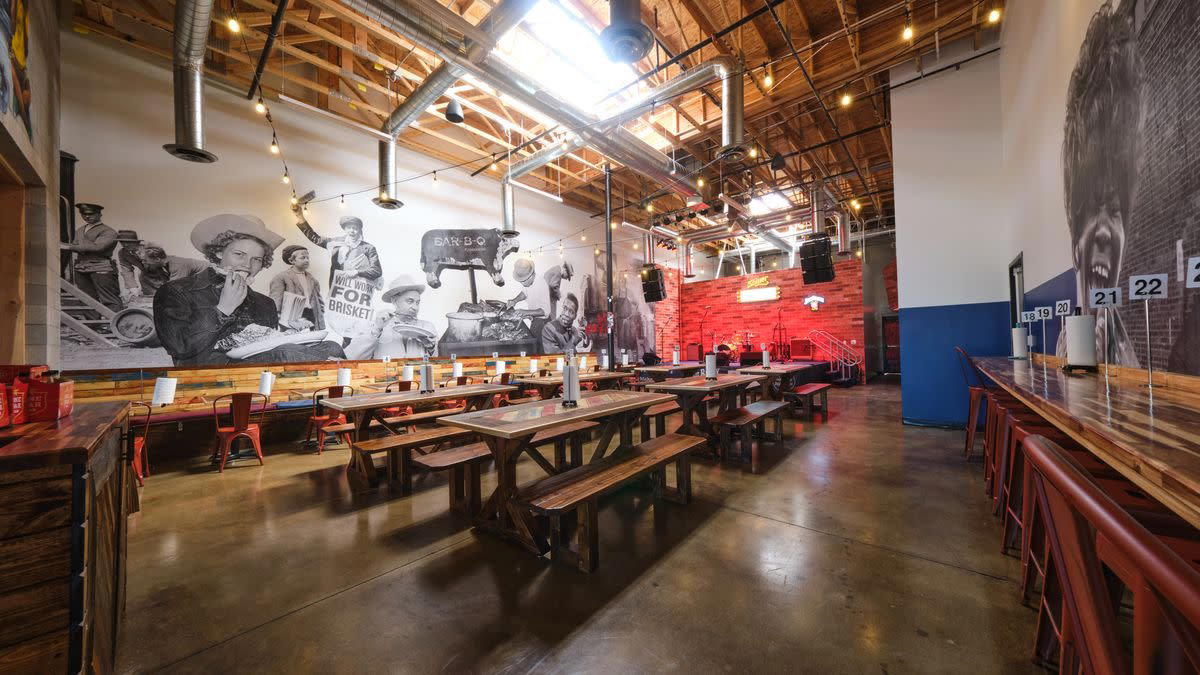
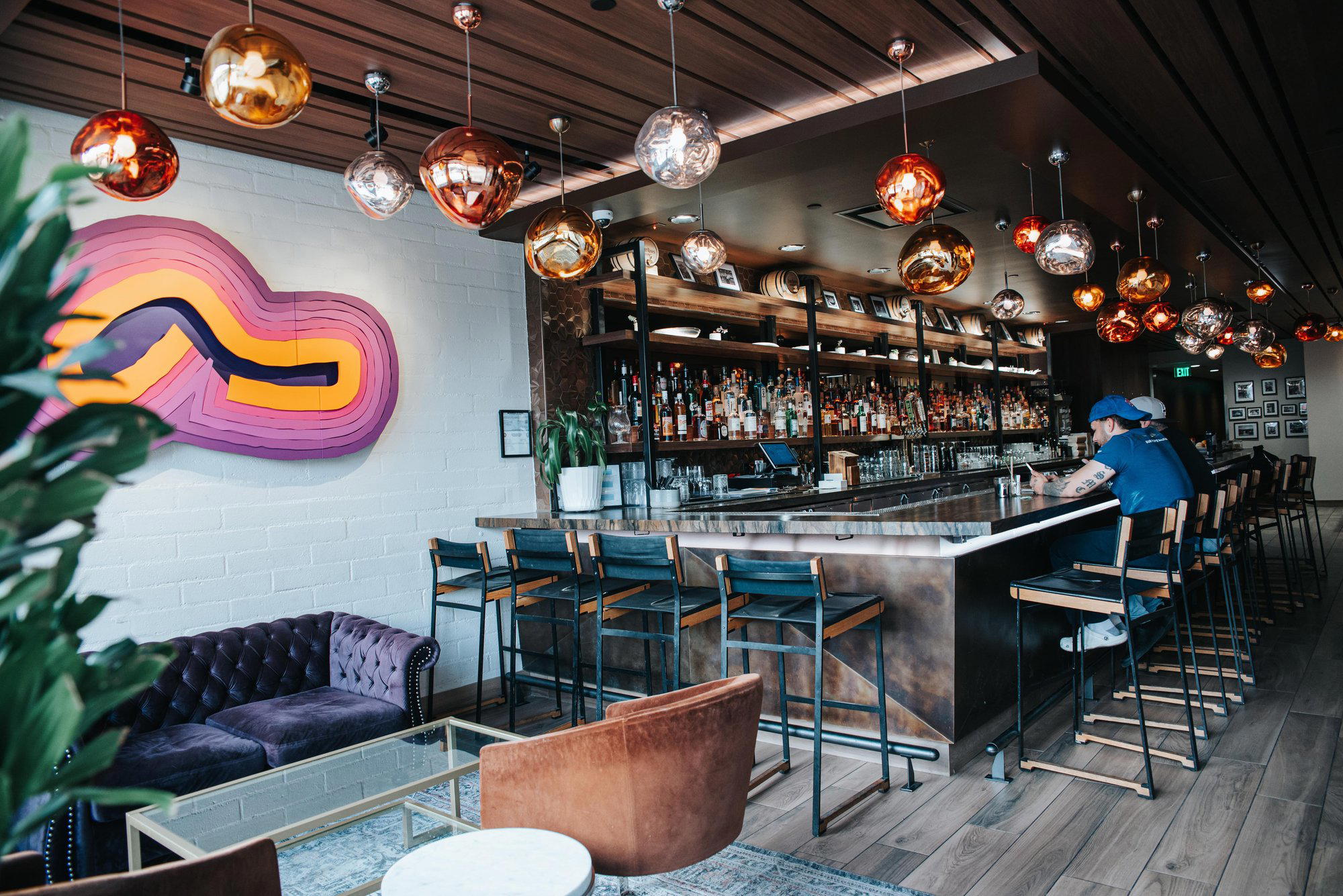
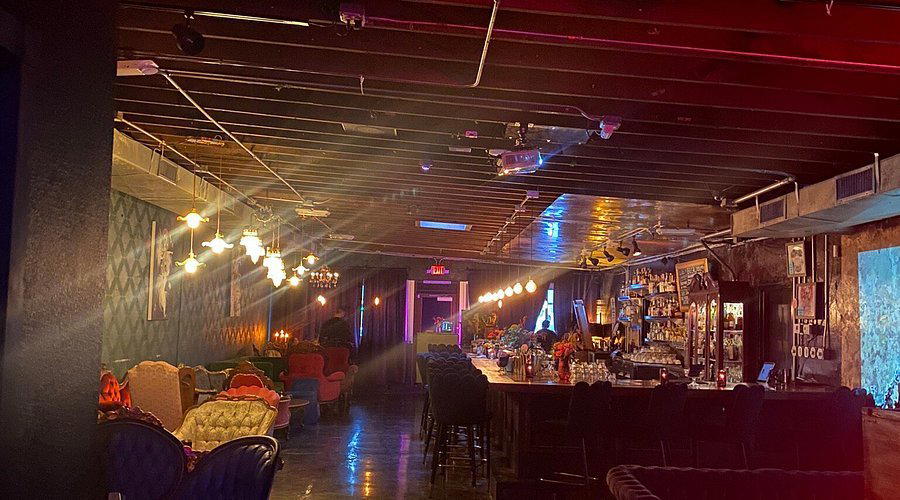
The Physical Container: What the Space Communicates
Interior architecture on the Strip tends to operate at two settings: maximalist casino-floor adjacency, with all the noise and light bleed that implies, or deliberate enclosure, where the design creates a room that feels separate from the building around it. The latter requires discipline: lower ceilings, controlled lighting, materials that absorb rather than reflect sound, and a seating arrangement that gives tables enough separation to feel like private territory rather than a production line.
CHĪ Asian Kitchen's address on the Boulevard places it within a dense stretch of hotel and retail development where the challenge of creating a defined dining environment is significant. Asian dining spaces that succeed in this part of the Strip typically do so by committing to a visual grammar, whether that's the clean-lined restraint associated with Japanese minimalism, the layered warmth of Southeast Asian-influenced interiors, or the bold colour registers that Chinese and Korean-influenced spaces have used effectively elsewhere in the city. The design choices a restaurant makes in this environment communicate something about its competitive positioning before a single dish arrives.
For context, the contrast is visible across the Strip's Asian options. Kabuto's counter format is almost entirely determined by its physical layout: eight or so seats, a chef working directly in front of you, the intimacy enforced by the room itself. That design decision collapses the distance between kitchen and diner in a way that defines the entire value proposition. A broader Asian kitchen format like CHĪ operates differently, with a seating arrangement that typically accommodates groups and walk-ins as well as pre-planned occasions, and a room scale that needs to hold multiple dining modes simultaneously.
Las Vegas as a Context for Asian Cuisine
The city's Asian dining has grown more specific over time. A decade ago, the Strip's offering in this category leaned heavily toward Chinese-American and pan-Asian formats aimed at the broadest possible audience. That picture has changed. Dedicated sushi counters with serious omakase programs now operate in the same city as Korean specialists like 777 Korean Restaurant and more casual but focused operations like 108 Eats. The competition for the Asian-curious diner has sharpened, and the formats that hold their ground tend to have a point of view that survives repeat visits.
That evolution mirrors what has happened in cities with deeper Asian dining infrastructure. In New York, Korean fine dining has reached the tier of Atomix, where a full tasting counter competes directly with the city's European-tradition fine dining rooms. In Los Angeles, seafood-forward restaurants like Providence have incorporated Asian technique into a framework that sits comfortably alongside format-defining American restaurants such as The French Laundry in Napa, Smyth in Chicago, and Le Bernardin in New York City. Las Vegas is not operating at that tier across the board, but the directional pull is the same: specificity and craft are gradually displacing volume and novelty as the primary value signal.
Within the Strip itself, CHĪ sits near properties that include Craftsteak, a long-running American steakhouse format, and newer entrants like A Different Beast and 18bin, which represent the more experimental end of Las Vegas dining. That peer group suggests a corridor that is diversifying in format and ambition, even if the dominant economics still favour high-volume operations. See our full Las Vegas restaurants guide for a broader map of where the city's dining is moving.
Who This Restaurant Serves
Strip dining decisions are often made under time pressure and with mixed-group dynamics: a party that wants variety, proximity to the hotel, and a room that can absorb a conversation. An Asian kitchen format addresses that scenario directly.
That said, visitors arriving from cities with deep Asian dining traditions, whether that's the Bay Area's Japanese and Chinese infrastructure or the Korean dining density of Los Angeles, will carry a reference point that a broad Asian kitchen has to work against. The comparison is not necessarily unfair, but it is real. What CHĪ offers in that context is primarily convenience, location, and a format that serves the Strip's core occasion: a meal that works before or after the main event of a Las Vegas evening.
For those building a more considered Las Vegas dining itinerary, the city's specialist options, Kabuto for omakase, 777 Korean for Korean grilling, Chica for Latin crossover, Sinatra for Italian, represent a more format-specific route. But the generalist Asian kitchen has a legitimate place in the ecosystem, particularly for first-time Strip visitors or those with a group that hasn't converged on a single cuisine preference.
Know Before You Go
Specific allergy queries should be directed to venue staff before arrival.
Note: Verify current contact information through the host property or a third-party reservations platform.
Frequently asked questions
What's CHĪ Asian Kitchen's location?
CHĪ Asian Kitchen is located at 2000 Las Vegas Blvd S, Las Vegas, NV 89104, Las Vegas.
Is CHĪ Asian Kitchen a good option for dining near the middle of the Las Vegas Strip?
The address at 2000 Las Vegas Blvd S places CHĪ Asian Kitchen at a high-traffic midpoint on the Strip, within walking distance of several major hotel-casinos. An Asian kitchen format suits mixed groups precisely because the menu breadth reduces the likelihood of a veto from any single diner.
What should I eat at CHĪ Asian Kitchen?
EP Club does not hold verified menu data for CHĪ Asian Kitchen, so dish-level recommendations would be speculative. The Asian kitchen format at 2000 Las Vegas Blvd typically spans multiple regional cuisines, which means the menu likely rewards ordering across categories rather than anchoring to a single protein or preparation. Check the restaurant directly for current offerings before your visit.
Is CHĪ Asian Kitchen reservation-only?
Strip restaurants in the casual-to-mid tier at this address on Las Vegas Boulevard generally take walk-ins during weekday lunch hours but tighten considerably on weekend evenings and during convention periods. Contacting the venue directly before a time-sensitive visit is the practical move.
What is CHĪ Asian Kitchen known for?
CHĪ Asian Kitchen operates at 2000 Las Vegas Blvd S, positioning it in the central Strip dining corridor where Asian kitchen formats have grown more regionally specific over the past decade. The broader Asian kitchen concept at this address serves a mixed dining public that values range and proximity to major Strip hotels.
How does CHĪ Asian Kitchen handle allergies?
Asian kitchen menus typically involve shellfish, soy, sesame, and gluten-containing sauces across multiple dishes, making cross-contamination a real operational consideration. EP Club holds no documented allergen policy for CHĪ Asian Kitchen at this time. Guests with serious allergies should call or message the venue directly before visiting — and not rely on assumptions based on cuisine category alone.
Side-by-Side Snapshot
Comparable venues nearby, for context on price, style, and recognition.
| Venue | Cuisine | Price | Awards | Notes |
|---|---|---|---|---|
| CHĪ Asian KitchenThis venue — the venue you are viewing | Chinese-Asian Fusion | $30–50 | Not listed | Not listed |
| China Mama | Contemporary Chinese Fusion | $30–50 | Not listed | Rancho Sereno |
| The Noodle Den | Northern Chinese Hand-Pulled Noodles | $30–50 | Not listed | Northern Strip |
| Noodle Asia | Chinese Noodle & Dim Sum | $20–30 | Not listed | South Las Vegas |
| Red Plate | Contemporary Cantonese with Modern Inspiration | $50–100 | Wine Spectator Award of Excellence | The Strip |
| Taste of Asia | Authentic Chinese & Dim Sum | $20–30 | Not listed | Angel Park Ranch |
Continue exploring
More in Las Vegas
Restaurants in Las Vegas
All restaurants in Las Vegas →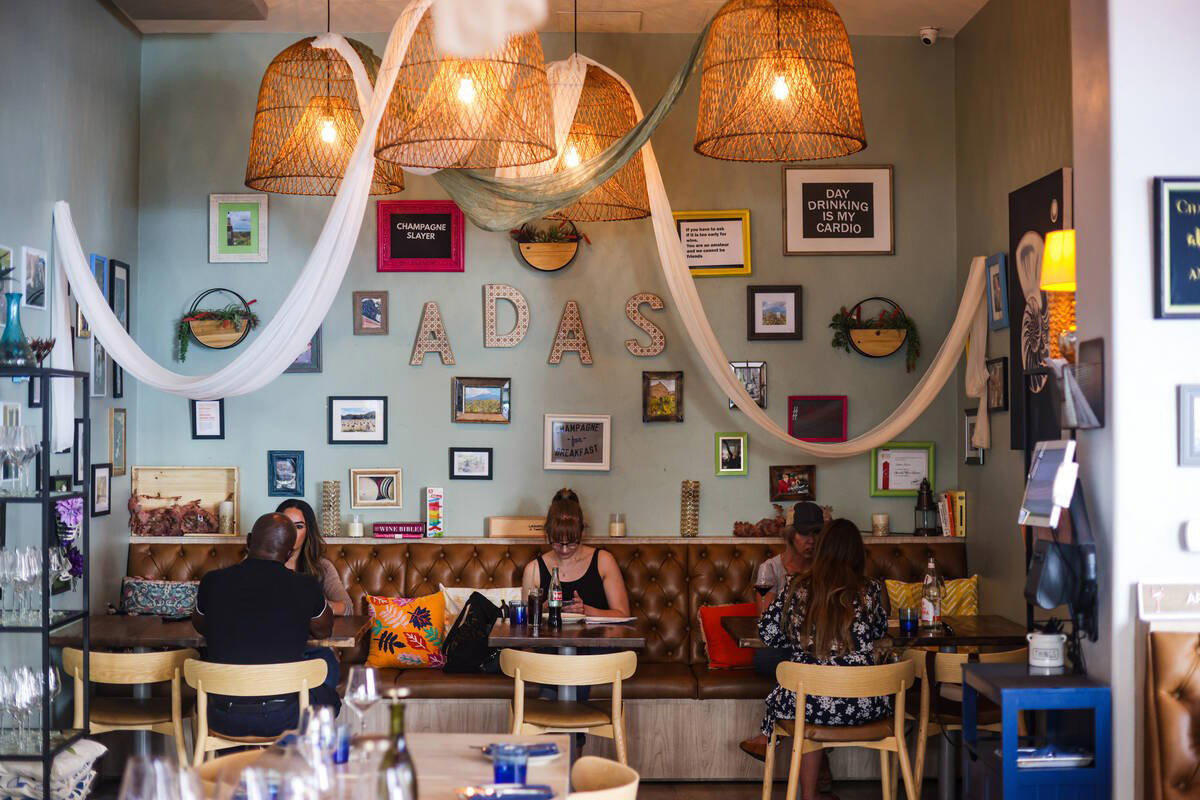
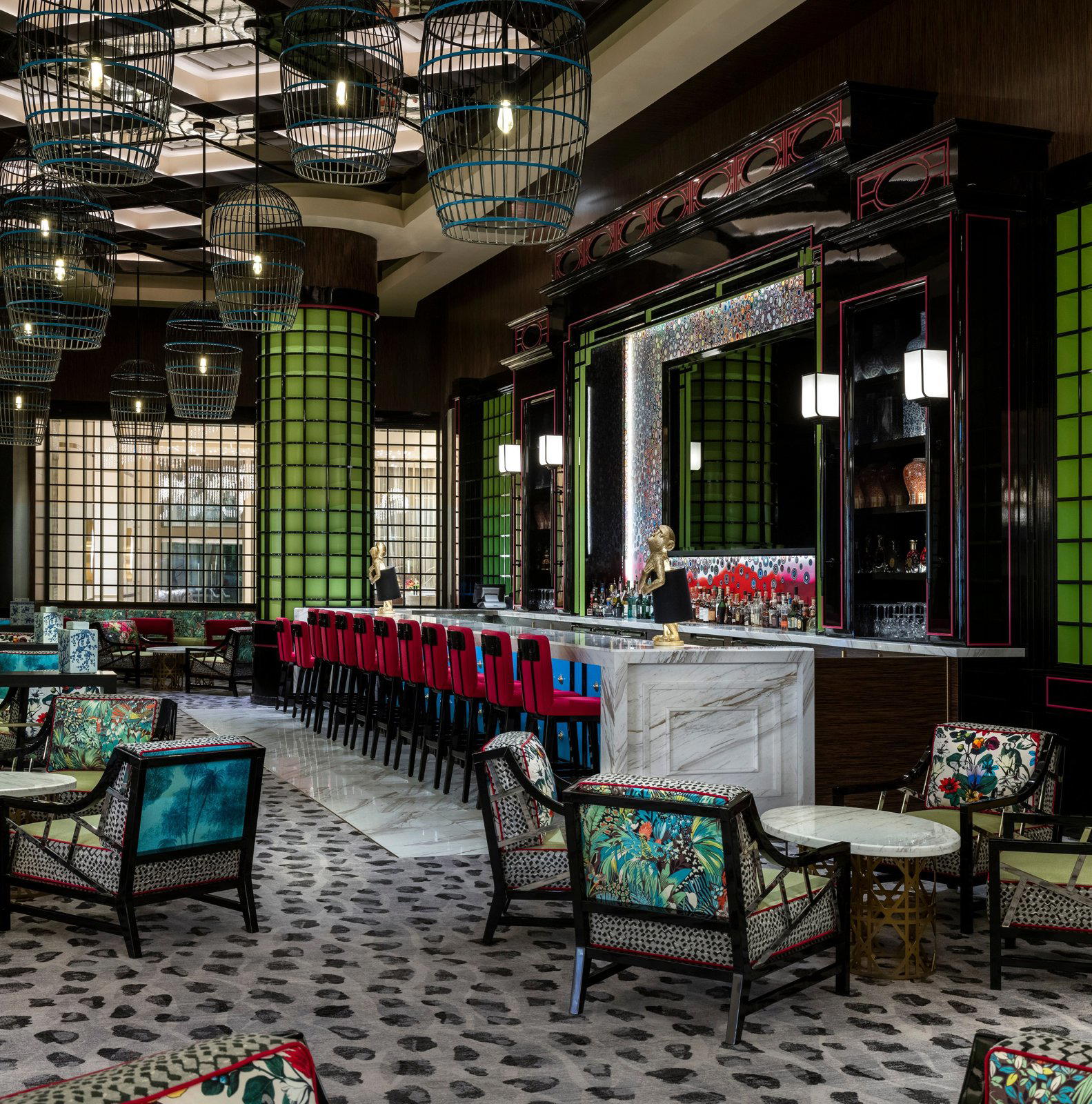
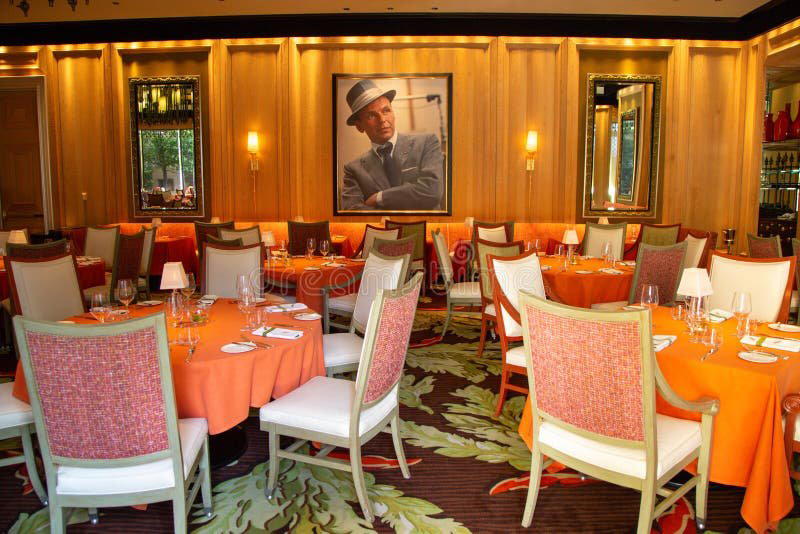
Bars in Las Vegas
All bars in Las Vegas →
Details
- Trendy
- Sophisticated
- Modern
- Energetic
- Group Dining
- Casual Hangout
- Special Occasion
- Hotel Restaurant
- Open Kitchen
- Craft Cocktails
- A La Carte
- Small Plates
- Craft Cocktails
Current opening hours
- Monday
- 4–10 PM
- Tuesday
- Closed
- Wednesday
- Closed
- Thursday
- 4–10 PM
- Friday
- 4–11 PM
- Saturday
- 4–11 PM
- Sunday
- 4–10 PM
Hours can change for holidays and private events. Last verified .
Dark and sophisticated dining room with street-inspired decor, neon accents, graffiti art, and a playful bicycle repair shop side room.