What the Regulars Already Know
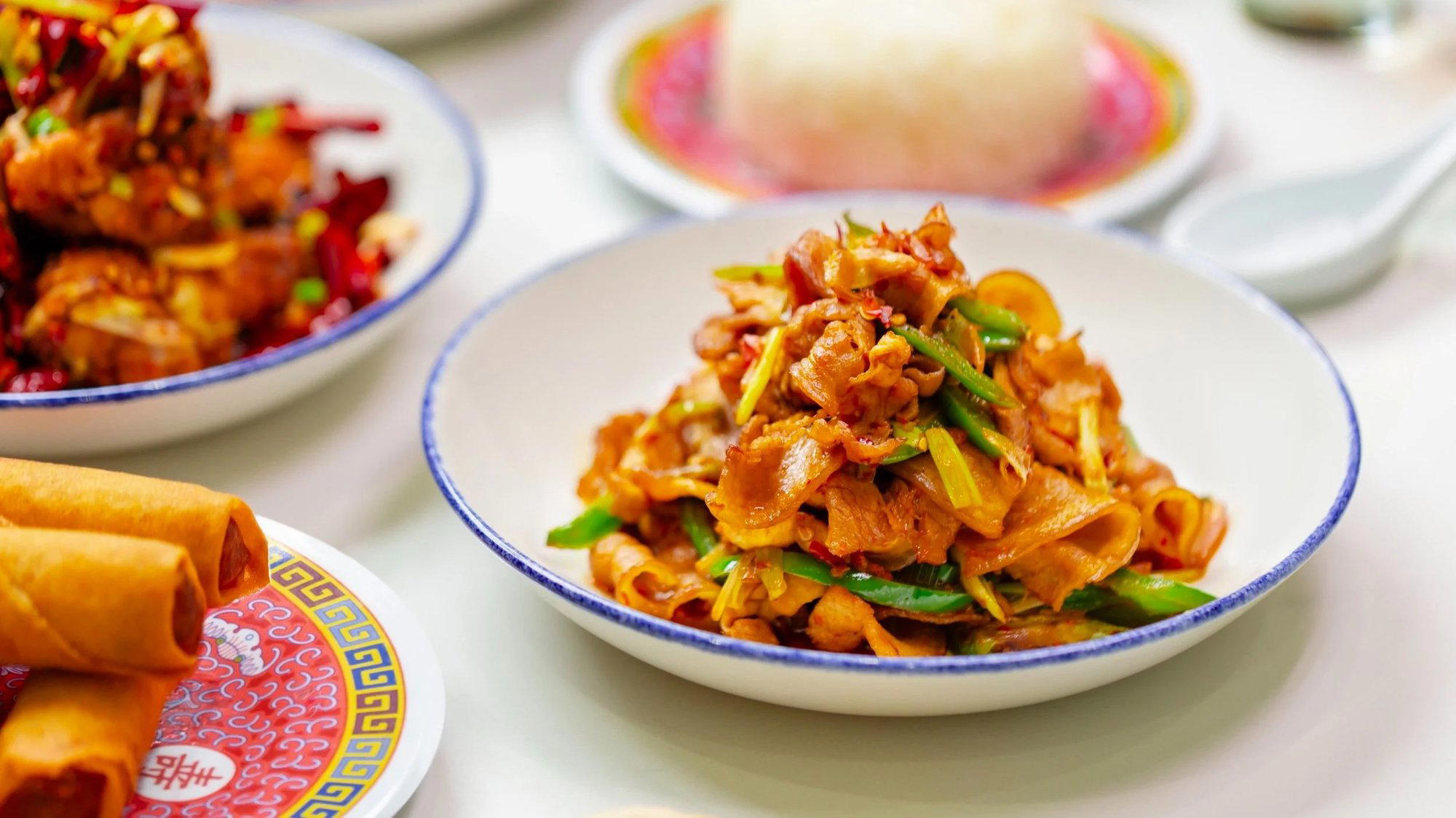
In a city where the tourist-to-resident dining ratio is extreme, the restaurants that build loyal local followings tend to do so on consistency and specificity rather than spectacle. The regular at Chef Xue is not coming for an occasion dinner engineered for a first-time visitor. They are returning because the kitchen delivers a particular register of Chinese cooking that they have calibrated against, and which the Strip properties — despite their ambitions, rarely replicate at the same price-to-quality ratio.
This dynamic is well-documented across American cities with substantial Chinese-American communities: the venues that earn repeat custom are those that cook for the table as it is, not as marketing assumes it to be. Ordering habits at these restaurants tend to be confident and specific. Regulars bypass the illustrated sections of the menu aimed at broader audiences and move directly to the preparations that reward familiarity with the cuisine. The unwritten menu, the dishes that are known by description rather than printed name, the seasonal preparations that appear when supply warrants, is typically accessible only once a degree of trust and frequency is established.
For diners approaching Chef Xue from outside that regular cohort, the practical implication is to resist the temptation to order defensively. Chinese regional kitchens at this tier reward curiosity and a willingness to ask what the kitchen is doing well on a given day, rather than anchoring on the most familiar items.
The Paradise Road Chinese Dining Circuit
Las Vegas's off-Strip Chinese restaurant scene clusters around a few corridors, with Spring Mountain Road in Chinatown carrying the highest concentration and the most documented reputation. Paradise Road operates as a secondary circuit, serving a slightly different demographic mix, more business travelers from the adjacent convention and hotel infrastructure, alongside the resident regulars who have established relationships with individual kitchens.
Within that circuit, the comparison set matters. Kabuto, a short distance away, operates in sushi and unagi at a price point and format that places it in a different competitive tier. Yui Edomae Sushi similarly occupies the precision-omakase end of Japanese-adjacent Las Vegas dining. Chef Xue competes in neither of those formats.
For the full range of what Las Vegas's independent dining scene offers beyond the casino floor, our full Las Vegas restaurants guide maps the city's most useful addresses by neighborhood and format.
Las Vegas in the American Fine Dining Frame
Positioning Chef Xue against the broader American fine dining circuit requires some care, because Las Vegas Chinese regional cooking operates in a category that the major award structures have historically underrecognized. The Michelin Guide's Las Vegas coverage, which has expanded in recent years, tends to concentrate on European-format tasting menus and high-profile resort restaurants. The James Beard framework similarly over-indexes on certain cuisine categories when distributing recognition.
Peer venues in other cities that have navigated the gap between serious Chinese regional cooking and mainstream critical recognition include restaurants in New York and San Francisco that built reputations through community loyalty before attracting broader attention. Atomix in New York City demonstrates how Asian-rooted fine dining can eventually capture the full range of critical recognition when format and ambition align; the path for Chinese regional kitchens has historically been longer and less linear.
For context on what American fine dining looks like at its most formally recognized end, the reference points include The French Laundry in Napa, Le Bernardin in New York City, Smyth in Chicago, Providence in Los Angeles, and Addison in San Diego. Further afield, Lazy Bear in San Francisco, Single Thread Farm in Healdsburg, Blue Hill at Stone Barns in Tarrytown, The Inn at Little Washington, and Emeril's in New Orleans map the range of American regional fine dining that the critical establishment consistently tracks. Atelier Moessmer Norbert Niederkofler in Brunico represents the international comparison point for regionally-rooted cooking that has achieved formal recognition on its own terms.
Chef Xue is not competing in that tier of formal recognition, at least not based on available data. What the Paradise Road address suggests is a kitchen operating in the register where local credibility and repeat custom are the primary metrics.
Nearby and Worth Knowing
Diners calibrating an evening around the Paradise Road address have several adjacent options worth mapping. Craftsteak operates as an American steakhouse reference point in the broader Las Vegas dining ecosystem. 108 Eats, 18bin, and A Different Beast cover different format and cuisine-type positions in the independent dining circuit. 777 Korean Restaurant represents the Korean dining side of the off-Strip Asian restaurant circuit that Chef Xue also occupies, if from a Chinese regional angle.
Know Before You Go
Address: 4455 Paradise Rd, Las Vegas, NV 89169
Phone: Not currently listed
Website: Not currently listed
Dress code: Not specified
Getting there: Paradise Road runs parallel to the Strip and is accessible by rideshare from most Las Vegas hotel properties; the address sits near the convention center corridor