Oma San Francisco Station

Oma San Francisco Station brings focused Japanese cooking to Japantown, earning consecutive Michelin Plate recognition in 2024 and 2025. It occupies a reliable mid-tier position in the city's Japanese dining scene, serious enough for a celebratory meal, approachable enough for a regular Tuesday.
Pearl is the En Primeur Club membership app — saves, bookings, and concierge access live there. Same editors, same standards.
- Address
- 1737 Post St #337, San Francisco, CA 94115
- Website
- omasfstation.com
- Directions
- Get directions
 Saves & bookings on Pearl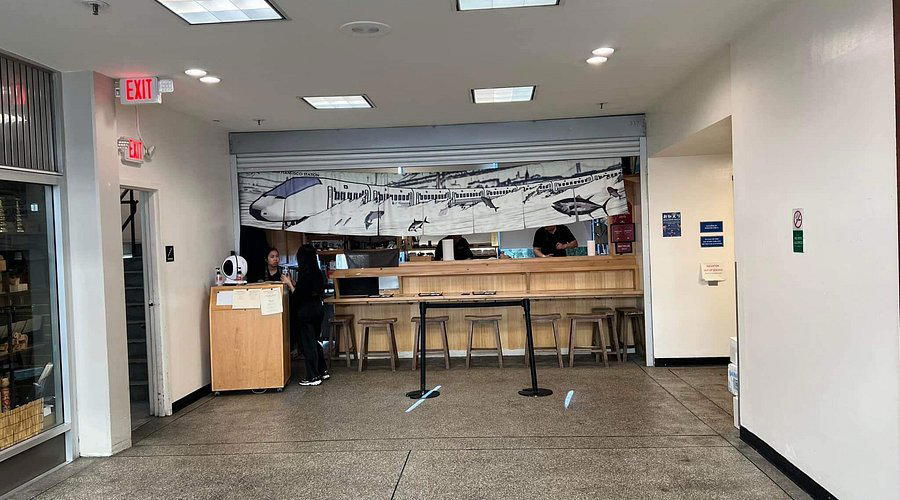
Japantown's Quiet Case for Japanese Dining
San Francisco's Japantown sits at a remove from the louder dining corridors of the Mission or SoMa. Post Street moves at a different pace: the Japan Center's covered malls absorb foot traffic, the surrounding blocks run residential, and the restaurants here tend to serve a neighborhood rather than perform for an audience. That context matters when considering where Oma San Francisco Station sits in the city's broader Japanese dining map. This is a destination that trades on restraint rather than scene. It earns its place on credentials, two consecutive Michelin Plate recognitions (2024 and 2025).
Where It Sits in San Francisco's Japanese Tier
San Francisco's Japanese restaurant scene has stratified considerably over the past decade. At the leading, omakase-format counters and kaiseki rooms, places like Nisei and Delage, operate at price points that frame dinner as an event in itself, comparable in spend to a night at Le Bernardin in New York City or Alinea in Chicago. Below that sits a middle tier: restaurants with verifiable culinary recognition, a $$$ price range, and a considered meal without the full ceremonial apparatus of high-end omakase.
Oma San Francisco Station occupies that middle tier. Its $$$ pricing sits at a meaningful remove from the $$$$ restaurants that dominate San Francisco's most-cited fine dining lists, Benu, Atelier Crenn, Quince, Saison, while its Michelin Plate status signals that the cooking has been assessed and found worth noting. For diners calibrating against the broader California premium scene, it prices below Single Thread Farm in Healdsburg and The French Laundry in Napa, but arrives with independent editorial endorsement that distinguishes it from the neighborhood's more casual options.
Within the Japanese-specific comparable set, the comparison points are instructive. Gozu and Iyasare sit in a comparable zone: Japanese technique applied with a degree of rigor, backed by recognition, and accessible at a price that doesn't demand the kind of pre-planning that accompanies a $400 tasting menu. Izakaya Rintaro occupies nearby territory with its izakaya format, though the register differs. At the Tokyo end of the comparison, restaurants like Myojaku and Azabu Kadowaki represent what that middle-to-upper Japanese tier looks like in the source city, a useful frame for understanding what San Francisco's equivalent restaurants are gesturing toward.
The Case for Milestone Meals Here
The question of where to mark a birthday, an anniversary, or a professional milestone in San Francisco involves a set of tradeoffs that most diners work through intuitively. The $$$$ fine-dining rooms deliver ceremony but require three-month advance booking windows, four-hour commitments, and the kind of price that becomes a conversation afterward. The casual end of the market lacks the weight that a milestone meal calls for. The middle tier, restaurants with genuine culinary credentials, a considered room, and pricing that allows for a bottle of wine without restructuring the evening's budget, is where a lot of satisfying occasion dining actually happens.
Oma San Francisco Station functions in that register. The consecutive Michelin recognition across two years is not a minor credential: the Michelin Plate designation indicates that inspectors ate here, judged the cooking worth flagging, and returned to confirm that assessment. For a group marking something specific, that combination, recognized quality, accessible price, Japantown's lower ambient noise compared to busier dining districts, makes a reasonable case.
Japanese cuisine also carries a natural fit for occasion meals. The attention to preparation, the precision of presentation, and the structural logic of a Japanese menu, whether moving through courses or assembling dishes into a coherent arc, communicates care in a way that translates to the table as occasion dining, even when the format is not explicitly ceremonial. Across the Pacific, this is taken as given: kaiseki rooms in Kyoto or the upper-tier restaurants of Tokyo's Minato ward, such as Azabu Kadowaki, have long operated as venues for significant meals. San Francisco's Japanese dining scene, at its better end, carries a version of that tradition westward.
The Japantown Setting
The address at Japan Center Mall on Post Street places the restaurant inside one of the few intact Japanese-American cultural districts in the continental United States. That geographic specificity is not incidental to the dining experience. Japantown's character, quieter than the waterfront, more residential than Union Square, shapes the tone of an evening. Arriving through the Japan Center's corridors rather than off a loud street corner, the pace shifts before the meal begins. For special occasions, that calibration of environment matters as much as the food itself.
The neighborhood also provides context for the cuisine. Japantown has supported Japanese restaurants, grocers, and cultural institutions for generations, which means the audience for considered Japanese cooking here is not a novelty-seeking crowd but a community with a reference point. That tends to keep restaurants honest.
Planning Your Visit
- Address: 1737 Post St #337, San Francisco, CA 94115 (Japan Center Mall, Japantown)
- Cuisine: Japanese
- Price range: $$$ (mid-range; below the city's $$$$ fine-dining tier)
- Recognition: Michelin Plate 2024 and 2025 5 from 211 reviews
- Occasion fit: Suitable for birthdays, anniversaries, and professional dinners where the $$$$ tasting-menu format is not the right register
For reference points outside California, Emeril's in New Orleans and Providence in Los Angeles occupy a comparable position in their respective cities: Michelin-recognized, occasion-appropriate, and priced below the top tier.
What to Eat at Oma San Francisco Station
What the Michelin Plate recognition does confirm is that the cooking has met a professional assessment standard across multiple inspection cycles. Given the Japanese cuisine designation and the mid-range price point, the format most likely follows a structured menu rather than an open ordering model, though the specifics should be confirmed directly with the restaurant. For diners with dietary restrictions or a strong preference for a particular Japanese register (robata, sushi, izakaya, ramen), it is worth checking the current format before booking, particularly for a celebratory meal where the occasion calls for a precise fit.
What It’s Closest To
Comparable venues nearby, for context on price, style, and recognition.
| Venue | Cuisine | Price | Awards | Notes |
|---|---|---|---|---|
| Oma San Francisco StationThis venue — the venue you are viewing | Japanese Omakase | $$$ | Michelin Plate | Not listed |
| Hashiri | Modern Japanese Omakase-Kaiseki | $$$$ | Not listed | South of Market |
| Akikos | Modern Japanese Omakase | $$$$ | Not listed | Financial District/South Beach |
| Ozumo | Modern Japanese Robata and Sushi | $$$ | Not listed | Financial District/South Beach |
| Kabuto | Japanese Sushi and Fusion | $$$ | Not listed | Outer Richmond |
| Mensho | Modern Japanese Ramen | $$ | Michelin Plate | Tenderloin |
Recognition history
Dated appearances from independent guides and award organizations, with the underlying list record or original source where available.
Michelin Plate
Michelin · 2026 Michelin Plate
Michelin Plate
Michelin
Michelin Plate
Michelin
Continue exploring
More in San Francisco
Restaurants in San Francisco
Browse all →
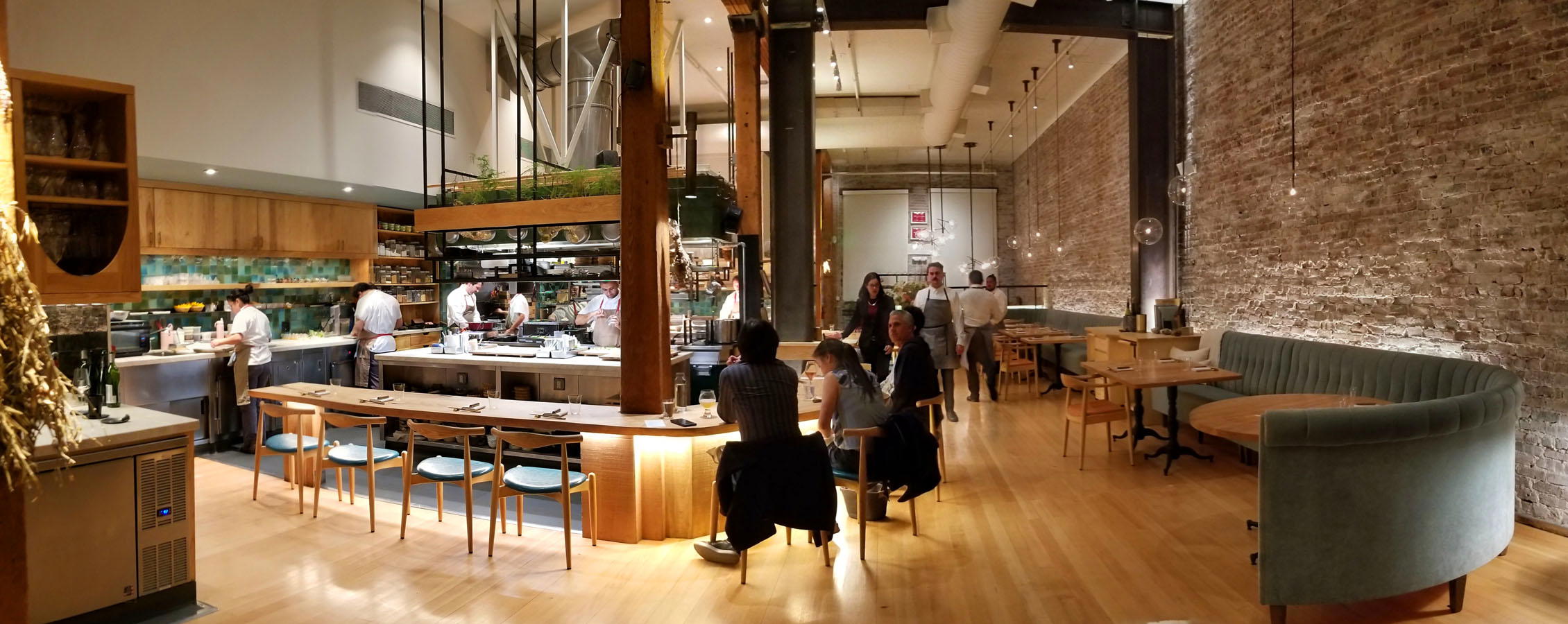
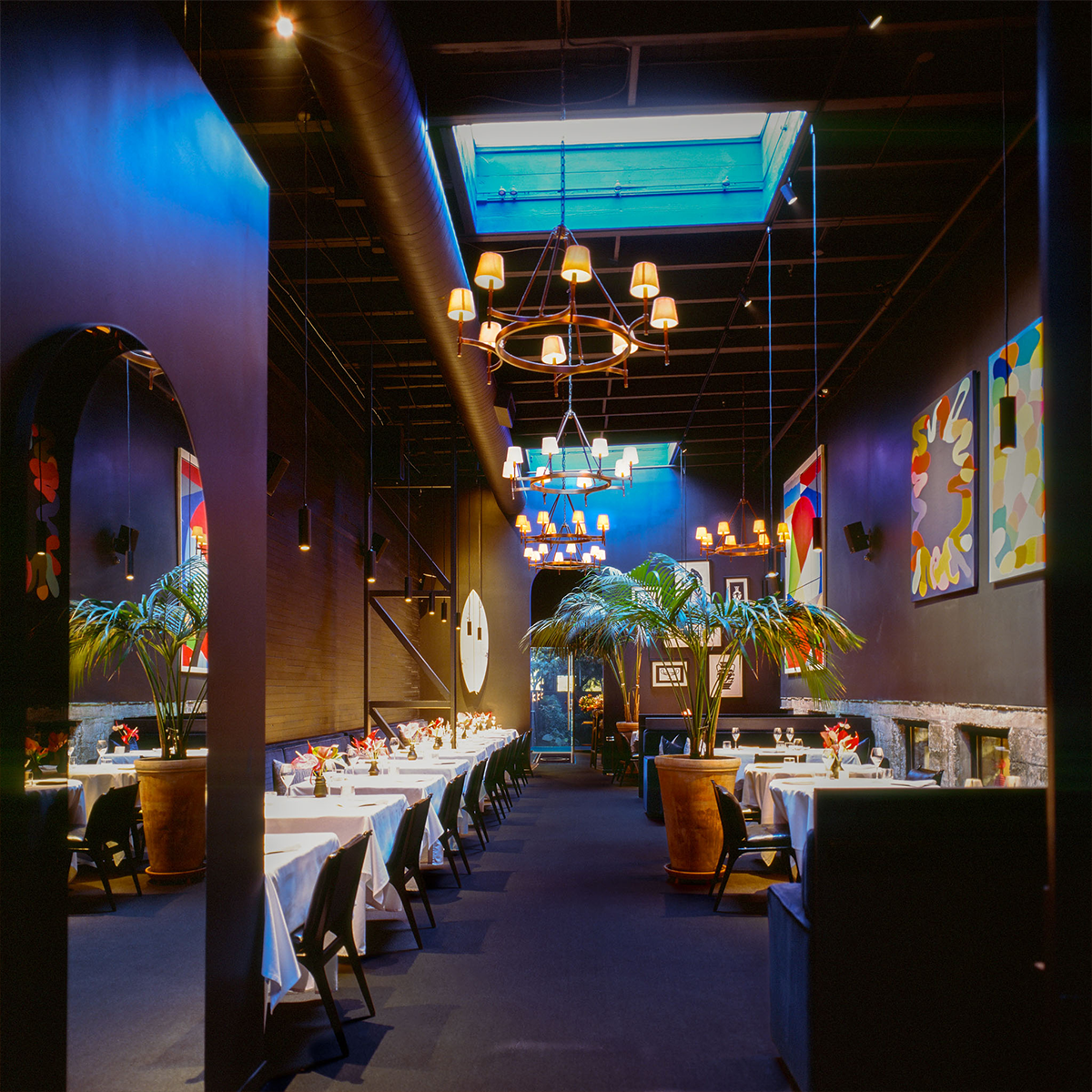
Bars in San Francisco
Browse all →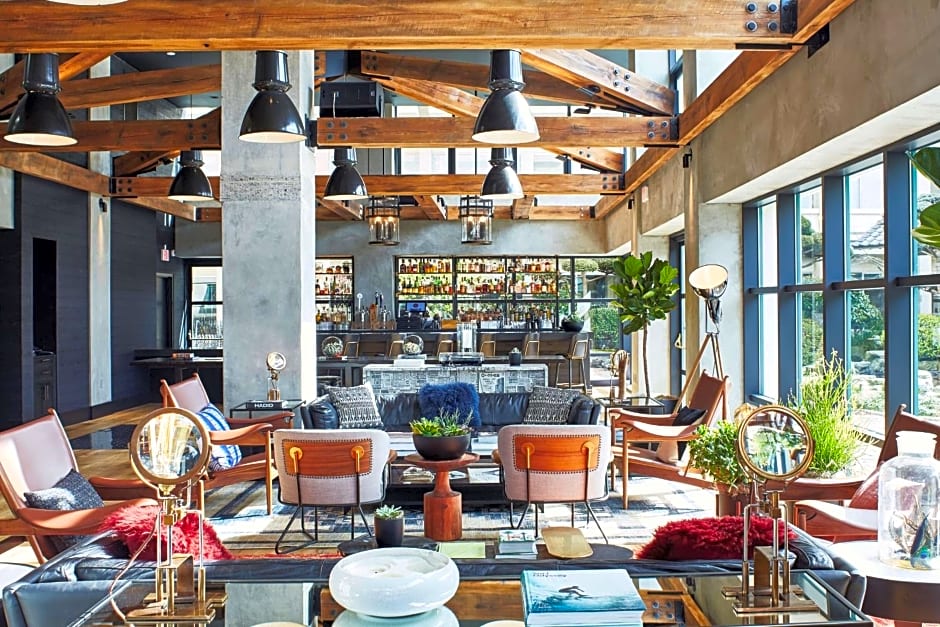
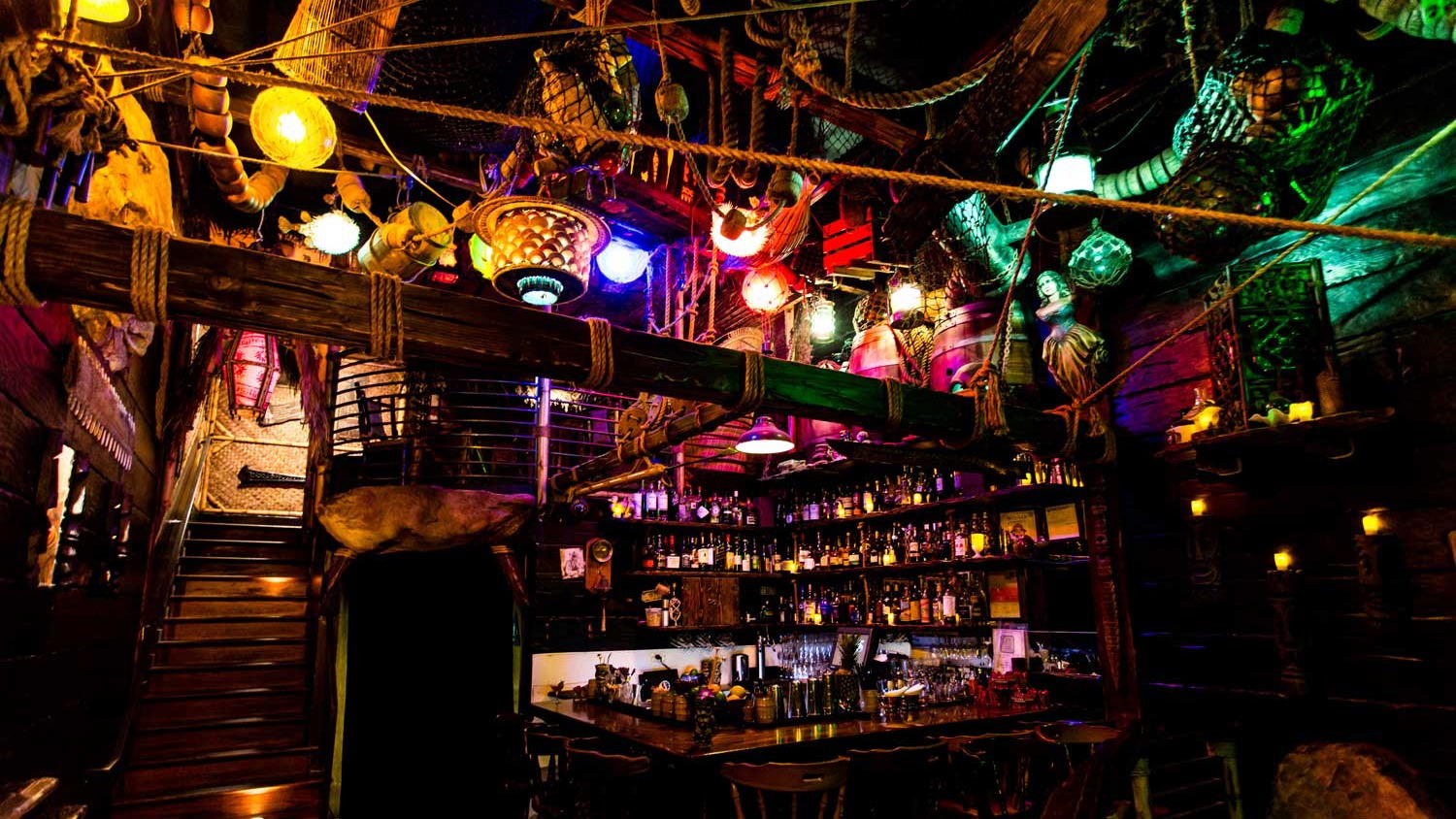
Hotels in San Francisco
Browse all →
At a Glance
- Minimalist
- Intimate
- Modern
- Date Night
- Special Occasion
- Chefs Counter
- Open Kitchen
- Sake Program
Current opening hours
- Monday
- 5:30–9:30 PM
- Tuesday
- 5:30–9:30 PM
- Wednesday
- 5:30–9:30 PM
- Thursday
- 5:30–9:30 PM
- Friday
- 5–10 PM
- Saturday
- 5–10 PM
- Sunday
- 5:30–9:30 PM
Hours can change for holidays and private events. Last verified .
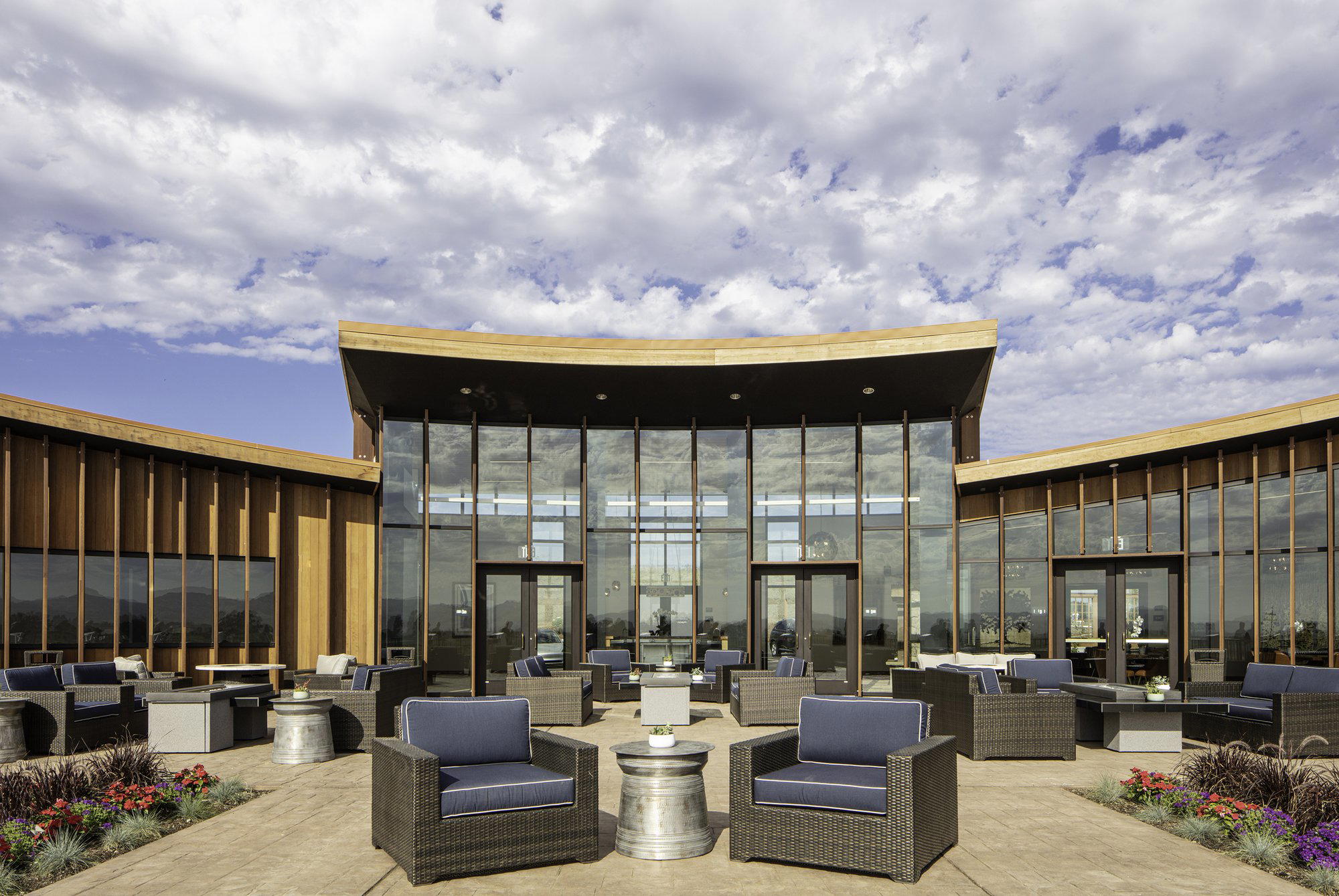
Minimalist space with eight stools at a wooden counter, cozy and intimate like a small Japanese metro station eatery, focusing on culinary artistry.