Hashiri

Our verdict
Hashiri occupies a precise position in San Francisco's high-end omakase tier, operating Tuesday through Saturday from Mint Plaza with a format shaped by chefs Shinichi Aoki and Tokunori Mekaru.

Pearl is the En Primeur Club membership app, where members save venues, book tables and use the concierge.
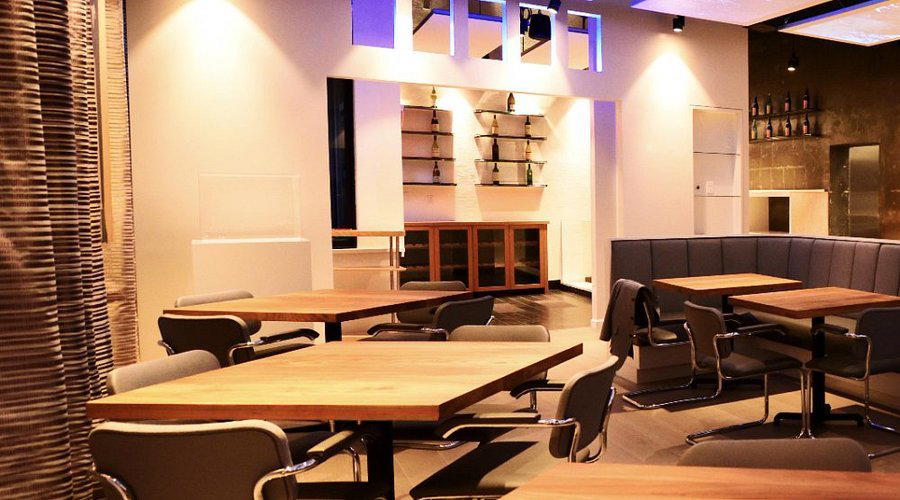
Where Mint Plaza Meets the Omakase Counter
San Francisco's Mint Plaza sits at an unusual intersection: a pedestrianised pocket between SoMa and the Tenderloin that most visitors pass through without stopping. The surrounding blocks carry the weight of the city's financial and civic history, but the plaza itself has become a small node of serious dining. Arriving at Hashiri here, at 4 Mint Plaza, requires a deliberate detour from the better-trafficked restaurant corridors of Hayes Valley or the Ferry Building. That detachment is part of the atmosphere. The approach is quiet, the entrance considered, and the transition from street to counter carries the kind of compression that high-format Japanese dining depends on.
Inside, the sensory register shifts immediately. The counter format that defines serious omakase in cities from Tokyo to New York concentrates attention on the ingredients in front of the chef, the texture of the wood underhand, and the subtle temperature of each course as it arrives. Sound recedes: no background noise competing with conversation, no ambient playlist distracting from the rhythm of service. The experience at Hashiri follows that discipline. Whatever the evening's menu holds, the structure is built around a sequence that unfolds on the chef's terms rather than the diner's, which is the operative logic of omakase as a format.
The Position of Serious Omakase in San Francisco
San Francisco's fine-dining roster tilts heavily toward European-influenced tasting menus. The city's most-decorated rooms, including Atelier Crenn, Benu, and Quince, each hold three Michelin stars and operate within a contemporary, multi-course framework that draws as much from French and fusion tradition as from any single culinary lineage. Lazy Bear and Saison round out the two-star tier with progressive American and Californian formats respectively. Within this landscape, high-end Japanese omakase occupies a distinct and smaller niche: a format governed by a different set of rules around sourcing, sequence, and restraint.
Hashiri sits inside that niche. With chefs Shinichi Aoki and Tokunori Mekaru at the counter, the kitchen operates within a Japanese culinary framework that makes different demands on ingredients and timing than anything on the Michelin-starred European tasting-menu circuit. The fish quality, the rice temperature, the knife work, and the pacing are all governed by a set of priorities that are essentially incommensurable with how the city's French or Italian fine-dining rooms are judged. That separateness is a feature of the format, not a limitation.
Across the United States, the top tier of Japanese fine dining is a short list. Le Bernardin in New York City benchmarks seafood-led precision on the French side; Atomix in New York City does so within a Korean framework. On the Japanese omakase side specifically, Hashiri competes with a small number of rooms nationally, while locally it holds a position that the broader tasting-menu set does not directly contest.
Recognition and Standing
Opinionated About Dining, the crowd-sourced guide with a reputation for identifying technically serious restaurants outside the mainstream awards conversation, has listed Hashiri among the leading restaurants in North America for three consecutive years. In 2023 it received a recommendation; by 2024 it ranked at #367; in 2025 it moved up to #358. Consecutive ranking improvements on a competitive continental list are not incidental. They reflect a sustained level of execution that repeat visitors are willing to document.
High-format omakase rooms generate polarised reviews less often than casual restaurants because the clientele self-selects: diners who book a counter like Hashiri generally understand what they are walking into. A 4.6 in that context reflects execution, not just enthusiasm.
For comparison across the American fine-dining spectrum, rooms like Alinea in Chicago, The French Laundry in Napa, Single Thread Farm in Healdsburg, and Providence in Los Angeles operate within different culinary frameworks but occupy a similar tier of intent and investment. Hashiri's consistent OAD recognition places it in credible proximity to that cohort.
The Format and What It Requires
Omakase as a dining format requires a specific kind of attention from both the kitchen and the guest. The sequence is not chosen from a menu; it is presented, and the diner's role is to receive it in order. That dynamic concentrates the sensory experience differently than a carte or even a fixed European tasting menu. Each piece arrives as a single proposition: this fish, prepared this way, at this moment in the evening. The absence of choice is the point. It narrows focus to the quality of the ingredient and the precision of the preparation rather than the accumulation of a meal.
Hashiri operates Tuesday through Saturday, with sittings from 6 to 9 pm. It is closed on Sundays and Mondays. That five-night schedule, constrained by the demands of sourcing fish at the level omakase requires, is standard for serious Japanese counters operating outside Japan. The rhythm of the week shapes what is available and when, and the narrow service window reflects how much preparation a counter at this level demands before service begins.
The format places Hashiri in a different competitive conversation than the broader San Francisco fine-dining scene. Diners comparing it to Benu or Atelier Crenn are mapping across culinary traditions rather than within one. The more useful peer comparison extends internationally, to rooms in Tokyo, New York, or Hong Kong, such as 8 1/2 Otto e Mezzo Bombana in Hong Kong, where the same format logic applies and where the standards by which a counter is judged are calibrated accordingly.
San Francisco's wider dining offer, from its neighbourhood wine bars to its hotel dining rooms, is covered in our full San Francisco restaurants guide. For planning the rest of a visit, our San Francisco hotels guide, bars guide, wineries guide, and experiences guide are available. For comparison restaurants further afield, Emeril's in New Orleans offers a contrasting point of reference within the American fine-dining conversation.
Know Before You Go
Address: 4 Mint Plaza, San Francisco, CA 94103
Hours: Tuesday to Saturday, 6–9 pm. Closed Sunday and Monday.
Cuisine: Japanese omakase
Chefs: Shinichi Aoki and Tokunori Mekaru
Recognition: Opinionated About Dining Leading Restaurants in North America, Ranked #358 (2025), #367 (2024), Recommended (2023)
Booking: Contact the restaurant directly; specific booking method not published
Price range: Not published; counter omakase at this recognition level typically operates at the upper end of the city's fine-dining price tier
Dress code: Not specified; the format and setting suggest smart casual at minimum
Frequently asked questions
Is Hashiri a family-friendly restaurant?
At the price point and counter format typical of serious omakase dining in a city like San Francisco, Hashiri is not designed for families with young children.
What's the vibe at Hashiri?
San Francisco's top-tier dining rooms generally reward quiet focus over spectacle, and Hashiri fits that pattern. Its omakase counter format, Mint Plaza location, and three consecutive years of Opinionated About Dining recognition signal a room calibrated for attentive, unhurried dining rather than occasion theatrics. The price tier aligns with the city's most formally structured tasting-menu restaurants.
at Hashiri?
Hashiri operates on an omakase format, meaning the menu is set by chefs Shinichi Aoki and Tokunori Mekaru and not selected by the diner. The sequenced approach is the defining characteristic of the meal. OAD's consistent recognition across 2023, 2024, and 2025 suggests the overall program is the draw, not any single dish.
Pricing, Compared
| Venue | Cuisine | Price | Awards | Notes |
|---|---|---|---|---|
| HashiriThis venue (the venue you are viewing) | Modern Japanese Omakase-Kaiseki | $300–500 | Not listed | Not listed |
| Lazy Bear | Modern American Tasting Menu | Not listed | 2 Michelin Stars · World's 50 Best #25 | Progressive American, Contemporary |
| Benu | Modern Asian Fusion Fine Dining | $150–200 | 3 Michelin Stars · World's 50 Best #33 | French - Chinese, Asian |
| Atelier Crenn | Contemporary French Fine Dining | $300–500 | 3 Michelin Stars · World's 50 Best #44 | Modern French, Contemporary |
| Quince | Modern French Fine Dining | $300–500 | 3 Michelin Stars · World's 50 Best #48 | Italian, Contemporary |
| Saison | Modern French-Italian | Not listed | Michelin Plate | Progressive American, Californian |
Recognition history
Dated appearances from independent guides and award organizations, with the underlying list record or original source where available.
Opinionated About Dining Top Restaurants in North America Recommended
Opinionated About Dining
Full recognition history (4 entries)
Opinionated About Dining Top Restaurants in North America Ranked #358
Opinionated About Dining
Opinionated About Dining Top Restaurants in North America Ranked #367
Opinionated About Dining
Opinionated About Dining Top Restaurants in North America Recommended
Opinionated About Dining
Continue exploring
More in San Francisco
Restaurants in San Francisco
All restaurants in San Francisco →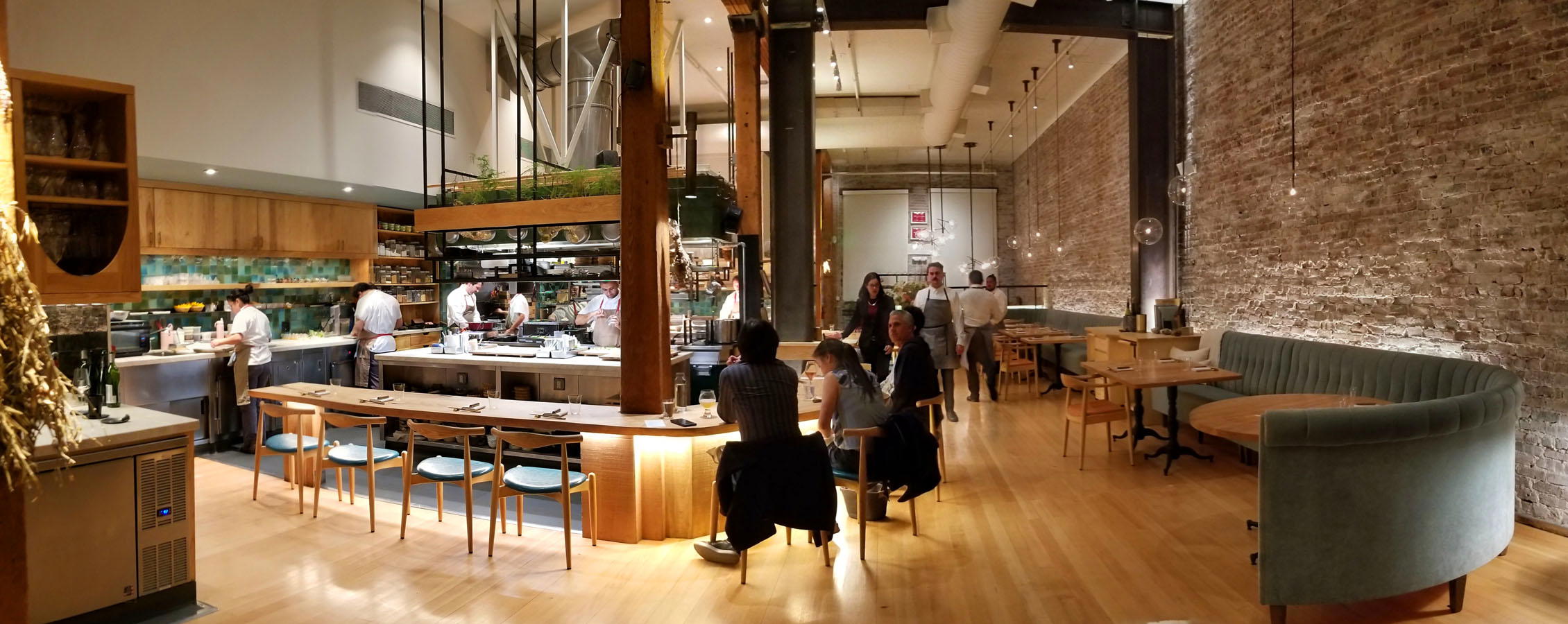
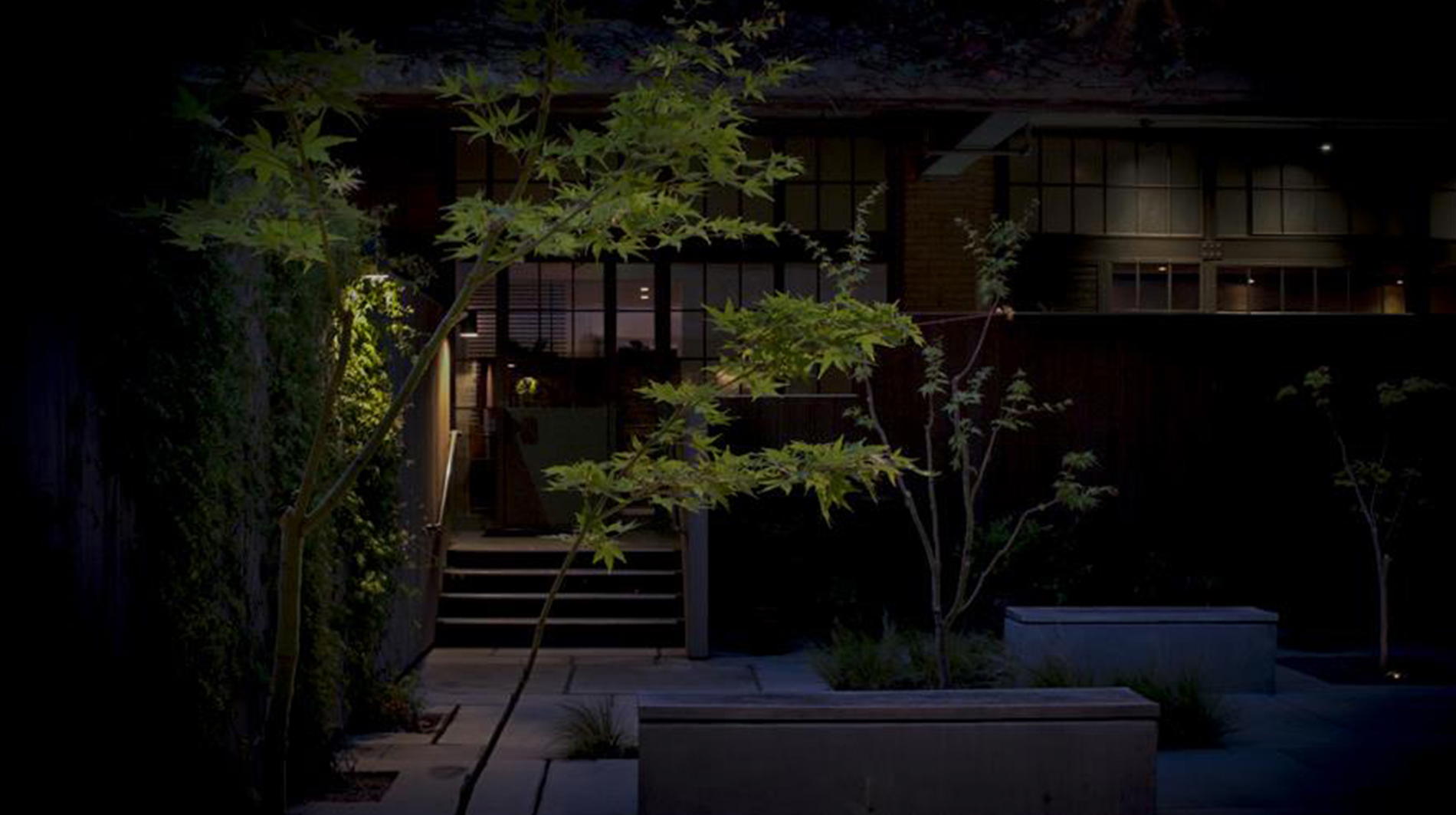
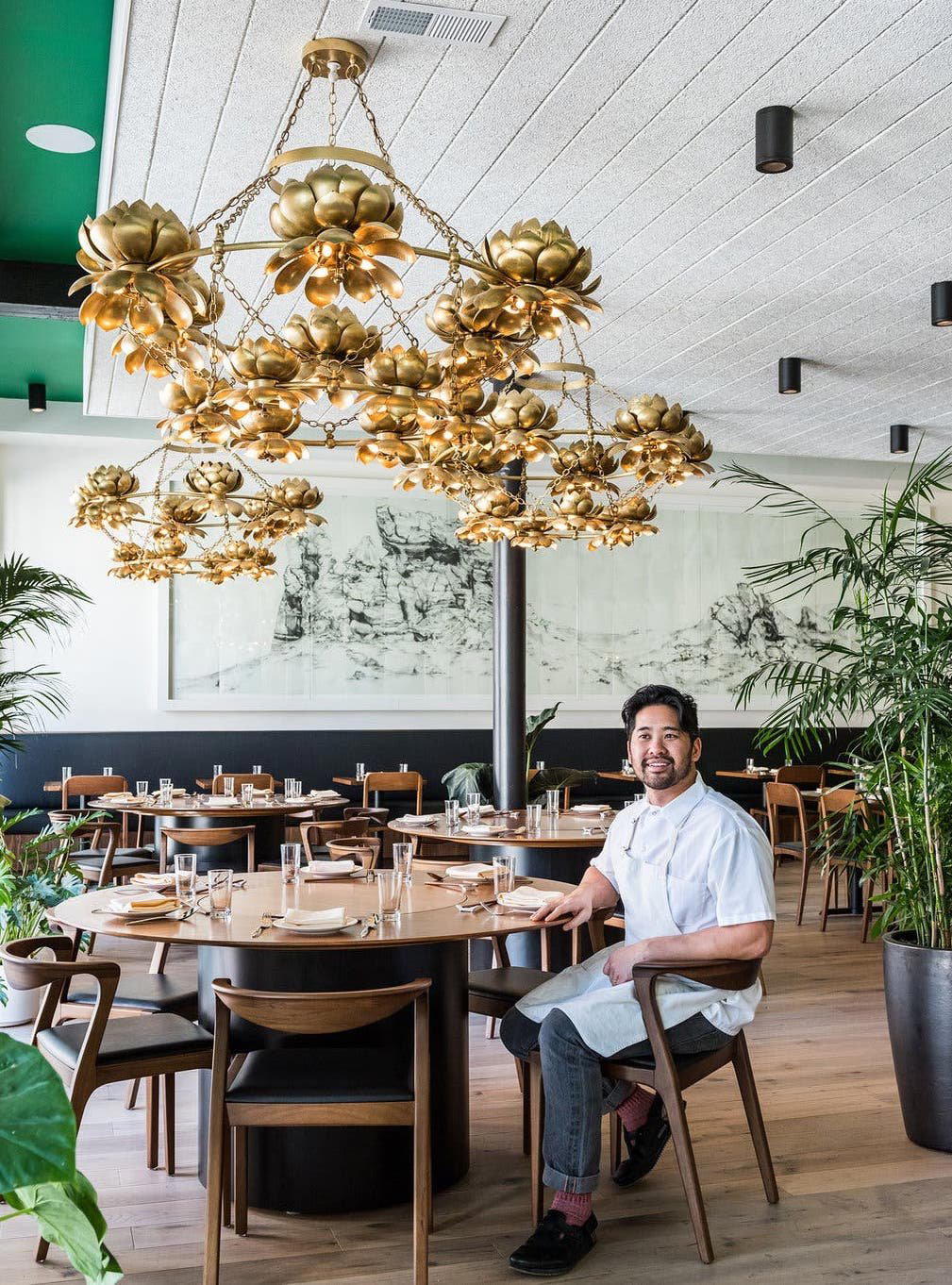
Bars in San Francisco
All bars in San Francisco →

Details
- Elegant
- Modern
- Intimate
- Sophisticated
- Special Occasion
- Date Night
- Chefs Counter
- Sake Program
- Omakase
- Tasting Menu
- Counter Dining
- Vegetarian Friendly
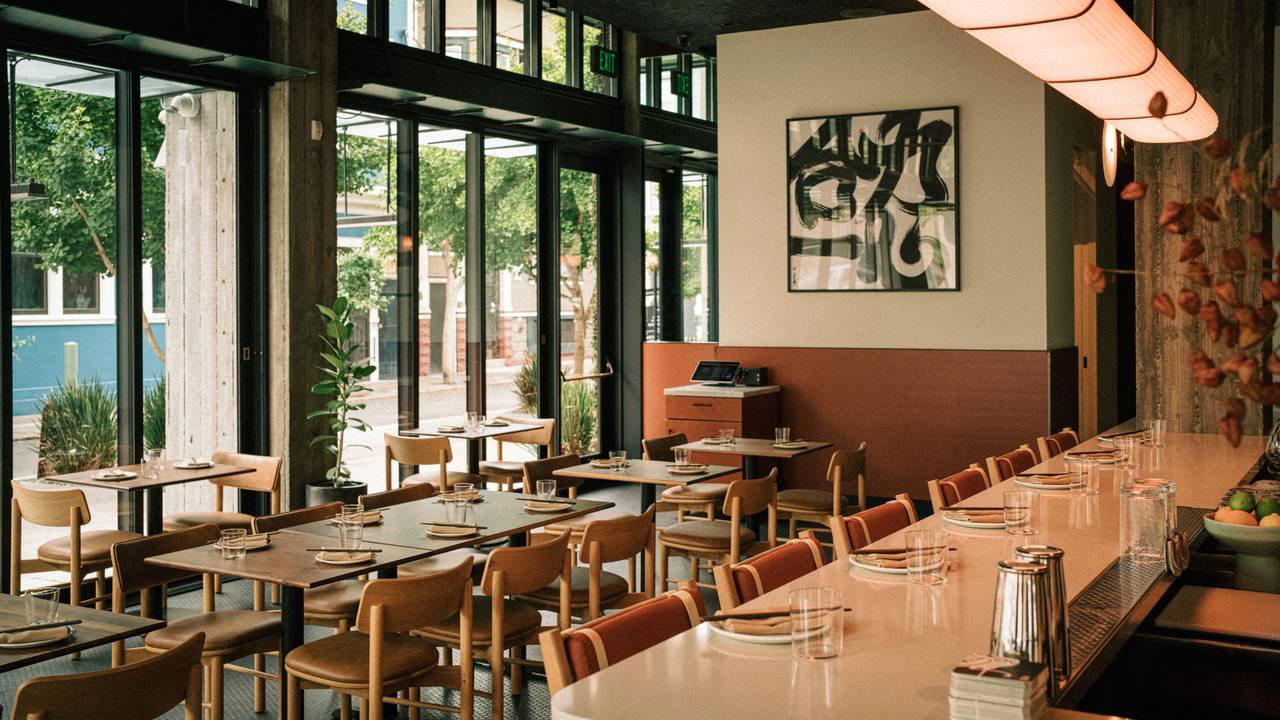
Immaculate modern-traditional interior with seasonal projector screens, spread-out tables for quiet atmosphere, and pop art decor.