Kabuto

Kabuto occupies a quiet stretch of Geary Boulevard in San Francisco's Inner Richmond, positioning itself within a neighborhood that has quietly become one of the city's most serious addresses for Japanese dining. The restaurant draws regulars and destination diners alike to a format that rewards patience and attention, sitting in a competitive tier defined by craft and restraint rather than spectacle.
Pearl is the En Primeur Club membership app — saves, bookings, and concierge access live there. Same editors, same standards.
- Address
- 5121 Geary Blvd, San Francisco, CA 94118
- Phone
- +14157525652
- Website
- kabutosf.com
- Directions
- Get directions
 Saves & bookings on Pearl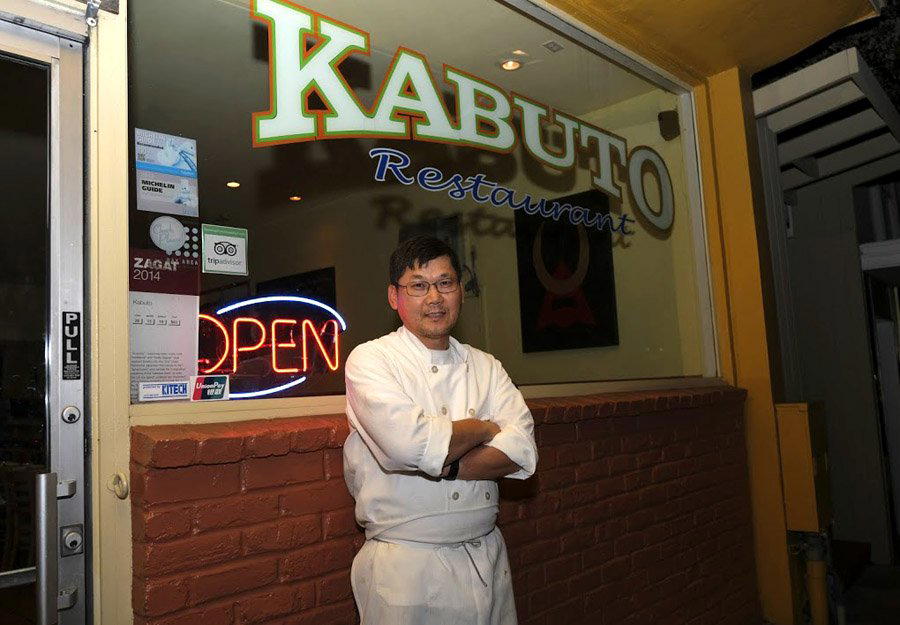
The Inner Richmond and Its Quiet Authority
San Francisco's Inner Richmond has long operated on a different frequency than the downtown dining circuit. Geary Boulevard, the neighborhood's commercial spine, runs west through blocks of independent Japanese, Chinese, and Korean restaurants that have sustained serious local reputations without much critical fanfare. Kabuto, at 5121 Geary Blvd, sits within this tradition. Geary Boulevard operates as a counterpoint: lower profile and longer-tenured than much of the attention it receives would suggest.
That geography matters when assessing where Kabuto fits in San Francisco's broader Japanese dining hierarchy. The city's highest-recognition omakase counters, the rooms that generate long waitlists and price points that rival Benu or Atelier Crenn, are a different competitive set entirely. Kabuto occupies territory between neighborhood sushi and that rarefied counter format, a position that describes a large portion of the city's most reliable Japanese restaurants and one that has historically been undercovered by the publications that track the top tier.
What the Room Communicates
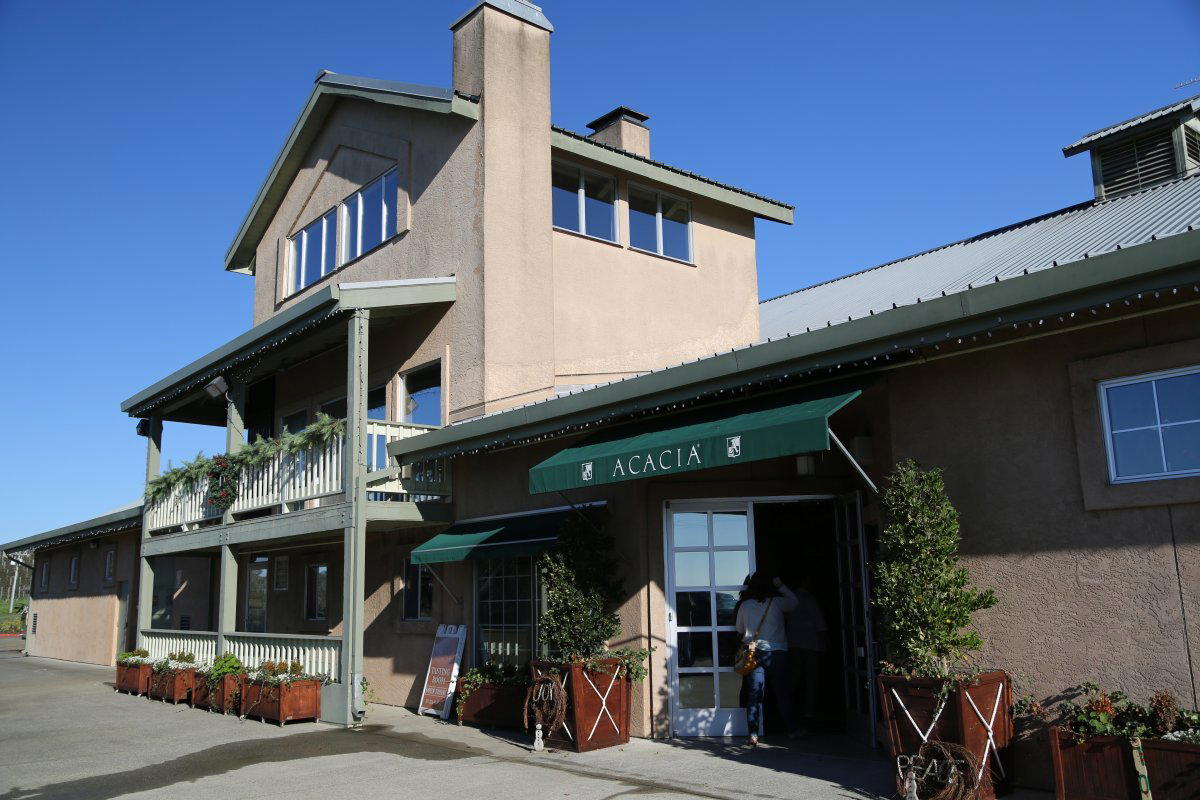
Walking along this stretch of Geary, the exterior gives little away. The Inner Richmond is not a neighborhood that performs for visitors; its restaurants signal through longevity and word of mouth rather than design investment. Inside, the format is the traditional sushi-bar-centered layout that has defined Japanese restaurants in American cities for decades: counter seating oriented toward the itamae's workspace, with table seating for groups. That counter positioning is where the dining logic concentrates. Watching preparation at this proximity is part of the experience.
The physical environment reflects the Inner Richmond's general aesthetic register: functional, unflashy, and oriented toward the food rather than the room itself. This is a deliberate contrast to the design-forward Japanese restaurants that have opened in San Francisco's more visible corridors, where interior investment has increasingly become a competitive signal. On Geary Boulevard, the counter itself does that work.
The Wine Question at a Sushi Counter
The editorial angle that most rewards attention at Japanese restaurants in this tier is almost always the beverage program, specifically the question of how seriously the room takes wine alongside its sake and Japanese whisky offerings. At the counter format that defines the Inner Richmond's stronger Japanese restaurants, the sommelier question is less central.
San Francisco's premium dining circuit has developed some of the country's more thoughtful wine programs at non-European tables. Saison and Lazy Bear both operate cellar programs that would hold their own against comparable rooms in New York or Chicago. At Japanese restaurants specifically, the wine conversation has evolved considerably: Burgundy and Champagne have become the dominant pairing categories at higher-end omakase counters nationally, tracking a broader shift in how American sommeliers think about fish-forward tasting formats. Atomix in New York has demonstrated how a Korean fine dining counter can build a wine program as considered as anything in the European fine dining tradition. The question for mid-tier Japanese restaurants in neighborhoods like the Inner Richmond is whether the beverage program keeps pace with the kitchen.
For a restaurant at Kabuto's address and positioning, the practical expectation should be a focused sake selection representing the major regional styles, junmai daiginjo through to aged kimoto expressions, alongside a wine list oriented toward Champagne, white Burgundy, and lighter-bodied reds from France and potentially Germany. Whether the curation reflects genuine depth is worth noting.
Placing Kabuto in the City's Japanese Dining Context
San Francisco supports several distinct tiers of Japanese dining. At the leading, a small number of omakase counters with verified Michelin recognition and booking windows that extend three or more months operate at price points that put them alongside Quince and the city's other fine dining leaders. Below that, a mid-tier of counter-service Japanese restaurants, technically serious, locally embedded, and operating without the overhead that forces premium pricing, has historically been where the city's most reliable Japanese meals are found by those who know where to look.
Kabuto's Geary Boulevard address places it in that mid-tier by geography if not necessarily by ambition. The Inner Richmond has produced restaurants that have operated for decades at a level of craft that downtown openings rarely sustain past their initial press cycle. For comparison, consider that several of America's most discussed fine dining rooms, The French Laundry in Napa, Single Thread Farm in Healdsburg, Providence in Los Angeles, have maintained their standards through decades of operation in neighborhoods that were never the obvious choice for their ambitions. Longevity in a neighborhood like the Inner Richmond is its own signal.
For readers comparing options across the broader Bay Area and national fine dining tier, Kabuto sits in a different bracket than the city's Michelin-starred contemporary rooms but offers technically grounded Japanese cooking in a room built around the counter experience, priced and positioned for regulars rather than for occasion dining.
Planning a Visit
Kabuto is located at 5121 Geary Blvd in San Francisco's Inner Richmond, accessible by the 38 Geary Muni line, which runs frequently from downtown. The neighborhood is parking-permissive by San Francisco standards, with street parking available along Geary and the surrounding blocks during evening hours. The Inner Richmond's restaurant corridor is dense enough to support a meal elsewhere in the neighborhood if Kabuto is fully booked on a given night, the stretch between 5th and 10th Avenues on Geary contains several Japanese restaurants operating at comparable levels of seriousness. For the counter experience specifically, arriving at opening and requesting counter seating is the standard approach at restaurants in this format; walk-in availability at the counter depends on the evening and can vary considerably.
Accolades, Compared
Comparable venues nearby, for context on price, style, and recognition.
| Venue | Cuisine | Price | Notes |
|---|---|---|---|
| KabutoThis venue — the venue you are viewing | Japanese Sushi and Fusion | $$$ | Not listed |
| Zentarou | Modern Japanese Sushi & Omakase | $$$ | Tenderloin |
| Ace Wasabi San Francisco | Modern Japanese Sushi | $$$ | Marina |
| Marufuku Ramen | Hakata-Style Tonkotsu Ramen | $$ | Japantown |
| Yakiniku Shodai 初代 | Authentic Japanese Yakiniku | $$$$ | Tenderloin |
| Ebisu Restaurant | Authentic Japanese Sushi | $$ | Inner Sunset |
Recognition history
Dated appearances from independent guides and award organizations, with the underlying list record or original source where available.
Opinionated About Dining Top Restaurants in North America Recommended
Opinionated About Dining
Continue exploring
More in San Francisco
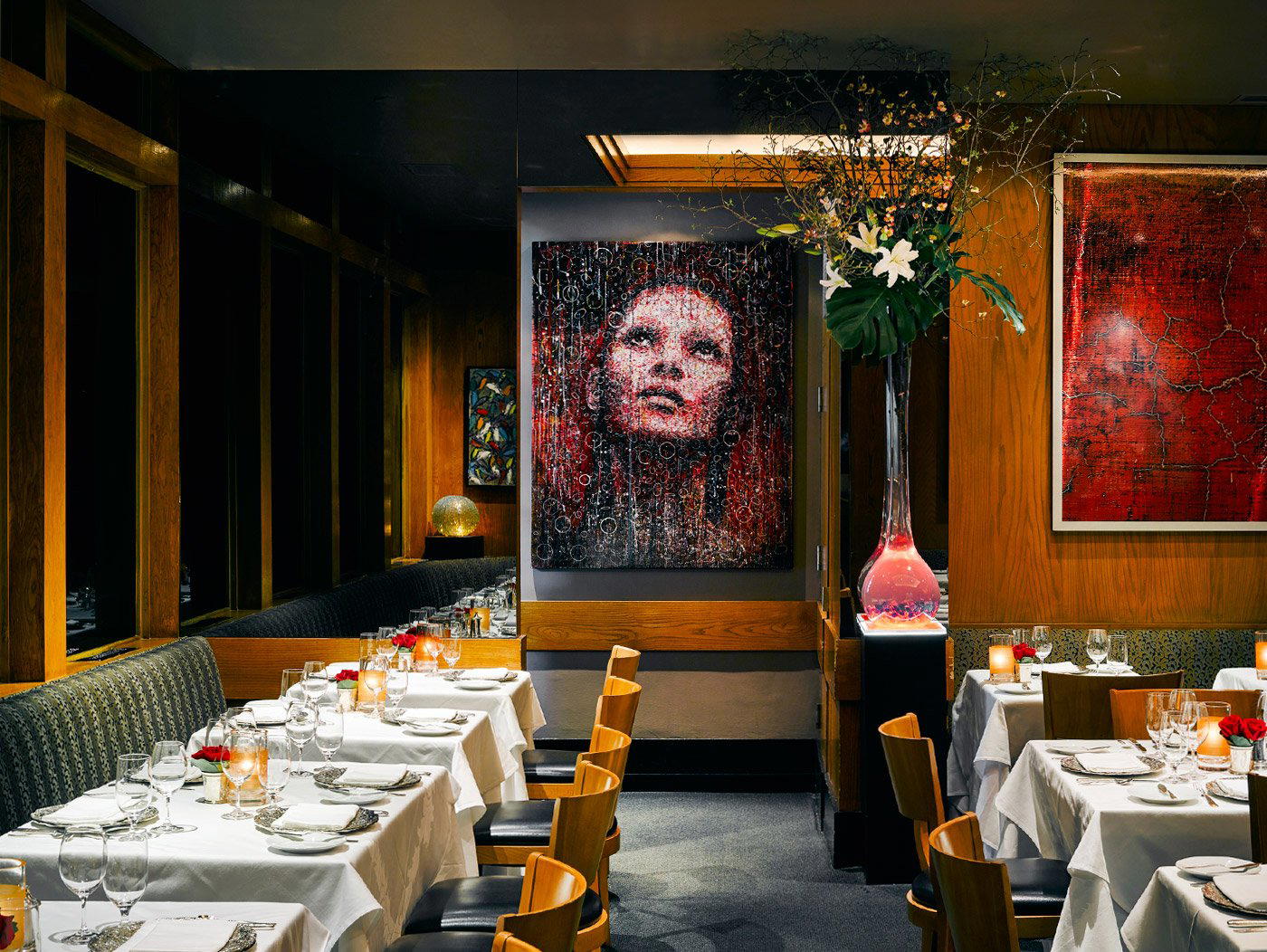
Restaurants in San Francisco
Browse all →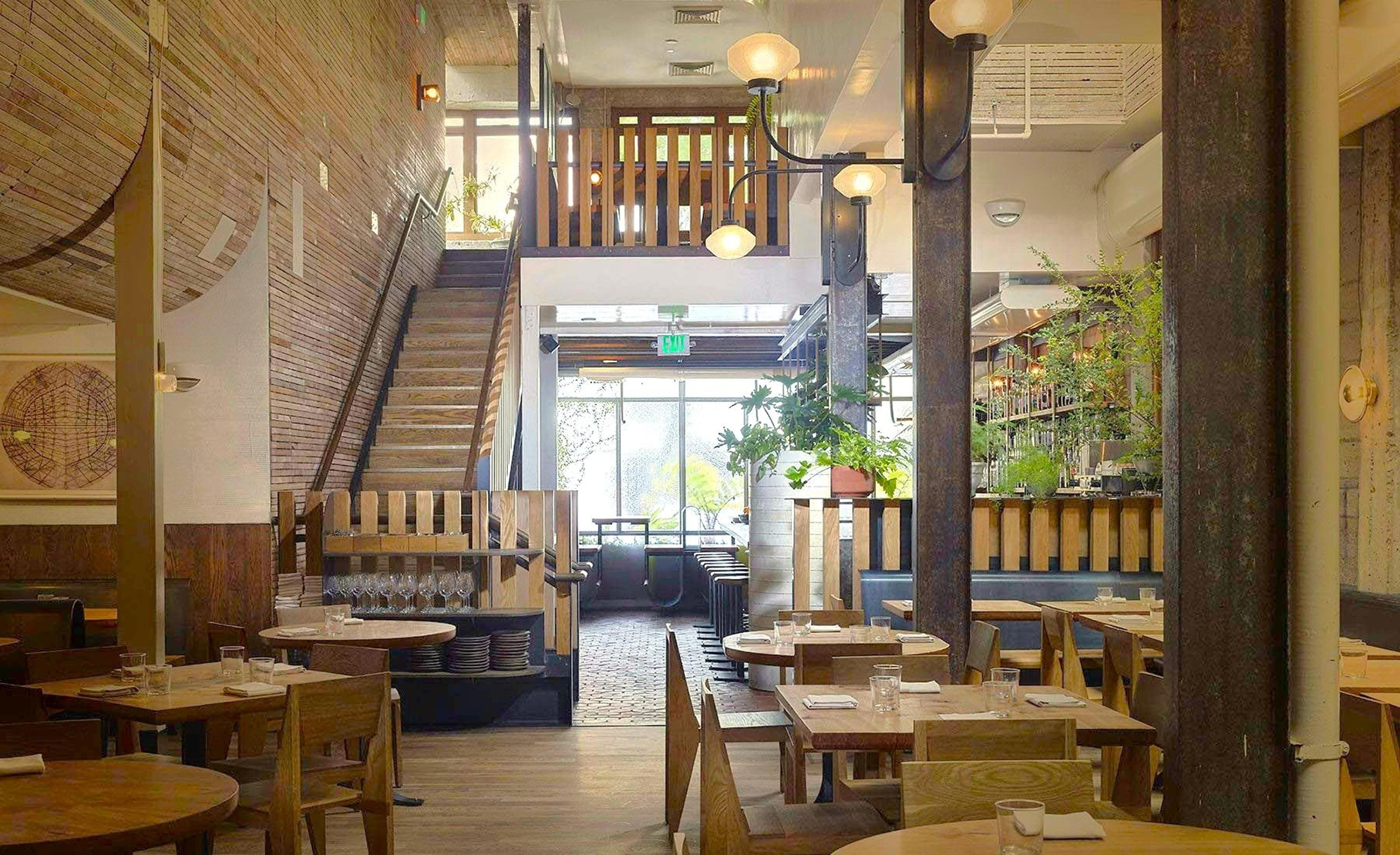
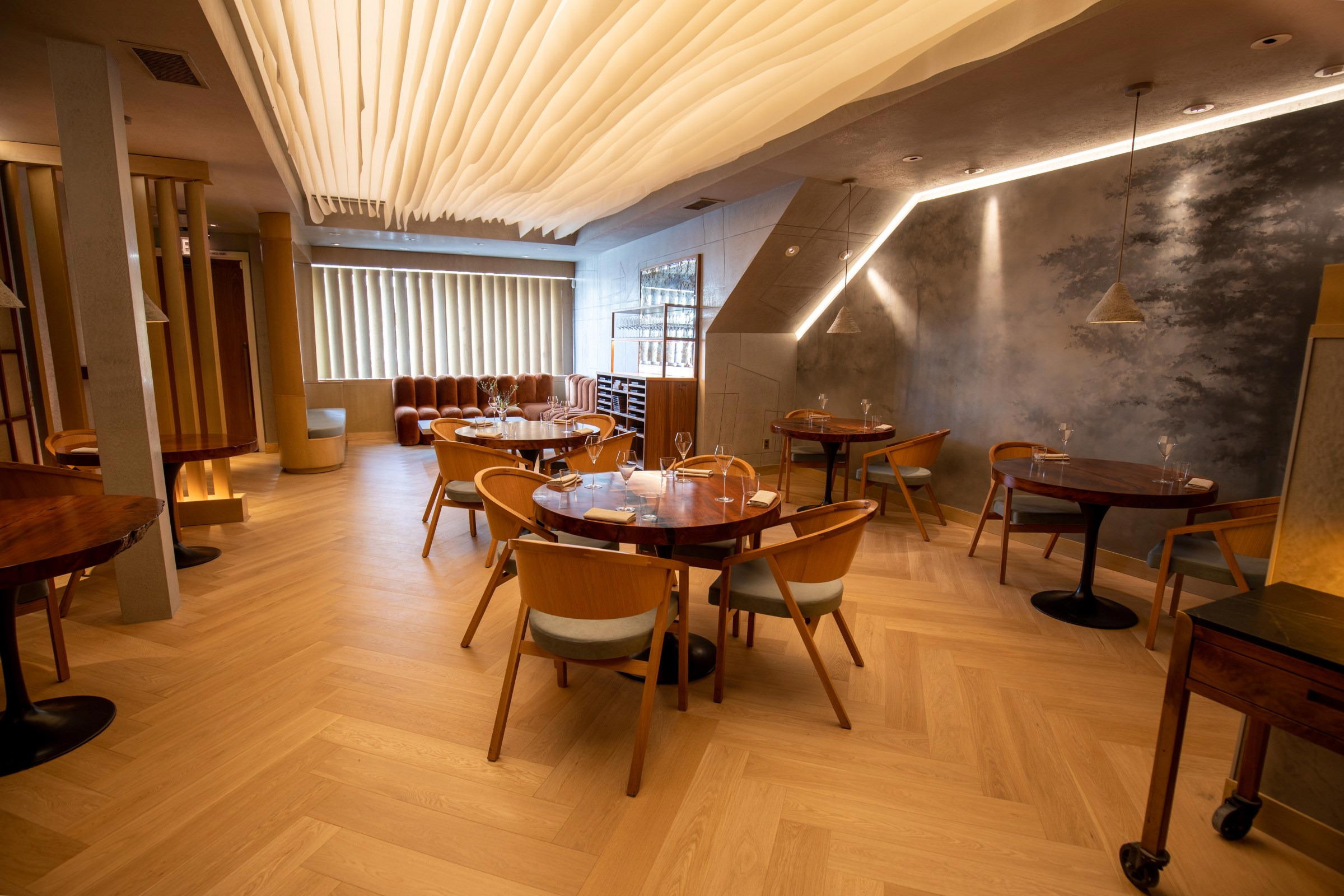
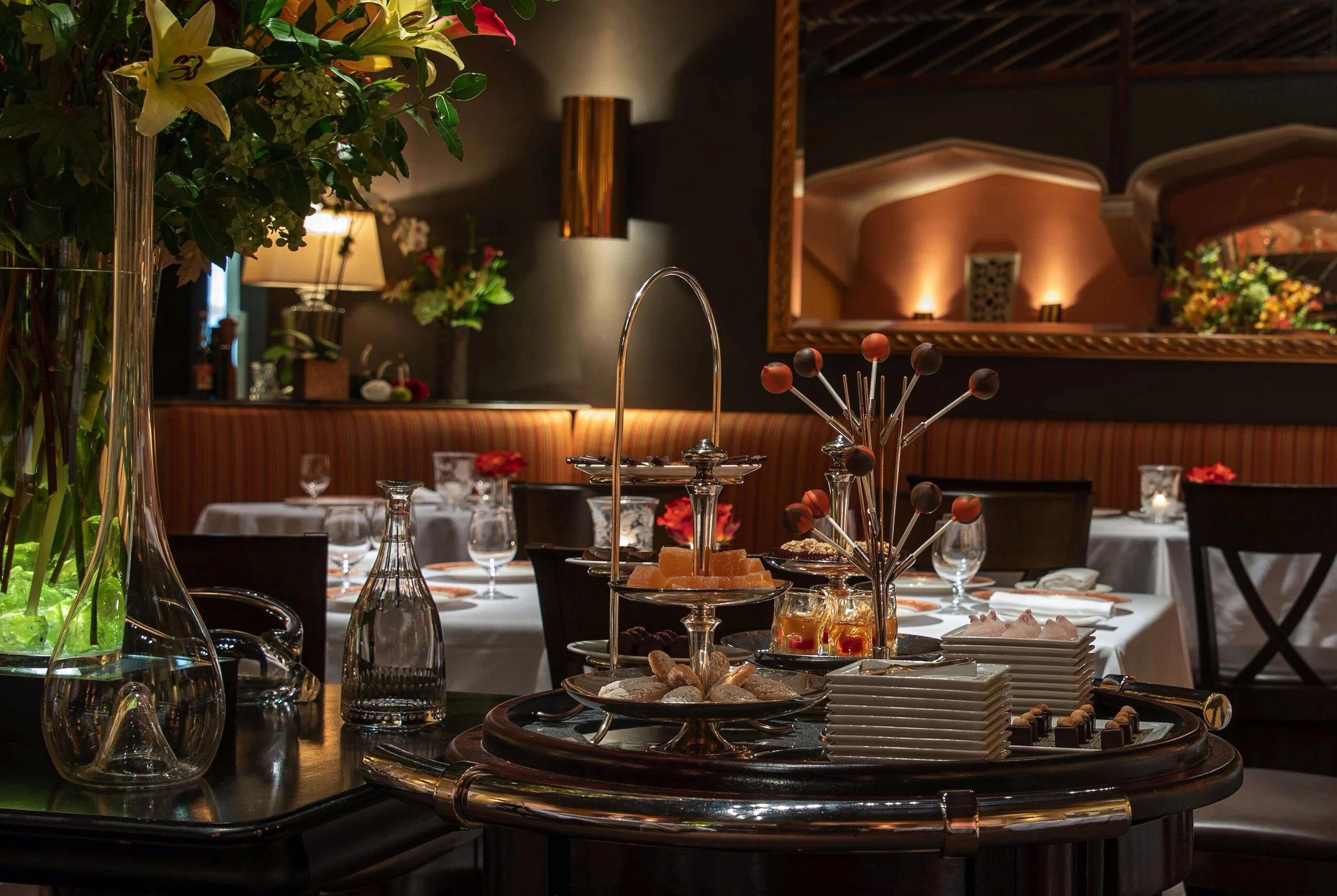
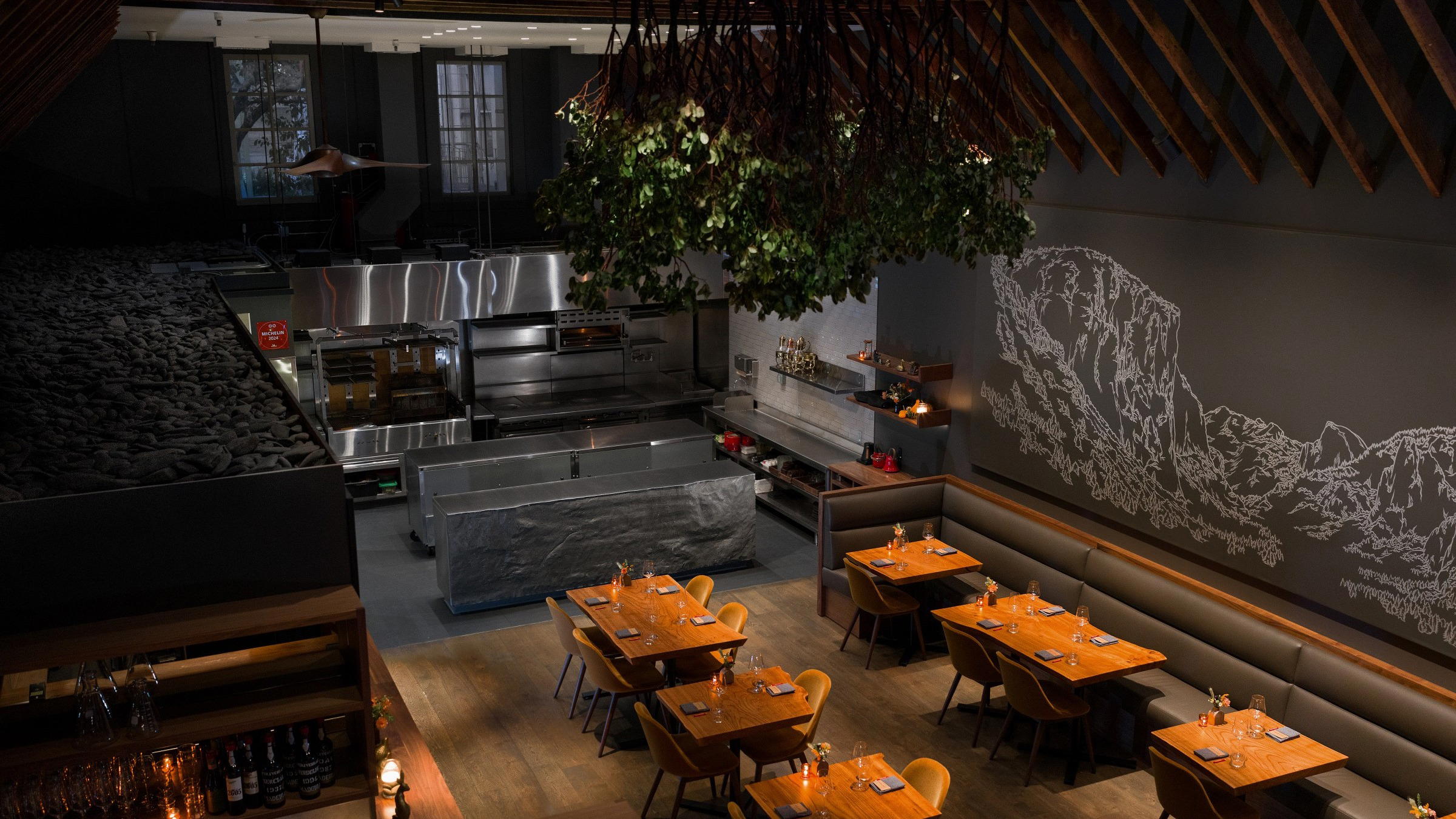
Bars in San Francisco
Browse all →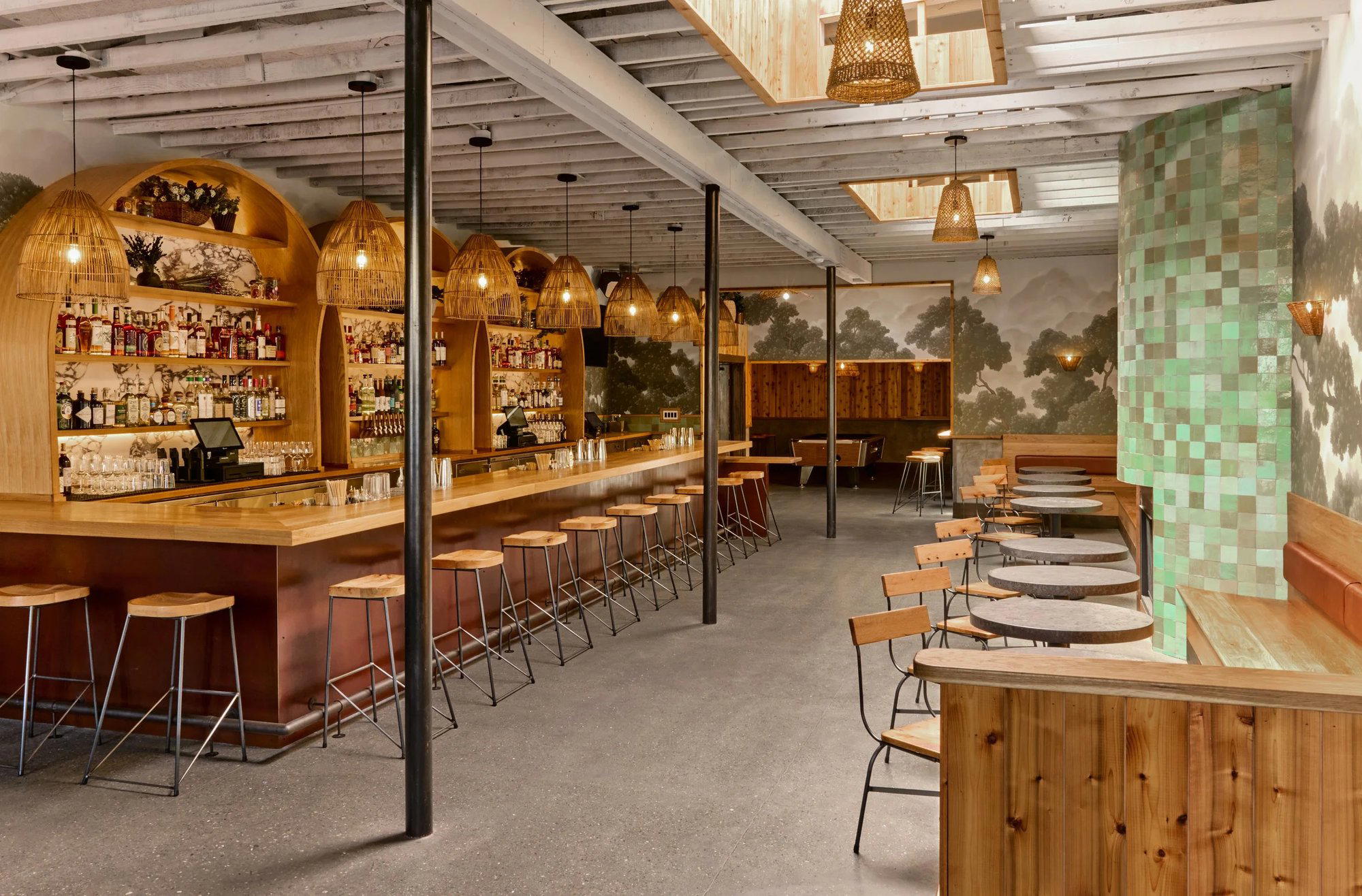
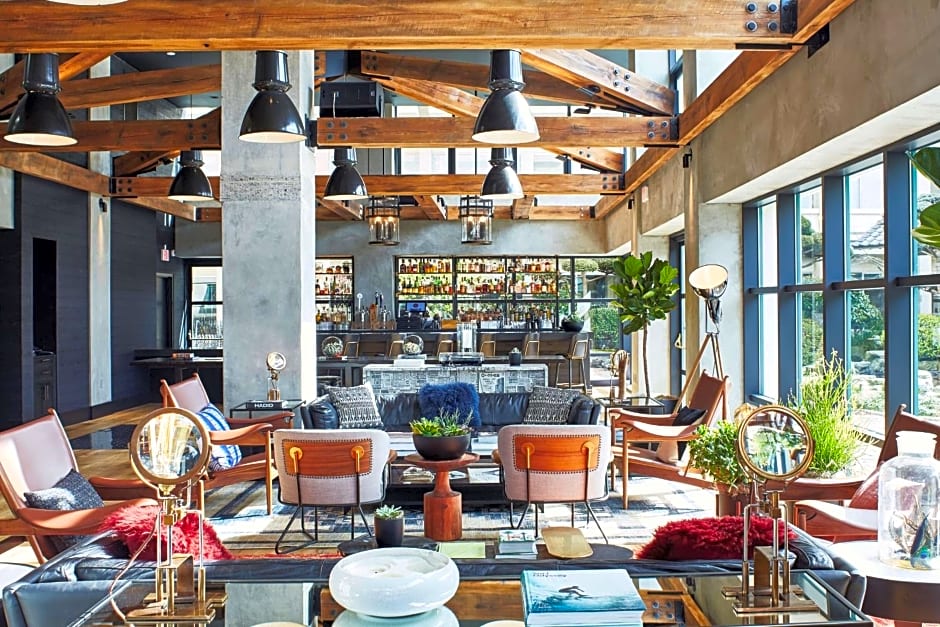
Hotels in San Francisco
Browse all →
At a Glance
- Cozy
- Intimate
- Classic
- Date Night
- Special Occasion
- Sake Program
Current opening hours
- Monday
- Closed
- Tuesday
- 11:30 AM–2 PM, 5–9 PM
- Wednesday
- 11:30 AM–2 PM, 5–9 PM
- Thursday
- 11:30 AM–2 PM, 5–9 PM
- Friday
- 11:30 AM–2 PM, 5–9:30 PM
- Saturday
- 11:30 AM–2 PM, 5–9:30 PM
- Sunday
- Closed
Hours can change for holidays and private events. Last verified .
Small, unassuming, and cozy atmosphere with a focus on sushi craftsmanship.