
oler places Spanish cooking in Nagoya’s Chikusa-ku rather than the city’s hotel-dining core, which gives the meal a more neighbourhood-driven register. The room is small, the price band sits in the JPY 6,000–7,999 dinner tier, and Tabelog’s Spanish Cuisine 100 selection in 2024 and 2026 gives it a clear signal among Japan’s Spanish-leaning restaurants.
Pearl is the En Primeur Club membership app — saves, bookings, and concierge access live there. Same editors, same standards.
- Address
- 愛知県名古屋市千種区豊年町14-13 クリーンビル 1F
- Phone
- +81527685208
- Website
- tabelog.com
 Saves & bookings on Pearl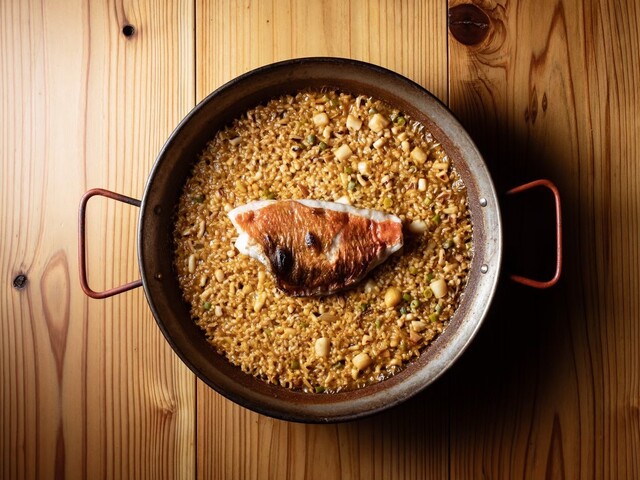
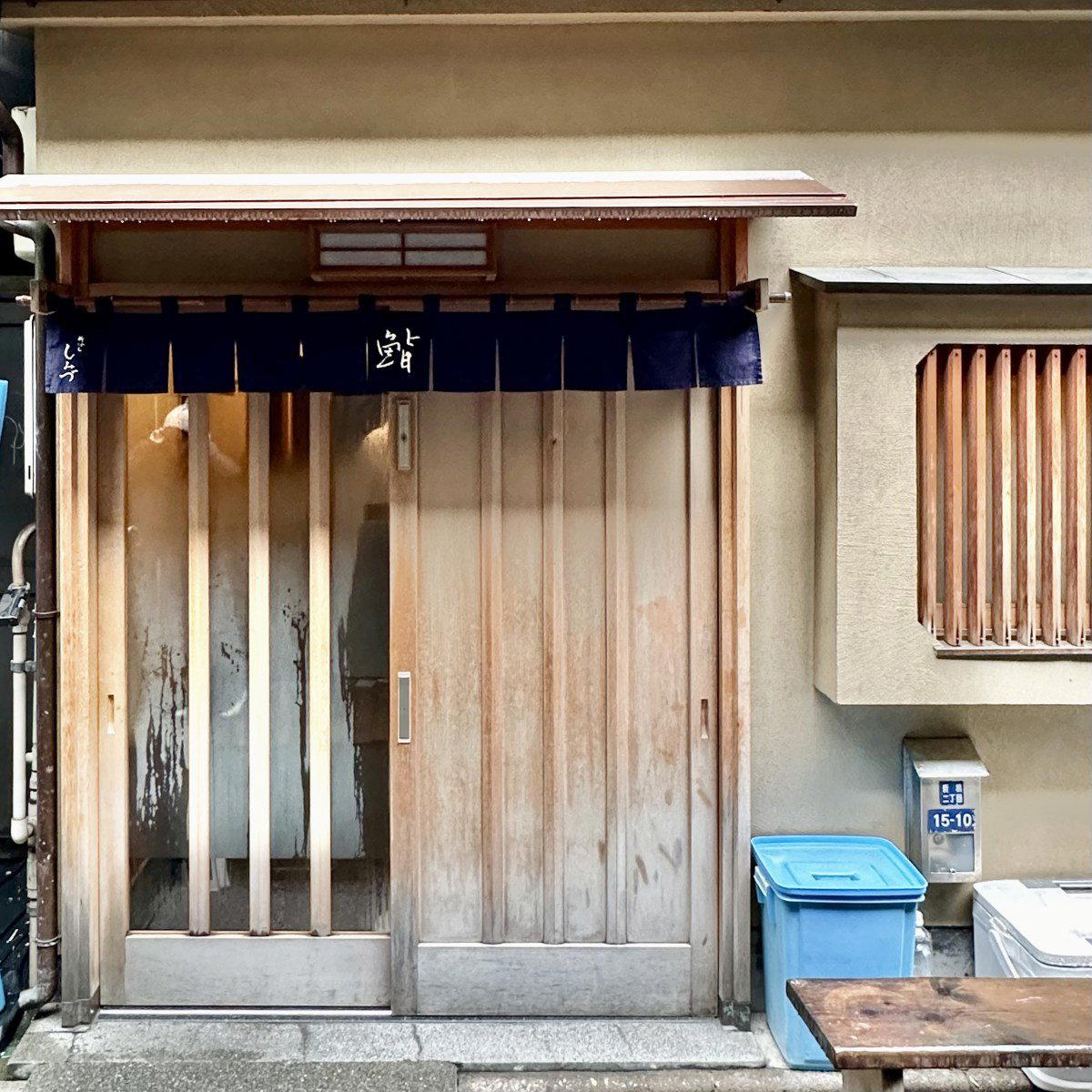
Approaching Honencho in Chikusa-ku, Nagoya thins into a more local rhythm: apartment blocks, small commercial buildings, and the kind of side-street dining rooms that depend less on spectacle than repeat confidence. oler belongs to that register. It is not positioned like a station-front hotel restaurant or a high-polish dining room in Sakae; its appeal sits in the smaller Japanese-Spanish category, where wine, seafood, and bar-style pacing matter more than grand-room ceremony.
Nagoya’s dining identity is often read through miso katsu, hitsumabushi, kishimen, and coffee-shop culture, but the city also has a quieter band of independent European restaurants outside the main visitor corridors. Chikusa-ku is useful for that reason. It gives a Spanish dining bar more room to feel local, especially around Imaike and Chikusa, where evening meals tend to be planned rather than stumbled into by tourists moving between department stores. The result is a restaurant that reads as part of Nagoya’s neighbourhood dining fabric, not as an imported concept dropped into a luxury district.
Spanish cooking filtered through Nagoya's neighbourhood scale
In Japan, Spanish restaurants often split into three broad formats: tapas bars built for casual drinking, paella-led dining rooms, and smaller restaurants that treat Spanish technique as a framework for local seafood and wine. oler sits closer to the third camp, with its category crossing Spanish, dining bar, and Spanish-style bar. That distinction matters. A bar-style structure can keep the room informal, but recognition from Tabelog’s Spanish Cuisine 100 in 2024 and again in 2026 places it inside a more serious national conversation than the format might suggest at first glance.
The price band reinforces that middle-premium position. Dinner at JPY 6,000–7,999 is not a casual snack-and-drink bracket, but it also sits below Nagoya’s more expensive destination counters and course-led rooms. In the local comparison set, curicoro and Tatsufumi Shiten occupy higher dinner bands at JPY 10,000–14,999, while Chuka Soba Naru and TSUMUGI Kitchen operate in lower everyday ranges. That leaves oler in a useful space for travellers who want a focused dinner without committing to the city’s heavier celebratory tier.
The seafood emphasis also fits Nagoya better than it may first appear. Aichi’s capital is inland compared with the fishing-port romance attached to other Japanese food cities, yet it sits between Ise Bay, Mikawa Bay, and the broader Chubu supply chain. Spanish cooking gives that geography a different vocabulary: fish, olive oil, wine, rice, grill, and small plates rather than the expected local canon. The point is not to replace Nagoya food culture, but to read the city through a European lens that still depends on Japanese procurement and portion logic.
A small room changes the tempo
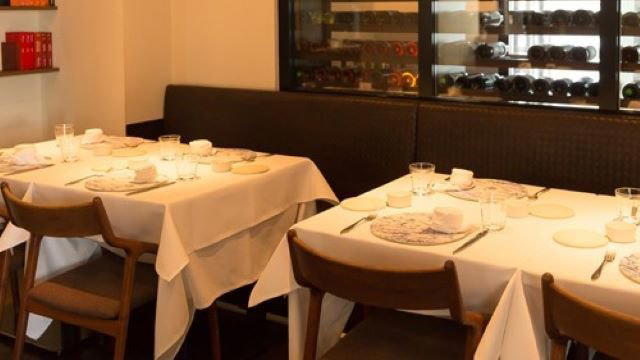
Scale is central here. With 17 seats, the restaurant belongs to the compact end of Nagoya’s recognised dining rooms, and that affects the evening more than any decorative claim could. Smaller rooms compress service, conversation, and pacing; they reward diners who want the meal to unfold with attention rather than background noise. Private-room formality is not the point, and the non-smoking policy pushes the room further toward a cleaner wine-and-dinner setting.
The location also filters the crowd. Imaike has long carried a more lived-in, less polished character than Nagoya Station or the Meieki towers, and that local grain matters for a Spanish dining bar. A restaurant in this area has to work for residents as much as destination diners. That is a useful check on over-designed Spanish pastiche: the format has to function as a neighbourhood dinner, not just a themed night out.
Tabelog’s Spanish Cuisine 100 selection is the main public trust signal, and its repetition across 2024 and 2026 gives the recognition more weight than a single-year listing. The score of 3.67 also places it in the zone where Japanese review culture starts to suggest specialist interest rather than broad casual consensus. For international travellers, the more practical reading is simple: this is a small, recognised Spanish address in a city where the category is less obvious than sushi, eel, ramen, or izakaya dining.
Where it fits in a Nagoya itinerary
oler works well on a Nagoya itinerary that already includes the city’s regional staples and wants one dinner outside the expected script. It is less useful as a first-night introduction to Nagoya’s canonical dishes; it is more useful after the visitor has covered the local signatures and wants to see how independent European cooking works in a neighbourhood context. That makes it a strong second- or third-night choice, especially for travellers staying near Chikusa, Imaike, or the Higashiyama Line.
Within the city’s restaurant set, compare the price and format against 1022, 451, Aaron, Alan., and All Day Dining Montmartre.
Travellers building a wider Japan food itinerary can also benchmark how Nagoya’s independent rooms differ from smaller specialist addresses elsewhere: -Grilled beef Sukiyaki- KAMAKURA TANUKIAN 鎌倉 たぬき庵 in Kamakura. 鮪と炭火焼き うお炭 秋葉原店 in Tokyo.cafe in Osaka.know in Kumamoto, (Shoku) Vietnam in Kawasaki, [Curry Senmon Ten] Maruyama Kyoju. in Sapporo, Jōdo Saké Bar in Los Angeles, and Onigiri Time in Pasadena. The contrast is useful: oler’s value is not scale or theatricality, but a tight neighbourhood room carrying enough recognition to justify a planned evening.
The Quick Read
Comparable venues in the metro at similar price points.
| Venue | Cuisine | Price | Notes |
|---|---|---|---|
| olerThis venue — the venue you are viewing | Chikusa, Modern Spanish Dining Bar | $$$ | Not listed |
| ComedorKito- | Not listed | $$$ | Nishi, Omakase-style Modern Spanish Bistro |
| LE PIGNON | Not listed | $$$ | Higashi, Seasonal French fine dining in a traditional Japanese courtyard house |
| SOLAMENT'UNO | Higashi, Modern Italian Course Dining | $$$ | Not listed |
| Shutei Nawa | Higashi, Japanese Izakaya Seafood | $$$ | Not listed |
| Sakana To Nihonshu Atarayo | Naka, Creative Seafood Izakaya with Sake | $$$ | Not listed |
Recognition history
Dated appearances from independent guides and award organizations, with the underlying list record or original source where available.
Tabelog 100 #84 · No. 84
Tabelog · Tabelog 100 - Spanish cuisine - 2026
Continue exploring
More in Nagoya
Restaurants in Nagoya
Browse all →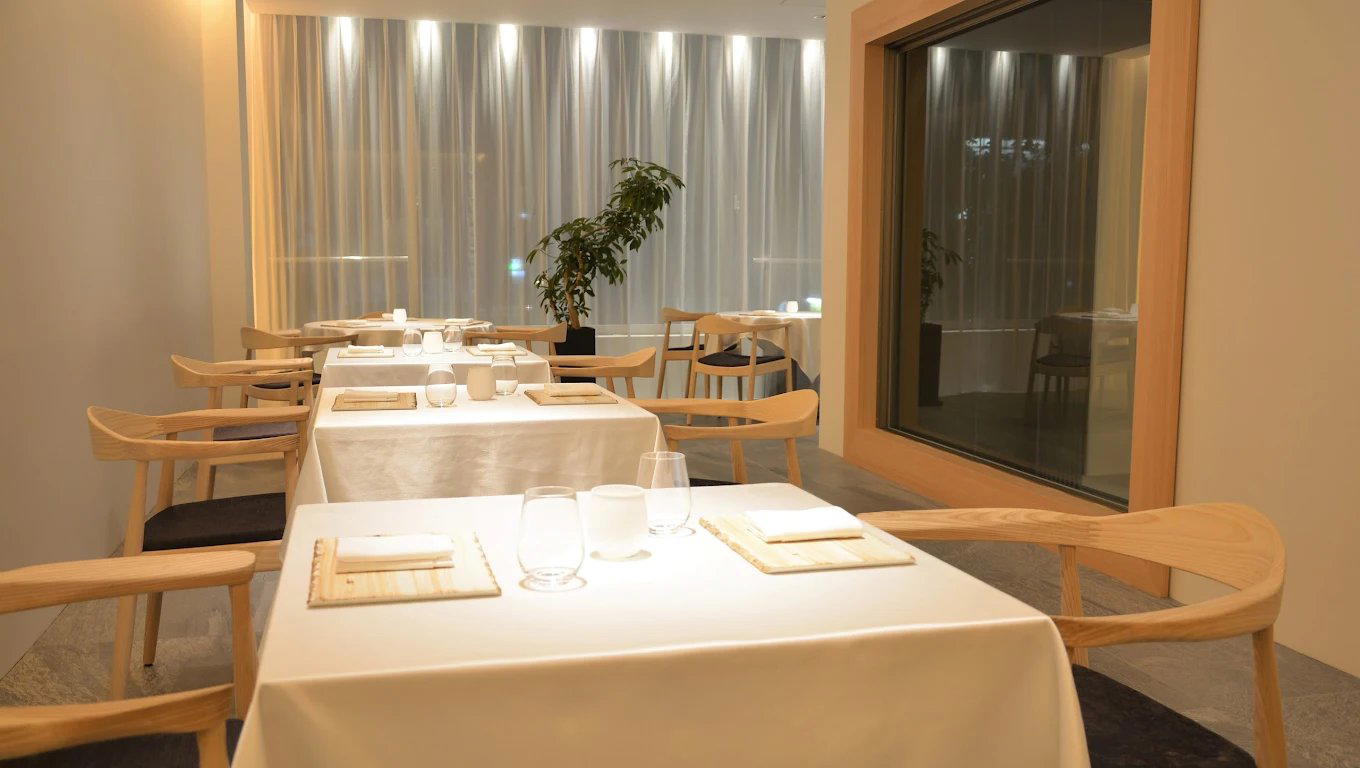

At a Glance
- Cozy
- Intimate
- Lively
- Trendy
- Date Night
- After Work
- Group Dining
- Special Occasion
- Casual Hangout
- Solo
- Wine Cellar
- Standalone
- Extensive Wine List
- Sustainable Seafood
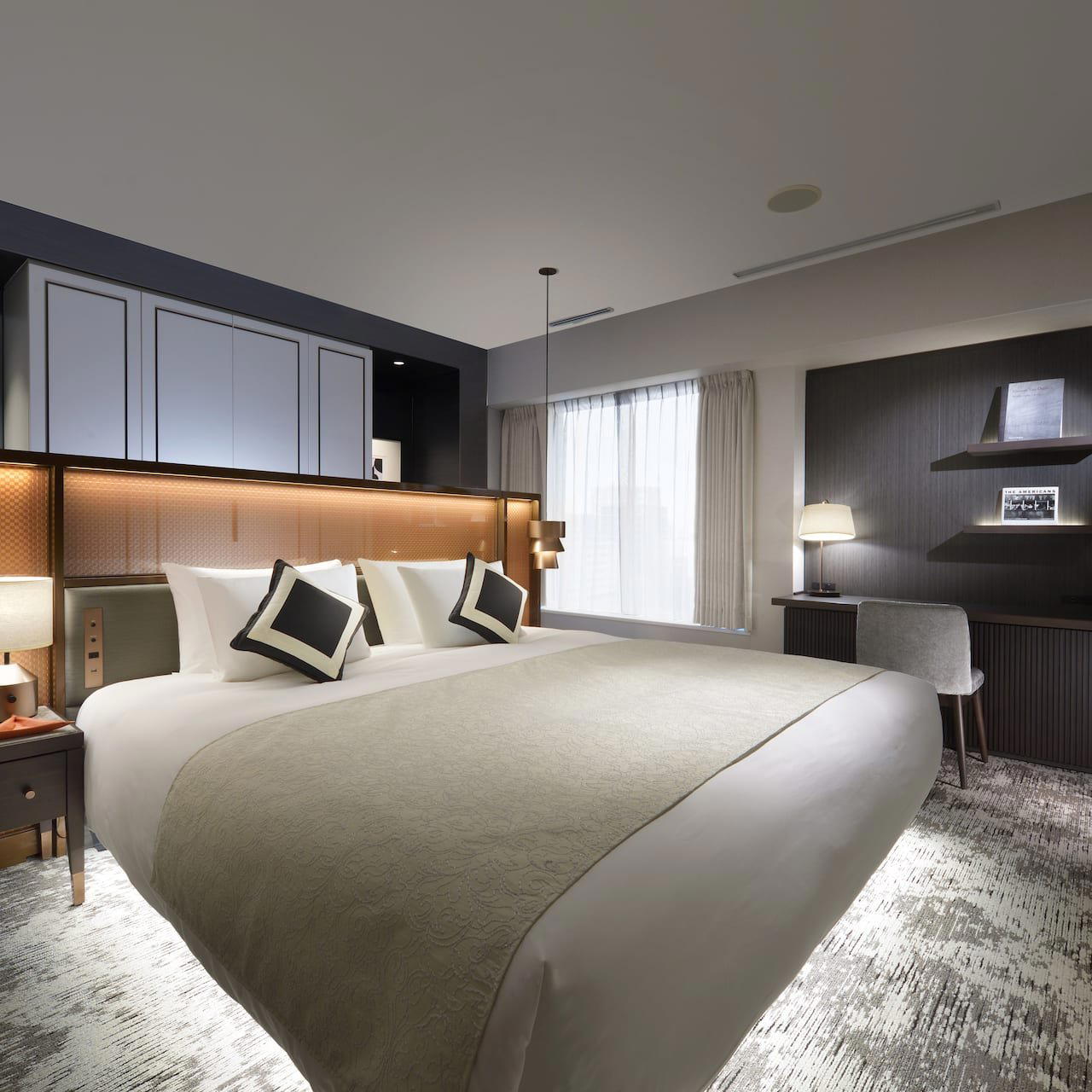
Small, relaxed 17-seat space with a cozy, bar-like feel and an adult-oriented atmosphere suited to leisurely evening dining and drinks.