Old Boulevard occupies a storied address on Ninoshvili Street in central Batumi, where the Black Sea port city's Ottoman, Soviet, and Georgian identities have long collided. The setting anchors it in the older residential fabric of the city rather than the glassier tourist strip along the seafront. For visitors trying to read Batumi through its food, this address is a reasonable starting point.
- Address
- 23a Ninoshvili St, Batumi, Georgia
- Phone
- +995577242006
- Website
- facebook.com
- Directions
- Get directions
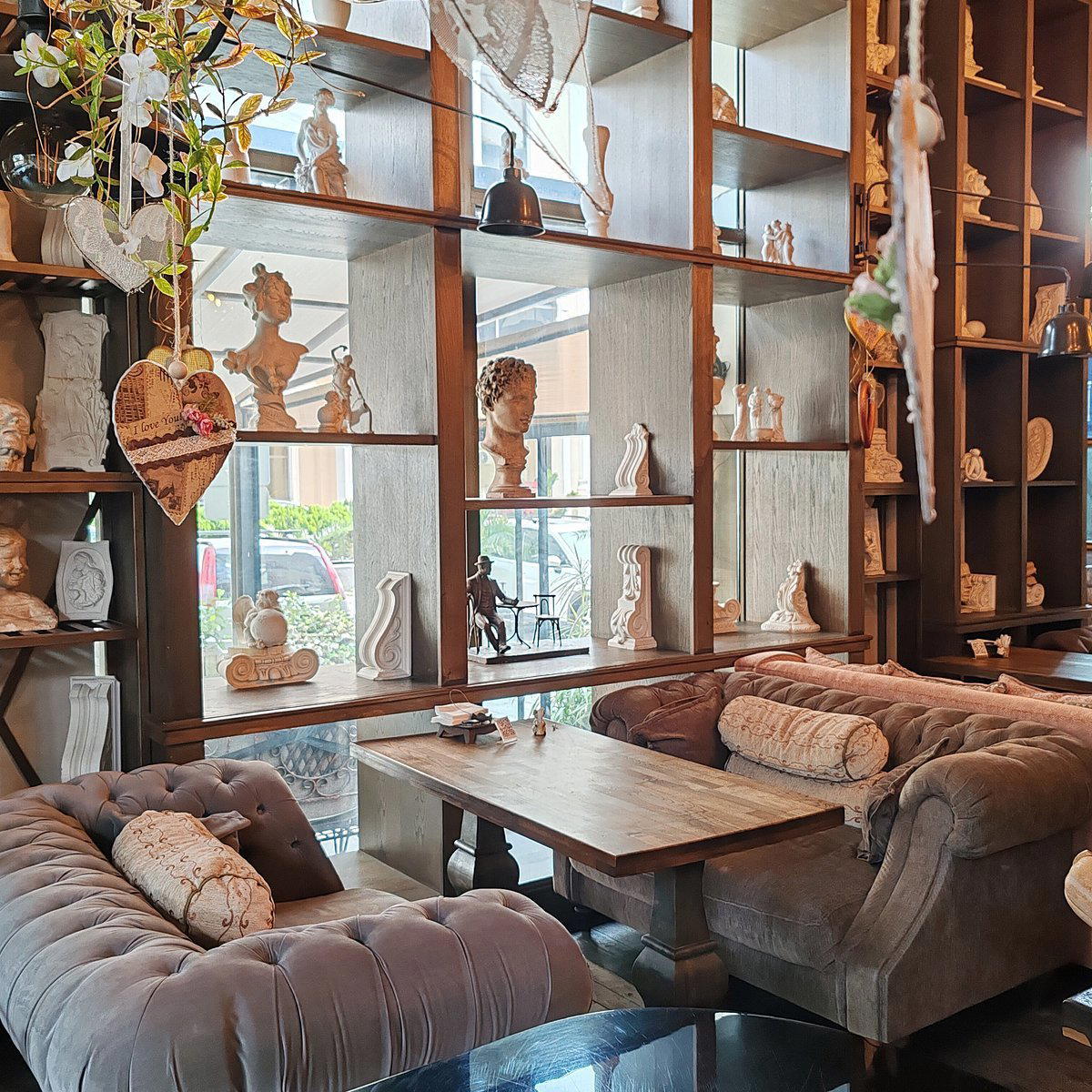
A Street That Remembers Several Cities
Ninoshvili Street runs through a part of Batumi that predates the tower-and-casino development crowding the seafront. The buildings here carry the ornamental ironwork and courtyard logic of the late Ottoman and early Russian imperial periods, an architectural grammar that persisted well into the Soviet era. Restaurants on this stretch sit inside that older city, which means the physical context does a good deal of editorial work before any food arrives. Old Boulevard, at number 23a, occupies that address and inherits that layering.
Batumi's dining scene has expanded rapidly since the mid-2010s, driven partly by tourism from Russia, Turkey, and the broader post-Soviet region, and partly by Georgia's growing reputation as a wine and food destination. The city is not Tbilisi, and it doesn't pretend to be. Where the capital has developed a recognisable fine-dining register, anchored by a generation of chefs who trained or worked abroad, Batumi has stayed closer to a port-city register: direct, generous, shaped by proximity to the sea and by the Adjarian subculture that distinguishes this corner of Georgia from the rest of the country.
Adjarian Food and Why It Differs
Georgian cuisine is frequently discussed as a single entity, but regional variation is significant. Adjara, the autonomous republic of which Batumi is the capital, has its own culinary accent. One cited example is Adjarian khachapuri, the open-topped, boat-shaped bread filled with melted cheese, butter, and a raw egg that the diner stirs in at the table. It is a different preparation from the enclosed, disk-shaped Imeretian version more common in Tbilisi, and it reflects both the agricultural abundance of the Adjarian lowlands and the region's historical openness to Turkish and Middle Eastern influence.
That influence shows up elsewhere: walnut-based sauces appear in forms that echo Anatolian cooking, and the use of corn alongside wheat bread is more pronounced here than in eastern Georgia. Any restaurant operating in central Batumi is working within this tradition whether it acknowledges it explicitly or not, and Old Boulevard's address places it squarely in the part of the city where that tradition is most legible in the built environment.
For visitors who have already eaten their way through Tbilisi's better-documented restaurant scene, the Adjarian register can feel like a recalibration. Places like Sazandari and Medea Restaurant in Batumi work within similar cultural coordinates, while Askaneli Terrassa layers in wine-focused programming. The question for any Batumi address is how deliberately it engages with local tradition rather than defaulting to a generic Georgian-tourist menu.
The Batumi Restaurant Tier and Where This Fits
Batumi's restaurant market divides roughly into three tiers. At the leading, a small number of properties pursue regional or international recognition, often tied to hotel development or wine producers with established reputations. In the middle, neighbourhood restaurants and wine bars serve a mix of locals and repeat visitors, pricing against local incomes rather than tourist expectations. At the accessible end, street-level khinkali houses and bread-focused operations run high volume at low margins.
An address on Ninoshvili Street, in the older residential district rather than the seafront hotel strip, suggests the middle tier: a place oriented toward the city's daily eating life rather than toward the spectacle economy of the promenade. That is not a criticism. Particularly instructive eating in any city happens in this band, where kitchens cook for regulars and the menu reflects genuine local preference rather than what the tourism board recommends. Privet Iz Batuma and Munich also operate in Batumi's mid-tier, each with a different orientation toward the city's mixed visitor base.
For broader context on how Georgia's dining culture reads across different cities and formats, Pheasant's Tears Winery in Signagi and Doli in Telavi anchor the Kakheti wine-country register, while Palaty in Kutaisi represents Imereti's more central approach. The contrast with Batumi's Adjarian cooking is worth understanding before arriving, because it sharpens what you are tasting.
Batumi as a Dining City: What the Visit Teaches
Batumi in summer operates at a different frequency from the rest of the year. The city's population swells with visitors from across the region, outdoor seating expands onto pavements and rooftop terraces, and the evening eating culture stretches later than at any other point in the calendar. Winter Batumi is a quieter, cheaper, and in some respects more honest city to eat in, because the kitchens are cooking for residents rather than for a seasonal influx.
Whenever you visit, the Black Sea proximity matters to the menu. Batumi's fish and seafood tradition, while less celebrated internationally than Georgian meat and bread culture, is locally significant. The city's historical role as a trade port also introduced ingredients and techniques that never made it into the simplified version of Georgian food exported to the West. Eating attentively in Batumi means noticing these layers, and a restaurant on a street like Ninoshvili, embedded in the older residential fabric, is often where those layers are most present.
Georgia's broader dining and travel infrastructure has improved substantially over the past decade, with international recognition of the wine scene, increased air connectivity, and a growing body of serious food writing about the country. ATI in Tbilisi and Crowne Plaza Borjomi represent different ends of the country's hospitality register, but Batumi operates by its own logic, driven by its port character and Adjarian identity rather than by the capital's trends.
Planning a Visit
Old Boulevard is located at 23a Ninoshvili Street in central Batumi, within walking distance of the old town and the botanical gardens district. Reservations are recommended. The street's position in the older city means it is best reached on foot from the historic centre, which takes less than ten minutes from most of the old town's key intersections. For visitors building a wider Georgia itinerary, reference points such as Gazaphkhuli in Chiatura, Chiko in Aspindza, and Schuchman Wines Chateau in T'elavi help frame the regional range of Georgian hospitality before or after a Batumi stop.
Cost Snapshot
Comparable venues nearby, for context on price, style, and recognition.
| Venue | Cuisine | Price | Notes |
|---|---|---|---|
| Old BoulevardThis venue — the venue you are viewing | Not listed | $$ | Not listed |
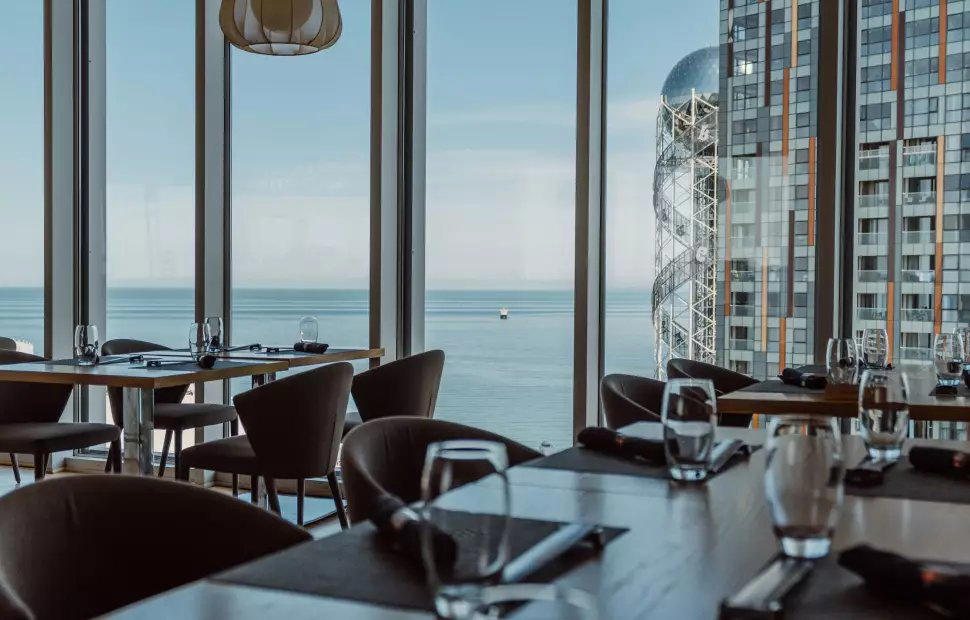
| Umami at Clouds | Batumi, Asian Fusion & Sushi | $$$ | Not listed |
| Sazandari | Batumi, Georgian | $$ | Not listed |
| Munich | Batumi, Ajarian Georgian | $$ | Not listed |
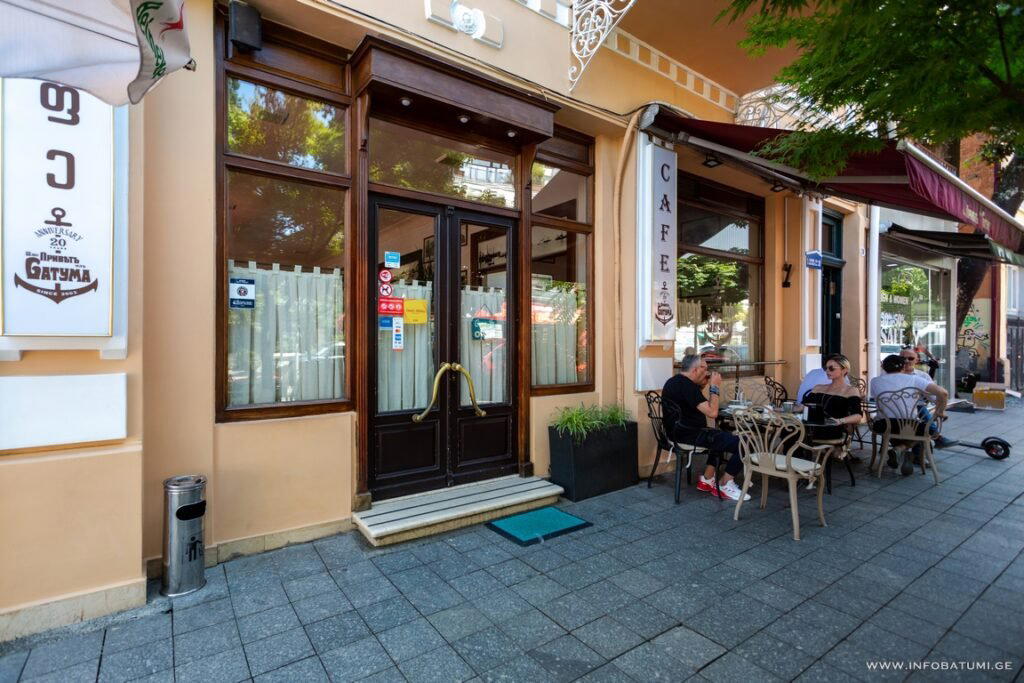
| Privet Iz Batuma | Not listed | $$ | Central Batumi, European Bistro with Georgian Influences |
| Askaneli Terrassa | Not listed | $$$$ | Seaside, Georgian Caucasian with Asian and Creative influences |
Continue exploring
More in Batumi
Restaurants in Batumi
Browse all →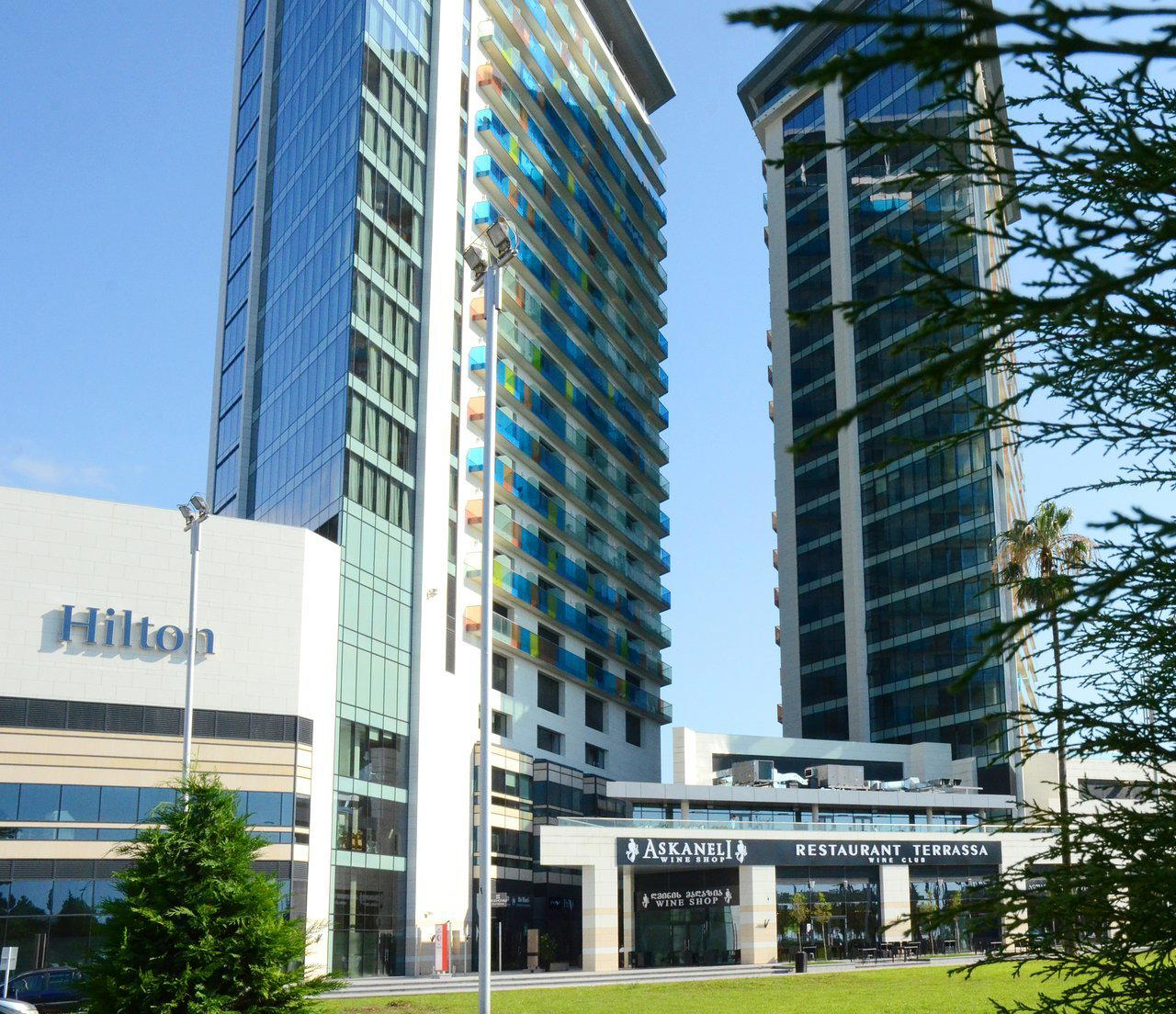


At a Glance
- Elegant
- Classic
- Romantic
- Lively
- Date Night
- Group Dining
- Celebration
- Special Occasion
- Live Music
- Historic Building
- Terrace
- Extensive Wine List
- Local Sourcing
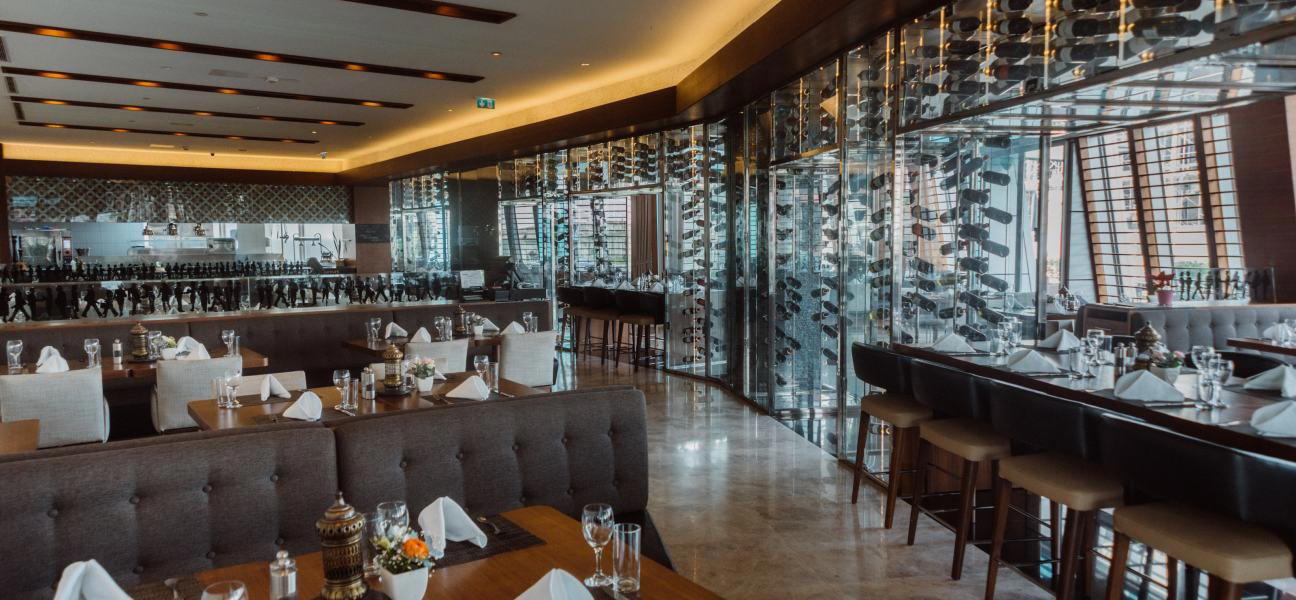
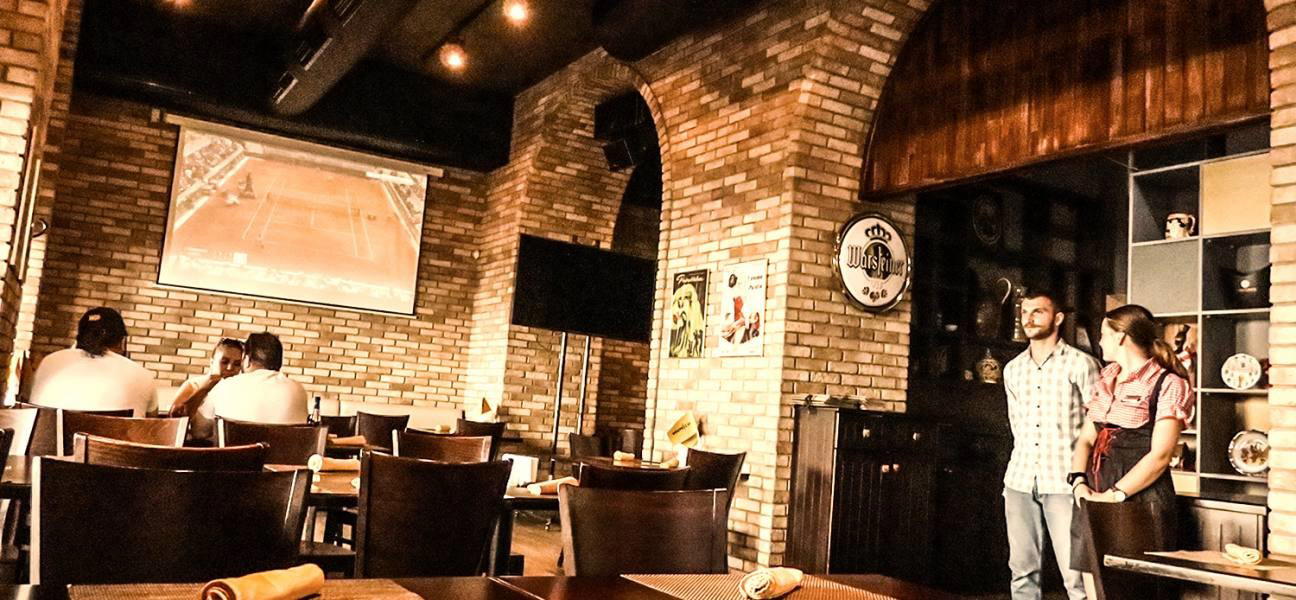
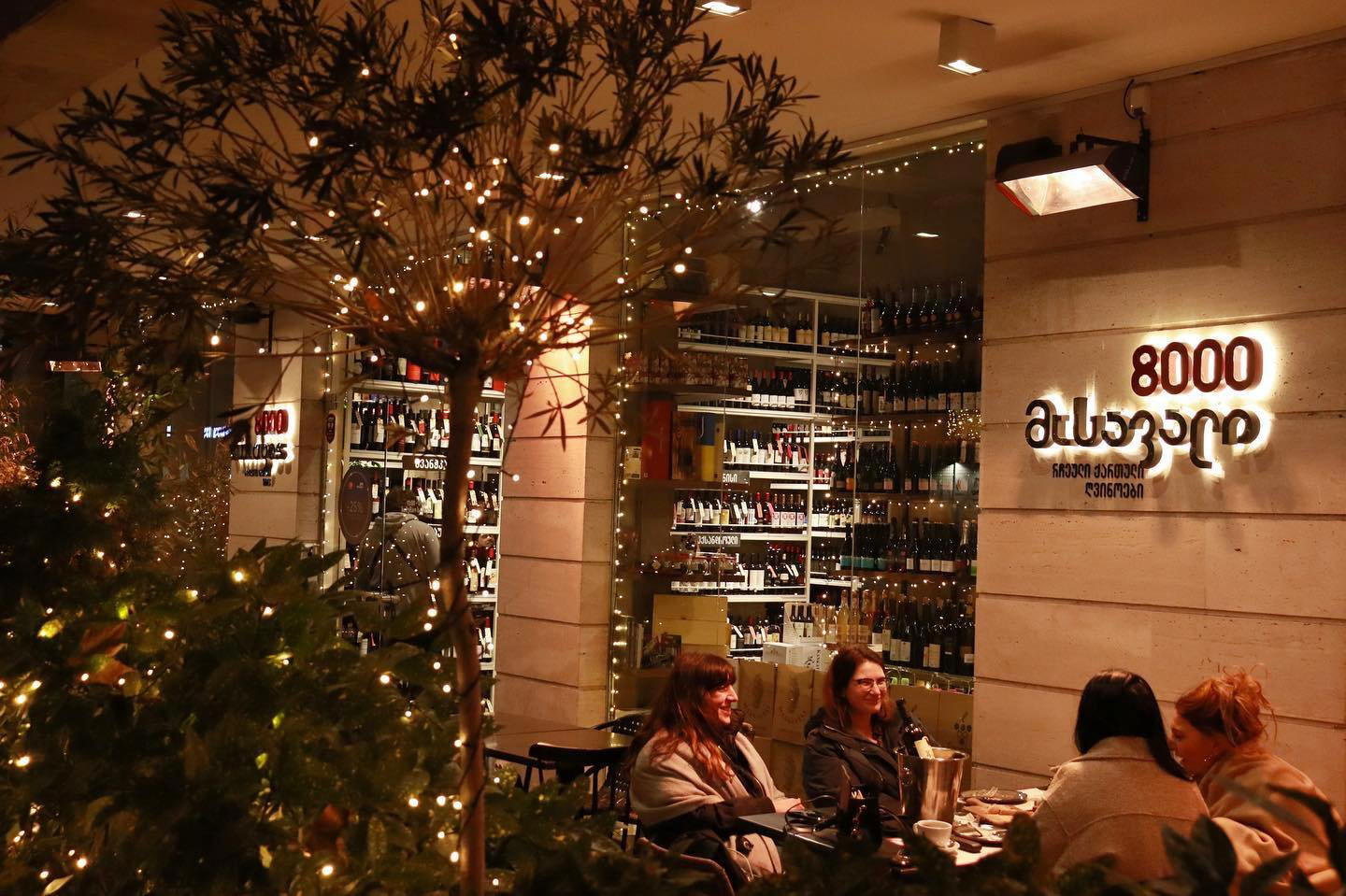
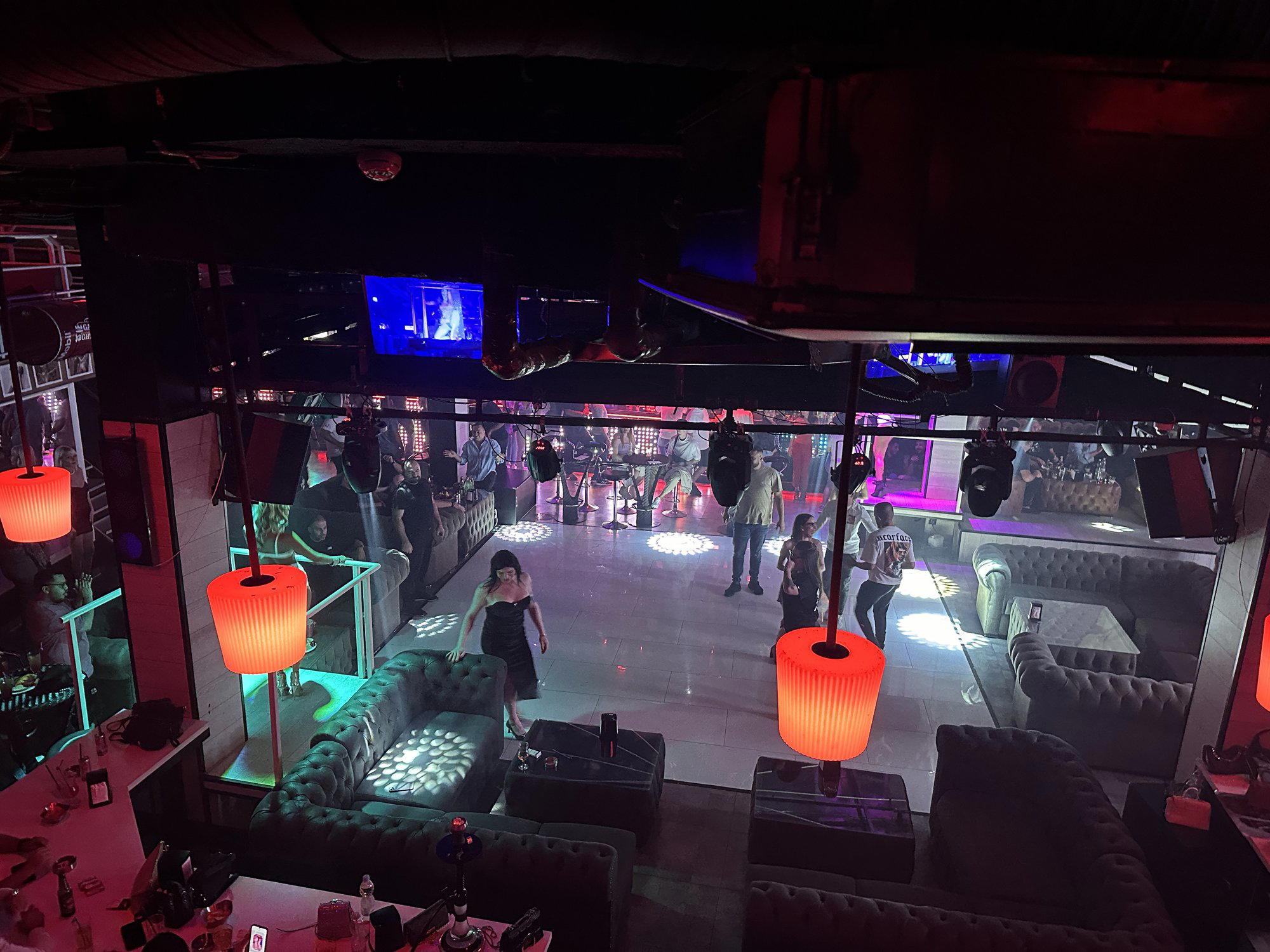
Refined and sophisticated with dark furniture, ceiling lights, live plants, and a grand piano on the lower floor; mezzanine seating accessible via stairs; warm hospitality and hospitable atmosphere of old Batumi.