On Ninoshvili Street in central Batumi, Medea Restaurant sits within a dining scene increasingly defined by Adjaran ingredient traditions and Black Sea proximity. The address places it close to the city's older residential fabric, away from the beachfront resort strip, suggesting a kitchen oriented more toward local sourcing than tourist-facing menus. A reference point for understanding how Batumi's restaurant culture connects to Georgian culinary foundations.
Pearl is the En Primeur Club membership app — saves, bookings, and concierge access live there. Same editors, same standards.
- Address
- Ninoshvili str.# 1 Batumi, Ajara 6000, Georgia
- Phone
- +995577366200
- Website
- radissonblu.com
- Directions
- Get directions
 Saves & bookings on Pearl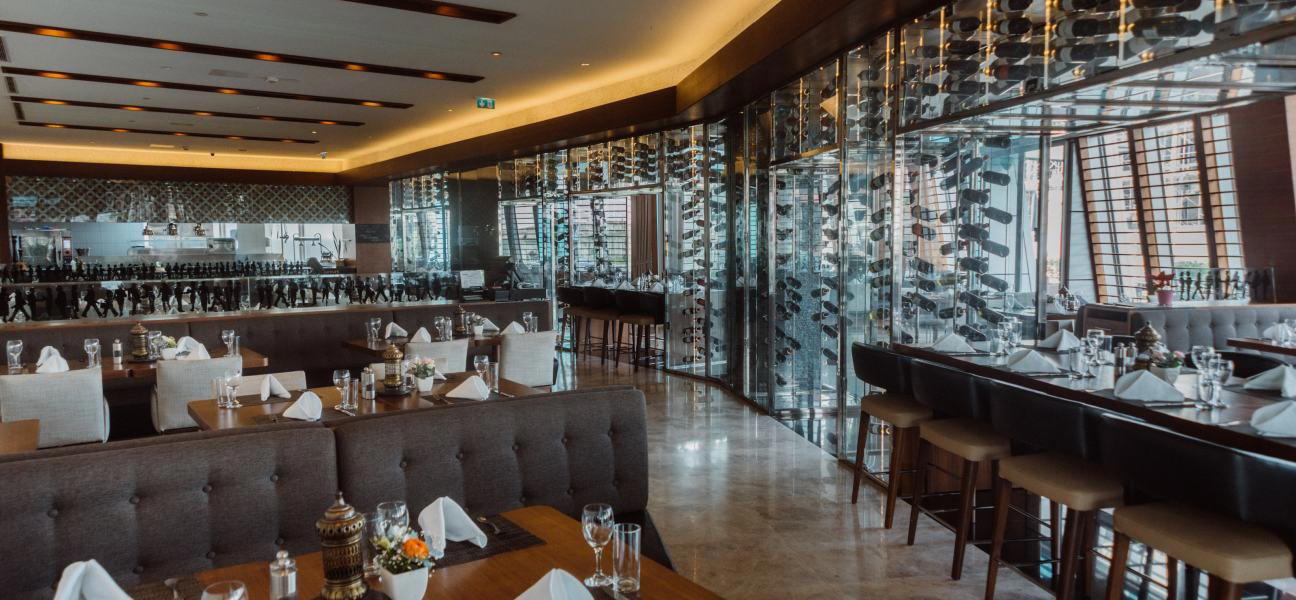
Batumi's Dining Geography and Where Medea Sits
Batumi divides itself culinarily in ways that matter to a serious eater. The beachfront boulevard has accumulated a predictable layer of international-facing restaurants serving approximations of Georgian food alongside pizza and grilled fish priced for summer tourists. Move a few blocks inland, toward the older residential streets, and the dynamic shifts. On Ninoshvili Street, close to the city's historic core, the clientele is more local, the menus more anchored in Adjaran specificity, and the ingredient story more directly tied to what the surrounding region produces. Medea Restaurant occupies this second geography, which already says something meaningful about what to expect before you have read a single dish description.
Adjara is not the same as Tbilisi, and it is not the same as Kakheti. The region's cuisine draws on Black Sea fish, walnut-heavy sauces, cornbread traditions distinct from the wheat-based breads of eastern Georgia, and a dairy culture shaped by altitude and coastal climate simultaneously. Restaurants that take this seriously source differently from those that treat Georgian food as a single undifferentiated tradition. The address on Ninoshvili puts Medea closer to the suppliers and the producers who define that regional identity, which is the first credential worth noting.
The Ingredient Logic of Adjaran Cooking
Georgia's food culture has attracted sustained international attention for the past decade, much of it focused on the qvevri wine tradition of Kakheti and the elaborate feast culture of Tbilisi. Places like Pheasant's Tears Winery in Signagi and ATI in Tbilisi have helped frame Georgia as a serious culinary destination on international terms. Batumi's restaurant scene operates somewhat separately from that narrative, working from a different pantry and a different set of priorities.
The Black Sea supplies mullet, sea bass, and various smaller species that appear across Batumi tables in preparations quite different from the meat-centered feasts of the interior. Walnuts arrive from Adjaran hillside orchards and function not as garnish but as a structural ingredient in sauces, stuffings, and cold preparations. Corn, grown in the lowland agricultural zones around the city, produces the cornmeal for mchadi flatbreads that accompany dishes in ways that wheat-based shoti cannot replicate. These are not interchangeable with ingredients from other Georgian regions, and the kitchens that source them correctly produce food that is recognizably Adjaran rather than generically Georgian.
For visitors arriving from Tbilisi or from elsewhere in Georgia, the ingredient vocabulary at a restaurant like Medea represents a meaningful regional shift. For visitors arriving from outside Georgia entirely, it provides a specific entry point into a cuisine that has more geographic and agricultural variation than its international reputation yet suggests. Comparable regional specificity in other wine-and-food cultures would be the difference between eating in Lyon and eating in Marseille: same country, same broad tradition, substantially different pantry.
The Ninoshvili Street Setting
The physical approach to Medea along Ninoshvili Street places the restaurant in the older, pre-Soviet and early Soviet urban fabric of Batumi rather than the tower-and-casino strip that dominates the seafront. This part of the city has retained a residential character that the boulevard long since lost, and restaurants here occupy the kind of ground-floor spaces that read as permanent rather than seasonal. The distinction matters for understanding the clientele and, by extension, the kitchen's priorities: a restaurant serving the same neighborhood year-round must satisfy regulars in ways that a tourist-season operation does not.
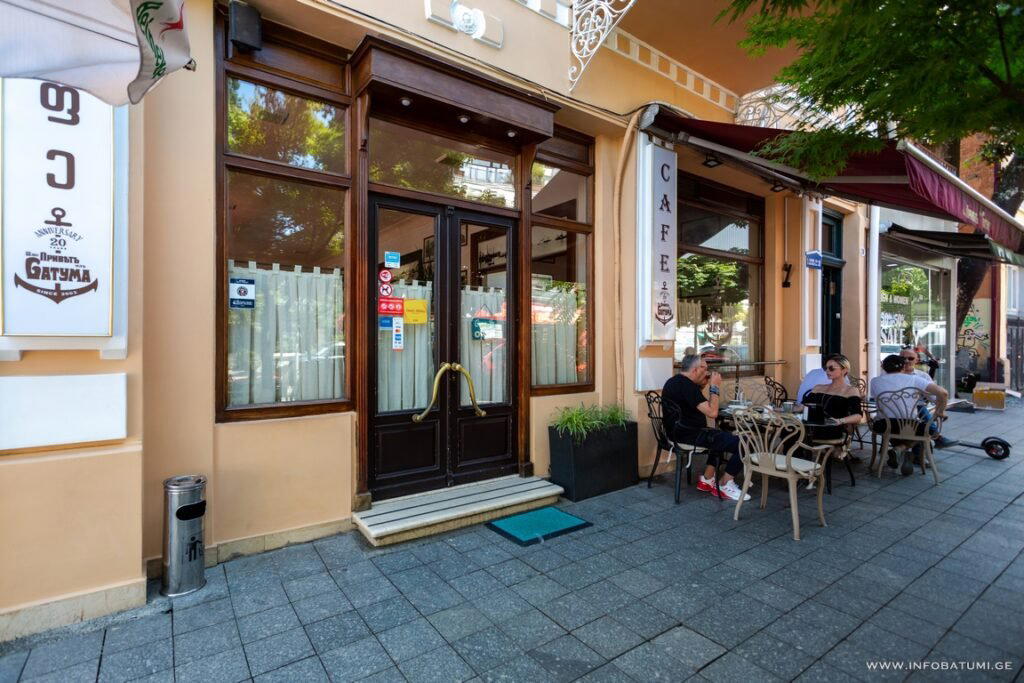
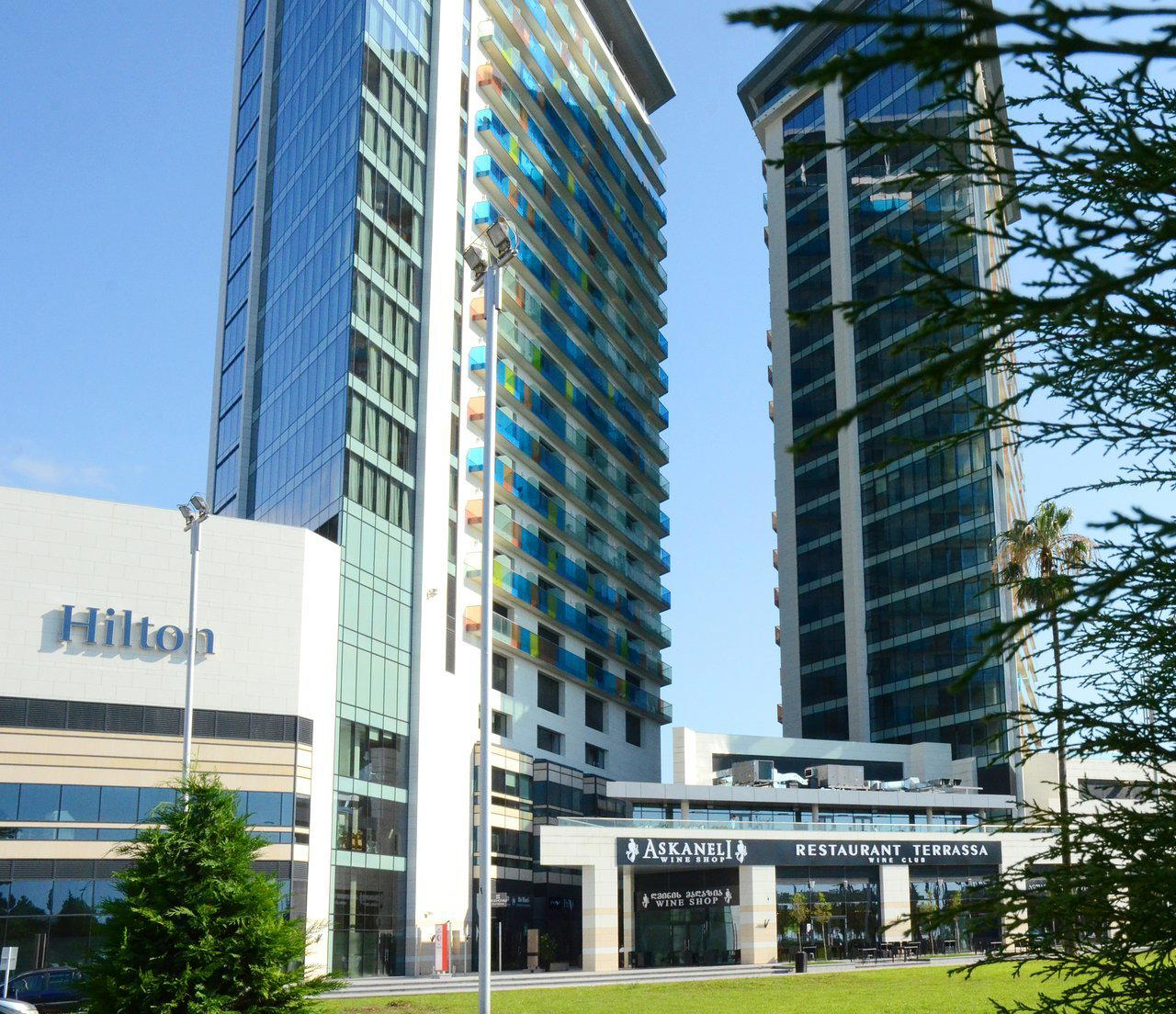
Other restaurants worth considering in the same Batumi context include Sazandari, Old Boulevard, Privet Iz Batuma, Askaneli Terrassa, and Munich. Each addresses a slightly different segment of Batumi's dining range, from wine-forward terrassa formats to more casual local staples. Our full Batumi restaurants guide maps how these venues relate to one another across neighborhood and cuisine type.
Georgia's Broader Restaurant Context
Medea's position in Batumi becomes clearer when placed against Georgia's wider restaurant development. The country's most discussed dining addresses tend to concentrate in Tbilisi and in the Kakheti wine region, with places like Doli in Telavi and Schuchman Wines Chateau drawing visitors specifically for the wine-and-table combination that Kakheti enables. Western Georgia, which includes Adjara and its capital Batumi, operates on a different calendar and a different ingredient map. Palaty in Kutaisi and Gazaphkhuli in Chiatura represent the interior west; Batumi represents the coast. The distinction produces different food even when the same broad Georgian tradition frames both.
This regional specificity is underrepresented in international coverage of Georgian cuisine, which tends to consolidate the country's food identity around Tbilisi and Kakheti as shorthand. Restaurants in Batumi that work from Adjaran sourcing fill a genuine gap in that narrative, whether or not they have accumulated the award recognition or press coverage that would make them visible outside Georgia. The absence of international accolades at many Batumi restaurants reflects the coverage gap more than the food quality.
Planning a Visit
Medea Restaurant sits at Ninoshvili Street number 1, in central Batumi, Ajara 6000. The address is walkable from the old town and within reasonable distance of the seafront hotel zone, though far enough from the boulevard to feel embedded in the local fabric rather than positioned for passing tourist trade. Given the central location and the restaurant's apparent orientation toward a regular local clientele, visiting outside peak summer months may offer a more settled experience, with fewer competing demands on the kitchen. Summer in Batumi runs hot and the city fills with Georgian domestic tourists as well as visitors from the broader region, so July and August represent the highest-traffic window. Late spring and early autumn tend to provide more favorable conditions both climatically and in terms of restaurant pace.
The practical approach is to visit in person or ask at your accommodation for current information before making firm plans around a meal here.
Side-by-Side Snapshot
Comparable venues nearby, for context on price, style, and recognition.
| Venue | Cuisine | Price | Notes |
|---|---|---|---|
| Medea RestaurantThis venue — the venue you are viewing | Modern Georgian | $$$ | Not listed |
| Sazandari | Georgian | $$ | Batumi |
| Old Boulevard | Georgian & European Grill with Live Music | $$ | Batumi Boulevard |
| Munich | Ajarian Georgian | $$ | Batumi |
| Umami at Clouds | Asian Fusion & Sushi | $$$ | Batumi |
| Askaneli Terrassa | Georgian Caucasian with Asian and Creative influences | $$$$ | Seaside |
Continue exploring
More in Batumi
Restaurants in Batumi
Browse all →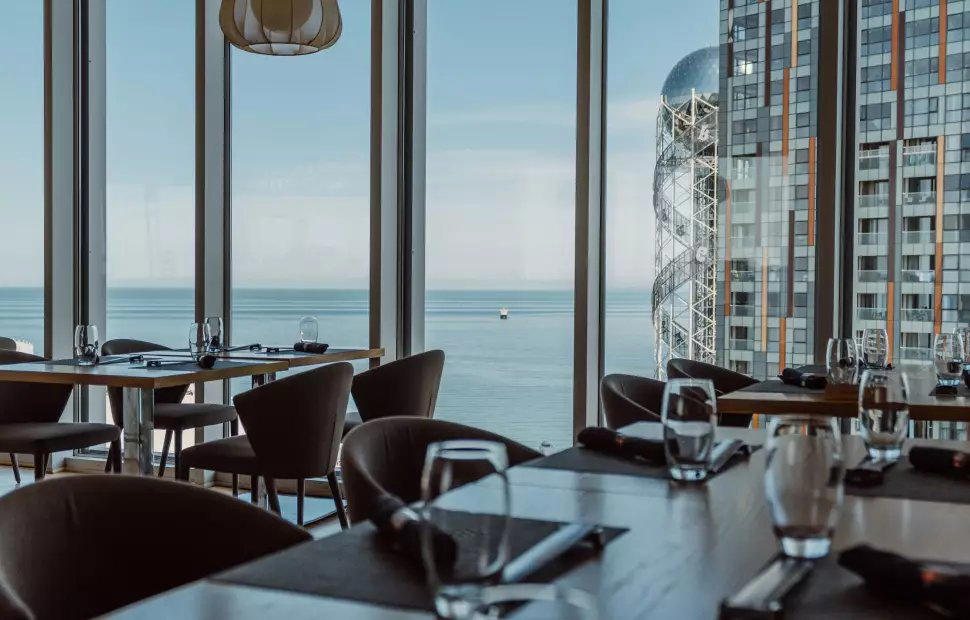

At a Glance
- Modern
- Elegant
- Energetic
- Date Night
- Special Occasion
- Brunch
- Hotel Restaurant
- Terrace
Current opening hours
- Monday
- 1 PM–12 AM
- Tuesday
- 1 PM–12 AM
- Wednesday
- 1 PM–12 AM
- Thursday
- 1 PM–12 AM
- Friday
- 1 PM–12 AM
- Saturday
- 1 PM–12 AM
- Sunday
- 1 PM–12 AM
Hours can change for holidays and private events. Last verified .
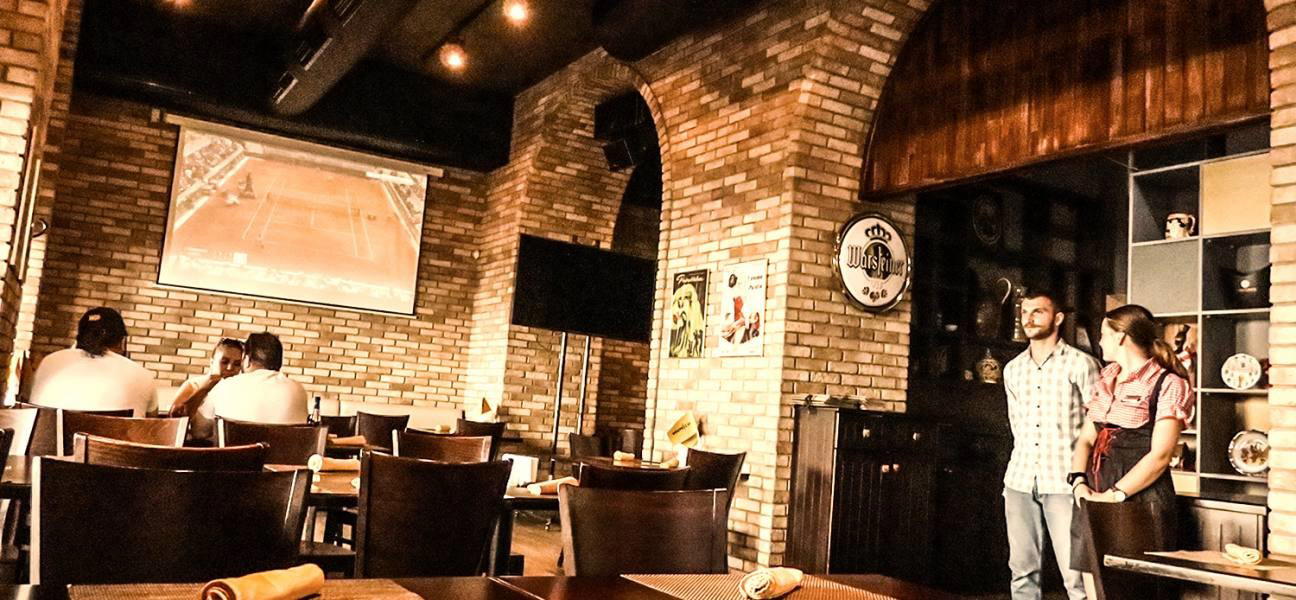
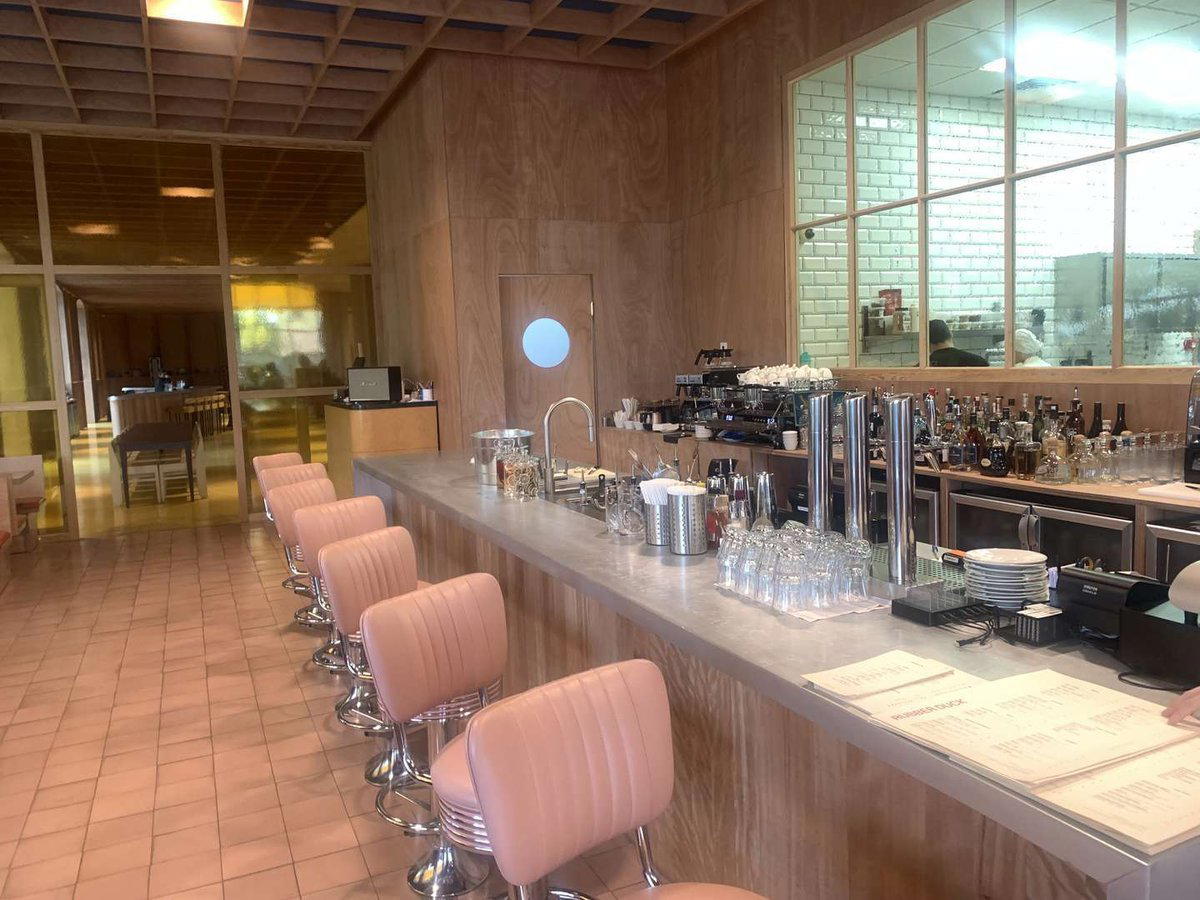
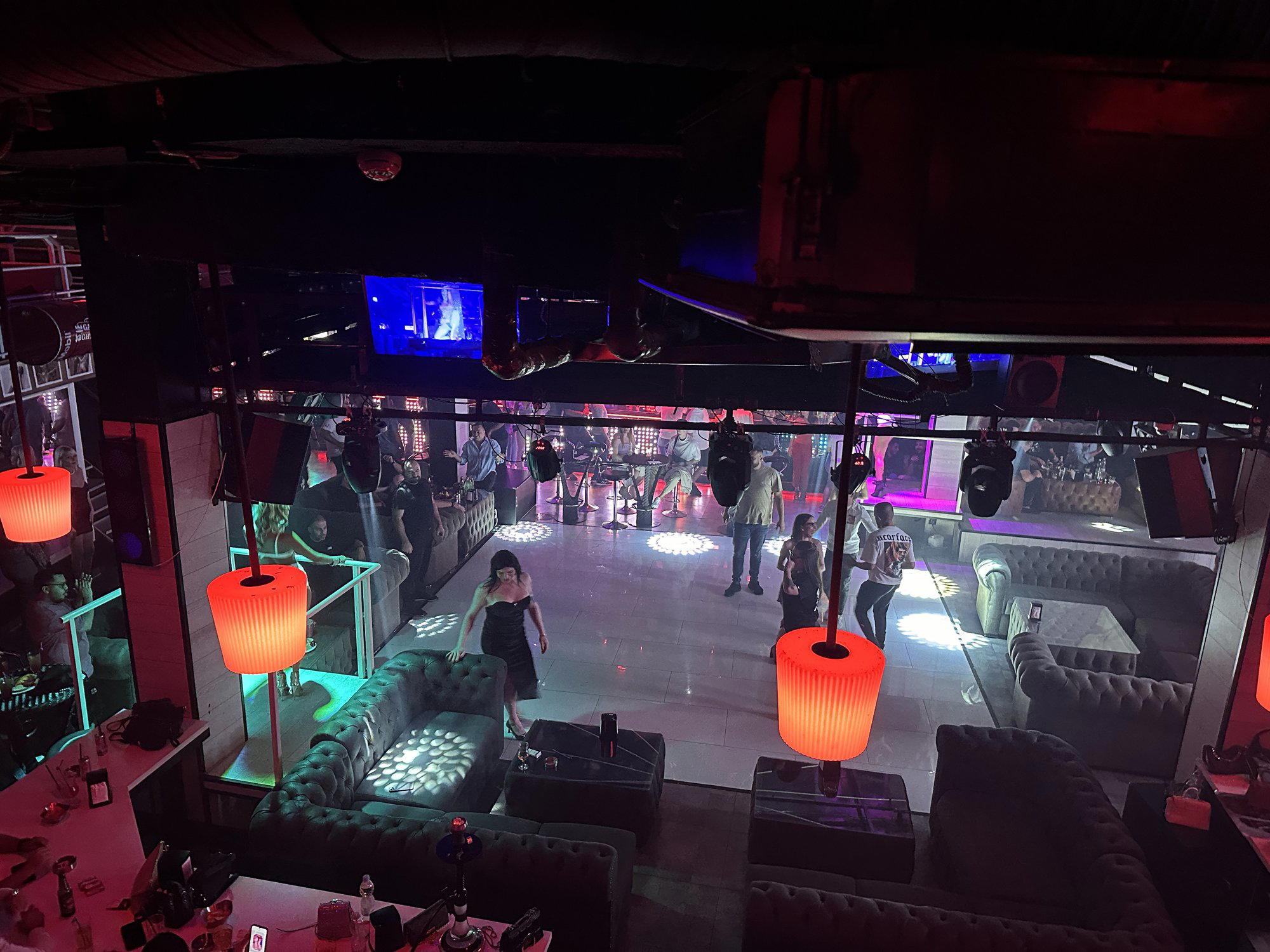
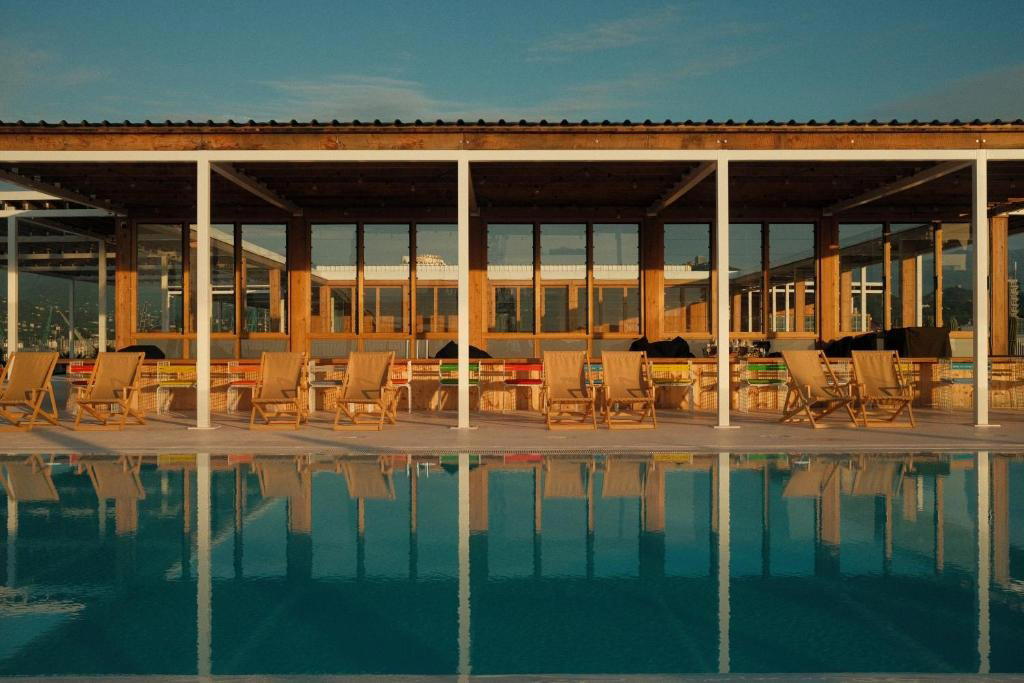
Lively and energetic atmosphere in a newly renovated, stylish interior with sunny terrace dining.