Our verdict
On Merab Kostava Street in central Batumi, Munich occupies a stretch of the city where European café culture and the Black Sea coast collide in ways that are still being worked out. The address places it close to the pedestrian corridors that define modern Batumi's hospitality offer, making it a practical reference point for visitors trying to map the city's mid-range dining options against its more Georgian-rooted alternatives.

Pearl is the En Primeur Club membership app — saves, bookings, and concierge access live there. Same editors, same standards.
- Address
- 8 Merab Kostava St, Batumi 6000, Georgia
- Phone
- +995514888338
- Hours
- Daily 10 AM–12 AM
- Website
- go.avantmenu.com
- Directions
- Get directions
- Booking
- Book on the venue's website
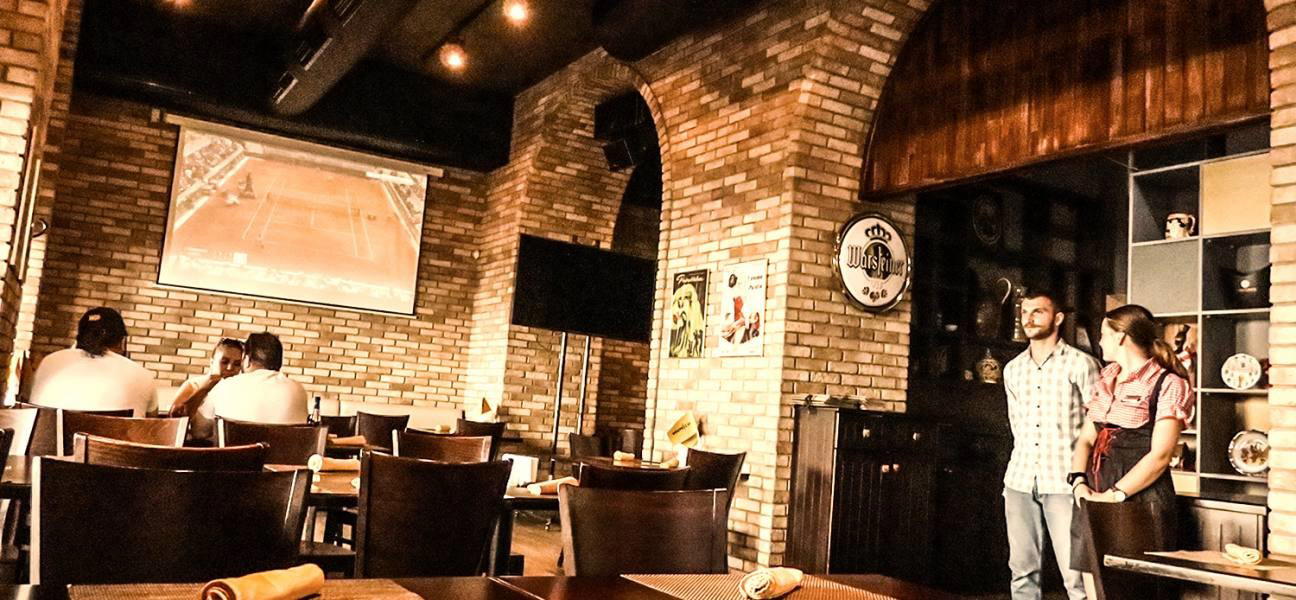
Kostava Street and the European Impulse in Batumi's Dining Scene
Merab Kostava Street runs through one of Batumi's more active commercial corridors, a few blocks inland from the seafront promenade where the city's newer hotel towers cluster. This positioning matters for understanding what Munich represents in the local dining picture. Batumi has developed two distinct hospitality registers over the past decade: one oriented toward the Black Sea leisure crowd, with menus built around Georgian wine, khachapuri, and grilled fish; and a second register that draws on the city's history as a cosmopolitan port, where European café formats and Central European beer-hall references have found a foothold. Munich, by name and by address, signals an affiliation with that second register.
The European café tradition it references is a specific one. Central European beer halls and Bavarian-style restaurants have circulated through the former Soviet sphere since the 1990s, filling a particular niche: familiar comfort formats, hearty portions, and a social atmosphere that works across languages and culinary backgrounds. In Batumi, that template meets a visitor profile that skews toward Georgian domestic tourists, Turkish day-trippers crossing from nearby Sarpi, and a smaller cohort of European and Middle Eastern travelers drawn by the city's liberal gambling and hospitality infrastructure. A venue named Munich on Kostava Street is, in that context, making a legible positioning decision.
What the Address Signals About the Experience
Kostava Street is a useful orientation point for anyone mapping Batumi's dining options. It sits within walking distance of the old town's decorative iron balconies and the newer Piazza-adjacent development zone, which means foot traffic is consistent and the clientele is mixed. Venues here do not operate in a single-audience bubble the way a seafront terrace might. They serve families from Tbilisi on a long weekend, couples from Istanbul, and local Batumians who eat out regularly and have formed preferences across the city's evolving restaurant offer.
That mixed audience shapes what tends to succeed on this stretch. Venues that anchor too firmly in one register — purely Georgian, purely tourist-facing — tend to lose ground to the places that can hold a room with different expectations simultaneously. A Central European format, with its association with beer, meat-forward plates, and a convivial, unhurried pace, travels reasonably well across those groups. It is a format with recognizable grammar: the table is generous, the portions are substantial, the pacing is social rather than gastronomic.
For travelers using Batumi as a base for exploring the Adjara region, the mountain villages inland, the border crossings, the coastal road south, Kostava Street venues like Munich function as reliable return points. You come back from a day trip to somewhere like the Machakhela gorge and you want a table that does not require a reservation strategy. The address on Kostava Street is close enough to the major pedestrian routes that the logistics are simple: it is on the way, or close enough to it.
Munich in Relation to Batumi's Broader Restaurant Offer
Batumi's restaurant scene has diversified considerably since the city began its accelerated development phase in the late 2000s. The baseline offer, which once ran heavily toward simple Georgian home-cooking formats and Soviet-era canteen survivors, now includes wine-focused venues, terraced restaurants with views over the sea, and a growing number of places that position themselves as destination dining rather than functional eating. Against that backdrop, the European café and beer-hall format occupies a specific, mid-tier functional role.
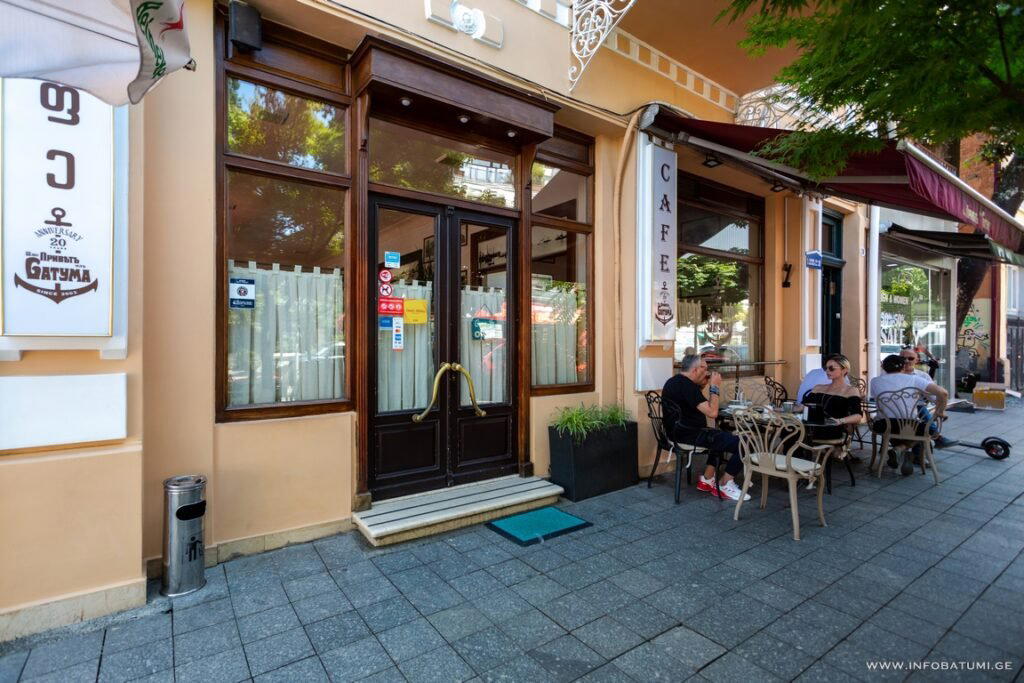
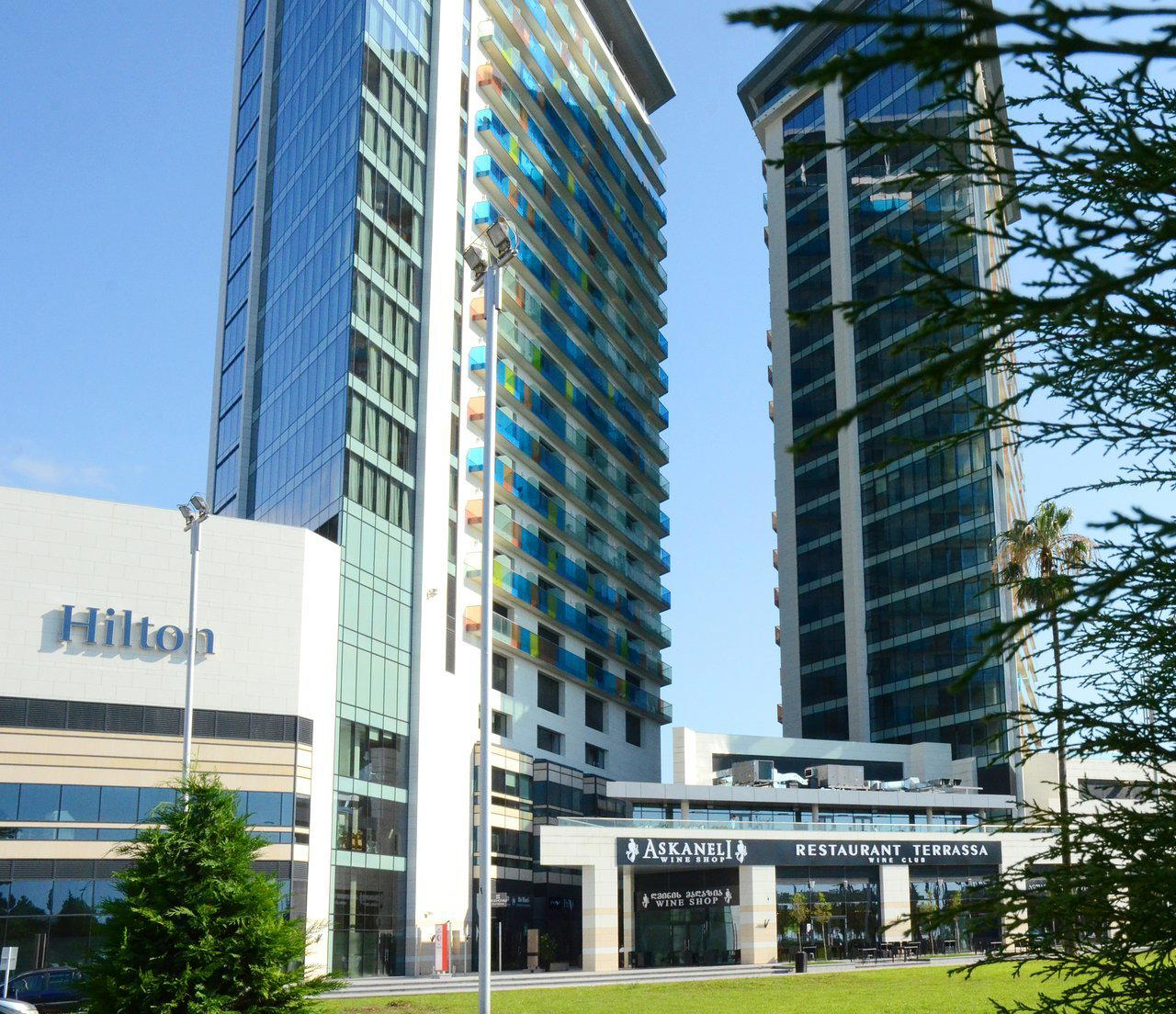
Venues in Batumi that have attracted stronger editorial attention tend to do so through one of three routes: a deep commitment to Georgian wine and cuisine (as with Askaneli Terrassa and Sazandari), a design-led or concept-driven format that distinguishes them visually and atmospherically (as with Old Boulevard), or a regional-nostalgic appeal that draws on Soviet and Caucasian culinary memory (as with Privet Iz Batuma). Medea Restaurant represents a fourth mode: higher-end Georgian cooking aimed at the table-service dinner occasion.
Munich occupies a different position from all of these. Its European reference point sets it outside the Georgian culinary tradition without claiming fine-dining credentials. That puts it in a pragmatic middle tier, useful for groups with divergent preferences, accessible for visitors who want something familiar, and low-friction in a way that the more specifically Georgian venues are not for all travelers.
For deeper context on how Batumi's restaurant options map against each other, the full Batumi restaurants guide covers the city's current dining picture across categories and price points. Those planning a longer trip through Georgia might also look at how dining formats shift across the country: ATI in Tbilisi represents a different urban register entirely, while wine-country dining at Pheasant's Tears Winery in Signagi or Doli in Telavi reflects Kakheti's winemaking identity. Further afield, Schuchman Wines Chateau in T'Elavi anchors the estate-dining end of that region's offer. For resort dining that matches Batumi's leisure register, Crowne Plaza BORJOMI in Borjomi operates in a comparable hospitality context. Palaty in Kutaisi and Gazaphkhuli in Chiatura round out the picture of how Georgian regional cities handle the sit-down dining occasion differently from Batumi's Black Sea-facing, tourist-pressured market. Chiko in Aspindza offers yet another register, smaller-town Georgian hospitality with a different rhythm entirely.
Planning a Visit
Munich sits at 8 Merab Kostava Street in central Batumi, within easy reach of the city's main pedestrian zones and the old town quarter. The practical approach for visitors is to treat it as a walk-in venue during standard meal windows and cross-reference with current sources, as operating details in Batumi's mid-tier restaurant segment can shift with seasonality and demand. The Black Sea tourist season runs from June through August, when the city's dining rooms operate at full capacity and wait times at popular venues extend significantly; shoulder months of May and September offer more room without sacrificing warmth.
For international comparison on what premium European dining formats look like at their most developed, Le Bernardin in New York City, Atomix in New York City, Emeril's in New Orleans, and Lazy Bear in San Francisco represent different points on the spectrum of what the format can achieve at its ceiling, useful calibration for travelers who arrive in Batumi with a broad dining frame of reference.
Frequently asked questions
Where do I go for Munich?
Munich is located at 8 Merab Kostava St, Batumi 6000, Georgia, Batumi.
How does Munich fit into Batumi's wider dining scene compared to Georgian restaurants nearby?
Batumi's restaurant offer expanded considerably after the city's development push of the late 2000s, and Kostava Street sits within the zone where European and international concepts have taken root alongside traditional Georgian kitchens. Munich at number 8 represents the European strand of that diversification, operating close to old town landmarks that draw the bulk of visitor foot traffic. For travellers mapping a week's eating across the city, it functions as a counterpoint to the khinkali and adjika-anchored menus that dominate elsewhere.
Do they take walk-ins at Munich?
No advance reservation requirement is noted for Munich at 8 Merab Kostava Street, which suggests walk-ins are accommodated. That said, Batumi's central dining corridors can fill quickly during summer evenings and holiday periods, so arriving early or midweek reduces the risk of a wait.
What makes Munich worth seeking out?
Munich occupies a useful position on Merab Kostava Street, one of Batumi's more active commercial corridors and a short walk from both the old town and the seafront promenade. Its European orientation sets it apart from the default Georgian and Turkish options that anchor the city's baseline restaurant offer, giving visitors an alternative register when regional cooking fatigue sets in.
Just the Basics
Comparable venues nearby, for context on price, style, and recognition.
| Venue | Cuisine | Price | Notes |
|---|---|---|---|
| MunichThis venue — the venue you are viewing | Ajarian Georgian | $10–20 | Not listed |
| Privet Iz Batuma | European Bistro with Georgian Influences | $10–20 | Central Batumi, European Bistro with Georgian Influences |
| Umami at Clouds | Asian Fusion & Sushi | $30–50 | Batumi, Asian Fusion & Sushi |
| Medea Restaurant | Modern Georgian | $20–30 | City Center, Modern Georgian |
| Old Boulevard | Georgian & European Grill with Live Music | Not listed | Batumi Boulevard, Georgian & European Grill with Live Music |
| Sazandari | Georgian | $10–20 | Batumi, Georgian |
Continue exploring
More in Batumi
Restaurants in Batumi
Browse all →

Details
- Cozy
- Family
- Casual Hangout
- A La Carte
- Vegetarian Friendly
- Vegan Options
Current opening hours
- Monday
- 10 AM–12 AM
- Tuesday
- 10 AM–12 AM
- Wednesday
- 10 AM–12 AM
- Thursday
- 10 AM–12 AM
- Friday
- 10 AM–12 AM
- Saturday
- 10 AM–12 AM
- Sunday
- 10 AM–12 AM
Hours can change for holidays and private events. Last verified .
Casual and homey atmosphere evoking a sense of returning home.