On a quiet street in central Athens, Epirus occupies a particular position in the city's evolving restaurant scene — a name attached to an address at Filopimenos 4 that draws enough attention to warrant investigation. Athens dining has shifted considerably over the past decade, and venues that have stayed the course through those changes carry a different weight than newer arrivals. Epirus is one such address.
Pearl is the En Primeur Club membership app — saves, bookings, and concierge access live there. Same editors, same standards.
- Address
- Filopimenos 4, Athina 105 51, Greece
- Phone
- +302103240773
- Website
- epirustavern.gr
- Directions
- Get directions
 Saves & bookings on Pearl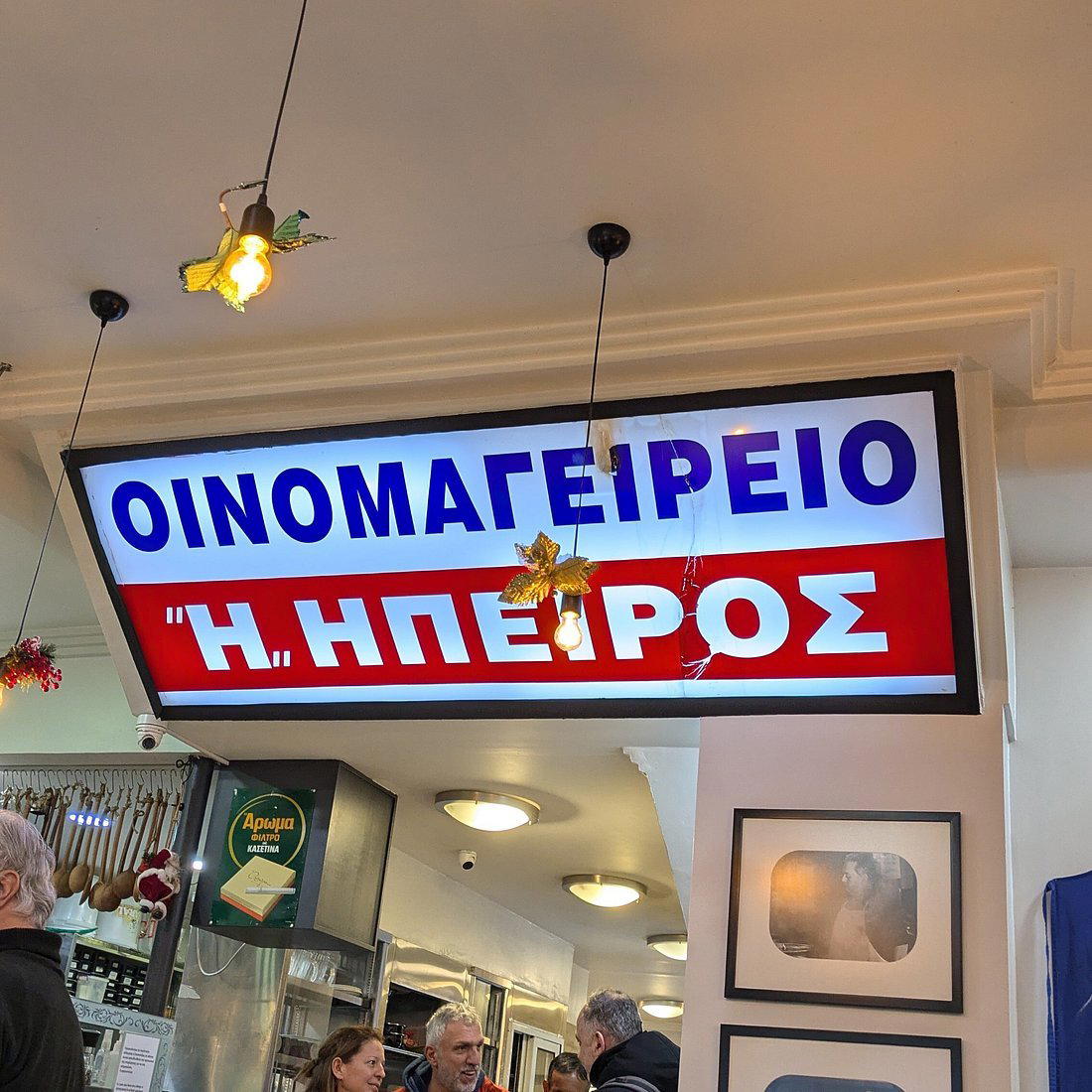
Athens, Reinvented at the Table
Athenian dining has undergone a sustained transformation over the past fifteen years. The city that once exported its culinary talent to London and New York has spent the last decade pulling that energy back inward, and the results are visible in a cluster of addresses that have moved Greek cuisine well beyond the taverna paradigm. Some of that shift happened through formal fine-dining investment — places like Botrini's, with its Contemporary Greek and Mediterranean Cuisine at the €€€€ tier, or Hytra, which operates at €€€ with a Modern Greek framework that has earned sustained critical attention. Others have arrived more quietly, building reputations through word of mouth rather than award cycles. Epirus, at Filopimenos 4 in the 105 51 postcode of central Athens, belongs to a moment in that broader story — a venue whose address places it inside the dense cultural and residential core of the city, where foot traffic from tourists and the daily rhythms of Athenian life intersect.
Where Filopimenos 4 Sits in the City's Geography
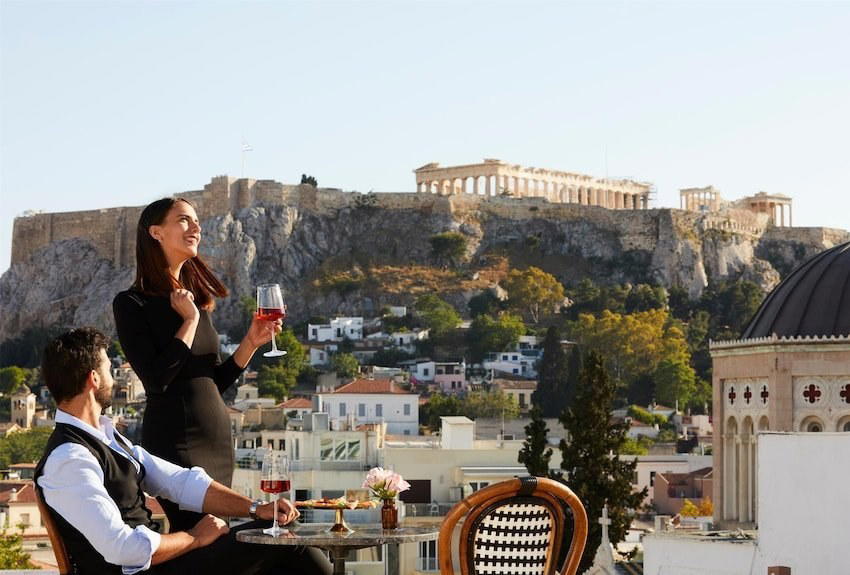
The street address tells part of the story. Central Athens in the 105 51 zone covers ground between Syntagma Square and Monastiraki, an area that has seen more dining investment in the past decade than almost anywhere else in the city. This is not the polished waterfront territory of Piraeus or the design-hotel corridors further north, it is dense, layered, and historically weighted, a neighbourhood where a nineteenth-century building might share a block with a coffee bar that opened last spring. Venues that operate here are in conversation with that density. They cannot rely on a dramatic view or resort-adjacent leisure spending; they compete on the quality of what happens inside. That competitive pressure has, in many cases, produced sharper kitchens and more considered formats than Athens was producing a decade ago. Hervé and Makris Athens both operate within the broader central Athens frame, each with a distinct register. Delta has pushed the creative end of that conversation further still.
The Evolution of Greek Restaurant Culture
Understanding where a venue like Epirus sits requires some account of how Athens got here. Greek cuisine spent decades being simplified for export, reduced to a short vocabulary of grilled fish, mezze, and slow-cooked lamb that could travel easily and required little explanation. The more complex regional traditions, including those of Epirus itself, a mountainous northwestern region of Greece with a distinct pastoral cooking heritage built around dairy, game, and strong grain preparations, rarely made it into the cosmopolitan dining narrative. The region lends a name that carries genuine culinary history: Epirote cooking is one of the more distinctive threads in the Greek tradition, shaped by its inland geography, its distance from the Aegean, and its Ottoman and Balkan adjacencies. It plants the venue in a tradition that serious diners will recognise.
The broader shift in Athens has been toward this kind of specificity. Venues that once leaned on pan-Hellenic generality have increasingly found that a more defined editorial position, regional focus, a particular technique set, a clear price-tier identity, produces more durable recognition. That is the lesson legible in the trajectory of Hytra and in the way Spondi has maintained its Contemporary Greek and French positioning at the €€€€ tier over many years. It is also the lesson that newer arrivals, including those in the central Athens cluster where Epirus trades, have absorbed.
Athens has developed a relatively clear price stratification across its serious dining addresses. The €€€€ tier, occupied by Botrini's, Spondi, and Tudor Hall, represents the formal fine-dining ceiling, with tasting menus, extensive wine programs, and the service infrastructure to match. The €€€ tier, where Hytra and Aleria operate, is where much of the interesting critical conversation currently sits: formal enough to attract international attention, accessible enough to build a consistent local audience. Epirus's own pricing is not documented in the available record, which means placing it precisely within that hierarchy requires a visit rather than a lookup. What is clear is that central Athens venues in the 105 51 zone are pricing against a market that now includes genuinely ambitious competition, not just legacy fine-dining institutions but a new wave of kitchens that have absorbed international technique and applied it to Greek ingredients with increasing confidence.
For context on what the upper end of Greek island and regional dining looks like, the picture is worth extending beyond Athens. Selene in Santorini, Aktaion in Firostefani, and Etrusco in Kato Korakiana all represent the regional fine-dining tradition outside the capital. Almiriki in Mykonos, Olais in Kefalonia, and Old Mill in Elounda extend that map further. Resort-adjacent formats like Avaton Luxury Beach Resort in Halkidiki, Myconian Ambassador in Platis Gialos, and Myconian Utopia Resort in Elia operate in a different register again. Athens addresses like Epirus compete against this entire national ecology for the attention of food-focused travellers who might otherwise route their Greece itinerary entirely through the islands. And separately, To Psaraki in Vilcahda represents the kind of specialist seafood positioning that the islands do particularly well. The capital's case is that it can deliver depth and variety of a different kind, consistent access to the city's full range rather than a single focused experience during a short stay.
Planning a Visit
Epirus is located at Filopimenos 4, Athens 105 51, in the central district between Syntagma and Monastiraki, reachable on foot from either metro station in under ten minutes. Contact details and current hours are not documented in the available record; prospective visitors should confirm reservation policy, hours, and any dietary accommodation process directly with the venue before arrival. The central Athens dining scene moves quickly, and operational details that were accurate six months ago may have changed. For a wider view of what the city's restaurant scene currently offers, the EP Club Athens restaurants guide maps the full range across neighbourhoods and price tiers. Those travelling with an interest in how Greek fine dining compares internationally might also note that Le Bernardin in New York and Lazy Bear in San Francisco represent the kind of format discipline and booking depth that Athens's most serious kitchens are now measuring themselves against, not as direct competitors, but as reference points for what sustained critical recognition in a major city actually requires.
Continue exploring
More in Athens
Restaurants in Athens
Browse all →
Bars in Athens
Browse all →
Hotels in Athens
Browse all →

At a Glance
- Rustic
- Classic
- Casual Hangout
- Historic Building
- Local Sourcing
Current opening hours
- Monday
- 6 AM–7:30 PM
- Tuesday
- 6 AM–7:30 PM
- Wednesday
- 6 AM–7:30 PM
- Thursday
- 6 AM–7:30 PM
- Friday
- 6 AM–7:30 PM
- Saturday
- 6 AM–7:30 PM
- Sunday
- Closed
Hours can change for holidays and private events. Last verified .
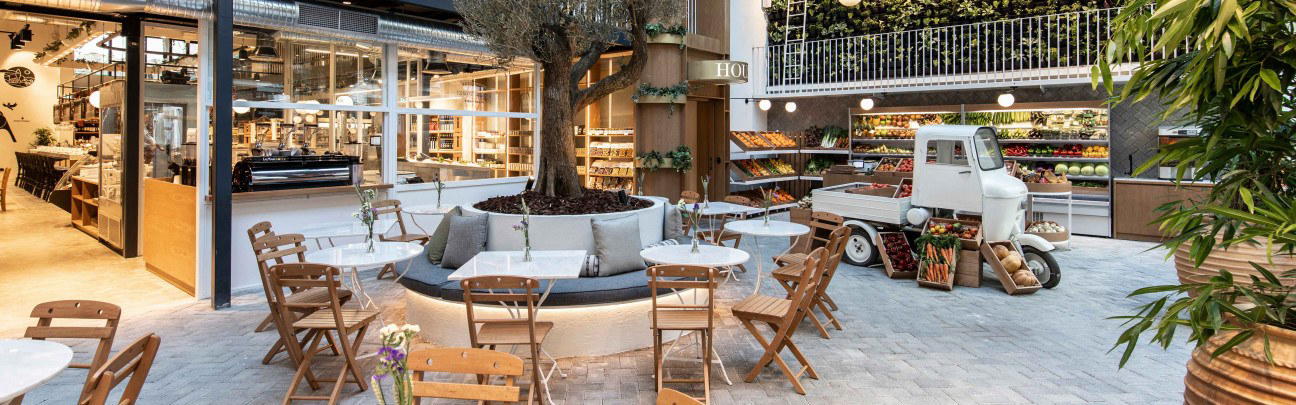
Casual, welcoming market atmosphere with a bustling, homely feel amid the lively central market setting.