Oh! Calcutta in Greater Kailash II brings the cooking traditions of Bengal to one of Delhi's most established residential dining corridors. The menu draws on the distinct fish-forward, mustard-rich vocabulary of Kolkata's home kitchens and old-city restaurants, translating it for a clientele that treats this stretch of South Delhi as a reliable address for regional Indian cooking done without compromise.
Pearl is the En Primeur Club membership app — saves, bookings, and concierge access live there. Same editors, same standards.
- Address
- Local Shopping Centre, Plot 4, Greater Kailash Part 3, Masjid Moth, Greater Kailash II, Greater Kailash, New Delhi, Delhi 110048, India
- Phone
- +91 93101 49806
- Website
- speciality.co.in
- Directions
- Get directions
 Saves & bookings on Pearl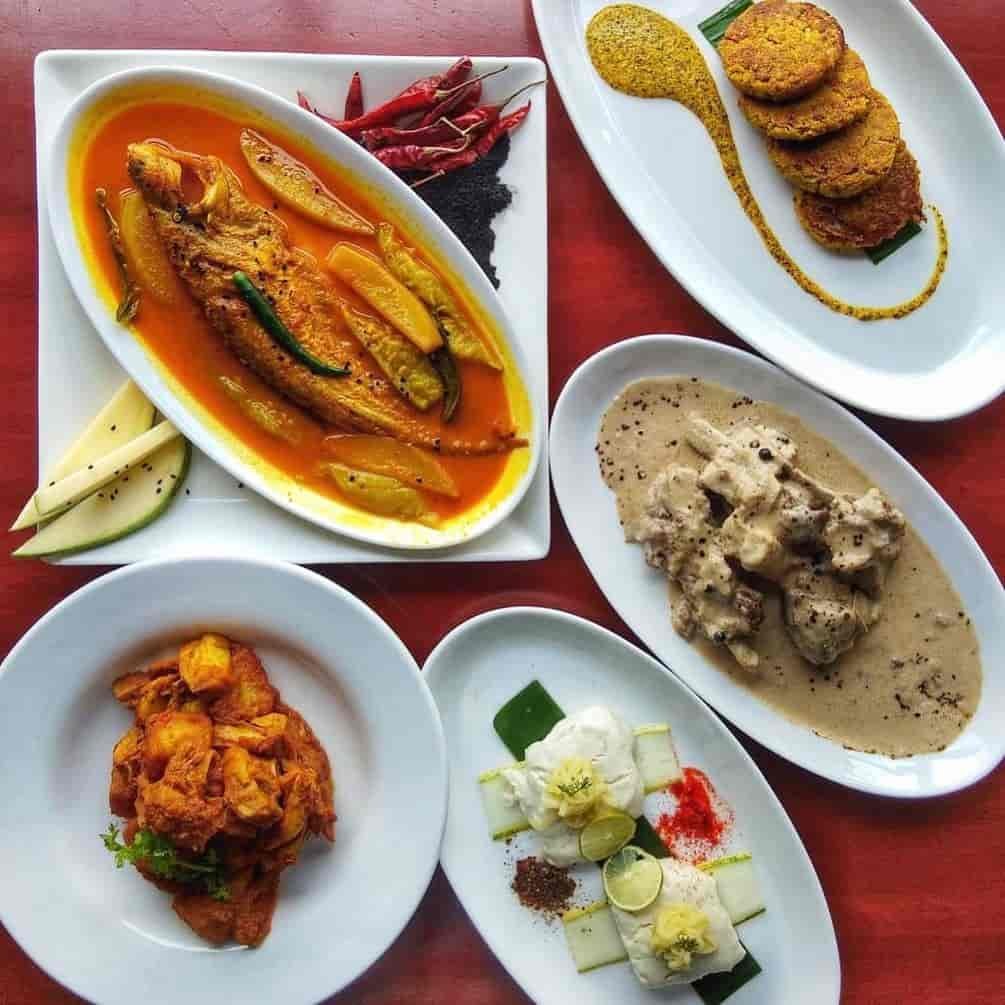
Bengal at the Table in South Delhi
Delhi's regional Indian dining scene has always operated on a kind of implicit hierarchy: North Indian tandoor cooking dominates the centre of gravity, while cuisines from Bengal, Andhra, Kerala, and Rajasthan occupy a smaller but loyal niche. That niche, however, is where the more technically specific cooking tends to happen. Oh! Calcutta, positioned in the Local Shopping Centre in Greater Kailash II, sits within this tradition of specialist regional restaurants that serve a community of diners who know exactly what they are looking for. The address places it in a South Delhi corridor that has historically supported serious eating, far from the hotel dining rooms of Connaught Place and closer to the residential regulars who return on a schedule rather than an occasion.
The Calcutta Tradition This Restaurant Represents
Bengali cuisine is one of the more technically demanding regional cooking traditions in India. The mustard oil base, the panch phoron spice blend, the insistence on freshwater fish prepared with precision, these are not elements that translate easily to a generic Indian restaurant kitchen. Kolkata's own dining culture is shaped by the city's bhadralok intellectual tradition, in which lunch at a neighbourhood restaurant carries social meaning and the cooking is expected to reflect genuine knowledge of sourcing and technique. Oh! Calcutta as a brand emerged from that context, and its Delhi outpost carries the project of representing that cooking in a city where the default reading of Indian food tends toward Mughal or Punjabi lineage.
Comparison with other regional specialists in Delhi is instructive. Andhra Pradesh Bhavan operates in a canteen register, high volume and deliberately unpretentious, while a place like Bukhara has built its identity entirely around the Frontier tradition of slow-cooked meat. Oh! Calcutta occupies a different register: a mid-formal sit-down format where the menu is the argument, and the argument is the specificity of Bengal.
Lunch and Dinner: Two Different Registers
In Bengali culinary culture, the midday meal carries particular weight. Traditionally, the largest and most carefully composed meal of the day, lunch in Kolkata's restaurants tends to attract a different diner than dinner: neighbourhood regulars, office workers from the surrounding commercial pockets, families who treat the midday table as a social ritual. At Oh! Calcutta in Greater Kailash II, the lunch service reflects this logic. The crowd skews local and purposeful, the pace is faster, and the menu tends to reward diners who arrive knowing what they want rather than those using the meal as an exploratory occasion.
Dinner shifts the register perceptibly. South Delhi evenings in this part of Greater Kailash tend to attract a more deliberate diner, people who have made a specific choice to eat Bengali rather than defaulting to a nearby Italian or North Indian address. The lighting and rhythm of the room change accordingly. This evening version of the meal is where the full depth of a Bengali menu tends to get explored: the fish curries that require longer preparation, the sweets that bookend a proper Kolkata-style dinner. This lunch-to-dinner arc is a pattern worth understanding for anyone deciding when to visit. Lunch offers better value and a more casual entry point; dinner allows the meal to unfold at a pace that does justice to the cooking's complexity.
The lunch-versus-dinner distinction matters as much for value as for mood. In the broader South Delhi dining ecosystem, midday meals at regional specialists often carry lower price points than their evening equivalents, and the set formats that sometimes appear at lunch represent some of the more cost-effective ways to work through a regional menu with range. For context, similar dynamics operate at Bikanervala in Chandni Chowk, where the lunch crowd and the dinner crowd are essentially eating in two different restaurants in terms of atmosphere, even if the menu remains consistent.
Where This Sits in Delhi's Regional Dining Conversation
Delhi has a long tradition of regional Indian restaurants that operate as embassies of a particular cooking culture, places where the point is fidelity to a source tradition rather than adaptation for a generalist audience. Chache Di Hatti does this for a specific corner of Punjabi street food; Curry Kitchen occupies a broader register. Oh! Calcutta sits in the more formal end of this category, where the dining room format signals that the cooking is meant to be taken seriously rather than consumed quickly.
Nationally, the conversation about regional Indian cooking has grown sharper in recent years. Restaurants like Farmlore in Bangalore, Kappa Chakka Kandhari in Chennai, and Adaa at Falaknuma Palace in Hyderabad have each made arguments for their respective regional traditions at a level of ambition that invites comparison with the leading Indian cooking internationally. Oh! Calcutta operates in a less rarefied tier than those addresses but within the same broader argument: that India's regional traditions deserve restaurants built specifically around them, not as a secondary feature of a pan-Indian menu.
For those tracking the contemporary end of Delhi's dining evolution, places like Inja in New Delhi represent what happens when Indian cooking vocabularies are filtered through international culinary frameworks. Oh! Calcutta makes the opposite argument: that the interesting thing you can do with Bengali food is to cook it correctly, without the mediation of a fusion lens. Both positions are coherent; they attract different diners and serve different purposes in a city's dining ecosystem.
Planning Your Visit
Greater Kailash II is well connected by metro, with the Greater Kailash station on the Pink Line making the Local Shopping Centre accessible from central Delhi without requiring a car. The neighbourhood is a familiar South Delhi destination with parking available for those driving. Given the area's popularity in the evenings, dinner reservations are recommended, particularly on weekends, while lunch tends to be more accommodating for walk-ins. Travellers covering more ground in the subcontinent might also note that similar Bengali cooking conversations are happening in cities as far removed as Bomras in Anjuna and Leela Kerala Terrace in Trivandrum, each making their own case for a regional Indian cooking tradition in a sit-down format. For those whose India itinerary extends north, Neel in Patiala and Naar in Kasauli offer further reference points for how Indian regional cooking operates across different price tiers and settings.
- Koraishutir Dhokar Dalna
- Borishaler Murgi Bhaja
- Smoked Hilsa
- Daab Chingri
- Kosha Mangsho
- Chingri Malai Curry
Cuisine-First Comparison
Comparable venues nearby, for context on price, style, and recognition.
| Venue | Cuisine | Price | Notes |
|---|---|---|---|
| Oh! Calcutta | New DelhiThis venue — the venue you are viewing | Authentic Bengali Fine Dining | $$$ | Not listed |
| Indian Accent | Modern Indian Fine Dining | $$$$ | Lodhi Road |
| Gulati Restaurant, Pandara Road | Classic North Indian Mughlai | $$ | Pandara Road |
| Farzi Cafe | Modern Indian Fusion | $$$ | Connaught Place |
| Andhra Pradesh Bhavan | Authentic Andhra South Indian | $$ | near India Gate |
| La Piazza | Authentic Italian Trattoria | $$$ | Bhikaji Cama Place |
At a Glance
- Elegant
- Classic
- Sophisticated
- Date Night
- Business Dinner
- Group Dining
- Celebration
- Special Occasion
- Private Dining
- Local Sourcing
Current opening hours
- Monday
- 12:30–3:30 PM, 7:30–11:30 PM
- Tuesday
- 12:30–3:30 PM, 7:30–11:30 PM
- Wednesday
- 12:30–3:30 PM, 7:30–11:30 PM
- Thursday
- 12:30–3:30 PM, 7:30–11:30 PM
- Friday
- 12:30–3:30 PM, 7:30–11:30 PM
- Saturday
- 12:30–3:30 PM, 7:30–11:30 PM
- Sunday
- 12:30–3:30 PM, 7:30–11:30 PM
Hours can change for holidays and private events. Last verified .
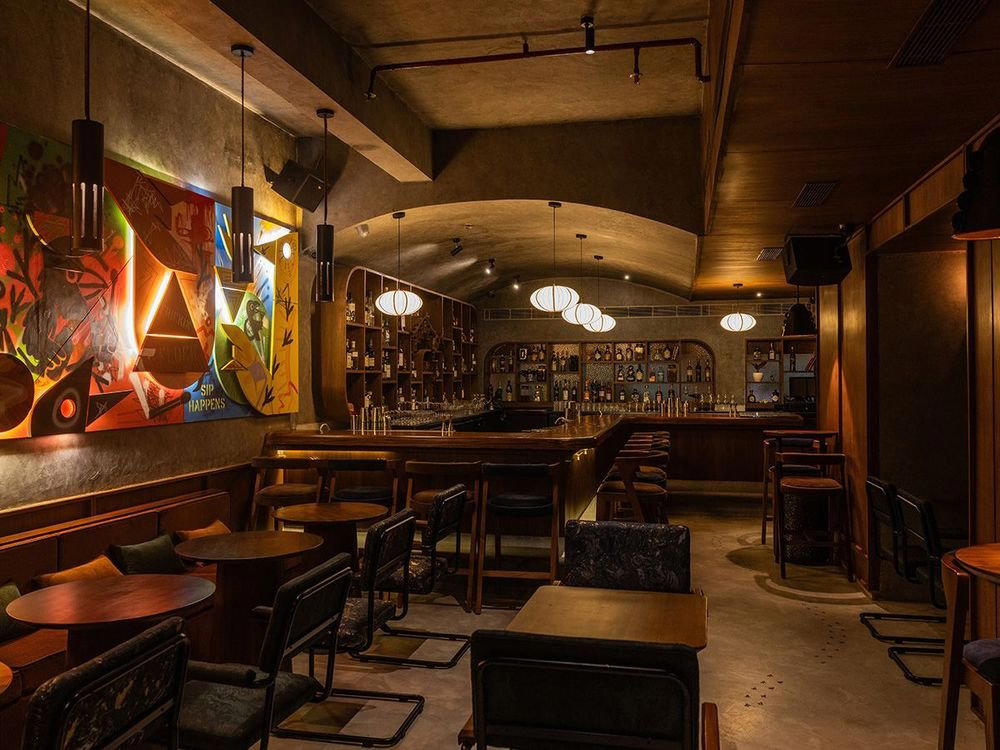
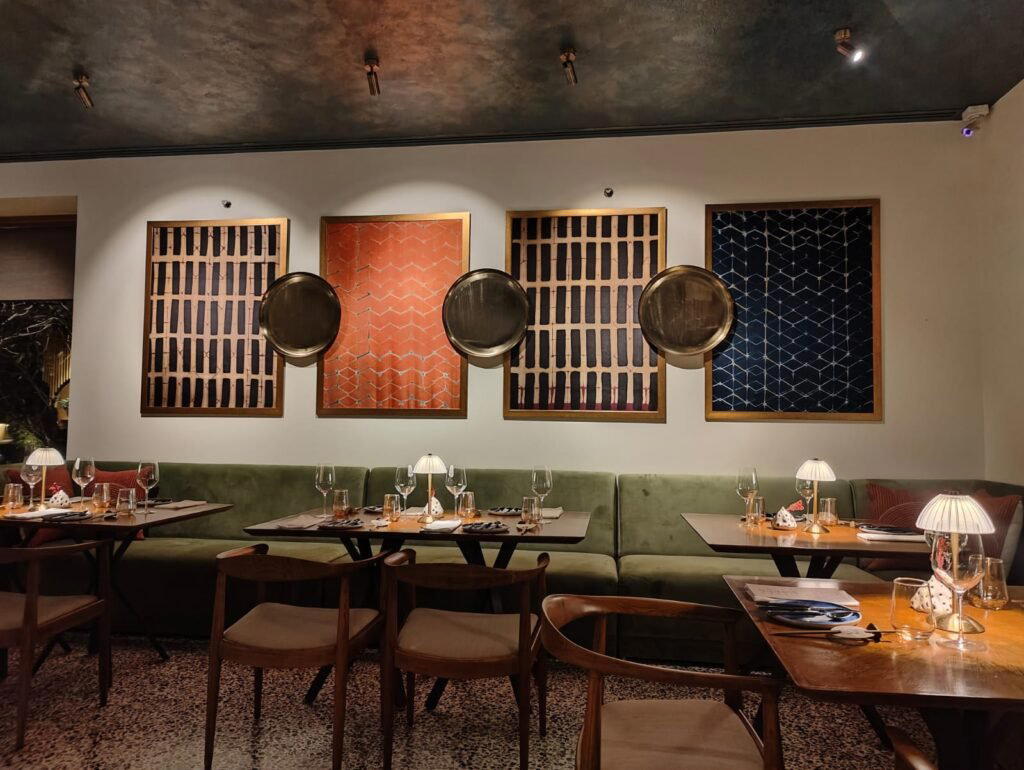
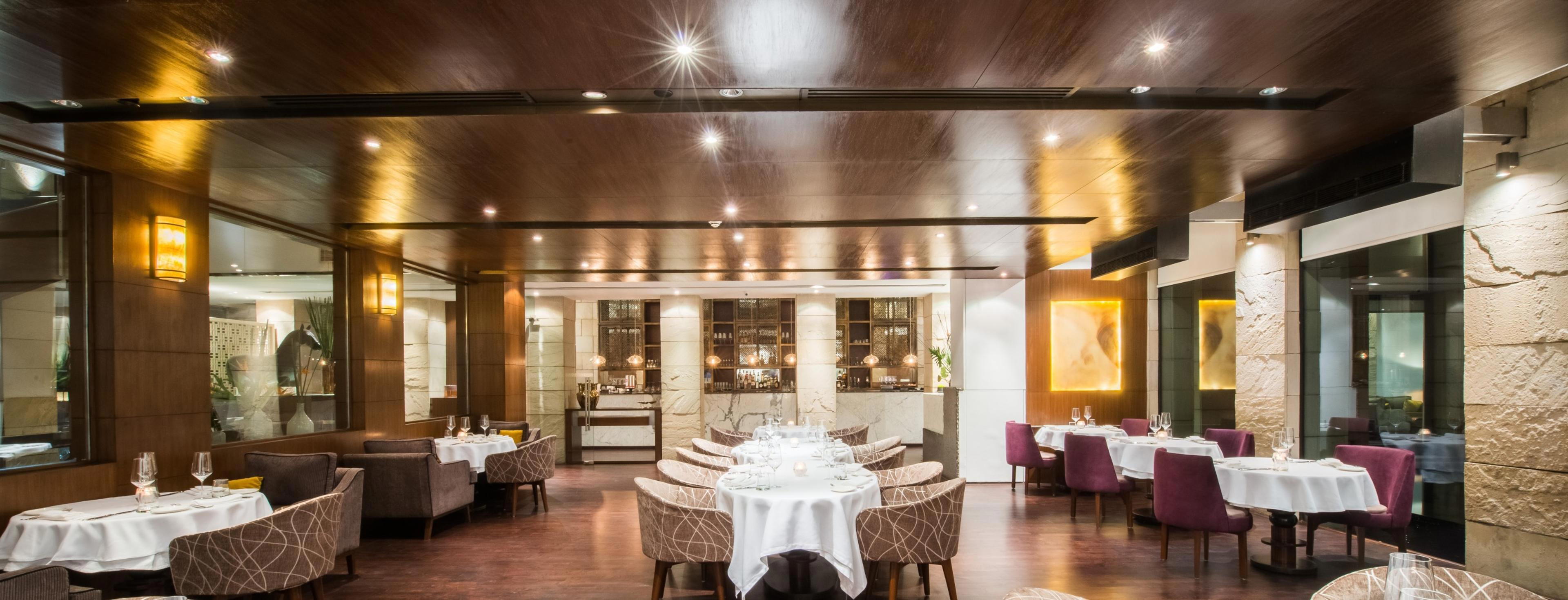
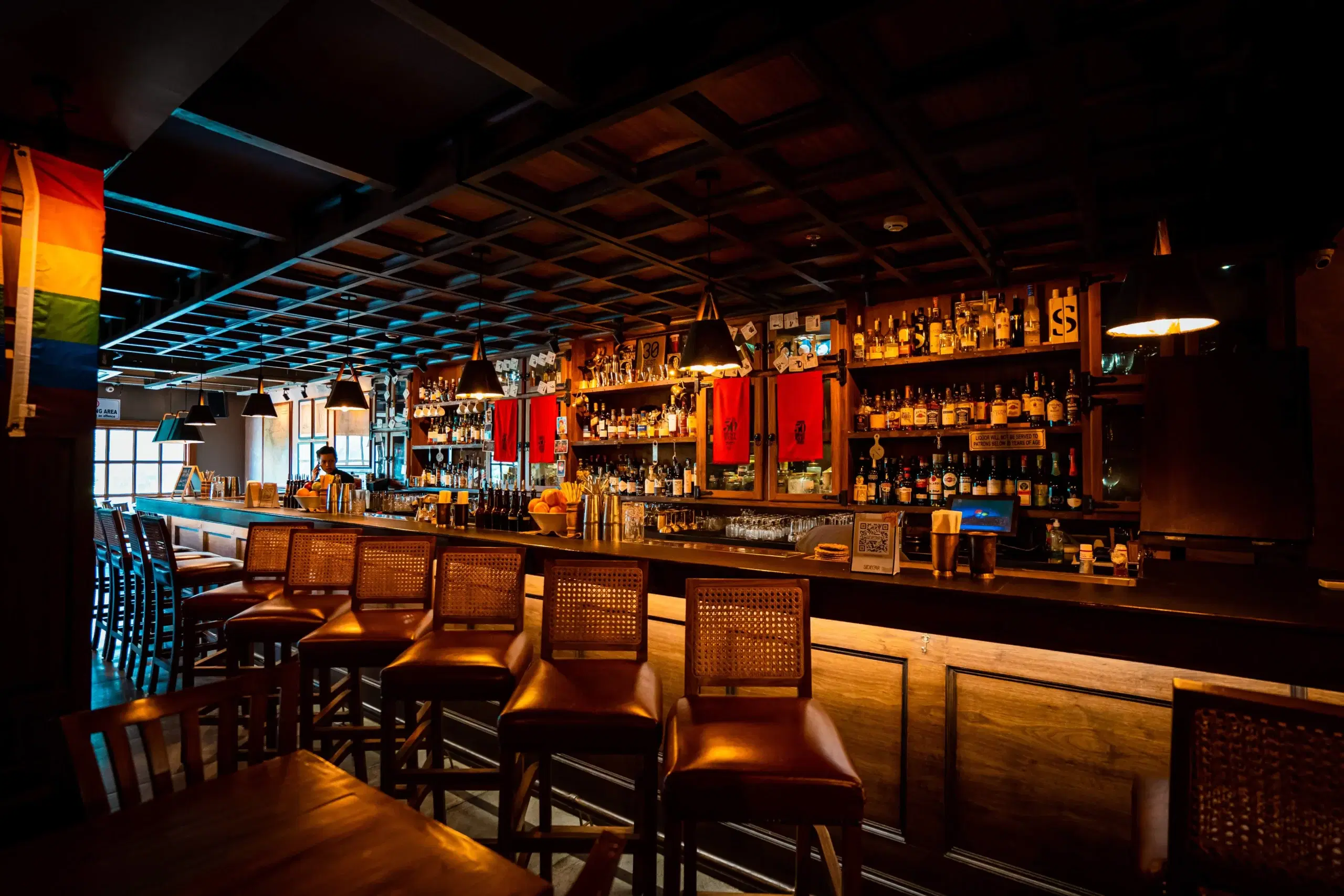
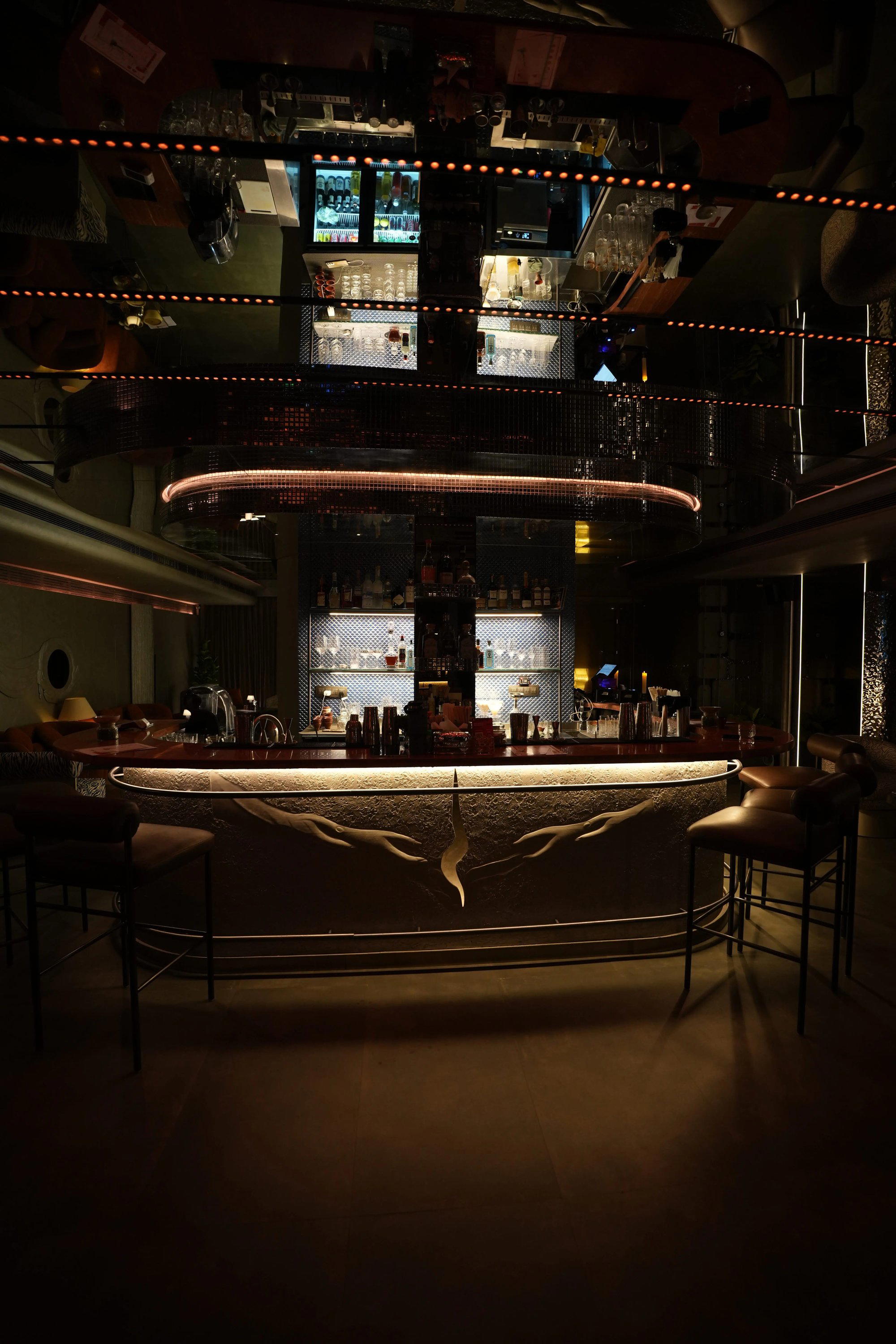
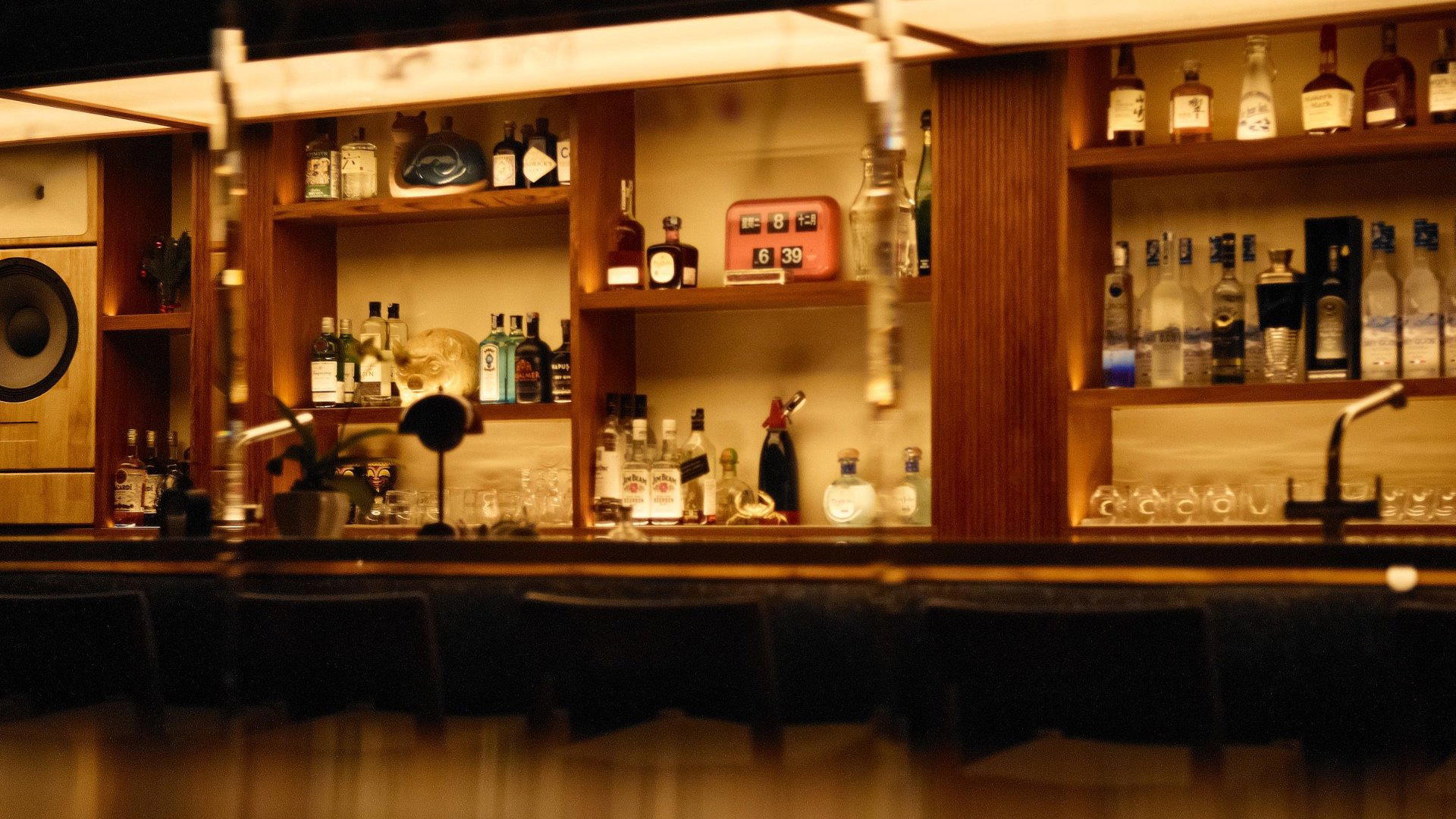
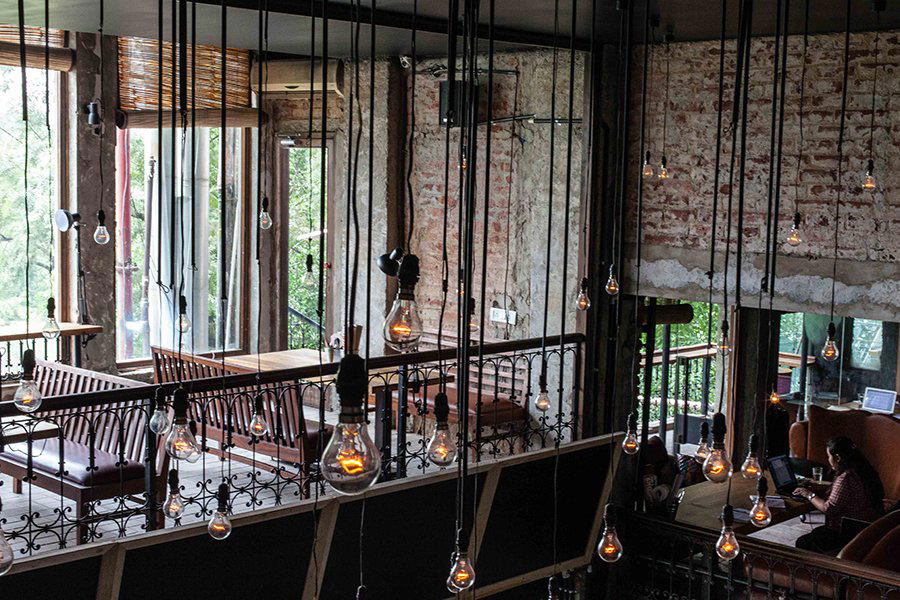
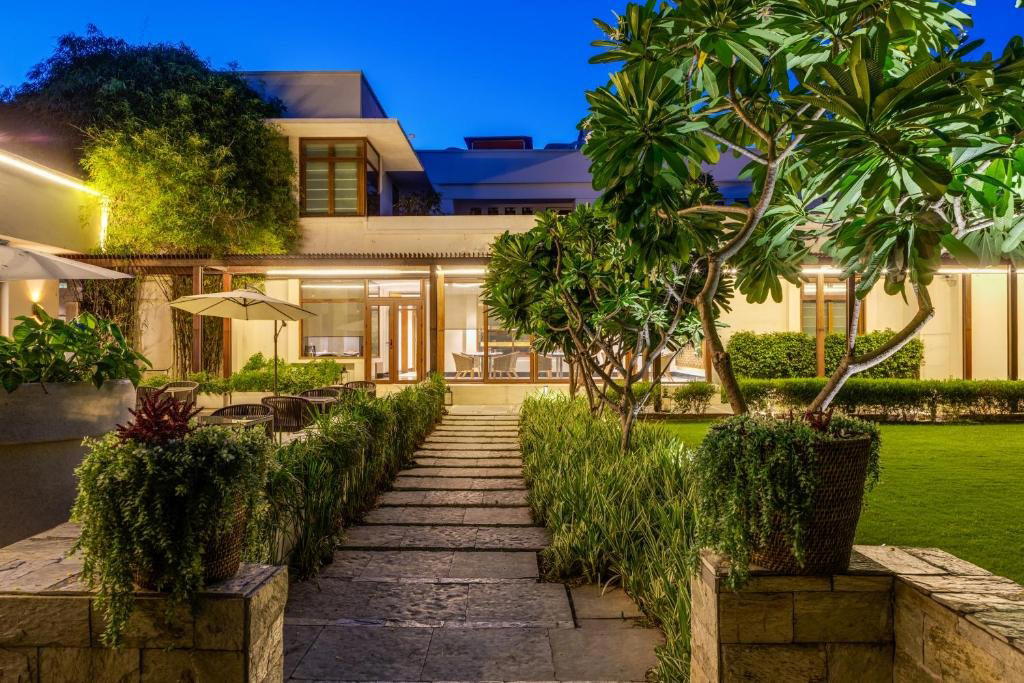
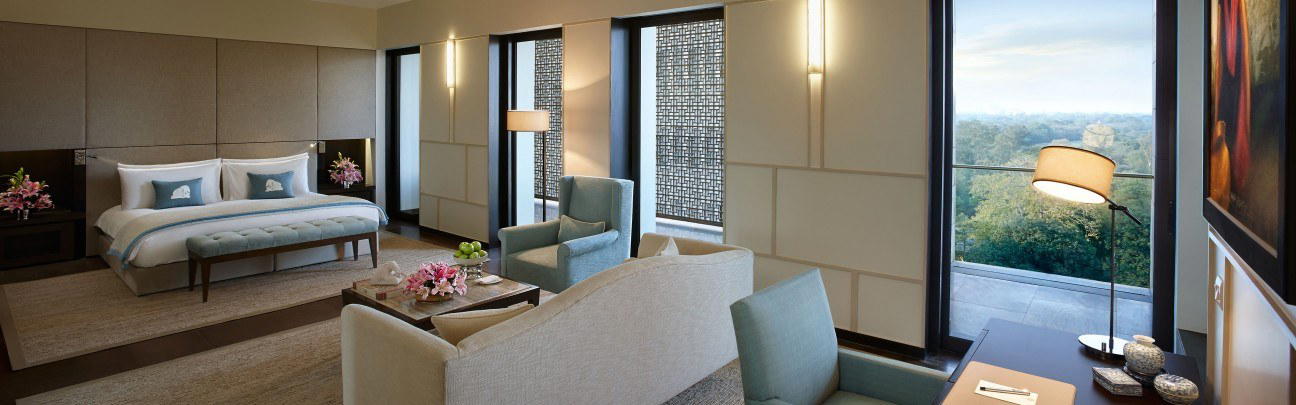
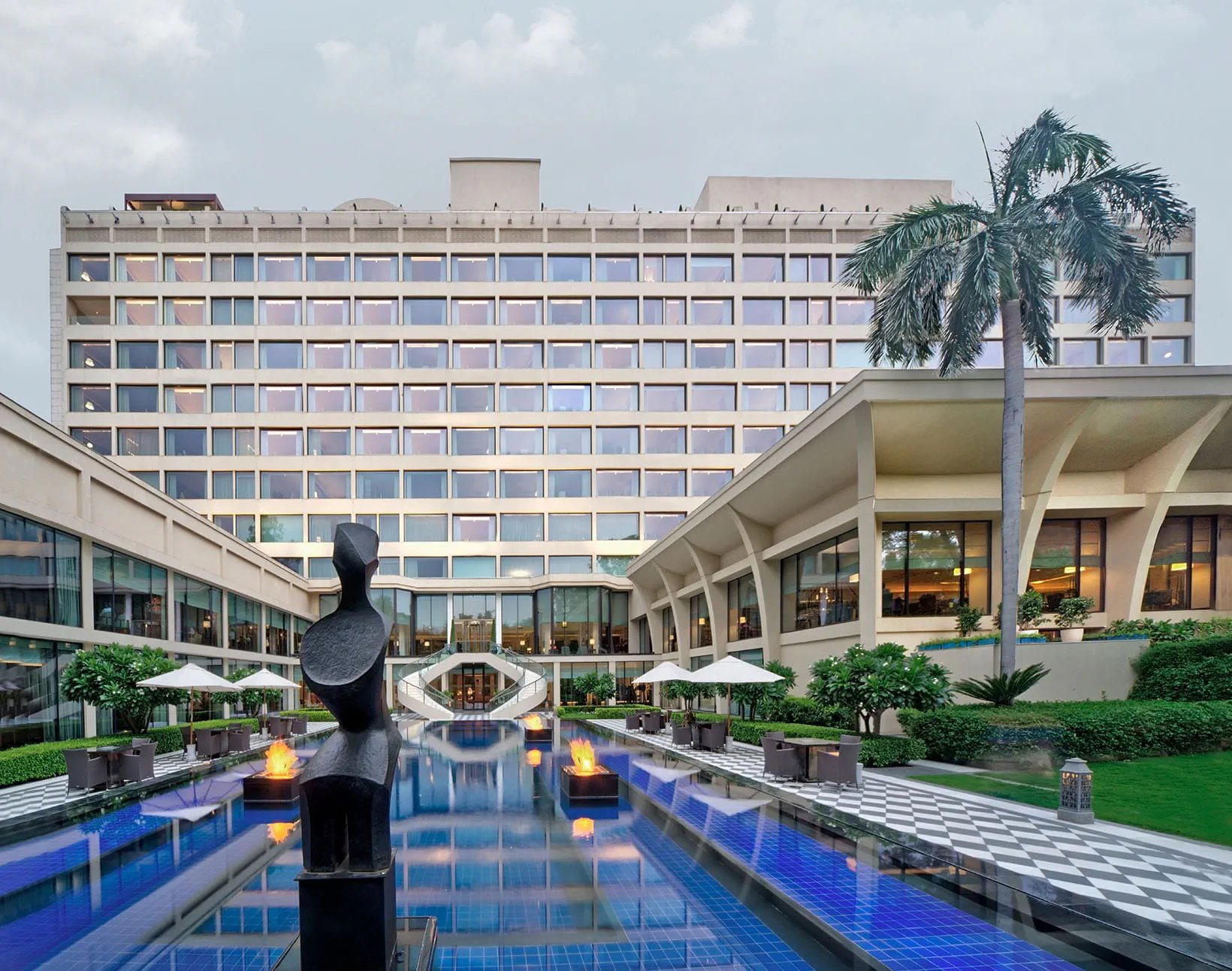
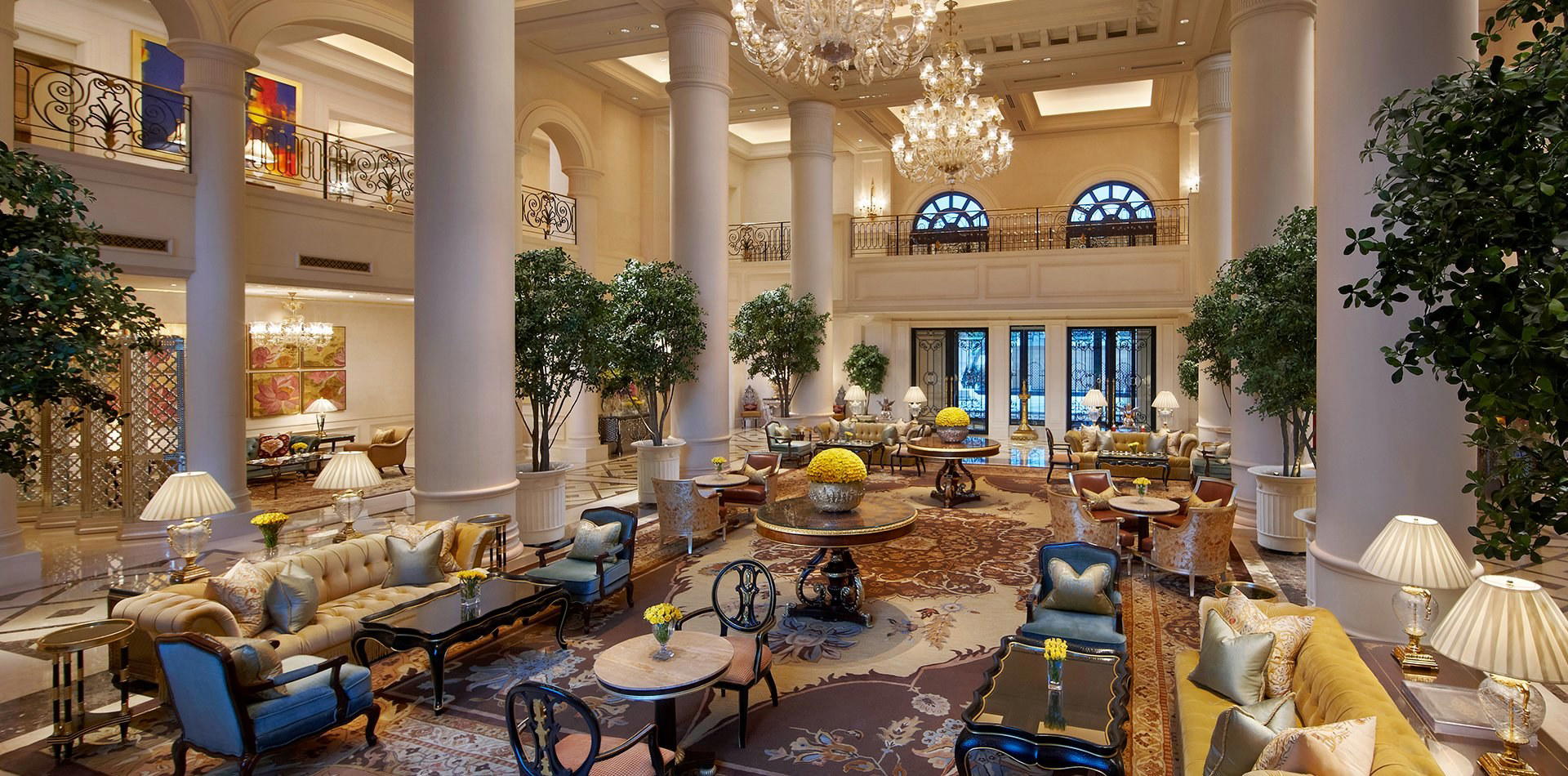
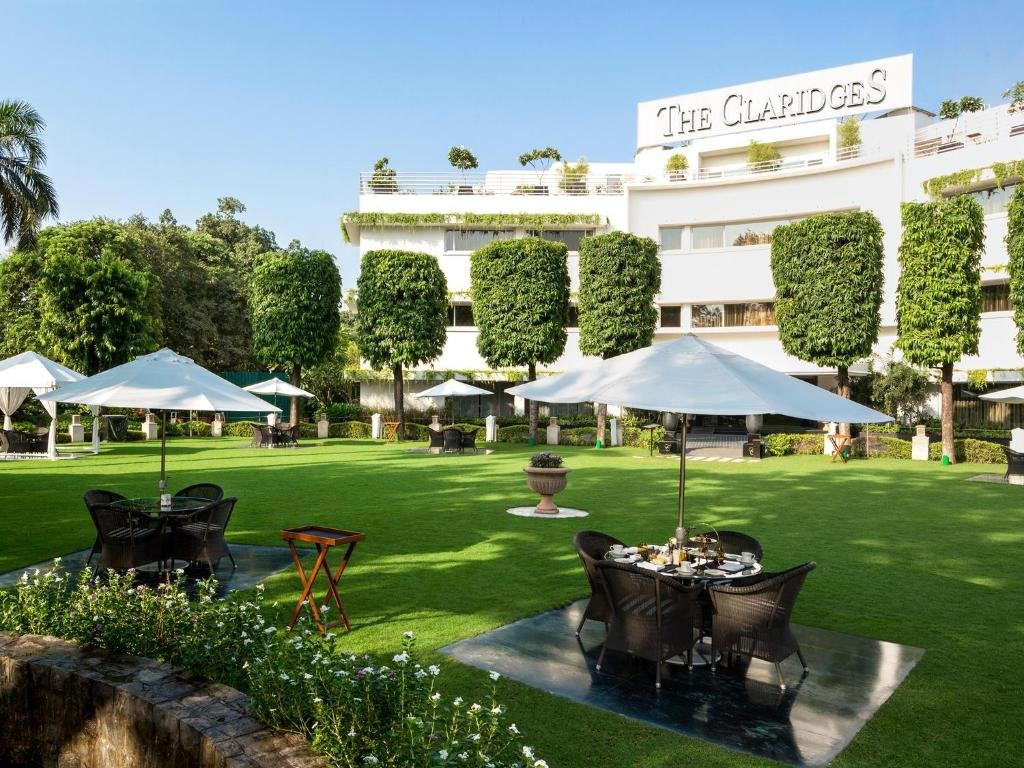
Upscale and refined atmosphere that immerses diners in Bengali heritage through both food and ambiance, with warm lighting and elegant table settings befitting fine-dining service.