
Star Wine List
Our verdict
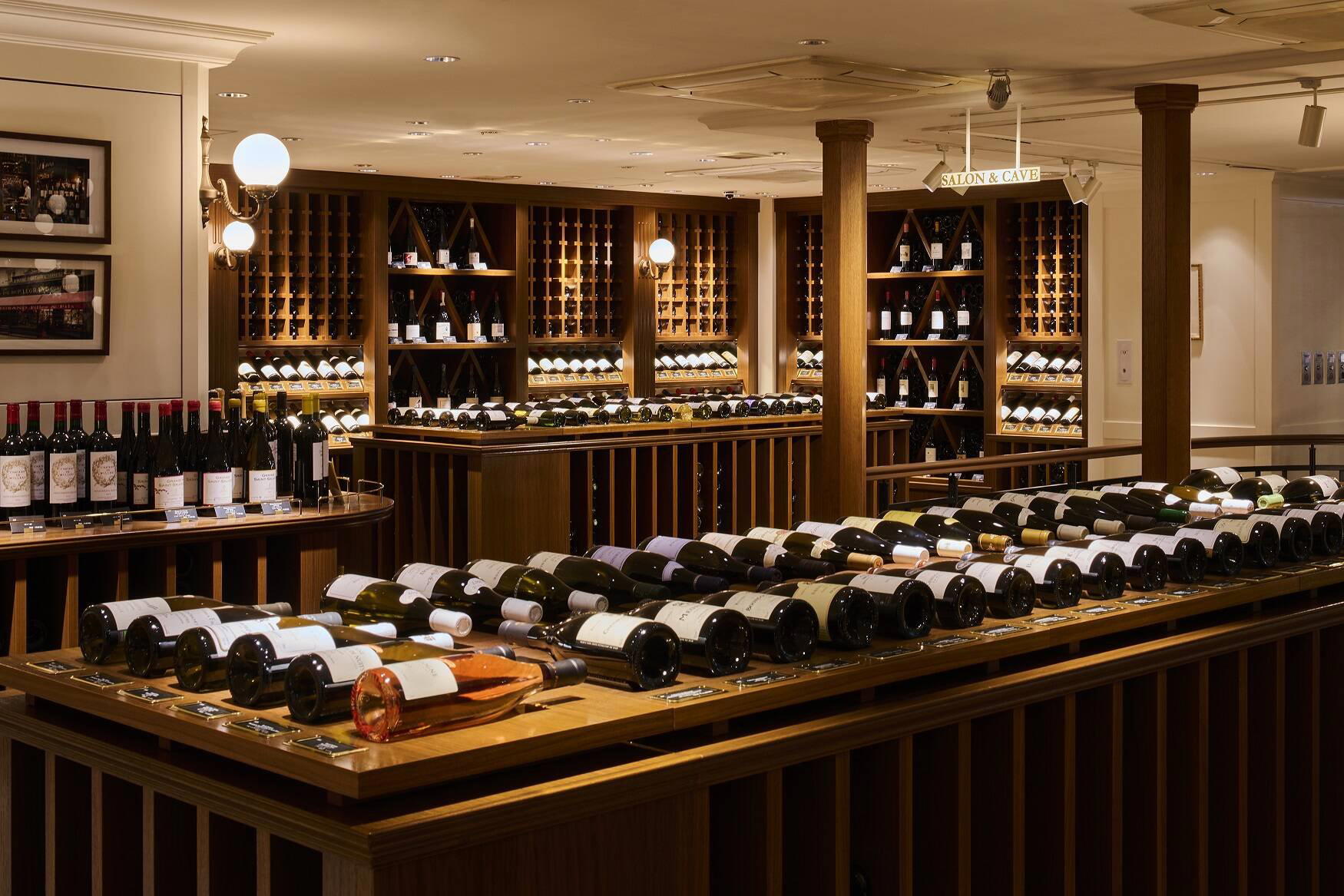
Operating from Roppongi since 1976, Odajima occupies a singular position in Tokyo's dining history as one of the earliest Japanese restaurants to build a serious case for pairing Japanese cuisine with wine. What began as a provocative idea in an era of skepticism has matured into a long-running institution that continues to sit at the intersection of Japanese culinary tradition and European wine culture.

Pearl is the En Primeur Club membership app, where members save venues, book tables and use the concierge.
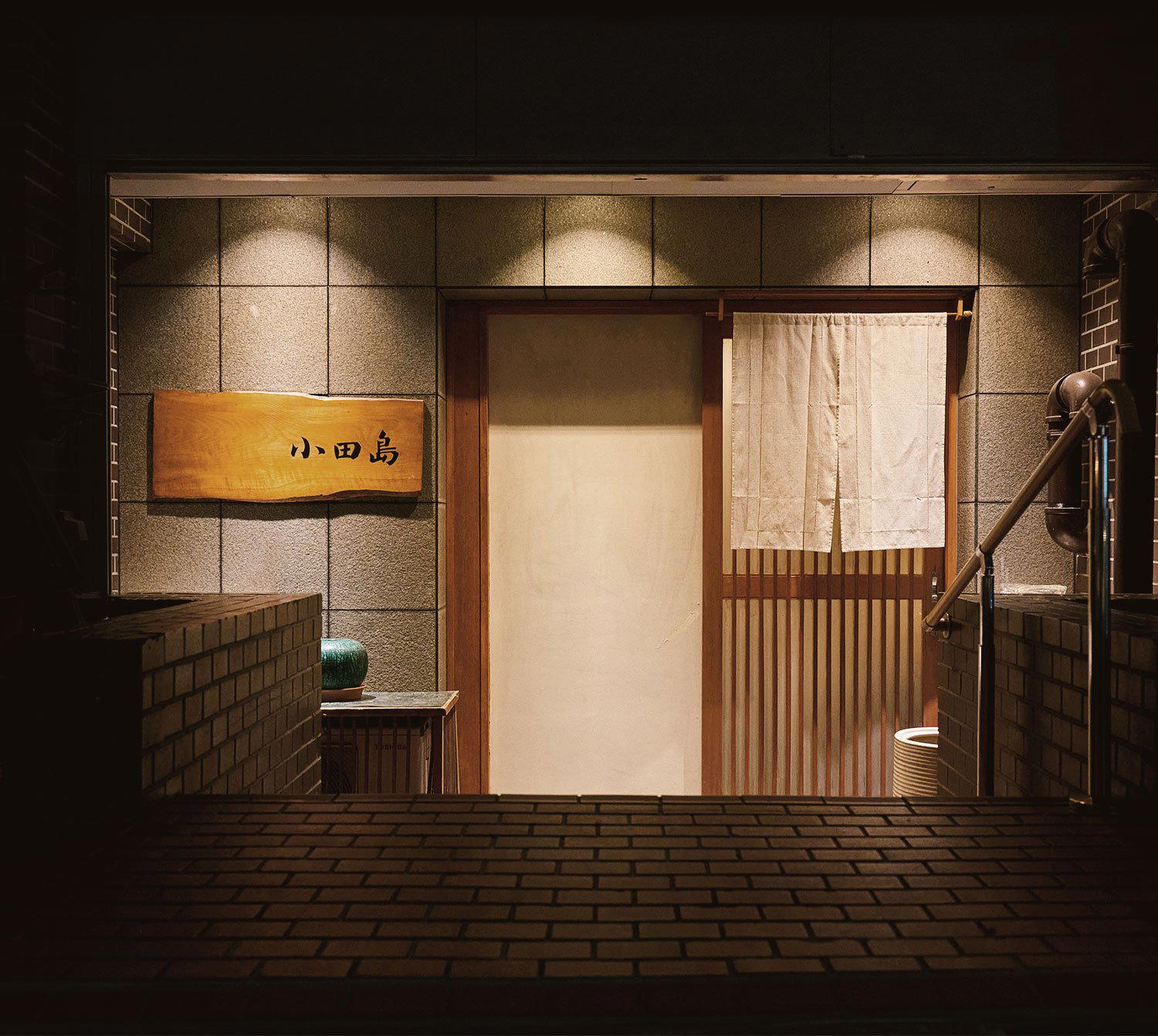
Before the Conversation Existed
Roppongi in the mid-1970s was a different kind of district: embassy row, foreign correspondents, and a nightlife circuit that operated at the edges of what Tokyo permitted. It was, in some ways, a logical place for a restaurant to take an unlikely position. When Odajima opened in 1976, the pairing of Japanese cuisine with wine was not an established conversation. It was, by the restaurant's own account, considered reckless. European wine had a presence in Japan's department store basement floors and in the imported-goods sections of upmarket grocers, but matching it with washoku, rice, dashi, fermented seasonings, delicate protein, required arguing against deep categorical habits. Odajima made that argument from the start, and has continued making it for nearly five decades.
That longevity matters as editorial context. Tokyo's fine dining scene has compressed and expanded repeatedly since 1976: bubble-era extravagance, the post-bubble consolidation, the arrival of international Michelin inspectors in 2007, and more recently a wave of chef-driven omakase formats that have reshaped how the city prices and sequences a meal. Through each phase, restaurants that hold a single conceptual position across multiple decades become reference points. Odajima belongs to that category: not because it has been frozen in amber, but because the idea it championed has slowly moved from fringe to the center of how Tokyo's serious dining community thinks about a complete meal.
The Wine-and-Washoku Question, Then and Now
The pairing of wine with Japanese food is now a subject with its own literature, its own specialist sommeliers, and its own tier of Tokyo restaurants that treat it as a foundational premise. Counters like Harutaka have built wine programs alongside their sushi sequences; RyuGin offers wine pairings alongside sake within a kaiseki format; and the French-influenced kitchens at L'Effervescence, Sézanne, and Crony operate in a space where the Japanese-European dialogue has already been accepted as default. That acceptance has a history, and part of that history runs through Roppongi.
In 1976, the structural tension was real. Japanese cuisine is built around umami compounds, glutamates in dashi, inosinates in bonito, guanylates in dried mushroom, that interact unpredictably with tannin and high acidity. The conventional wisdom held that sake was the correct partner, full stop. Odajima's founding premise contested that wisdom by treating wine as a flexible partner rather than a disqualified outsider. The approach required attention to specific varietals and styles: low-tannin reds, mineral-driven whites, and an understanding that temperature management in service conditions mattered as much as selection. These are now standard considerations in any serious Tokyo wine program. In 1976, they were editorial positions.
A Neighbourhood That Changed Around It
Roppongi's character has shifted substantially since Odajima's founding. The district's current identity is shaped by Roppongi Hills and Tokyo Midtown, both major mixed-use developments that arrived in the 2000s and repositioned the area as a hub for architecture, contemporary art, and international business hospitality. The neighbourhood's gallery density, Mori Art Museum, 21_21 Design Sight, the National Art Center, has made it a daytime cultural destination in a way that the 1970s version of the address never was. For a restaurant with a long address history in Roppongi, that shift means the surrounding context has moved closer to its positioning, not further away. A serious wine-focused Japanese restaurant now sits in a district that regularly hosts an international audience comfortable with that kind of proposition.
The address itself, 7-chome, Minato City, places Odajima in the quieter residential-commercial edges of Roppongi rather than in the high-volume entertainment zone closer to the main intersection. That positioning is a recurring pattern among long-standing Tokyo restaurants: the ones that survive across decades tend to occupy side streets and second-floor spaces, insulated from the turnover pressure of prime retail frontage. Visitors planning an evening should factor in extra navigation time; the address resolves on mapping applications but the building may not announce itself from the street.
For broader context on eating and drinking in the area, our full Tokyo restaurants guide covers the city's dining scene in detail, alongside our Tokyo bars guide, our Tokyo hotels guide, our Tokyo experiences guide, and our Tokyo wineries guide.
The Broader Japanese Fine Dining Circuit
Odajima's position within a longer national conversation about Japanese cuisine and European wine gains additional meaning when placed alongside restaurants elsewhere in Japan that have pursued related ideas from different angles. HAJIME in Osaka approaches the intersection of Japanese produce and European structure through a distinctly modernist lens. Gion Sasaki in Kyoto works within kaiseki's seasonal logic. akordu in Nara takes a Basque perspective on Japanese ingredients. Goh in Fukuoka, Bleston Court Yukawatan in Nagano, and giueme in Akita each operate in regional contexts where the relationship between local produce, Japanese technique, and international beverage culture is still being actively negotiated. What distinguishes Odajima's position in this map is chronology: it made its founding argument before most of these conversations had a name.
For comparison, the wine-and-local-cuisine pairing argument has played out in other global contexts with similar resistance: Le Bernardin in New York City spent years arguing for serious wine programs alongside seafood-focused menus, and Emeril's in New Orleans built an early case for treating Southern American cuisine as a legitimate partner for European wine. These precedents took hold in their respective cities and eventually became the standard. The trajectory at Odajima has followed a comparable arc, within a considerably more resistant cultural context.
Planning a Visit
Odajima operates from 7-chome-18-24 Roppongi, Minato City. Given its nearly fifty-year operating history and its position as a restaurant with an established local following, reservations are advisable; restaurants of this standing and vintage typically book through direct contact, and walk-ins at a Japanese establishment of this type carry meaningful risk of finding the room full. The autumn and winter months, when Japanese cuisine's seasonal produce, root vegetables, Pacific fish varieties, mushroom species, is at its most expressive, represent a natural window for visiting if timing is flexible.
Frequently asked questions
What's Odajima known for in terms of accolades?
Odajima has received recognition including: Since 1976, Odajima, a Japanese restaurant located in Roppongi, has been pioneering the idea of Japanese cuisine and wine. Back in the old days when this idea was considered reckless, Odajima strongly....
What's Odajima's location?
Odajima is located at 7 Chome-18-24 Roppongi, Minato City, Tokyo 106-0032, Japan, Tokyo.
What dish is Odajima famous for?
Odajima's identity is built around a founding premise rather than a single signature dish. Since 1976, the kitchen has maintained a sustained commitment to pairing Japanese cuisine with wine at a time when that combination was considered implausible in Tokyo. The premise itself is the constant.
Should I book Odajima in advance?
Advance booking is strongly advisable. A restaurant operating continuously in Roppongi since 1976, with a specific and committed audience in one of the world's highest-demand dining cities, does not carry spare capacity on short notice. Contact ahead and plan accordingly.
What's the defining dish or idea at Odajima?
The defining idea is the pairing of Japanese cuisine with wine, pursued from 1976 onward at a point in Tokyo's dining culture when the combination was treated as a contradiction. That foundational position, held for nearly fifty years, is what separates Odajima from restaurants that arrived at the same pairing after it became fashionable.
Can Odajima accommodate dietary restrictions?
For a restaurant with this operating history and a kitchen rooted in Japanese culinary traditions, the most reliable approach is to raise specific requirements directly when making a reservation.
Peers in This Market
Comparable venues nearby, for context on price, style, and recognition.
| Venue | Cuisine | Price | Awards | Notes |
|---|---|---|---|---|
| OdajimaThis venue (the venue you are viewing) | Japanese Cuisine & Wine Pairing | $200–300 | Star Wine List | Not listed |
| Okadamae | Wagyu Kappo Steakhouse | $300–500 | Not listed | Minato |
| Sushi Miyaba | Edomae Sushi | $200–300 | Tabelog 100 #90 | Minato |
| Setsugekka Ginza | Modern Yakiniku Kappo | $150–200 | Tabelog Bronze | Chūō |
| Hamadaya | Traditional Japanese Kaiseki Ryotei | $200–300 | Not listed | Chūō |
| 3110NZ By LDH Kitchen | Modern Omakase Sushi with Art Gallery | $300–500 | Not listed | Naka-Meguro |
Recognition history
Dated appearances from independent guides and award organizations, with the underlying list record or original source where available.
Star Wine List
Star Wine List
Continue exploring
More in Tokyo
Restaurants in Tokyo
All restaurants in Tokyo →


Bars in Tokyo
All bars in Tokyo →







Odajima
The wine
- Wine program
- Deep wine list
- Extensive wine list
- Sommelier-led
Details
- Cozy
- Intimate
- Elegant
- Date Night
- Special Occasion
- Open Kitchen
- Extensive Wine List
- Sommelier Led
- Omakase
- A La Carte
- Wine
Current opening hours
- Monday
- 6 PM–12 AM
- Tuesday
- 6 PM–12 AM
- Wednesday
- 6 PM–12 AM
- Thursday
- 6 PM–12 AM
- Friday
- 6 PM–12 AM
- Saturday
- 6 PM–12 AM
- Sunday
- Closed
Hours can change for holidays and private events. Last verified .
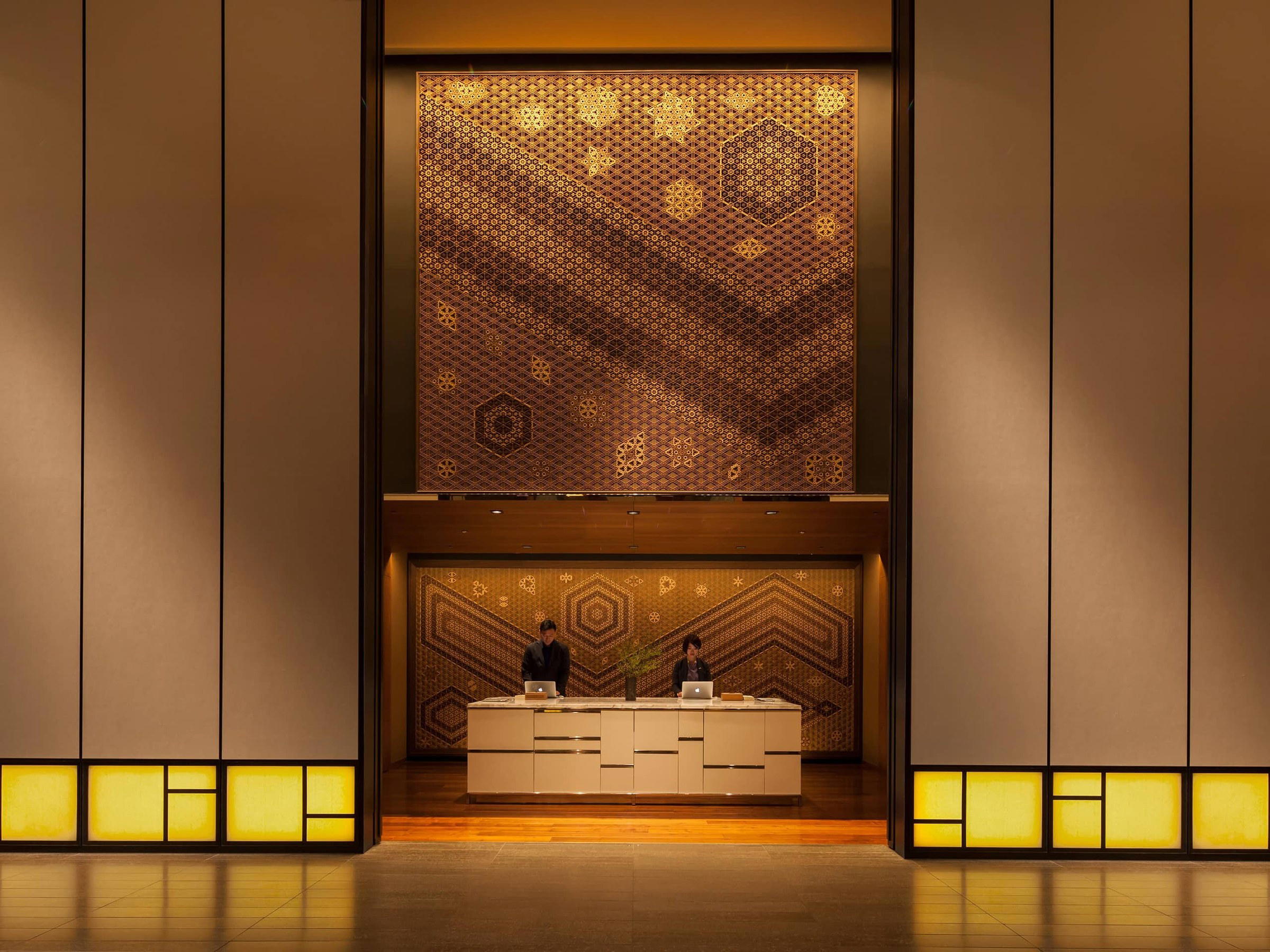
Cozy hideout with spacious seating, counter, and table options in a quiet Roppongi alley, fostering an intimate salon-like atmosphere.