Oceans


Michelin Plate · Wine Spectator Best of Award of Excellence
Our verdict
On Park Avenue South, where expense-account dining and trend-chasing crowds compete for attention, Oceans holds a different position: a seafood-focused room that sources locally and globally, structured around a raw bar and sushi counter and backed by a 7,000-bottle wine inventory. Chef Andy Kitko's menu spans ceviche and sushi to whole-format platters, with a wine program directed by Aaron Zebrook carrying 750 selections across Oregon, France, California, and Italy.

Pearl is the En Primeur Club membership app, where members save venues, book tables and use the concierge.
The menu
What to order
- Dover Sole
- Black Cod
- Seafood Tower
- Tuna Tartare
- Charred Octopus
Park Avenue South and the Seafood Question
Park Avenue South between Union Square and Gramercy has spent the last two decades accumulating restaurants at a pace that would exhaust most neighborhoods. The corridor runs from expense-account stalwarts to high-rotation trend addresses, which means the challenge for any serious kitchen here is the same: how do you hold a position when the surrounding noise is constant? The answer, historically, has come down to sourcing specificity and format discipline. A room that commits to a raw bar and sushi counter as its architectural center, and then builds its menu around a dual sourcing model, local plus global, is making a structural argument about what it is and what it is not.
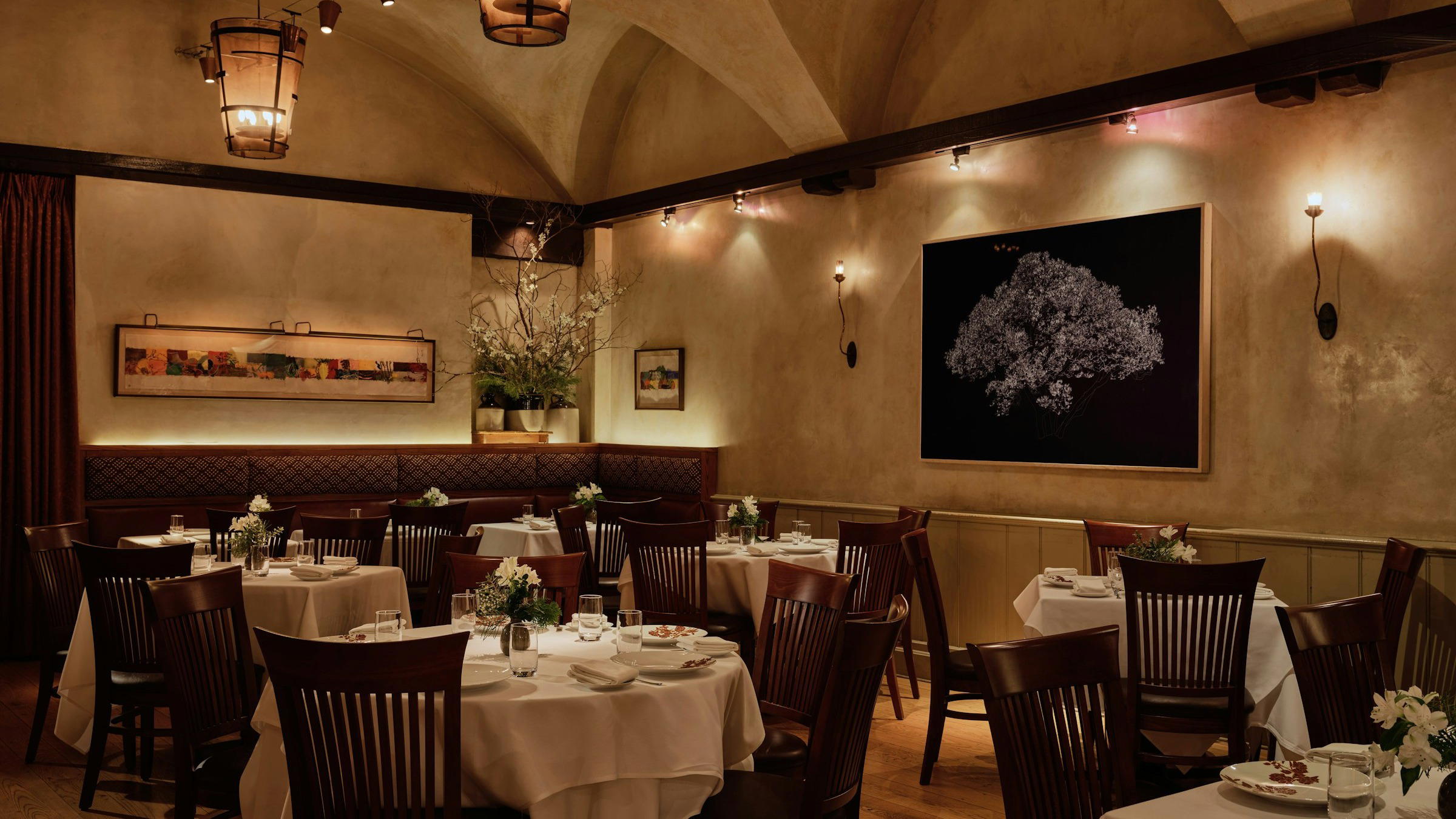
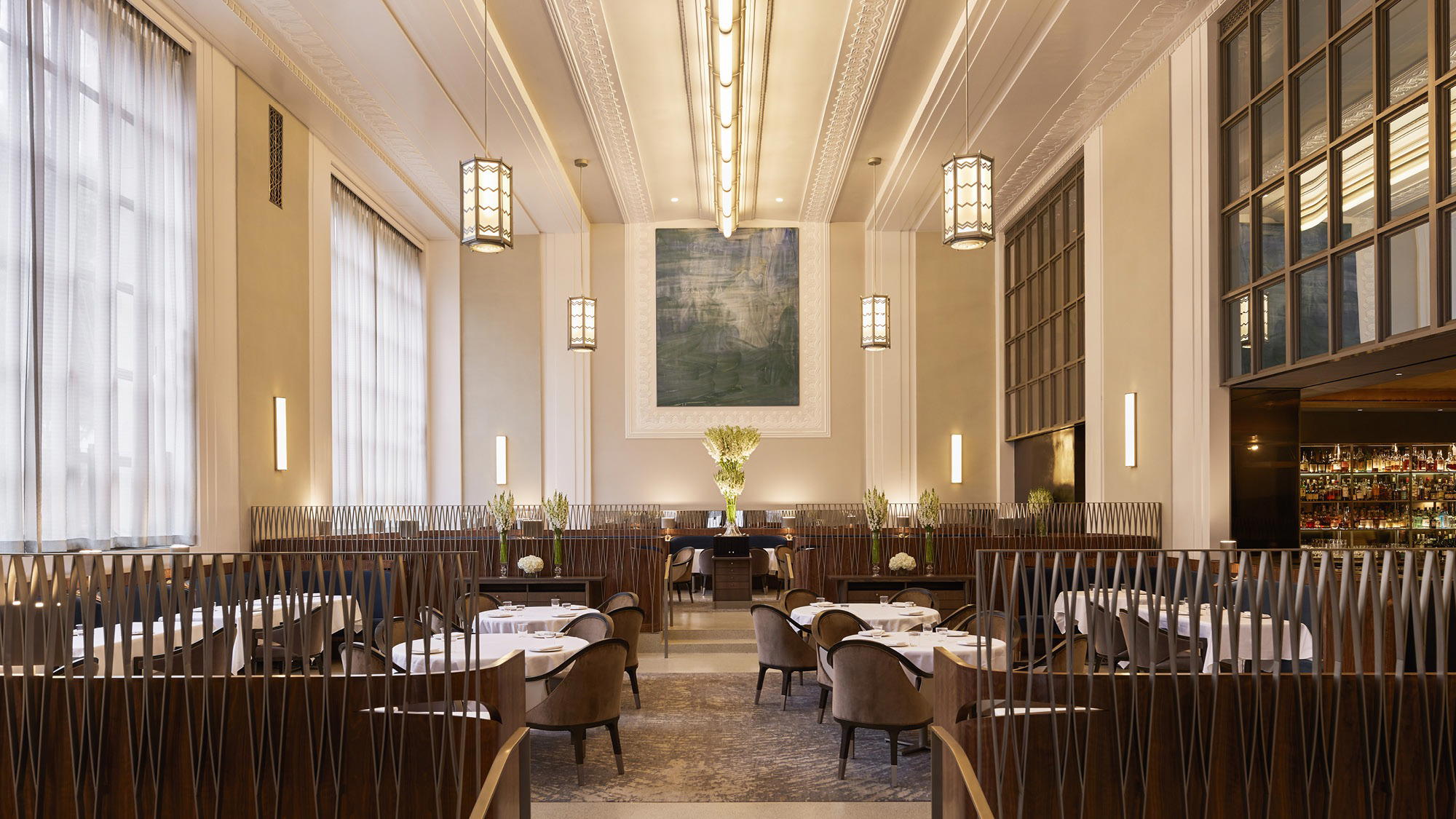
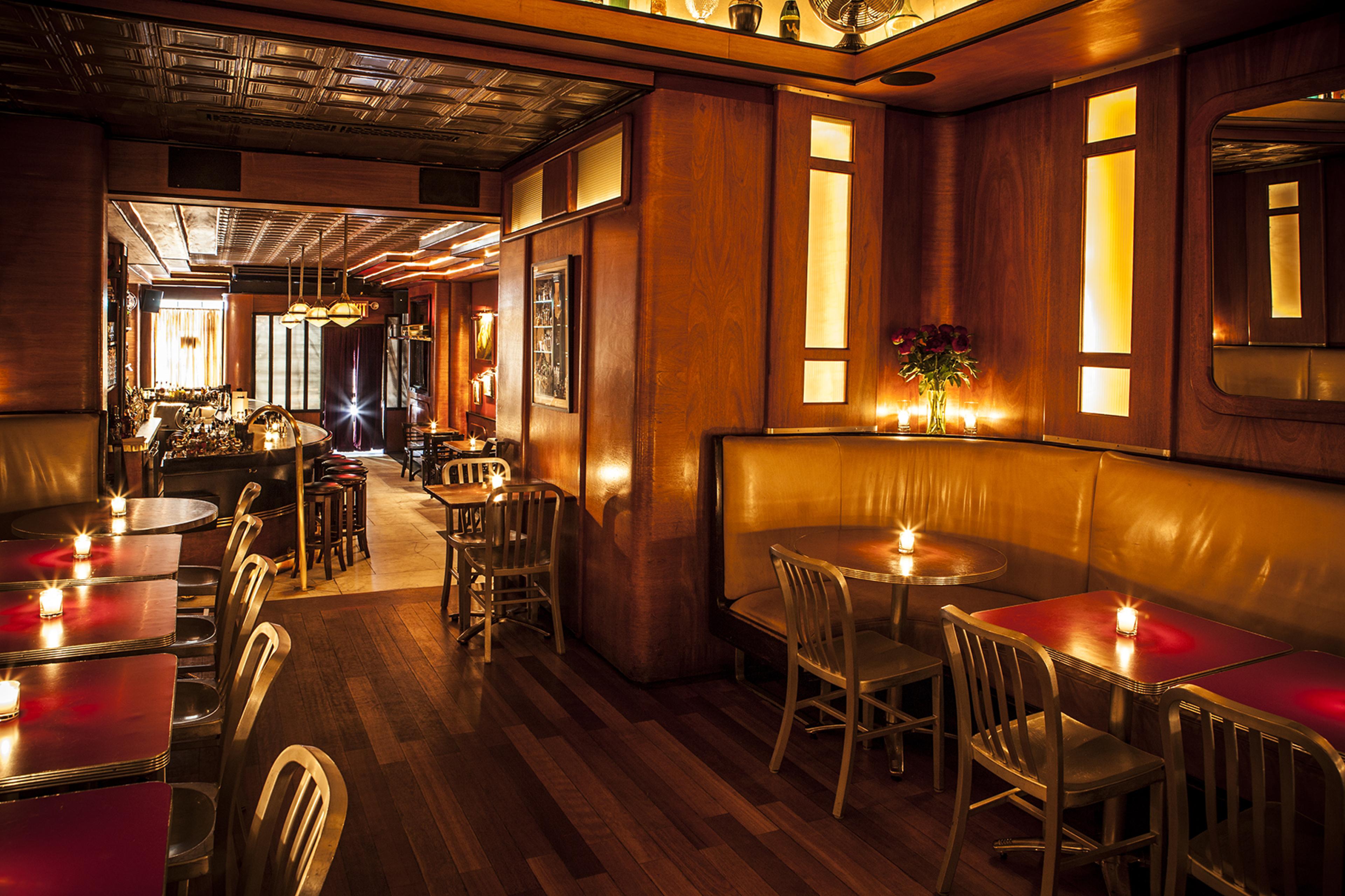
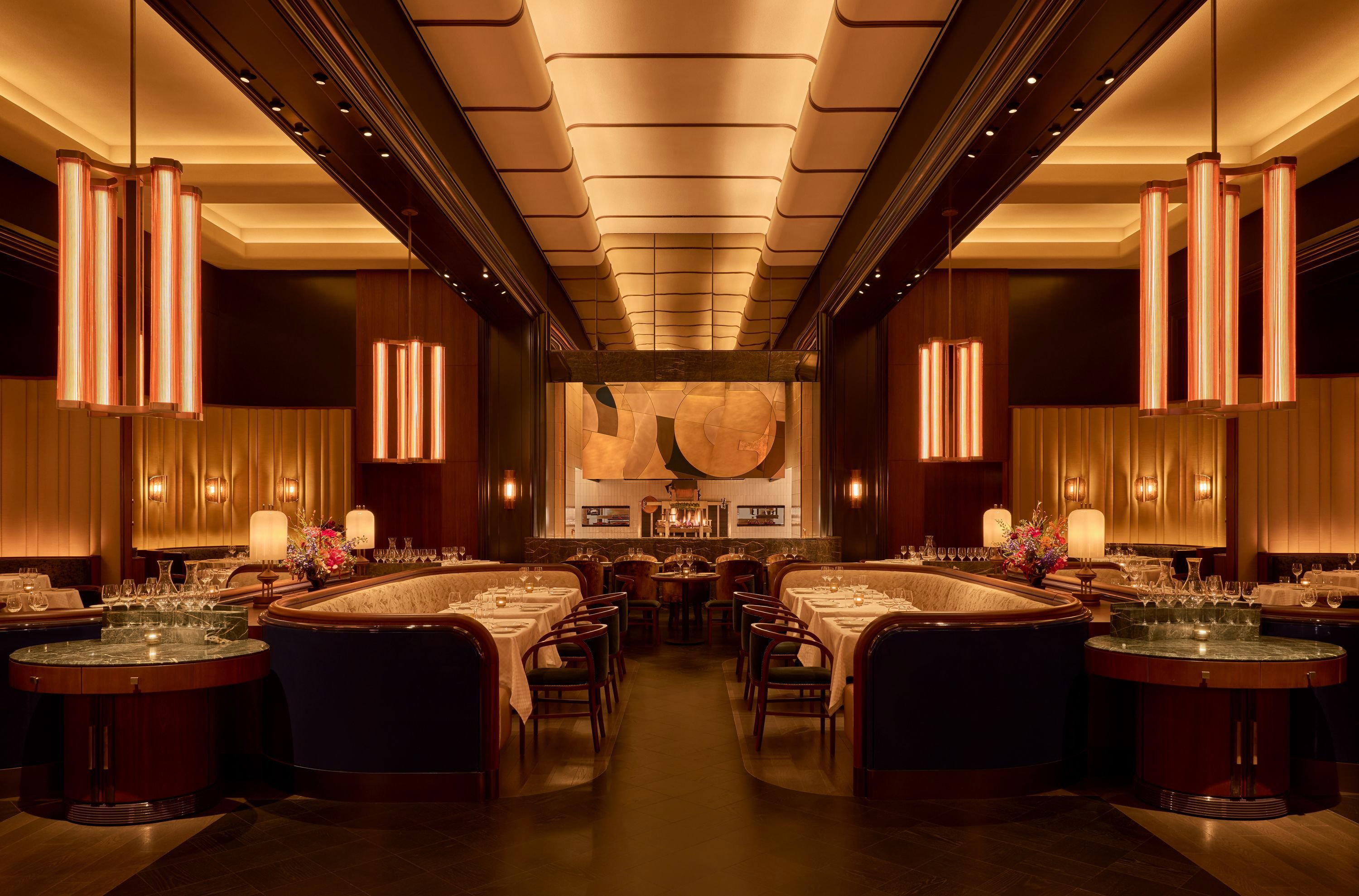
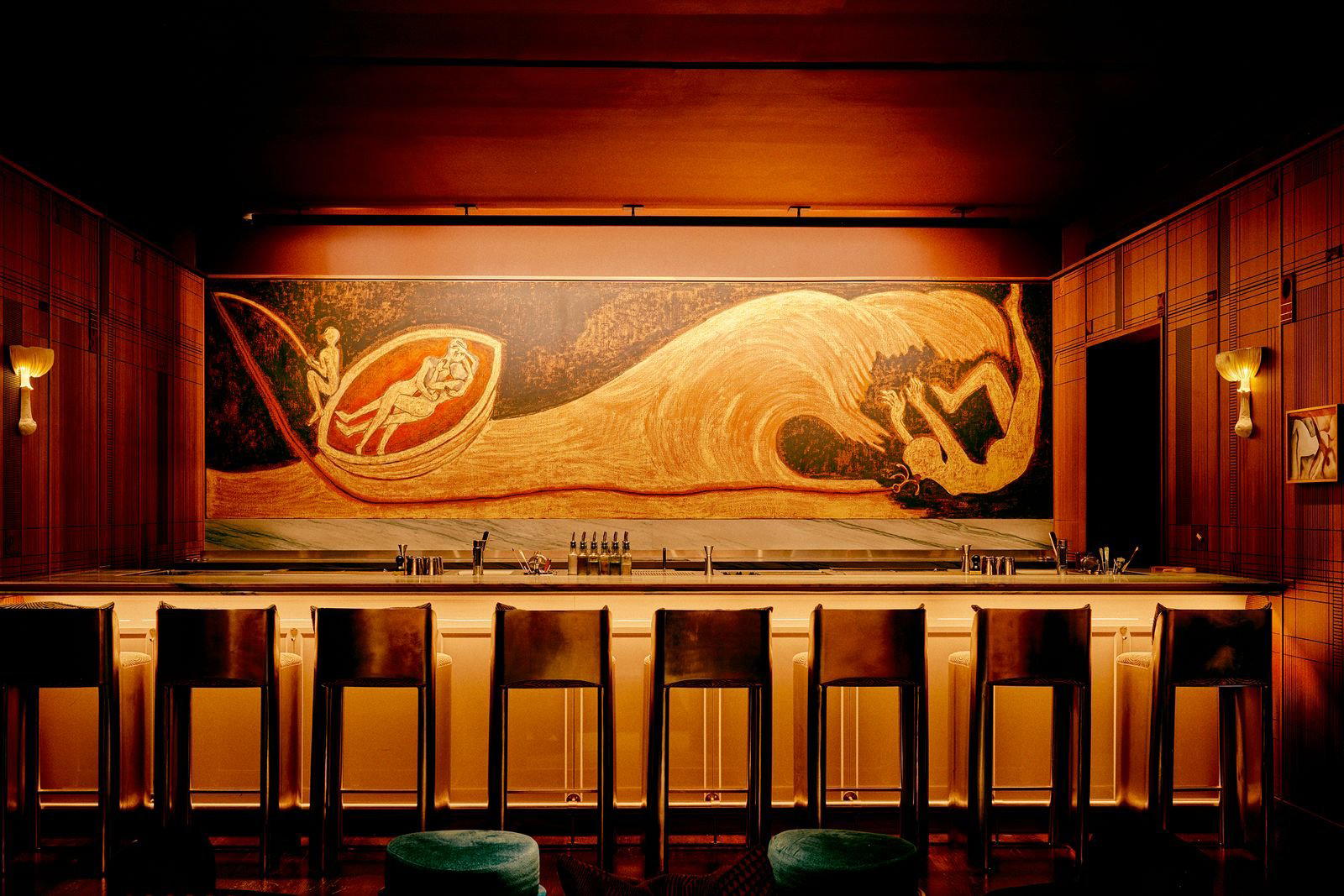
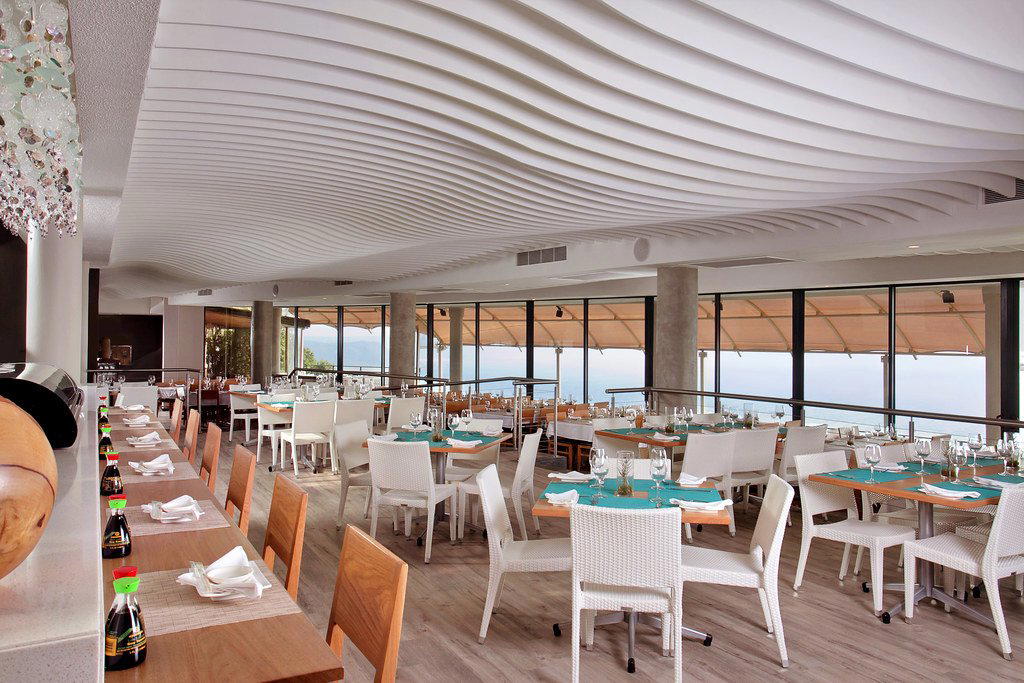
Oceans, at 233 Park Avenue South, makes that argument clearly. The dining room leads with a bar up front and anchors the back with a raw bar and sushi counter, a layout that communicates the kitchen's priorities before a menu arrives. For context on the broader New York seafood scene, the city's serious fish-focused rooms range from the formal French service of Marea on the Upper West Side to the more casual downtown energy of Lure Fishbar and the neighborhood-anchored Mermaid Oyster Bar. Oceans sits in the middle of that range by format, closer to a destination dinner than a drop-in fish house, but without the ceremony that defines the top tier.
Where the Fish Comes From, and Why the Range Matters
The sourcing model at Oceans is worth examining on its own terms. Local sourcing in a New York seafood context typically means the Northeast Atlantic: day-boat catches from Montauk, New England shellfish, and the Hudson Valley supply chain that has matured considerably since the early 2000s. Global sourcing extends that range to Pacific species, Japanese-influenced ingredients, and preparations that require product unavailable in domestic waters, Alaskan black cod being a clear example, a fish that carries enough fat to survive a sake glaze and braising process without losing its structural integrity.
The menu reflects this dual logic. Ceviche and sushi represent the preparations that most directly depend on raw-product quality, where sourcing traceability matters most. Towering platters draw on the shellfish traditions that have defined American coastal dining for more than a century. The toro tartare with caviar sits at the premium end of that range, combining a Japanese-sourced fatty tuna cut with a garnish whose price point signals the restaurant's positioning. The Alaskan black cod with sake glaze, braised bok choy, mushroom, and yuzu dashi is the most direct expression of the East-meets-West framework the kitchen has built: it requires Pacific sourcing, Japanese technique, and a braise format that reads as approachable to a broad audience while carrying genuine technical demands.
For reference, the sourcing-led approach at Oceans has parallels at other serious American seafood addresses. Providence in Los Angeles has built its entire identity around sustainable sourcing and dual domestic and international procurement. On a different register, Saint Julivert Fisherie in New York takes a more focused, bistro-scale approach to similar sourcing values. The distinction at Oceans is format scale: the combination of raw bar, sushi counter, platter service, and hot entrées represents a broader sourcing and preparation range than most single-concept seafood rooms attempt.
The Wine Program as a Structural Commitment
A 7,000-bottle inventory with 750 selections across Oregon, France, California, and Italy is not a hospitality afterthought. Wine Director Aaron Zebrook and Sommelier Brian Lieder are managing a list whose geographic priorities map directly to the kitchen's sourcing logic. Oregon Pinot Gris and Pinot Noir carry enough acidity and restraint to work against the sake-glazed and yuzu-driven dishes. French selections, particularly white Burgundy and Loire, address the classical seafood pairing tradition. California and Italy round out a list that has to perform across ceviche, raw bar, sushi, and hot entrées simultaneously, a harder brief than a single-cuisine room faces.
The $$$$ wine pricing tier (bottles in the $100+ range feature prominently) and the $50 corkage fee position this as a list for guests who engage with the program rather than default to by-the-glass. That's a deliberate signal: the room expects wine to be part of the decision, not an afterthought.
For comparison, the wine programs at New York's top-tier seafood rooms operate at a different scale and price ceiling. Le Bernardin's list is more French-centric and priced significantly above this range. Oceans, at the $$$ cuisine price tier (a typical two-course meal above $66), operates with the wine ambition of a serious destination room without the full ceremony of a four-star address.
The Room, the Format, and What to Expect
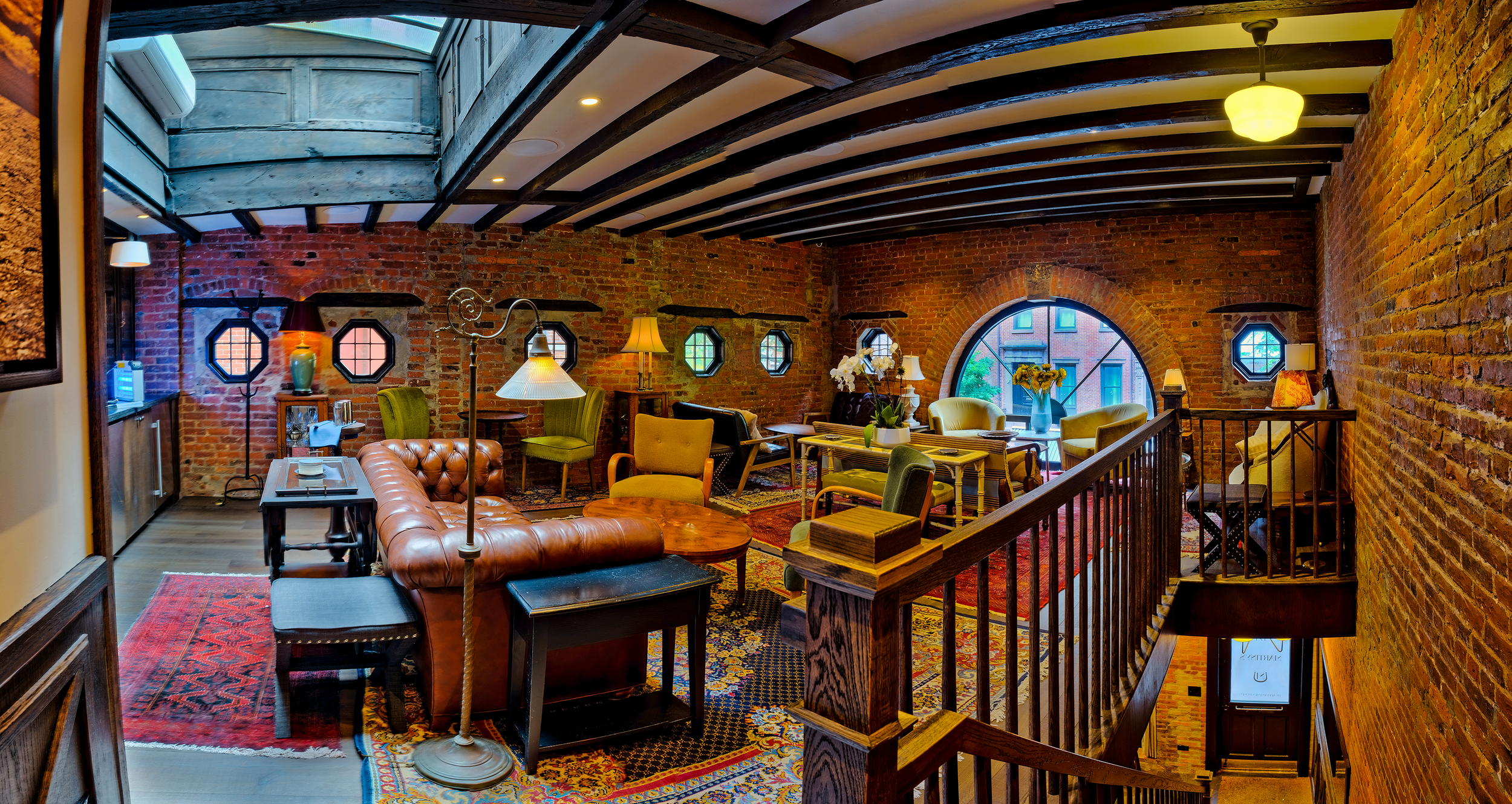
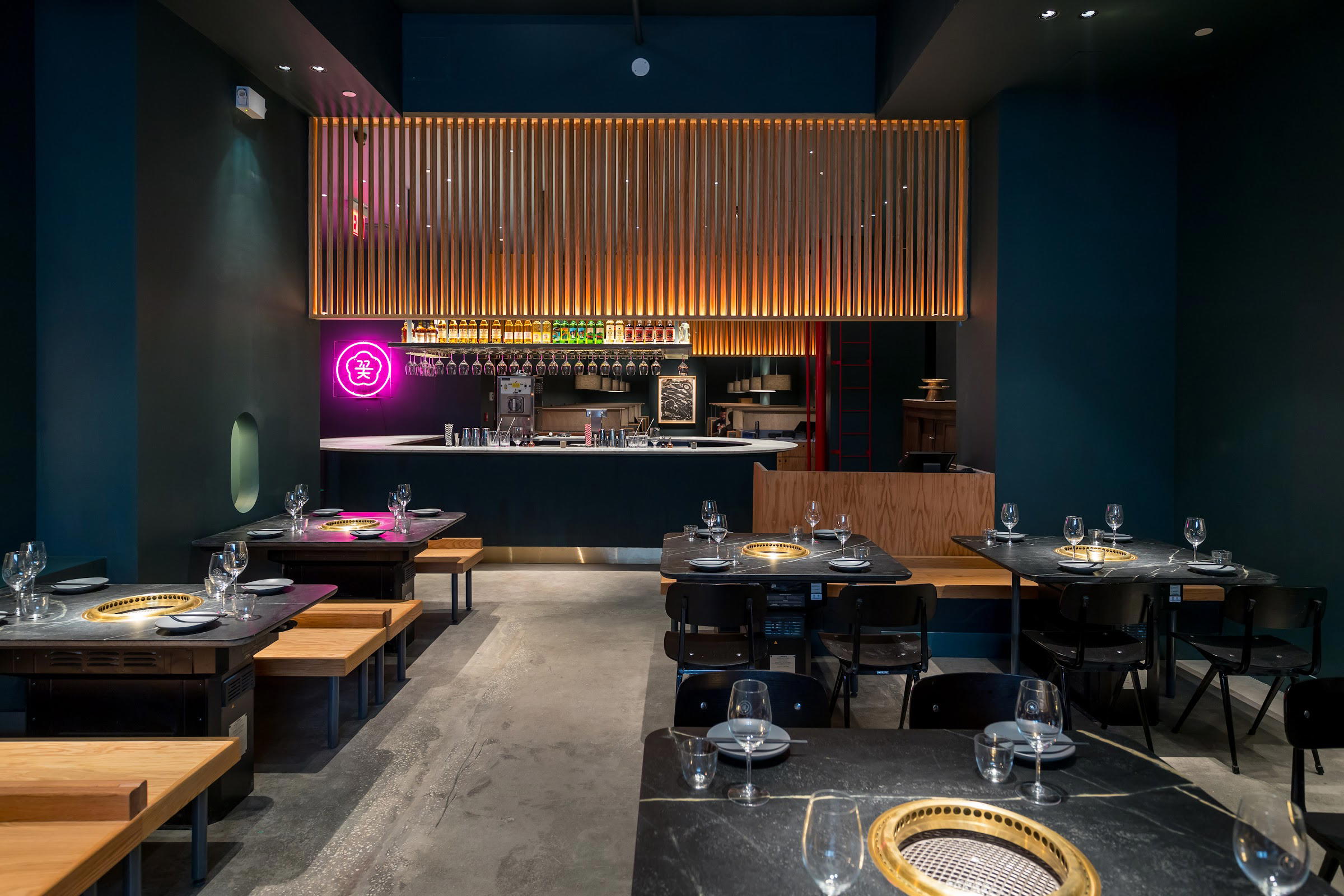
The layout at Oceans does specific work. A bar at the front of the room means the space is accessible to guests who want a drink and the raw bar without committing to a full dinner, a format that suits the Park Avenue South foot traffic and creates a different energy than a purely table-service room. The raw bar and sushi counter at the back anchor the dining experience around a visible production element, which has become a standard marker for serious seafood addresses in New York and elsewhere.
Dinner is the served meal, and the price tier reflects a room designed for occasions rather than regular neighborhood use. General Manager Steph Heins oversees operations under the TopTable ownership group, which adds an institutional dimension to what might otherwise read as a standalone concept. TopTable's involvement suggests operational consistency and capital behind the sourcing commitments, the kind of infrastructure that sustains a 7,000-bottle cellar and a dual sourcing model over time.
For guests considering New York's broader seafood options, Crevette offers a French-inflected shellfish focus at a different price and format register. Internationally, the sourcing-forward approach has parallels at Gambero Rosso in Marina di Gioiosa Ionica and Alici Restaurant on the Amalfi Coast, where Mediterranean product specificity drives similar menu logic. The New York context is different, larger in format, more diverse in preparation range, but the underlying argument about sourcing as the foundation of the cooking is the same.
For a broader view of the New York dining scene, see our full New York City restaurants guide. Planning around Oceans can also draw on our New York City hotels guide, bars guide, wineries guide, and experiences guide. For those comparing destination seafood rooms across the country, Emeril's in New Orleans, Lazy Bear in San Francisco, Alinea in Chicago, The French Laundry in Napa, and Single Thread Farm in Healdsburg each represent different points on the spectrum of sourcing-led American fine dining.
Know Before You Go
- Address: 233 Park Ave S, New York, NY 10003
- Cuisine: Seafood, local and global sourcing, raw bar, sushi counter, hot entrées
- Price tier: $$$ (typical two-course dinner above $66, not including beverages)
- Meals served: Dinner
- Wine inventory: 7,000 bottles, 750 selections; Oregon, France, California, Italy
- Wine pricing: $$$ (many bottles $100+)
- Corkage fee: $50
- Key staff: Chef Andy Kitko; Wine Director Aaron Zebrook; Sommelier Brian Lieder; General Manager Steph Heins
- Owner: TopTable
Frequently asked questions
What's the overall feel of Oceans?
The room is split between a front bar anchoring social, drop-in dining and a back section crowned by a raw bar and sushi counter, two distinct moods in one address at 233 Park Ave South. It sits on a stretch of Park Avenue South dense with restaurants, but the layout and seafood-first cooking set a clearer identity than most of its neighbours. The wine program, with 7,000 bottles in inventory, signals the operation takes the table seriously.
Is Oceans expensive?
Pricing at Oceans is listed as $$$.
What distinctions does Oceans have?
Oceans has received recognition including: Park Avenue South may be brimming with restaurants—from expense account beauties to the massively trendy—but this dining room will stop you in your tracks. First with its looks (imagine an inviting bar that anchors the room up front, while ….
What should I eat at Oceans?
The kitchen pulls from both local Northeast Atlantic sourcing and global supply, running a range from ceviche and sushi to composed entrées. Toro tartare with caviar and the Alaskan black cod with sake glaze, braised bok choy, and yuzu dashi are the dishes the menu is known for, the latter a clean example of East-meets-West technique. Buttermilk panna cotta with cranberry mousse is the documented finish worth ordering.
Is Oceans focused on a specific cuisine style?
Where exactly is Oceans?
Oceans is located at 233 Park Ave S, New York, NY 10003, New York City.
Can I walk in to Oceans?
The front bar is structured precisely for walk-in access, guests can order from the raw bar without committing to a full dining-room reservation. For the sushi counter or a full dinner on a busy Park Avenue South night, booking ahead is the practical move given the neighbourhood's foot traffic.
The Minimal Set
| Venue | Cuisine | Price | Awards | Notes |
|---|---|---|---|---|
| OceansThis venue (the venue you are viewing) | Contemporary Seafood & Sushi | $150–200 | Michelin Plate · Wine Spectator Best of Award of Excellence | Not listed |
| Le Bernardin | French Seafood Fine Dining | $300–500 | 3 Michelin Stars · World's 50 Best #13 | French, Seafood |
| Atomix | Modern Korean Tasting Menu | $300–500 | 2 Michelin Stars · World's 50 Best #7 | Modern Korean, Korean |
| Masa | Seasonal Hokkaido Tempura Omakase | $150–200 | Tabelog 100 #34 | Sushi, Japanese |
| Per Se | French Fine Dining Tasting Menu | $300–500 | 3 Michelin Stars · World's 50 Best #40 | French, Contemporary |
| Eleven Madison Park | Contemporary Plant-Based Fine Dining | $300–500 | 3 Michelin Stars · World's 50 Best #4 | French, Vegan |
Recognition history
Dated appearances from independent guides and award organizations, with the underlying list record or original source where available.
Michelin Plate
Michelin
Wine Spectator Best of Award of Excellence
Wine Spectator
Full recognition history (3 entries)
Wine Spectator Best of Award of Excellence
Wine Spectator