Mermaid Oyster Bar

Our verdict
On MacDougal Street in Greenwich Village, Mermaid Oyster Bar occupies the casual end of New York's serious seafood spectrum, ranked consecutively by Opinionated About Dining's Casual North America list in both 2024 and 2025. Doors open at 4 pm daily, making it a reliable early-evening anchor in a neighborhood that rewards knowing where to land.

Pearl is the En Primeur Club membership app, where members save venues, book tables and use the concierge.
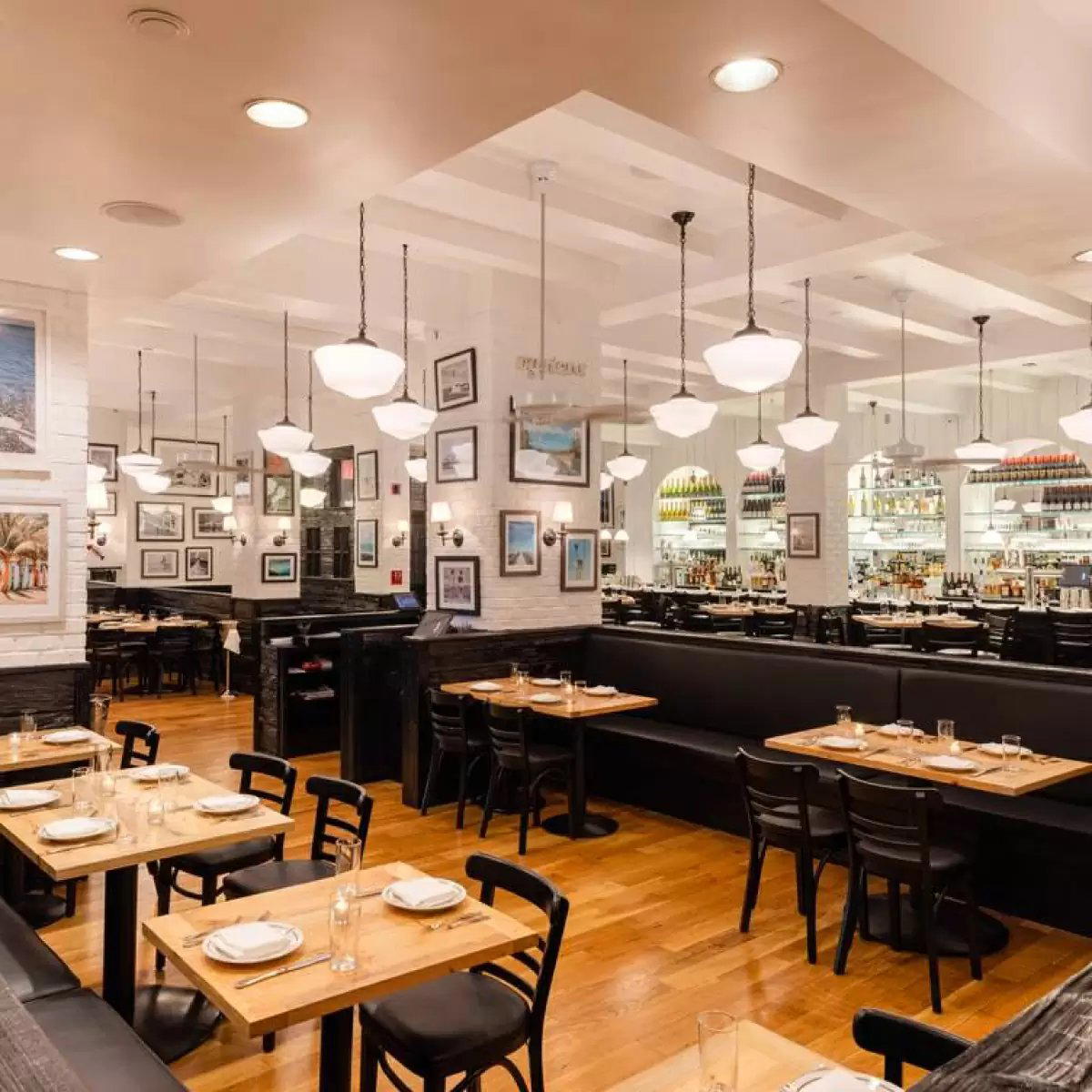
Greenwich Village and the Oyster Bar Tradition
New York's oyster bar lineage runs deep. The city was, for much of the nineteenth century, one of the great oyster capitals of the Atlantic seaboard, with vendors working the streets of lower Manhattan and the harbor supplying raw bars that stretched from the Battery to Midtown. That tradition never fully disappeared, it just sorted itself across price tiers. At one end sit the white-tablecloth institutions; at the other, the neighborhood raw bars that trade on freshness, accessibility, and a well-kept rotation of East and West Coast shells. Mermaid Oyster Bar at 89 MacDougal Street in Greenwich Village belongs to the latter category, and has held that position with enough consistency to earn back-to-back recognition on the Opinionated About Dining Casual North America list, ranked #838 in 2024 and #867 in 2025.
MacDougal Street itself has a longer culinary history than most blocks in the Village. The stretch between Bleecker and Houston has cycled through jazz-era coffeehouses, Italian-American trattorias, and successive waves of neighborhood dining, and the foot traffic here draws from NYU students, long-term Village residents, and visitors navigating the area between Washington Square Park and SoHo.
Reading the Seasonal Calendar
Oyster quality is not constant. Anyone who has ordered carelessly through the summer months knows that the old rule, eat bivalves only in months containing the letter R, has a biological basis. Most Atlantic oyster species spawn in warmer water, and from June through August the meat becomes soft, milky, and less defined in flavor. The so-called R-month window, roughly September through April, is when the cold water tightens the flesh and the salinity reads cleanest. For a bar focused on raw shellfish, that cycle defines the calendar more than any marketing season does.
September marks the return to prime condition for most East Coast varieties. Wellfleets from Cape Cod, Pemaquids from Maine, and the smaller, brinier Kumamotos from the Pacific Northwest all hit their stride as water temperatures drop. By late October and through winter, the cold-water East Coast appellations are at their most mineral and saline. West Coast oysters, drawing from the Pacific, follow a slightly different thermal curve but tend to peak similarly in cooler months. A bar that sources across both coasts can build a rotation that keeps the board interesting from fall through spring, leaning East Coast in deep winter and bridging to Pacific varieties as the season transitions.
Spring brings its own calculus. April and early May can deliver some of the year's most complex bivalves, the cold has been long, the meat is dense, and the flavors of specific growing regions come through clearly. After that, the cycle turns again. Warm-weather visits to a raw bar like Mermaid Oyster Bar shift the calculus toward cooked preparations and whatever the kitchen handles well beyond the shell: chowders, fried options, and composed seafood dishes that don't depend on raw shellfish being at its seasonal apex.
Where Mermaid Sits in New York's Seafood Hierarchy
New York's seafood dining has split into distinct tiers that rarely overlap. At the leading, places like Marea on Central Park South operate in the $$$$ register, with pastas built around sea urchin and bone marrow and a wine program priced to match. The format there is formal, the commitment to a full meal essentially required. Below that tier, a mid-range of more casually structured seafood restaurants has grown, including Crevette and Lure Fishbar, each with a distinct register and neighborhood logic. Saint Julivert Fisherie and Oceans represent other points on that map, each staking out different price points and kitchen philosophies within the same broad category.
Mermaid Oyster Bar's consecutive OAD Casual placements position it as a peer of similarly focused neighborhood seafood spots rather than a competitor to the white-tablecloth tier. The relevant comparison set is bars and casual rooms where the sourcing work is taken seriously, the raw bar rotation is genuinely managed, and the experience doesn't require a reservation horizon of weeks. That niche has become more contested as New York's dining culture has moved away from formality without abandoning ingredient quality, and OAD's Casual list exists precisely to track which rooms are maintaining standards within it.
For comparison against broader American seafood ambition, the gap to places like Providence in Los Angeles or the farm-driven precision of Single Thread Farm in Healdsburg is significant in format and price. Internationally, the kind of single-ingredient focus you find at Gambero Rosso in Marina di Gioiosa Ionica or Alici on the Amalfi Coast represents a different tradition entirely. Mermaid Oyster Bar's context is neighborhood casual done with enough rigor to earn repeated critical notice, and that framing is the right one.
Planning Your Visit
The bar opens at 4 pm every day of the week, making it a natural early-evening stop rather than a lunch destination. Monday through Thursday and Sunday, service runs until 9 pm; Friday and Saturday the close shifts to 10 pm, which allows for a later seating on weekend nights without the wait that peak dinner hours typically generate at a room this size. The Village location at 89 MacDougal means it sits within easy reach of the A/C/E trains at West 4th Street and the 1 at Houston Street, both a short walk through the neighborhood.
Timing matters more at a raw bar than at most restaurant categories. The September-through-April window is when the raw shellfish program operates at its highest level. Within that, Thursday through Saturday evenings see the most pressure on tables; a Sunday or early-weeknight visit, particularly in October, November, or February, is likely to deliver both better availability and a board at its seasonal depth.
For more on eating and drinking in the city, see our full New York City restaurants guide, our full New York City bars guide, our full New York City hotels guide, our full New York City wineries guide, and our full New York City experiences guide.
Frequently asked questions
at Mermaid Oyster Bar?
The raw bar rotation is the core of what Mermaid Oyster Bar does, and the ordering logic follows the season. From September through April, when Atlantic water temperatures are at their coldest, East Coast varieties, typically drawn from growing regions in Maine, Massachusetts, and the mid-Atlantic, are at their most saline and structurally firm. That is when the raw selection is worth anchoring a visit around. In warmer months, the strategic pivot to cooked preparations is the sensible approach; the kitchen's handling of non-raw dishes draws repeat visitors who aren't calendar-constrained to the R-month window.
A Lean Comparison
A quick snapshot of similar venues for side-by-side context.
| Venue | Cuisine | Price | Awards | Notes |
|---|---|---|---|---|
| Mermaid Oyster BarThis venue (the venue you are viewing) | Classic Seafood Oyster Bar | $50–100 | Not listed | Not listed |
| Le Bernardin | French Seafood Fine Dining | $300–500 | 3 Michelin Stars · World's 50 Best #13 | French, Seafood |
| Atomix | Modern Korean Tasting Menu | $300–500 | 2 Michelin Stars · World's 50 Best #7 | Modern Korean, Korean |
| Masa | Seasonal Hokkaido Tempura Omakase | $150–200 | Tabelog 100 #34 | Sushi, Japanese |
| Per Se | French Fine Dining Tasting Menu | $300–500 | 3 Michelin Stars · World's 50 Best #40 | French, Contemporary |
| Eleven Madison Park | Contemporary Plant-Based Fine Dining | $300–500 | 3 Michelin Stars · World's 50 Best #4 | French, Vegan |
Recognition history
Dated appearances from independent guides and award organizations, with the underlying list record or original source where available.
Opinionated About Dining Casual in North America Ranked #867
Opinionated About Dining
Full recognition history (2 entries)
Opinionated About Dining Casual in North America Ranked #838
Opinionated About Dining
Continue exploring
More in New York City
More from Chef Various
Browse all →
Restaurants in New York City
All restaurants in New York City →
Bars in New York City
All bars in New York City →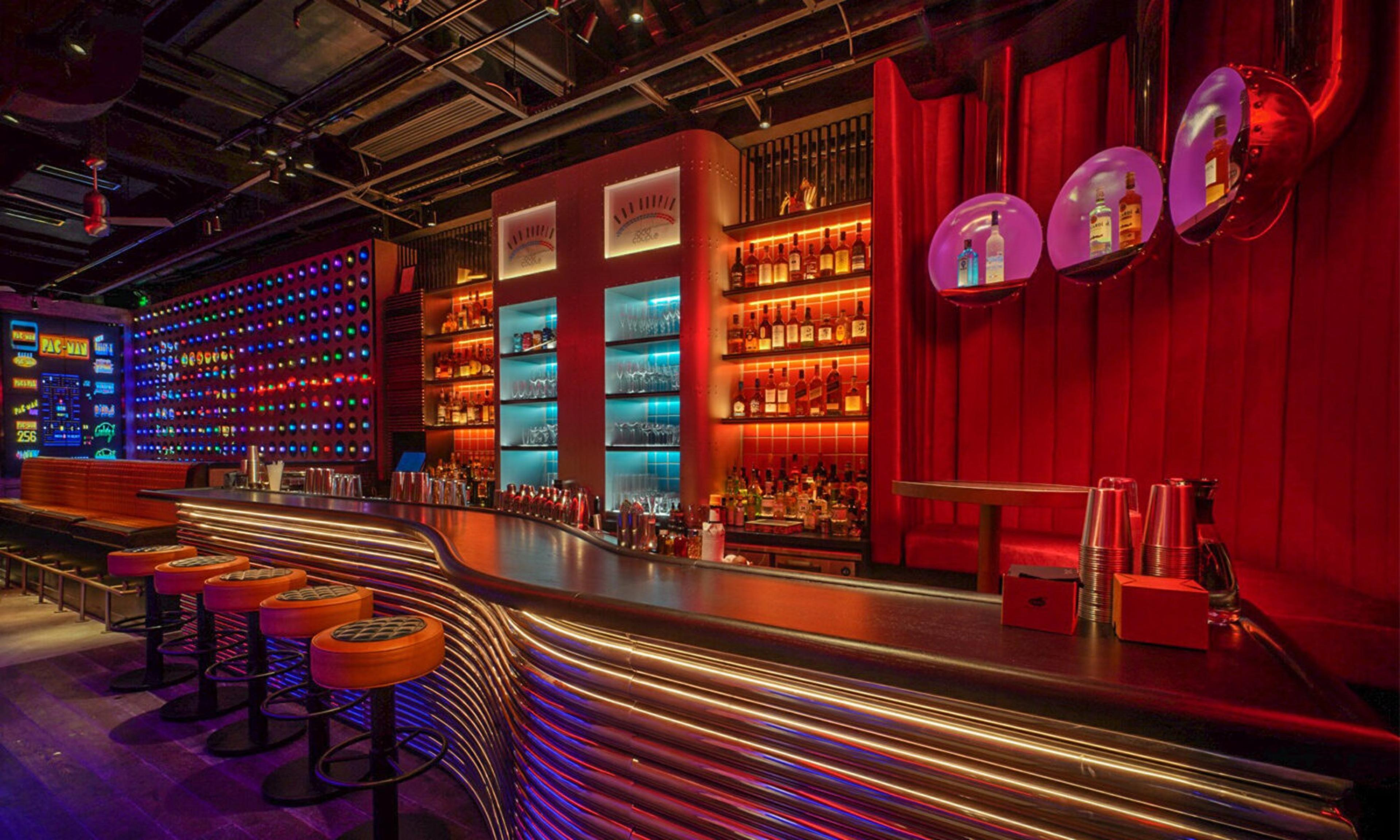






Details
- Lively
- Trendy
- Cozy
- Date Night
- Group Dining
- Casual Hangout
- After Work
- Open Kitchen
- Craft Cocktails
- Sustainable Seafood
- A La Carte
- Small Plates
- Craft Cocktails
- Gluten Free Options
- Pescatarian Friendly
Current opening hours
- Monday
- 4:30–9:30 PM
- Tuesday
- 4:30–9:30 PM
- Wednesday
- 4:30–9:30 PM
- Thursday
- 4:30–9:30 PM
- Friday
- 4:30–10 PM
- Saturday
- 4:30–10 PM
- Sunday
- 4:30–9 PM
Hours can change for holidays and private events. Hours as of .
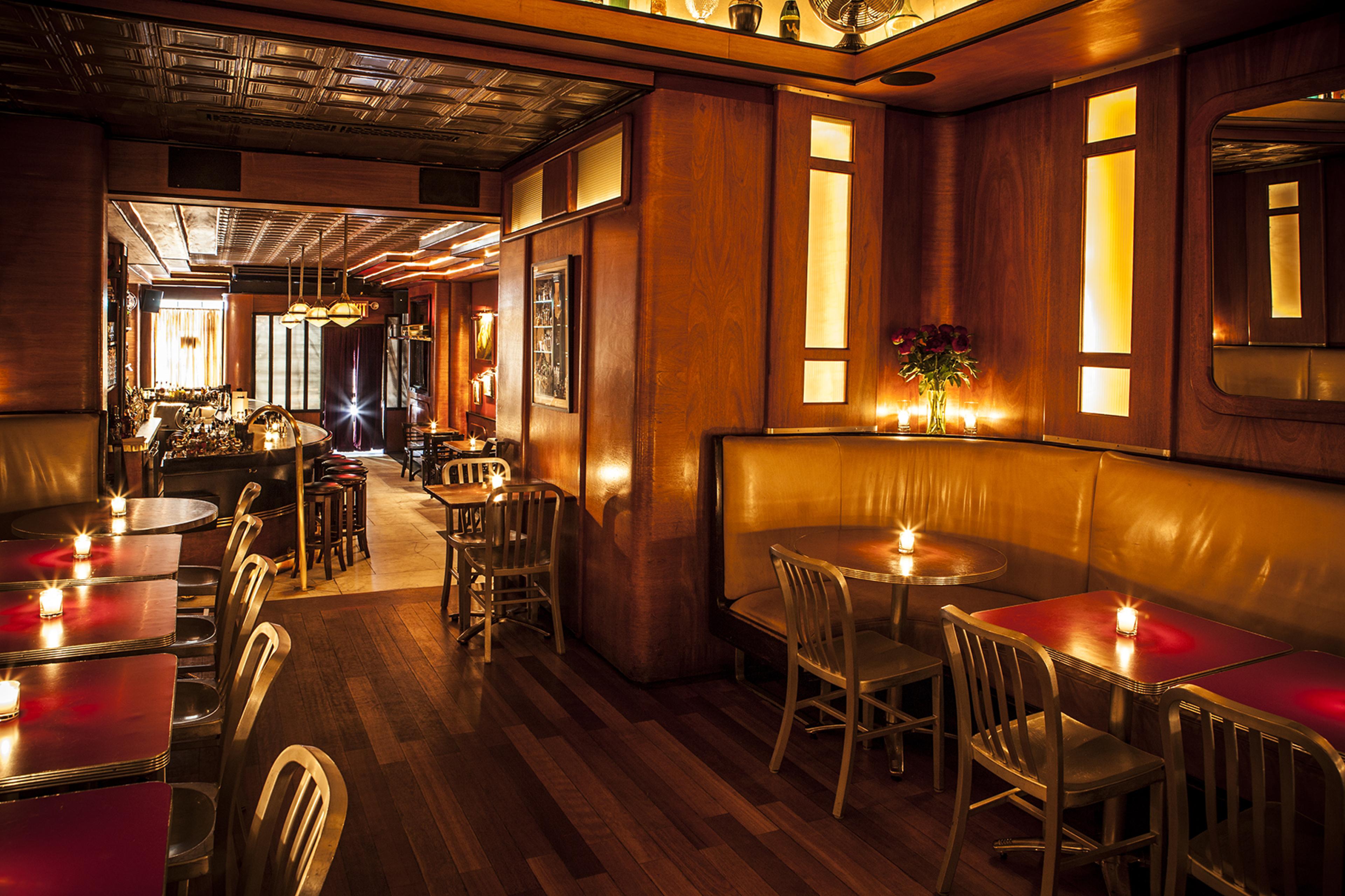
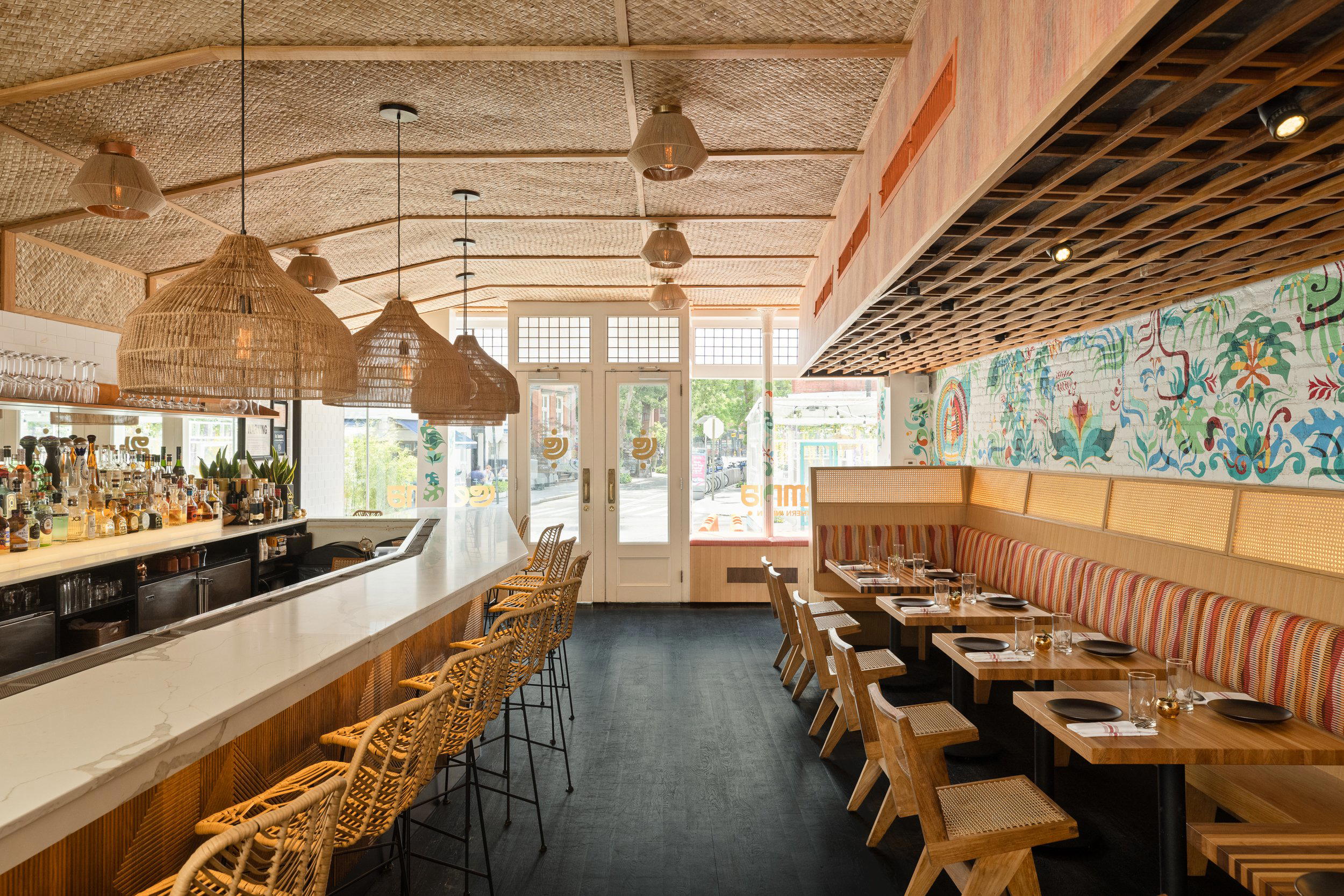
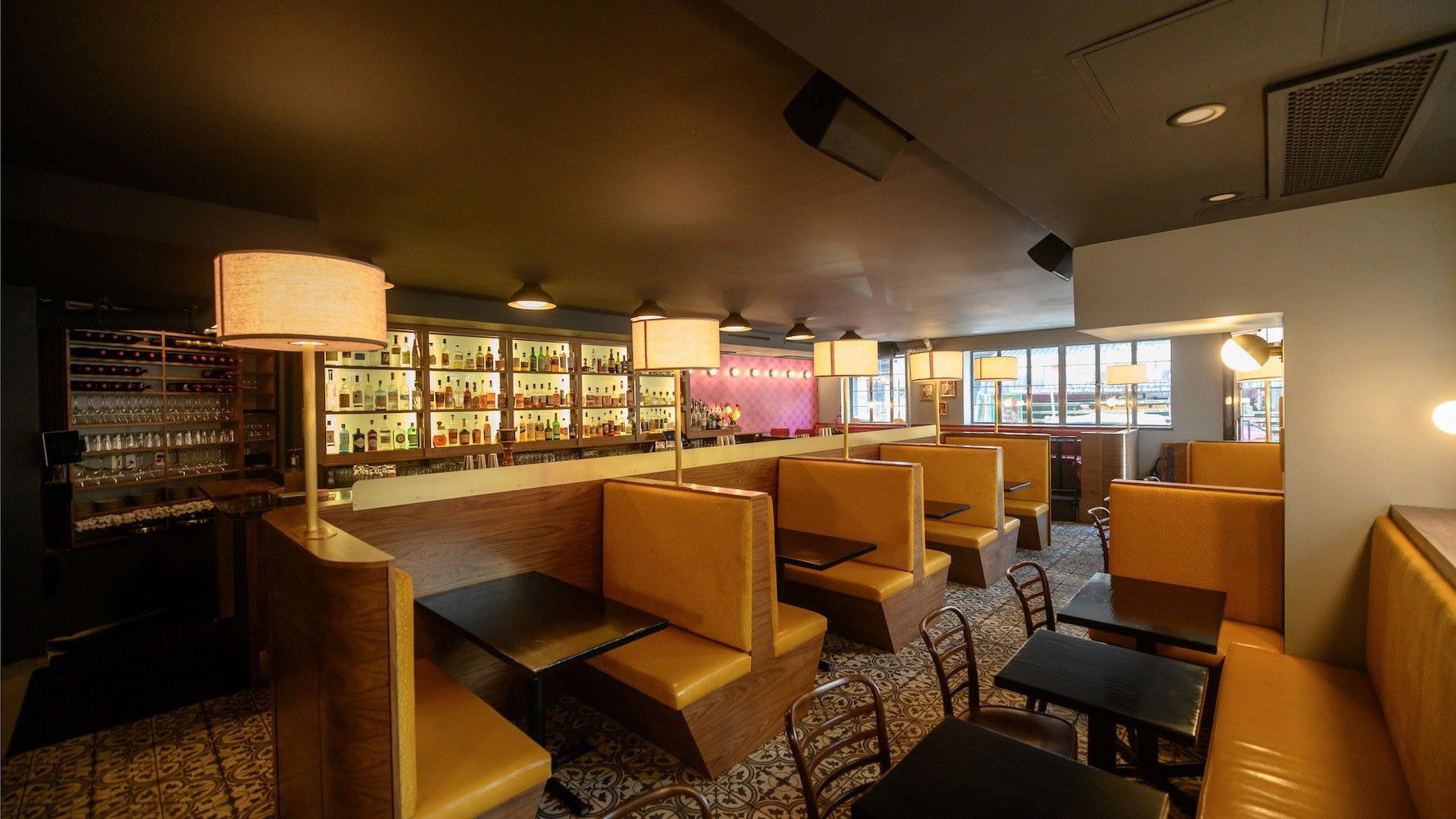
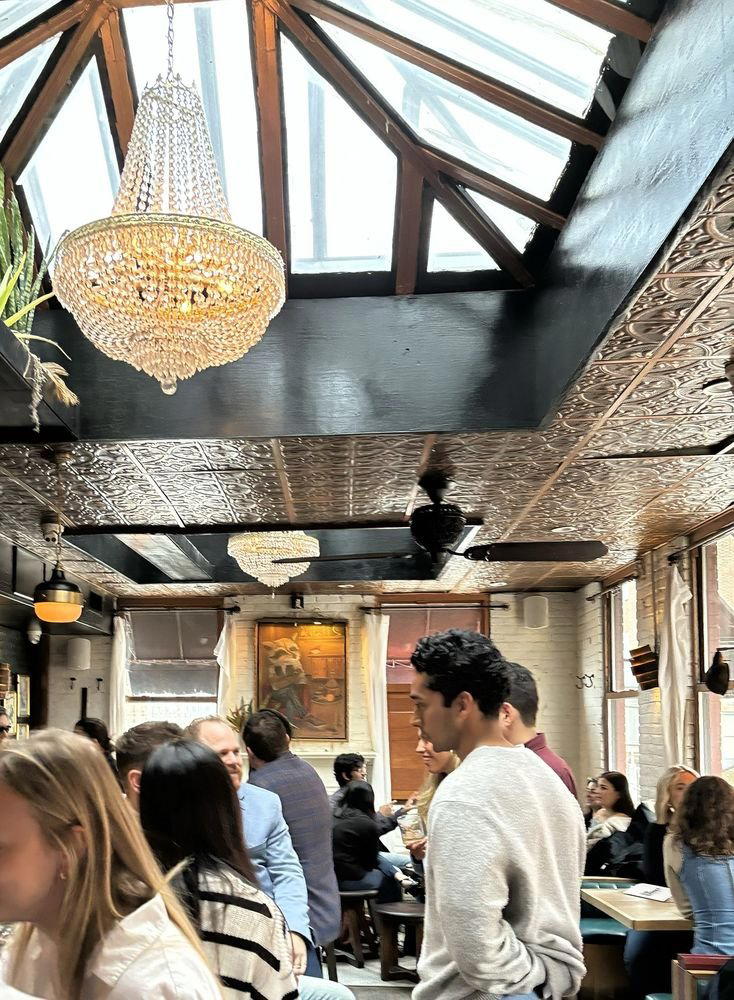
Bright and lively with a fun coastal vibe, softly lit in some areas, but often loud and bustling especially during peak hours.