
Li Galli holds a Michelin star (2024) and occupies a seven-table dining room inside Villa Franca hotel in upper Positano, with floor-to-ceiling windows framing views across to the Li Galli islands. Chef Savio Perna's contemporary menu draws primarily from Campanian produce, supported by a wine list of around 1,000 labels. Dinner only, seven days a week, 7:30 to 10:30 PM.
Pearl is the En Primeur Club membership app — saves, bookings, and concierge access live there. Same editors, same standards.
- Address
- Viale Pasitea, 318, 84017 Positano SA, Italy
- Phone
- +39 089 875655
- Website
- ligallirestaurant.it
- Directions
- Get directions
 Saves & bookings on Pearl
A Michelin Star Above the Cliffs of Positano
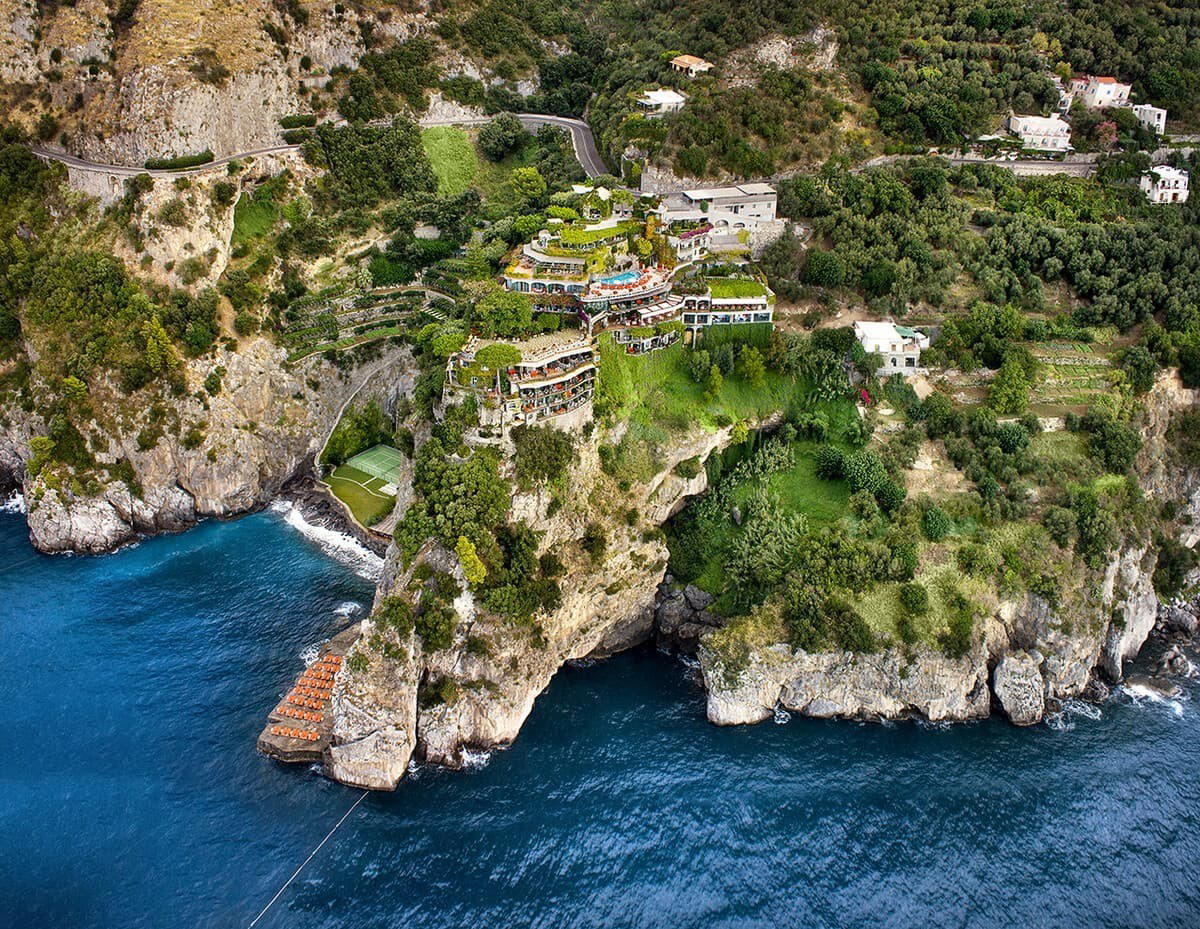
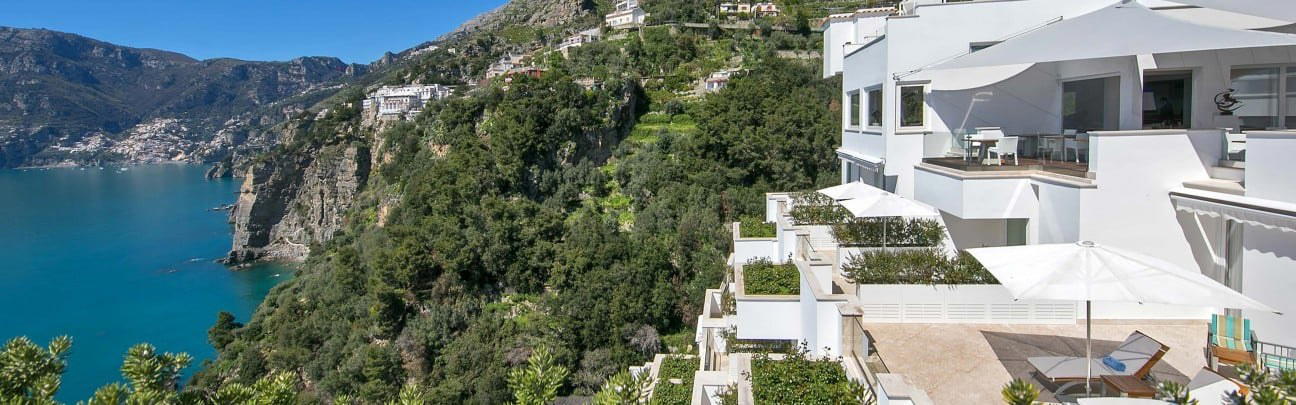
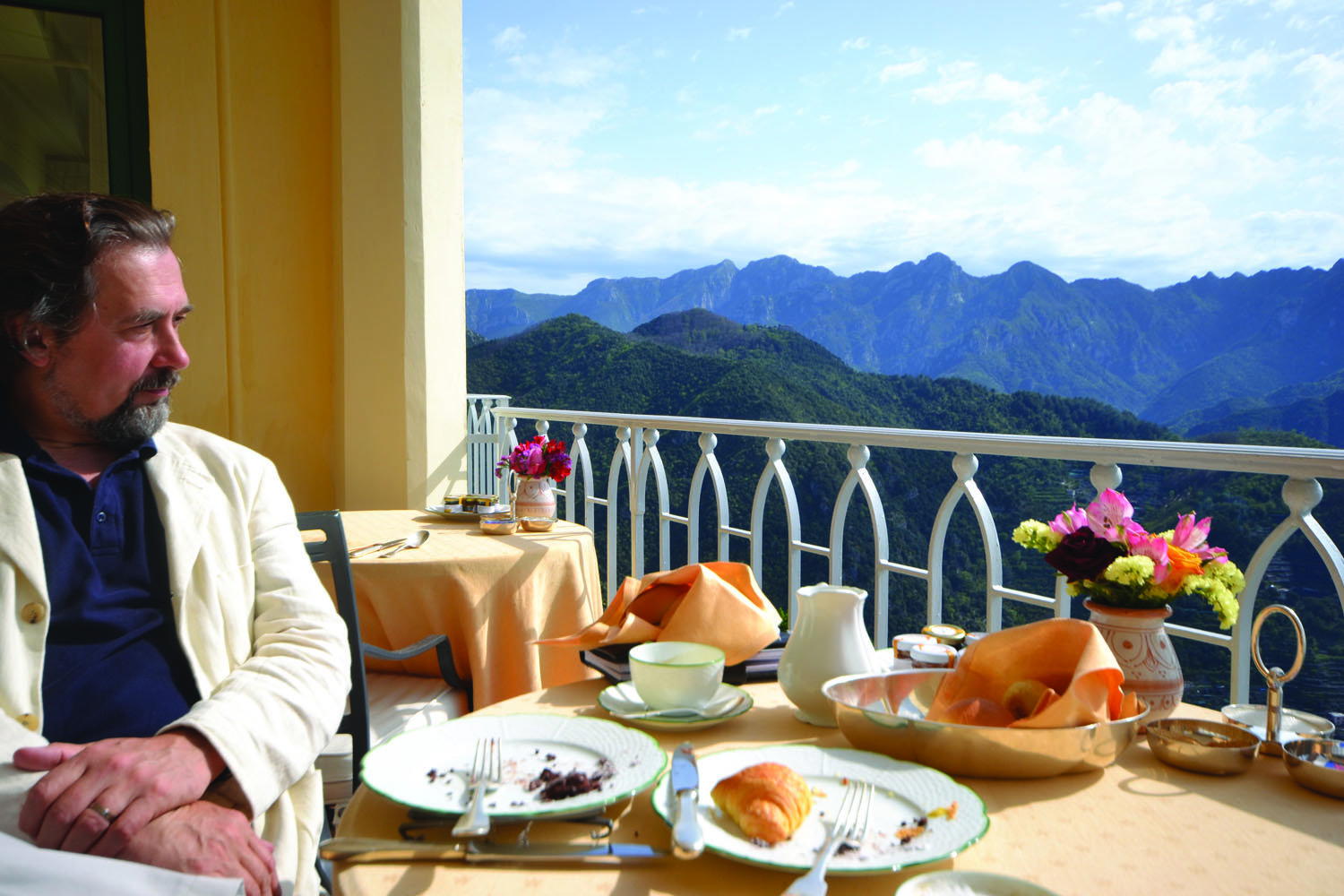
Upper Positano operates at a different register than the harbour-level restaurants below. The climb along Viale Pasitea puts distance between a diner and the town's more tourist-facing trattorias, and the restaurants that occupy this elevation tend to draw a more deliberate clientele. Li Galli sits in this bracket, housed within the Villa Franca hotel, where a small dining room of just seven tables is framed by a glass ceiling and floor-to-ceiling windows that fold open in summer to connect the interior with the night air and a direct sightline to the archipelago the restaurant takes its name from.
That physical setting does real editorial work. The view across to the Li Galli islands, those rocky outcrops once said to be the home of Homer's Sirens, gives the room a focal point that most restaurant designers would pay handsomely to manufacture. Here it is simply geography. The black marble tables, the glass ceiling, and the sea horizon compose a scene that positions Li Galli firmly within the Amalfi Coast's premium dining tier, alongside neighbours like Zass and Next2, both operating at the €€€€ price point with comparable ambitions.
The Michelin Signal and What It Means on the Amalfi Coast
Li Galli's 2024 Michelin star is one direct trust signal available on this stretch of coastline, and it places the restaurant inside a specific competitive conversation. The Amalfi Coast has a handful of starred addresses, and the star here arrives in the context of a kitchen transition: the restaurant previously operated in partnership with Nino Di Costanzo, a name with significant standing in southern Italian fine dining, before chef Savio Perna moved into the lead position independently. For a kitchen to earn or retain Michelin recognition through a chef transition is a meaningful signal about the programme's structural consistency, not just the personality driving it.
Within Italy's broader fine dining geography, a single Michelin star in a coastal resort setting carries its own specific weight. The comparison set for Li Galli is not Osteria Francescana in Modena or Enrico Bartolini in Milan, which operate in urban fine dining ecosystems with year-round regulars. Nor does it sit alongside multi-generational institutions like Dal Pescatore in Runate. A starred address in Positano is instead part of a smaller cohort of seasonal coastal kitchens where the inspector's visit is shaped as much by the quality of produce arriving from the water and the hillsides as by classical technique. The proximity of Quattro Passi in Marina del Cantone offers the clearest regional peer comparison, another starred property drawing from the same southern Tyrrhenian larder.
For context on how Michelin recognition functions in Italian coastal dining more broadly, restaurants at this level in the country's starred portfolio tend to be evaluated on the coherence between their sourcing geography and their plate. The restaurant's Campanian sourcing focus, combined with deliberate technique and a menu that does not resist the occasional departure, pigeon from a Tuscan breeder appears as a notable example, reflects the kind of editorial kitchen thinking that inspectors tend to reward. This is not a kitchen locked into a single regional register but one that uses the local as its primary material and supplements it with specific national sourcing where the ingredient is stronger.
The Kitchen's Approach and the Room's Format
Seven tables is a meaningful constraint. Contemporary fine dining has moved in two directions simultaneously: large-format tasting menus with theatrical production, and small-room intimacy where service ratios are high and the kitchen's output is controlled. The restaurant falls into the second category. With seven tables in a room, the brigade can maintain the kind of presentation focus and service pacing that larger rooms often sacrifice for throughput. The reported emphasis on visual presentation and a light hand with technique is consistent with a contemporary southern Italian approach that treats the coast's produce as inherently expressive and does not press too hard against it.
The service format includes trolleys, for olive oils, bread selections, and desserts, which is a specific hospitality choice. This format, common in a handful of Italian fine dining rooms, creates a different interaction between guest and service than a purely plated approach. It slows the room down in a productive way and signals that the kitchen is confident enough in its secondary elements to give them their own presentation moment. Olive oil selection in Campania carries genuine regional significance; the coast and its hinterland produce some of the country's more characterful oils, and presenting them as a category worth pausing over is not affectation.
The Wine List: 1,000 Labels in a Seven-Table Room
A wine list of approximately 1,000 labels in a restaurant with seven tables represents a significant investment in cellar depth relative to dining capacity. The list's reported architecture places France and Italy at its centre, with a particular focus on Champagne, most notably Krug. That specific anchor is telling: Krug positions the list in a prestige bracket within Champagne, and its prominence suggests the programme is built for guests who approach wine seriously and have specific expectations about what a starred coastal Italian room should be able to offer.
The availability of many wines by the glass extends access without forcing commitment to full bottles, which is a practical consideration for a restaurant that seats couples and small groups at intimate tables rather than larger dining parties. For comparison, wine programs at rooms like Enoteca Pinchiorri in Florence operate at a different scale entirely, with a cellar that is itself an institution. The restaurant's list operates in a more focused register, but 1,000 labels for a seven-table room is a cellar-to-seat ratio that puts the wine program well ahead of most comparable coastal addresses. The Italian section, drawing from Campania and beyond, would be one obvious starting point for a table working through the local register.
Positioning Against Positano's Dining Scene
Positano's dining tier spreads across a wide range. At the casual end, Chez Black serves the harbour with pizza and seafood at accessible prices. Da Vincenzo represents the Campanian trattoria tradition at the €€ price point, with decades of local standing. Moving up, Al Palazzo occupies the €€€ Mediterranean tier. At the summit of the local price architecture, the restaurant, Zass, and La Sponda compete for the €€€€ table, each approaching the contemporary fine dining brief from different angles. The restaurant's Michelin recognition differentiates it within this top tier: it is the only address in Positano's current starred bracket based on available 2024 data.
For readers approaching Positano as part of a wider Italian fine dining itinerary, the restaurant sits as one critically validated table in the town, though the starred conversation on the broader Amalfi Coast extends to neighbouring addresses and the Sorrento peninsula. The contemporary category also creates an interesting comparison with rooms operating globally at a similar scale and ambition: César in New York City and Jungsik in Seoul represent how the contemporary format plays out in different urban contexts, which underscores how specifically place-bound the restaurant's identity is. The view to those islands, the Campanian produce, the light kitchen technique, these are not portable.
Planning Your Visit
The restaurant operates dinner service only, seven days a week, from 7:30 PM to 10:30 PM, which is the standard pattern for serious Amalfi Coast dining rooms that do not want to run kitchen brigades across a split-service day in a seasonal resort context. The restaurant is located at Viale Pasitea 318, in the upper section of Positano, inside the Villa Franca hotel. The drive or taxi ride up from the lower town takes only a few minutes but puts a visitor in a noticeably different atmosphere than the waterfront. Booking is advisable given the seven-table capacity; a room this small fills quickly, particularly in peak season from late spring through early autumn. The €€€€ price tier is consistent with what a Michelin-starred coastal Italian room commands in this part of the country.
What Regulars Order at Li Galli
The pigeon dish is the item most specifically noted as a point of distinction in the kitchen's current programme, sourced from a Tuscan breeder rather than local supply. This is the kind of menu signal that indicates a kitchen willing to prioritise ingredient quality over strict regional orthodoxy. Beyond that specific reference, the trolley service, olive oils, bread, desserts, is consistently cited as a highlight of the experience, which suggests these are not afterthought elements but a considered part of what the room offers. The wine programme's Champagne depth, with Krug as its anchor, makes this a table where the pairing conversation is worth having with the sommelier before defaulting to the local Italian selections, however strong those may be. The combination of the awards track record, the regional sourcing emphasis, the light contemporary technique, and the intimate seven-table format makes the restaurant the address in Positano where the full investment of a serious dinner makes most practical and critical sense.
Pricing, Compared
Comparable venues nearby, for context on price, style, and recognition.
| Venue | Cuisine | Price | Awards | Notes |
|---|---|---|---|---|
| Li GalliThis venue — the venue you are viewing | Contemporary | $$$$ | Michelin 1 Star | Not listed |
| Zass | Not listed | $$$$ | Michelin 1 Star | Positano, Modern Mediterranean Fine Dining |
| La Sponda | Not listed | $$$$ | Michelin Plate | Positano City Centre, Michelin-Starred Mediterranean Italian |
| Rada Rooftop | Not listed | $$$$ | Michelin Plate | Spiaggia Grande, Modern Italian Mediterranean Rooftop |
| Al Palazzo | Not listed | $$$$ | Michelin Plate | Positano City Centre, Modern Regional Italian |
| Da Vincenzo | Positano, Authentic Campanian Trattoria | $$$ | Michelin Plate | Not listed |
Recognition history
Dated appearances from independent guides and award organizations, with the underlying list record or original source where available.
Michelin 1 Star
Michelin
Michelin 1 Star
Michelin
Michelin 1 Star
Michelin
Continue exploring
More in Positano
Restaurants in Positano
Browse all →
Bars in Positano
Browse all →
Hotels in Positano
Browse all →

At a Glance
- Romantic
- Elegant
- Sophisticated
- Intimate
- Scenic
- Date Night
- Special Occasion
- Celebration
- Panoramic View
- Hotel Restaurant
- Extensive Wine List
- Sommelier Led
- Local Sourcing
- Waterfront
Current opening hours
- Monday
- 7:30–10:30 PM
- Tuesday
- 7:30–10:30 PM
- Wednesday
- 7:30–10:30 PM
- Thursday
- 7:30–10:30 PM
- Friday
- 7:30–10:30 PM
- Saturday
- 7:30–10:30 PM
- Sunday
- 7:30–10:30 PM
Hours can change for holidays and private events. Last verified .
Bright dining room with black marble tables, glass ceiling, floor-to-ceiling windows opening to outdoor space in summer, overlooking the sea and Li Galli islands, creating an elegant and scenic atmosphere.