

1 Michelin Star
Our verdict
A Michelin-starred countryside retreat in the hills above Vico Equense, Cannavacciuolo Countryside translates the Campanian kitchen through a garden-to-table lens shaped by the Sorrentine Peninsula's olive groves, coastal producers, and the cross-regional ambitions of the Cannavacciuolo name.

Pearl is the En Primeur Club membership app — saves, bookings, and concierge access live there. Same editors, same standards.
- Address
- Via Ticciano, 137, 80069 Ticciano NA, Italy
- Phone
- +39 081 1946 0050
- Website
- laquacountryside.it
- Directions
- Get directions
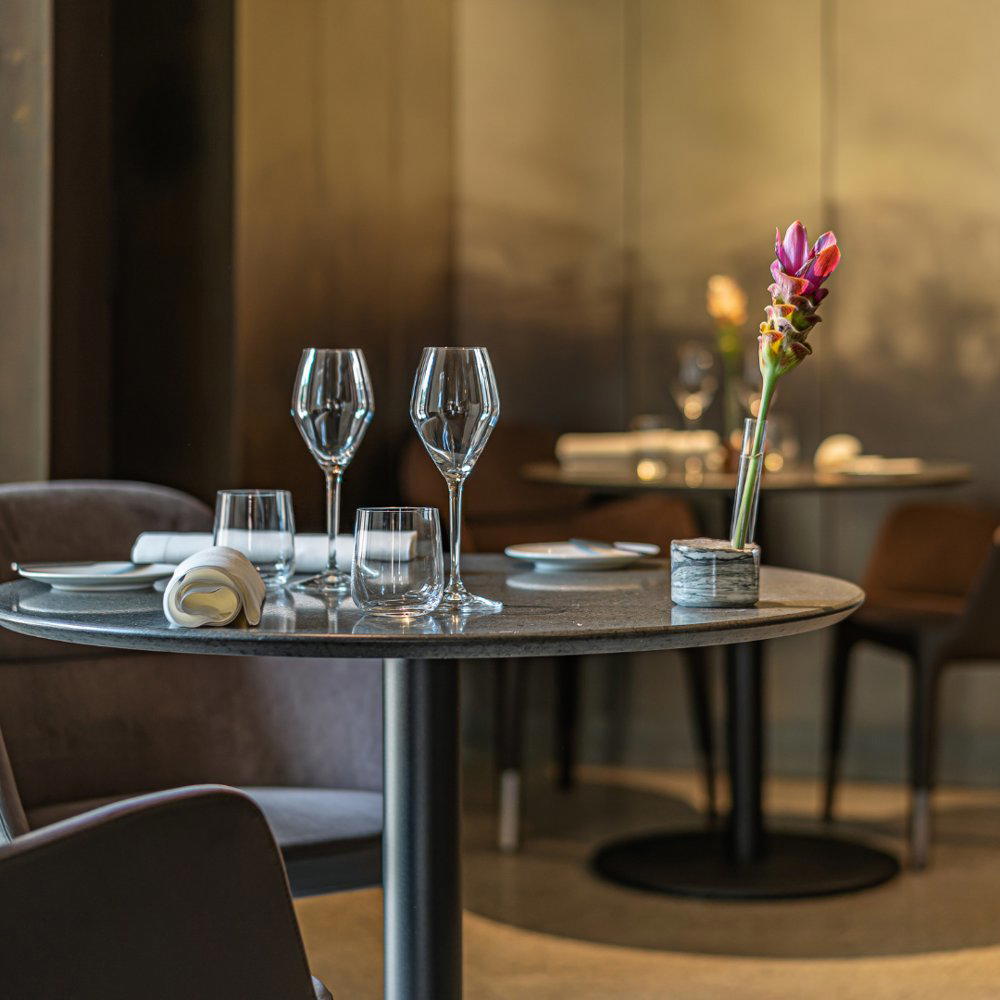
Arriving in Ticciano: What the Hills Above the Peninsula Feel Like Before You Sit Down
The road into Ticciano climbs away from the coastal traffic of the Sorrentine Peninsula and deposits you into a quieter register of the Campanian countryside. Olive trees mark the terraces. The air carries a different weight than it does at sea level. Before you have read a menu or met a waiter, the setting at Via Ticciano, 137 has already done editorial work: this is a restaurant that asks you to slow down, and it has chosen its location deliberately. In a region where fine dining more often anchors itself to harbour views or historic palazzo interiors, a hilltop farmstead address is a positioning statement in itself.
For a broader map of what the area offers across categories, see our full Ticciano restaurants guide, our full Ticciano hotels guide, our full Ticciano bars guide, our full Ticciano wineries guide, and our full Ticciano experiences guide.
The Olive Oil Foundation: Campanian Terroir on the Plate
Campania produces some of Italy's most characterful olive oils, and the peninsula around Ticciano sits within a zone where Ravece and Rotondella cultivars grow at elevations that slow ripening and concentrate bitterness and fruitiness in proportions that reward food rather than bread. The leading Campanian oils press green and arrive at the table with a peppery finish that can carry a dish across its final third. That foundation matters here because the kitchen at Cannavacciuolo Countryside sources from local producers and from the restaurant's own garden, meaning the oil used in cooking is not a commodity input but an ingredient with a specific origin and flavour profile.
This approach sits within a broader Italian fine-dining trend that has moved away from imported French technique-over-ingredient thinking toward what might be called territorial cooking: the idea that a restaurant's credibility is partly a function of how precisely it can trace what it puts on the plate. The Campanian version of that argument centres on olive oil, preserved lemons, buffalo dairy, and coastal fish, but olive oil is the connective tissue. It appears in multiple temperatures and applications across a serious southern Italian menu. Here it is both a cultural reference and a quality signal.
A Menu That Runs North to South
The culinary philosophy at Cannavacciuolo Countryside operates along a geographic axis: ingredients and references drawn from the south of Italy are read through techniques and combinations shaped by the north, specifically by the Piedmontese and Lombard registers that inform the Cannavacciuolo restaurant group's wider body of work. Resident chef Nicola Somma executes that brief, translating Campanian produce through a cross-regional lens. The kitchen draws from local producers and its own garden, reviving preservation and preparation traditions that are specific to this part of the peninsula.
Compare it to the intensely regional focus of Reale in Castel di Sangro, which anchors itself in Abruzzo's internal highlands, or the ingredient-first Adriatic reading at Uliassi in Senigallia. The Campanian coastal context at Quattro Passi in Marina del Cantone offers the closest geographic comparison, though the two restaurants operate with different structural ambitions. The Cannavacciuolo Countryside kitchen's decision to write Italian breadth into a Campanian base makes it somewhat unusual in the one-star tier.
At the three-star end of the same national conversation, kitchens like Osteria Francescana in Modena, Piazza Duomo in Alba, Dal Pescatore in Runate, Le Calandre in Rubano, and Enoteca Pinchiorri in Florence each take a different territorial or technical position. The point is that Italian fine dining is not monolithic. Cannavacciuolo Countryside occupies a specific niche within that diversity: a countryside address, a garden-anchored ingredient sourcing philosophy, and a menu structure that spans the peninsula rather than committing to one region alone.
Mediterranean cuisine at the same price tier appears in other European contexts too: La Brezza in Ascona and Arnaud Donckele and Maxime Frédéric at Louis Vuitton in Saint-Tropez each operate within the broader Mediterranean fine-dining arc, and together they map how the tradition is being interpreted across different national and coastal contexts.
The Wine Selection and Why It Matters in This Setting
Southern Italian wine has undergone significant reappraisal in the past decade. Campania's Fiano di Avellino, Greco di Tufo, and Aglianico del Taburno are now serious reference points for sommeliers who ten years ago would have filed the region under holiday drinking. A restaurant in this location with an evolving wine list has access to producers whose work has only recently reached wider critical recognition. The wine selection at Cannavacciuolo Countryside is described as continually evolving, which at this price point (€€€€) implies a list built with genuine curatorial intent rather than a fixed cellar rotating slowly.
For context, the relationship between Campanian wine and the food traditions of this peninsula is close. The acidity profiles of the white varieties cut cleanly through dishes built on buffalo dairy, seafood, and olive oil. The red varieties, particularly those from Taurasi, carry enough structure to hold against preserved and cured preparations. A wine list that takes this regional context seriously rather than defaulting to Piedmont or Tuscany as the default prestige reference makes a different argument about where Italian wine's centre of gravity is moving.
The 2024 Michelin Star and What It Signals
Cannavacciuolo Countryside received its first Michelin star in 2024, which places it in the early phase of formal recognition. The timing is relevant: a new star typically reflects a kitchen that has reached consistency, not one that has been coasting on an established reputation. That convergence is not automatic at this price tier, where starred restaurants sometimes generate divided opinion between critics and paying guests. Here the signals point the same direction.
Among Italy's starred restaurants outside the major urban centres, the ability to draw guests to a countryside address is itself a competitive variable. Atelier Moessmer Norbert Niederkofler in Brunico operates at the three-star level in the South Tyrol mountains, demonstrating that destination dining away from city infrastructure can sustain the highest recognition. Enrico Bartolini in Milan and Casa Perbellini 12 Apostoli in Verona represent the urban end of the same starred spectrum. Cannavacciuolo Countryside sits in a different category: semi-rural, garden-grounded, with an address that requires commitment from the guest.
Planning Your Visit
Cannavacciuolo Countryside is located at Via Ticciano, 137, in the small settlement of Ticciano in the Naples metropolitan area, above the Sorrentine Peninsula town of Vico Equense. Given the rural address and the price tier (€€€€), advance reservations are the practical baseline; walk-in access at this level and location is not a realistic expectation. The 2024 Michelin star will have increased forward booking demand, so planning several weeks ahead is prudent. The setting, the garden ingredient sourcing, and the positioning of the menu all point toward spring and autumn as periods when the kitchen's local supply is at its most varied, though that is a structural observation about the Campanian growing calendar rather than a venue-specific claim.
Frequently asked questions
What price level is Cannavacciuolo Countryside?
Pricing at Cannavacciuolo Countryside is listed as €€€€.
What part of town is Cannavacciuolo Countryside in?
Cannavacciuolo Countryside is located at Via Ticciano, 137, 80069 Ticciano NA, Italy, Ticciano.
| Venue | Cuisine | Price | Awards | Notes |
|---|---|---|---|---|
| Cannavacciuolo CountrysideThis venue — the venue you are viewing | Modern Italian Fine Dining | $150–200 | 1 Michelin Star | Not listed |
| Atelier Moessmer Norbert Niederkofler | Italian, Creative | Not listed | Michelin 3 Star | Not listed |
| Dal Pescatore | Italian, Italian Contemporary | Not listed | Michelin 3 Star | Not listed |
| Enoteca Pinchiorri | Contemporary Italian Fine Dining | $200–300 | 3 Michelin Stars · World's 50 Best #32 | Italian - French, Italian Contemporary |
| Enrico Bartolini | Creative | Not listed | Michelin 3 Star | Not listed |
| Osteria Francescana | Avant-Garde Italian Contemporary | $300–500 | 3 Michelin Stars · World's 50 Best #1 | Progressive Italian, Creative |
Recognition history
Dated appearances from independent guides and award organizations, with the underlying list record or original source where available.
Michelin 1 Star
Michelin
Opinionated About Dining Top Restaurants in Europe Recommended
Opinionated About Dining
Full recognition history (5 entries)
Opinionated About Dining Newly Added European Restaurants
Opinionated About Dining
Michelin 1 Star
Michelin
Michelin 1 Star
Michelin
Continue exploring
More in Ticciano
Restaurants in Ticciano
Browse all →
Bars in Ticciano
Browse all →
Hotels in Ticciano
Browse all →
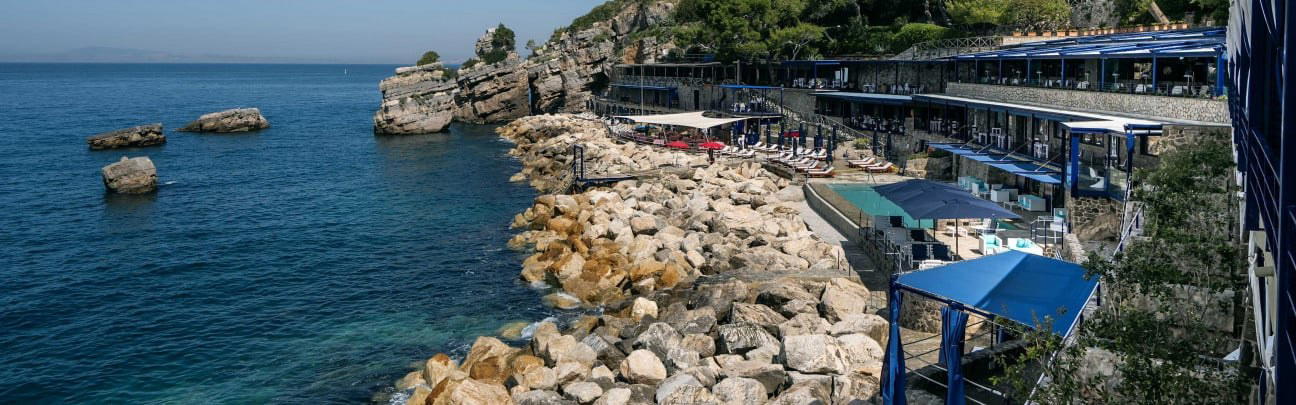
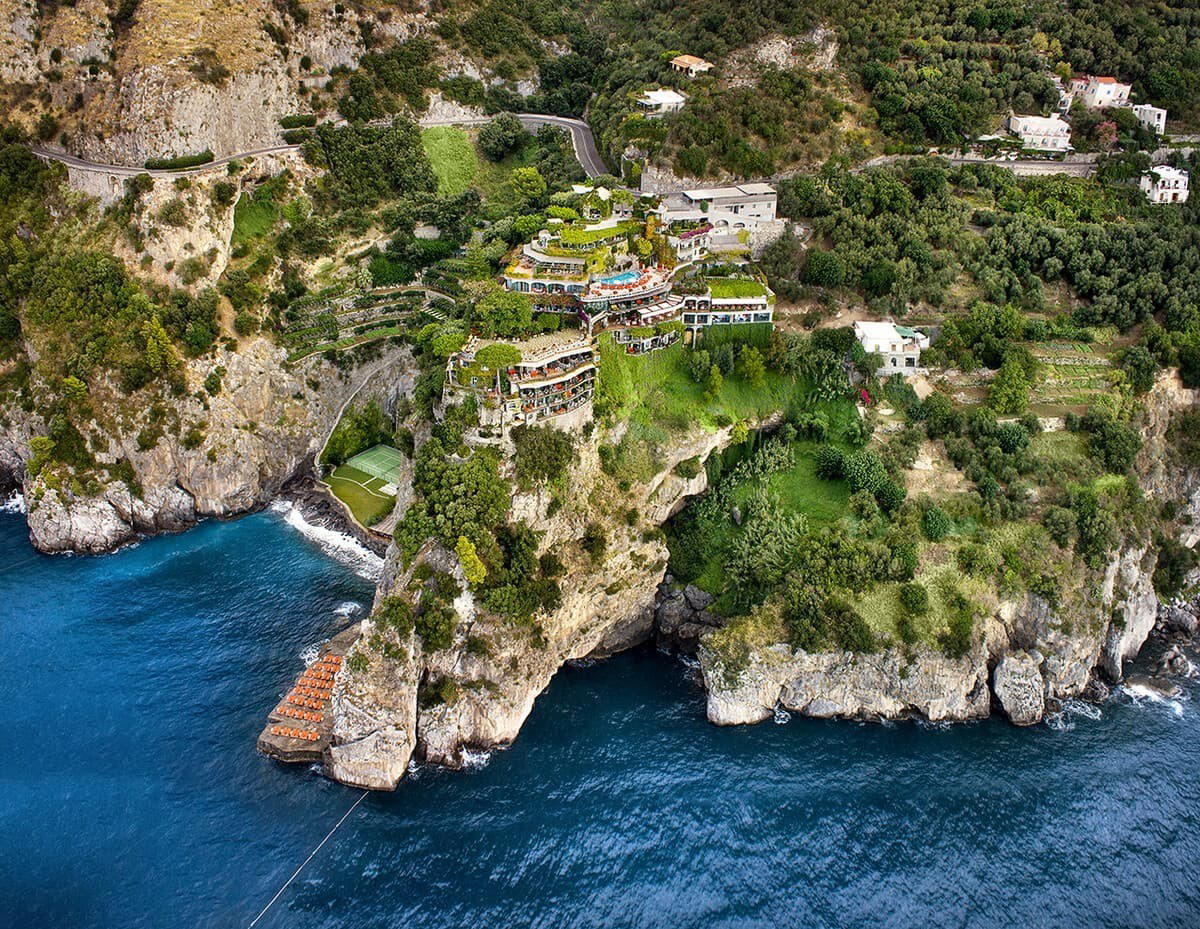
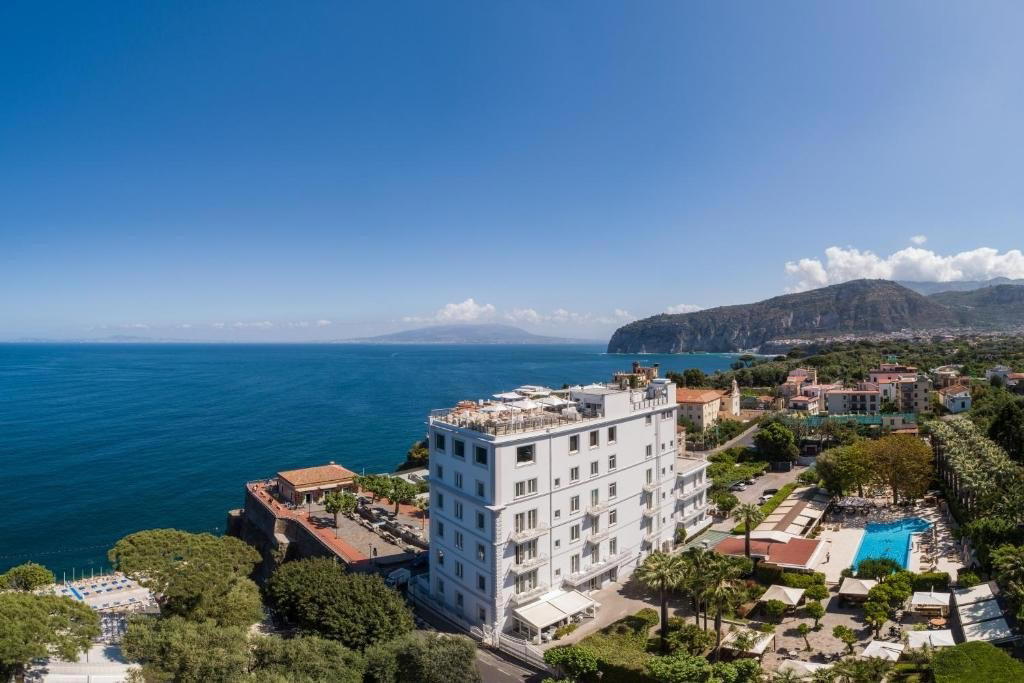
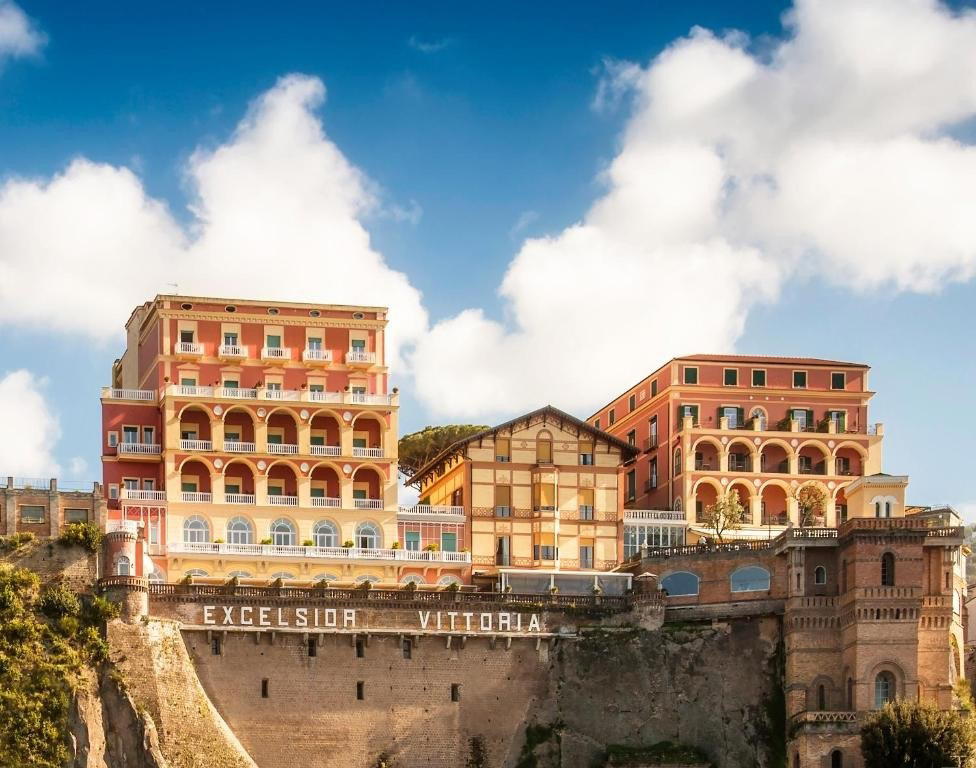
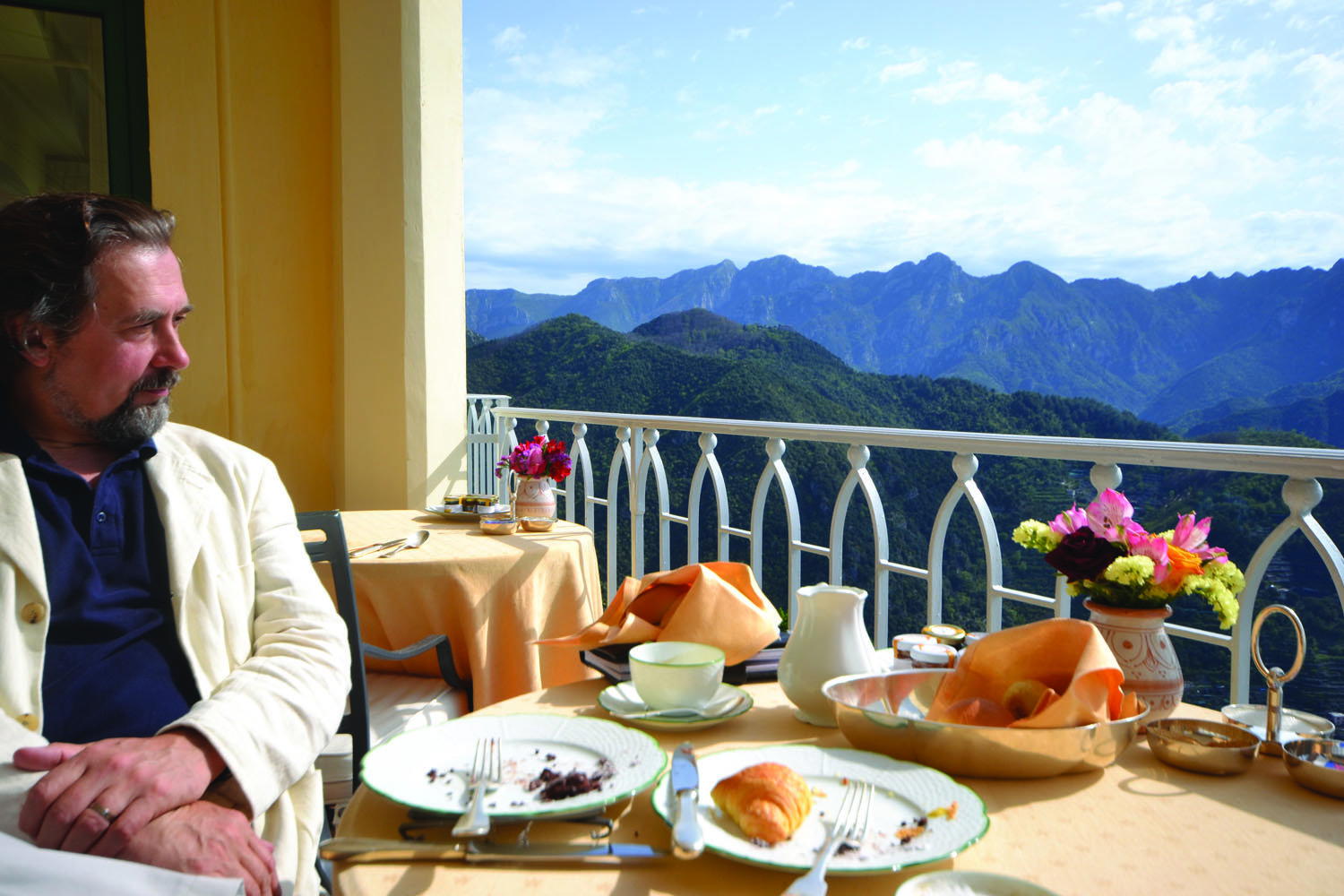

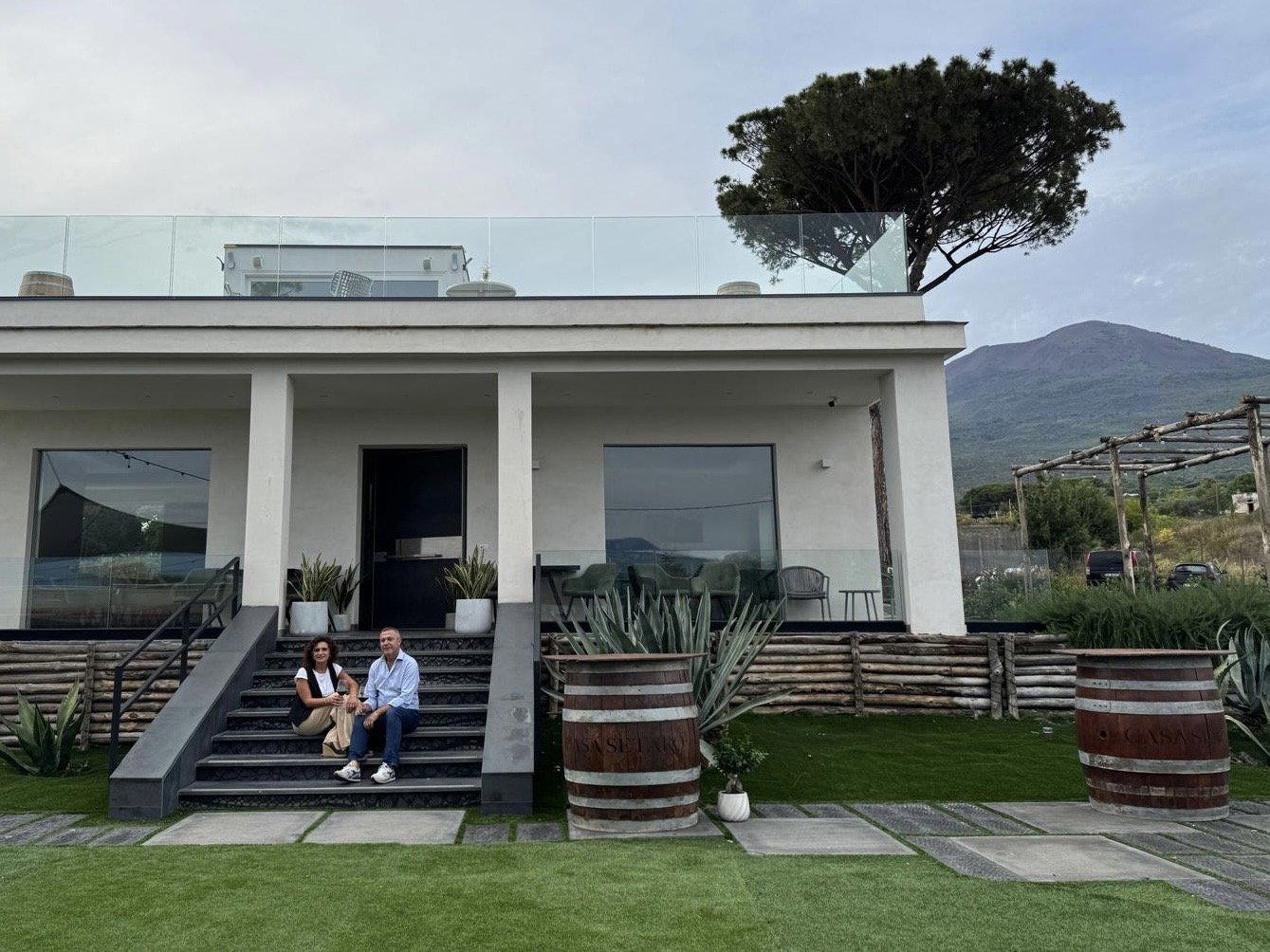
Cannavacciuolo Countryside
The wine
- Wine program
- Exceptional wine program
- Extensive wine list
- Sommelier-led
Details
- Romantic
- Elegant
- Rustic
- Scenic
- Cozy
- Sophisticated
- Intimate
- Date Night
- Special Occasion
- Celebration
- Garden
- Historic Building
- Hotel Restaurant
- Extensive Wine List
- Sommelier Led
- Farm To Table
- Local Sourcing
- Garden
- Mountain
- Tasting Menu
- A La Carte
- Vegetarian Friendly
Sunlight lingers across stone and wood in a dining room of quiet luxury, scented with garden herbs, offering a gentle hush of the countryside with polished yet warm service.