Numero 28 Pizzeria
Carmine Street's Numero 28 has been a Greenwich Village fixture in New York's Neapolitan pizza conversation, drawing regulars with a direct approach to sourced ingredients and a format that resists the city's tasting-menu drift. The address alone, 28 Carmine St, places it in one of downtown Manhattan's most densely competitive pizza corridors, where reputation is built slowly and defended ingredient by ingredient.
Pearl is the En Primeur Club membership app — saves, bookings, and concierge access live there. Same editors, same standards.
- Address
- 28 Carmine St, New York, NY 10014
- Phone
- +12124639653
- Website
- opentable.com
- Directions
- Get directions
 Saves & bookings on Pearl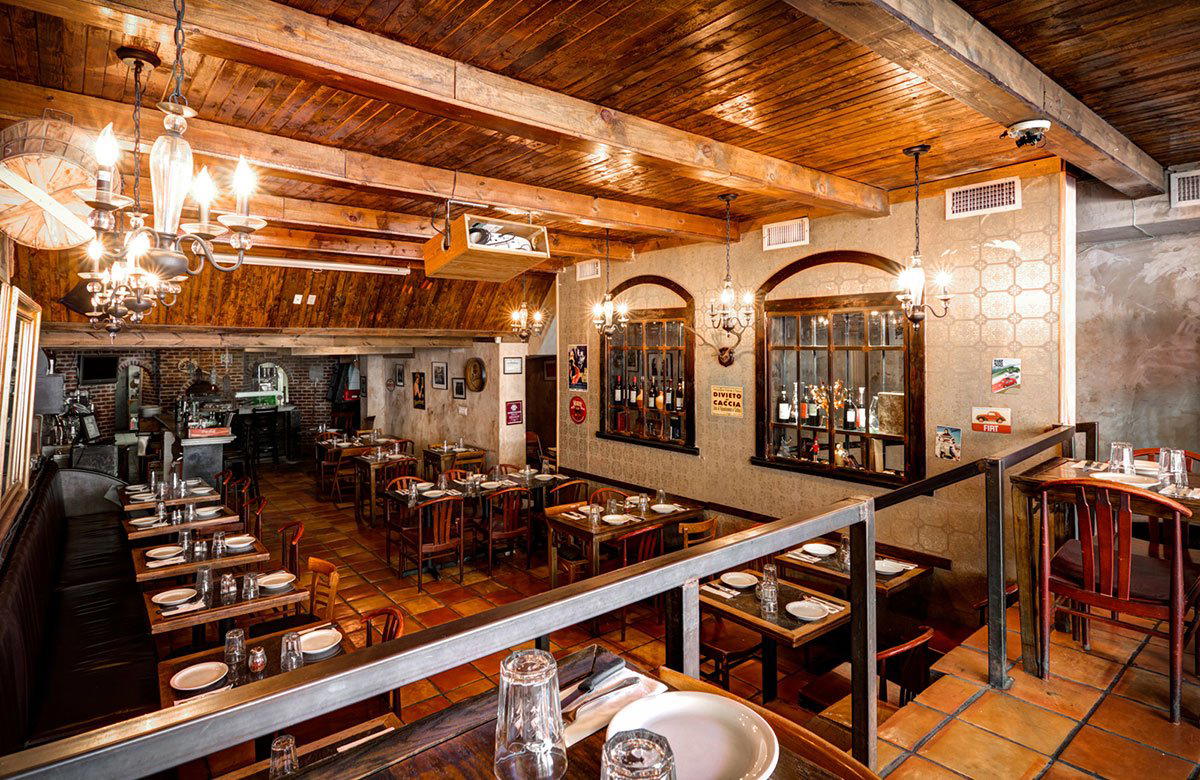
Greenwich Village and the Neapolitan Standard
Numero 28 Pizzeria is a Neapolitan pizza restaurant at 28 Carmine St, New York, NY 10014, with. The city sustains at least three recognisable traditions: the thin, foldable coal-oven slice of the outer boroughs; the high-hydration, wood-fired Neapolitan interpretation that migrated downtown through the early 2000s; and a newer generation of fermentation-forward operations that treat crust development as a technical discipline equal to anything happening at the tasting-menu counters on the Upper West Side. Numero 28 Pizzeria, at 28 Carmine Street in Greenwich Village, sits inside the Neapolitan lineage. That address puts it in a neighbourhood where the pizza conversation has been ongoing for decades and where diners are not easily impressed by provenance claims alone.
Greenwich Village has always operated as a culinary counterweight to Midtown's formal dining register. While Le Bernardin, Per Se, and Masa anchor a tier of dining measured in tasting courses and four-figure bills, the Village sustains a parallel seriousness around simpler forms. Pizza, done at a high level, belongs to that parallel track. The neighbourhood's density of independent operators means that longevity functions as its own credential: a Carmine Street address that persists across years is making a case by survival alone.
The Sourcing Question in Neapolitan Pizza
The ingredient-sourcing debate in Neapolitan pizza has sharpened considerably over the past decade. Certified Neapolitan operators in New York have increasingly leaned on imported Italian inputs, type 00 flour milled to Neapolitan spec, San Marzano tomatoes grown in Campanian volcanic soil, fior di latte from southern Italian dairies, as the baseline for credibility. The argument is partly agronomic: the mineral profile of San Marzano tomatoes grown in the shadow of Vesuvius produces an acidity and sweetness that domestic alternatives have not consistently replicated. The argument is also partly cultural, a claim that the dish cannot be fully separated from its ingredient geography.
This sourcing logic connects Neapolitan pizza to a broader conversation happening across American fine dining. Blue Hill at Stone Barns in Tarrytown has made ingredient provenance the organising principle of an entire tasting format. Single Thread Farm in Healdsburg integrates estate farming into its menu at every tier. In each case, the sourcing decision is presented as the editorial statement, not the technique that follows. Neapolitan pizza in New York operates under a similar logic, even if the price point sits two categories lower. Where the dough comes from, how the tomatoes are processed, and whether the mozzarella is freshly pulled or transported, these are the questions serious pizza operators are expected to answer.
For comparison, the sourcing commitments visible at operations like Emeril's in New Orleans or Providence in Los Angeles demonstrate that ingredient transparency has become a marker of quality across formats and price tiers, not just in white-tablecloth settings. Pizza is not exempt from that expectation in a city as ingredient-literate as New York.
Carmine Street as a Competitive Address
The West Village and the blocks immediately east along Carmine, Bleecker, and Cornelia have functioned as New York's most concentrated pizza testing ground for years. Operators on this corridor compete for the same foot traffic and the same critical attention. The proximity creates a self-reinforcing standard: a pizzeria that cannot hold its own against neighbours operating at a similar price point does not last. The neighbourhood's residential density also means a strong repeat-visit customer base, which disciplines quality over time in ways that tourist-facing locations do not always require.
Numero 28's Carmine Street position places it inside that competitive corridor. The address is specific enough to matter: 28 Carmine is walkable from the major subway interchanges at West 4th Street and Christopher Street-Sheridan Square, making it accessible without being a destination that requires planning.
Where Numero 28 Fits in the Broader New York Picture
New York's dining spectrum in 2024 spans from the $400-plus omakase counters favoured by the city's finance and tech audience to neighbourhood operations that derive their authority from consistency and ingredient honesty rather than theatrics. Atomix and Jungsik New York operate in a tier where the tasting-menu format is the vehicle for technique and sourcing ambition. Numero 28 operates in a different register entirely, where the same values, where the ingredient came from, how it was handled, are expressed through a format with no white tablecloth and no tasting menu.
That distinction matters because it clarifies the comparison set. Numero 28 is not competing with Alinea in Chicago or The Inn at Little Washington or Addison in San Diego. Its peer group is the cluster of serious Neapolitan and Roman-style pizza operations that have established credibility in New York over the past fifteen years. Within that peer group, longevity, sourcing transparency, and address quality are the measures that count.
The contrast with more technical Italian dining is clear, but the same ingredient discipline still matters here. But the sourcing discipline at the ingredient level is not entirely different; it is just expressed at a different scale. The Neapolitan tomato is the same tomato whether it arrives at a three-Michelin-star kitchen or a twelve-table room on Carmine Street.
Know Before You Go
- Address: 28 Carmine St, New York, NY 10014
- Neighbourhood: Greenwich Village, Manhattan
- Nearest subway: West 4th St (A/C/E/B/D/F/M) or Christopher St-Sheridan Sq (1)
- Price range: About $25 per person
- Hours: Mon: 12–11 PM; Tue: 12–11 PM; Wed: 12–11 PM; Thu: 12–11 PM; Fri: 12 PM–12 AM; Sat: 12 PM–12 AM; Sun: 12–11 PM
Comparable Spots
Comparable venues nearby, for context on price, style, and recognition.
| Venue | Cuisine | Price | Notes |
|---|---|---|---|
| Numero 28 PizzeriaThis venue — the venue you are viewing | Neapolitan Pizza | $$ | Not listed |
| Bicchiere | Northern Italian Wine & Pasta Bar | $$ | Upper East Side |
| Parm Mulberry Street | Italian-American Soul Food | $$ | SoHo-Little Italy-Hudson Square |
| Gigino Trattoria | Classic Italian Trattoria | $$ | Tribeca-Civic Center |
| Bacaro | Venetian Cicchetti Tavern | $$ | Chinatown-Two Bridges |
| Zia Maria Chelsea | Authentic Neapolitan Pizza & Italian Classics | $$ | Chelsea-Hudson Yards |
Continue exploring
More in New York City
Restaurants in New York City
Browse all →
Bars in New York City
Browse all →
Hotels in New York City
Browse all →






At a Glance
- Cozy
- Rustic
- Trendy
- Date Night
- Casual Hangout
- Open Kitchen
Current opening hours
- Monday
- 12–11 PM
- Tuesday
- 12–11 PM
- Wednesday
- 12–11 PM
- Thursday
- 12–11 PM
- Friday
- 12 PM–12 AM
- Saturday
- 12 PM–12 AM
- Sunday
- 12–11 PM
Hours can change for holidays and private events. Last verified .
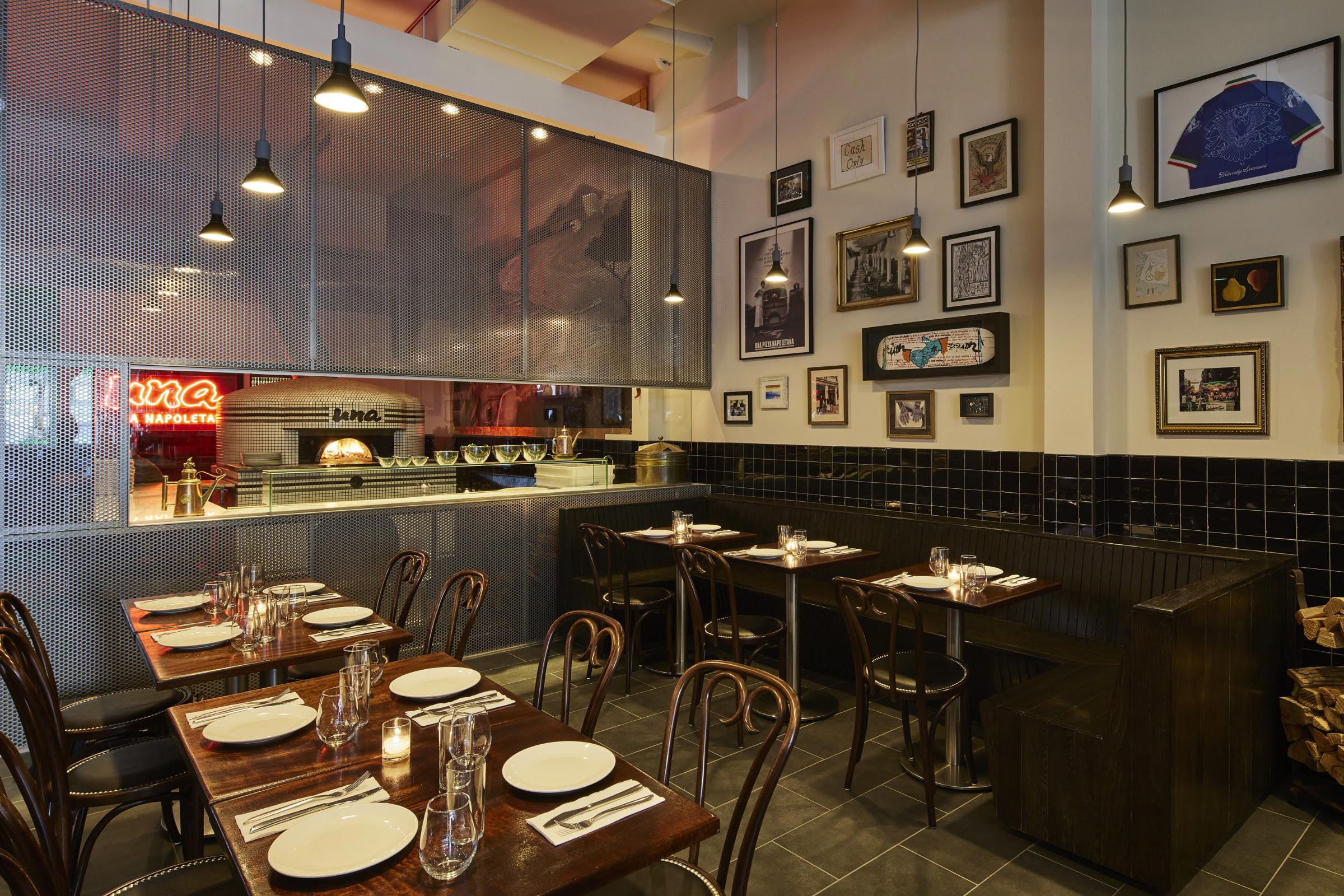
Cozy and inviting with rustic warm atmosphere and Italian-speaking staff.