Parm Mulberry Street
On Mulberry Street in NoLita, Parm sits in a neighbourhood whose Italian-American dining heritage runs deeper than most of Manhattan's trendier corridors. Where the city's top tasting-menu rooms like Le Bernardin and Eleven Madison Park trade in formal progression, Parm operates in a different register: red-sauce classics, generous portions, and a room that feels earned rather than designed.
Pearl is the En Primeur Club membership app — saves, bookings, and concierge access live there. Same editors, same standards.
- Address
- 248 Mulberry St, New York, NY 10012
- Phone
- +1 212 993 7189
- Website
- parmitalian.com
- Directions
- Get directions
 Saves & bookings on Pearl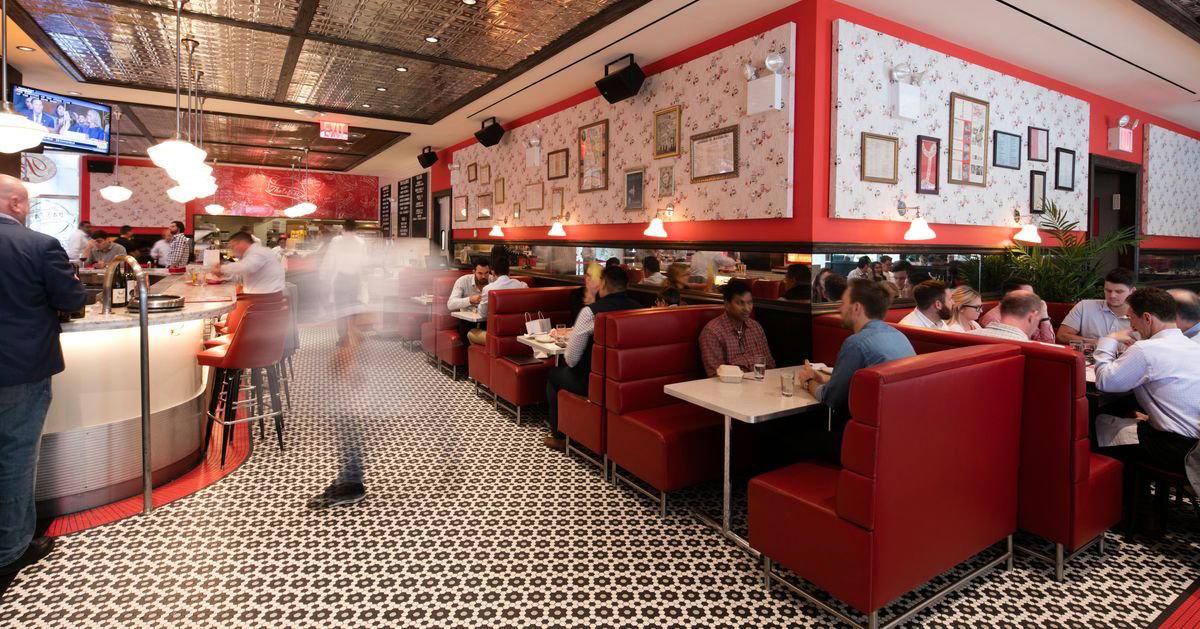
Mulberry Street and the Weight of a Neighbourhood
Walk south on Mulberry Street through NoLita and the architecture alone tells you something about the cooking you're about to encounter. The block between Spring and Prince has housed Italian grocers, social clubs, and family restaurants since the late nineteenth century, and the physical fabric of the street, narrow storefronts, low ceilings, the particular way sound bounces off brick, has shaped the dining formats that survive here. What works on Mulberry Street is not what works in Midtown. The room has to carry its own weight, and the food has to match the room.
Parm Mulberry Street at 248 Mulberry St is an Italian-American restaurant in NoLita, New York City. It operates inside that tradition rather than against it. The Italian-American red-sauce canon, chicken parm, meatball heroes, iceberg wedges, properly dressed pasta, is not a nostalgic detour here. It is the operating premise. In a city where the ambitious tasting-menu tier (represented by rooms like Le Bernardin, Atomix, and Per Se) commands serious critical attention, the casual Italian-American counter occupies a different space in the city's dining ecology. Parm sits at the more approachable end of that spectrum without abandoning the craft that gives the format its credibility.
The Arc of the Meal
Italian-American dining at this level works well when understood as a sequence rather than a collection of individual dishes. The meal at Parm follows a logic that the cuisine's mid-century heyday codified: something cold and sharp to open, a carbohydrate anchor in the middle, protein as the main event, and enough richness by the end that dessert functions as punctuation rather than conclusion.
That sequencing matters because each course sets conditions for the next. A properly dressed iceberg wedge, cold, fatty from the dressing, acidic from the tomato, prepares the palate for the weight of a breaded cutlet. The chicken parmigiana that Parm has built its downtown reputation on is the kind of dish that collapses under scrutiny if the breadcrumb crust is soggy, the tomato sauce is too sweet, or the mozzarella is applied without regard for how it behaves under heat. Getting it right is a calibration exercise that most kitchens underestimate.
The hero sandwich format, a category that New York takes more seriously than almost any other American city, extends the same logic into a handheld register. The bread-to-filling ratio, the structural integrity under sauce, the temperature management between hot protein and cold garnish, these are the variables that separate a hero worth eating from one that collapses after the second bite. Parm's approach to this format is part of why the address has developed the following it has among downtown regulars.
For comparison, places like Lazy Bear in San Francisco or Smyth in Chicago apply similar discipline to different culinary frameworks. The tasting-progression logic is the same; the register is different. Parm's version is louder, less reverential, and considerably less expensive, but the underlying seriousness about sequence and balance is recognisable to anyone who thinks carefully about how meals are constructed.
Where NoLita Fits in New York's Dining Map
NoLita occupies a specific position in Manhattan's restaurant geography. It is not the Lower East Side, with its late-night bar-dining energy and rotating international formats. It is not SoHo, where the room-as-spectacle dynamic often overshadows the cooking. NoLita's dining character tends toward the neighbourhood-fixture model: smaller rooms, more repeat business, menus that hold still long enough for regulars to have preferences.
That neighbourhood-fixture dynamic suits Parm's format. The Italian-American category in New York is crowded at every price point, but the operators who last on blocks like Mulberry Street tend to be the ones who understand that consistency is the product. A tourist who visits once needs a reason to choose you. A local who visits forty times a year needs a reason not to leave.
Across the wider American dining scene, the casual Italian-American format has proved more durable than many critics predicted when the tasting-menu boom of the 2000s reshaped fine dining expectations. Rooms like Emeril's in New Orleans and Frasca Food and Wine in Boulder demonstrate how Italian-influenced cooking anchors itself to local identity at different price tiers. At the formal end, the discipline of The French Laundry or Eleven Madison Park operates in a separate universe. Parm's value is that it doesn't try to compete with that tier, it plays a different game and plays it well.
Internationally, the tradition of regional Italian cooking served without ceremony has strong parallels at places like Dal Pescatore in Runate, where family-run formality operates at a different altitude but with the same commitment to the canon.
Planning Your Visit
NoLita restaurants at this price point tend to run at capacity on weekend evenings from mid-autumn through spring, when the neighbourhood's indoor-dining demand is highest. Weekday lunches on Mulberry Street move faster and quieter, which suits the hero sandwich format better than a crowded Saturday dinner service.
Parm offers a deliberate gear-change. It is the kind of meal that reminds you what the city's dining culture looked like before the tasting-menu tier defined the conversation, and why that earlier tradition has proved harder to displace than anyone expected.
Comparable experiences in the farm-to-table and destination-dining tier, Single Thread Farm in Healdsburg, Providence in Los Angeles, Addison in San Diego, The Inn at Little Washington, or Atelier Moessmer Norbert Niederkofler in Brunico, operate with different ambitions, but the underlying principle of a meal built on a clear internal logic applies across all of them. Parm's version of that logic is just louder, saucier, and served on Mulberry Street.
Compact Comparison
Comparable venues nearby, for context on price, style, and recognition.
| Venue | Cuisine | Price | Notes |
|---|---|---|---|
| Parm Mulberry StreetThis venue — the venue you are viewing | Not listed | $$ | Not listed |
| La Bella Vita | Not listed | $$ | SoHo-Little Italy-Hudson Square, Authentic Italian |
| John's of 12th Street | Not listed | $$ | East Village, Old-School Red-Sauce Italian |
| Noodle Pudding | Brooklyn Heights, Traditional Italian | $$ | Not listed |
| La Pecora Bianca | Not listed | $$ | Midtown South-Flatiron-Union Square, Modern Italian |
| Bar Camillo | Not listed | $$ | Bedford-Stuyvesant (West), Roman Pinsa |
Continue exploring
More in New York City
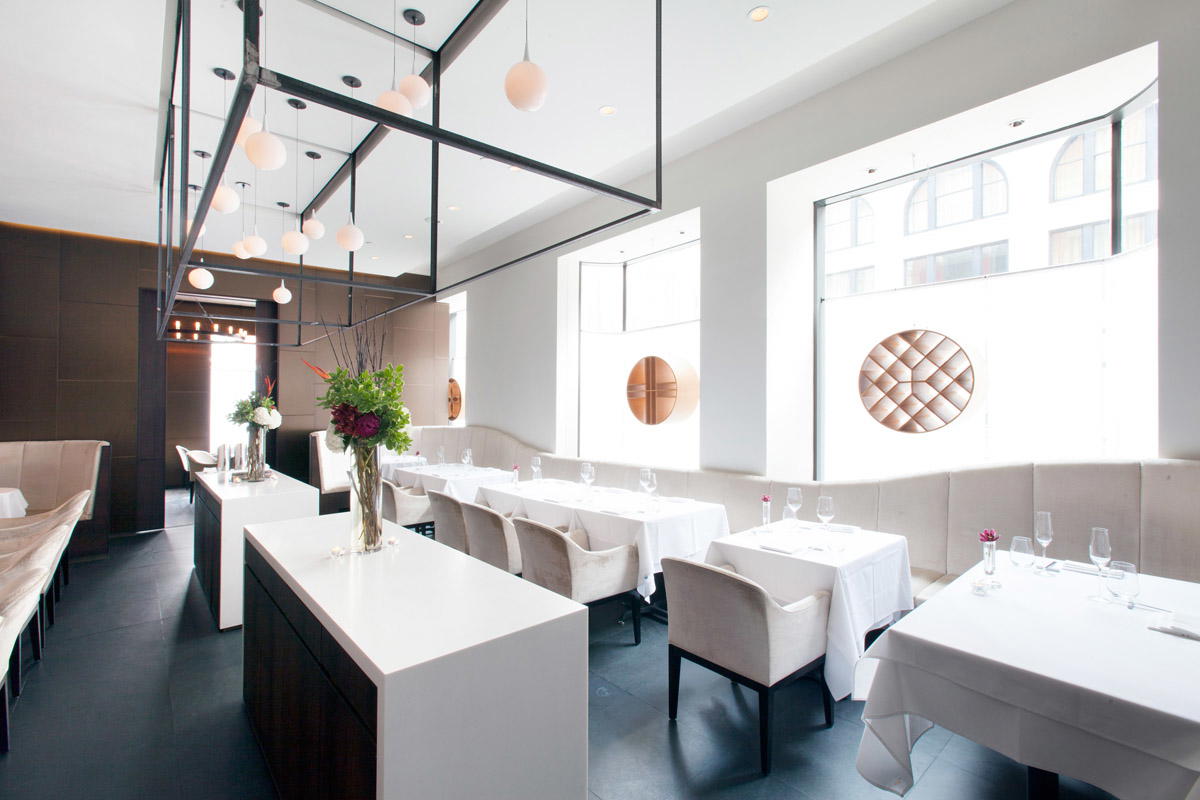
Restaurants in New York City
Browse all →
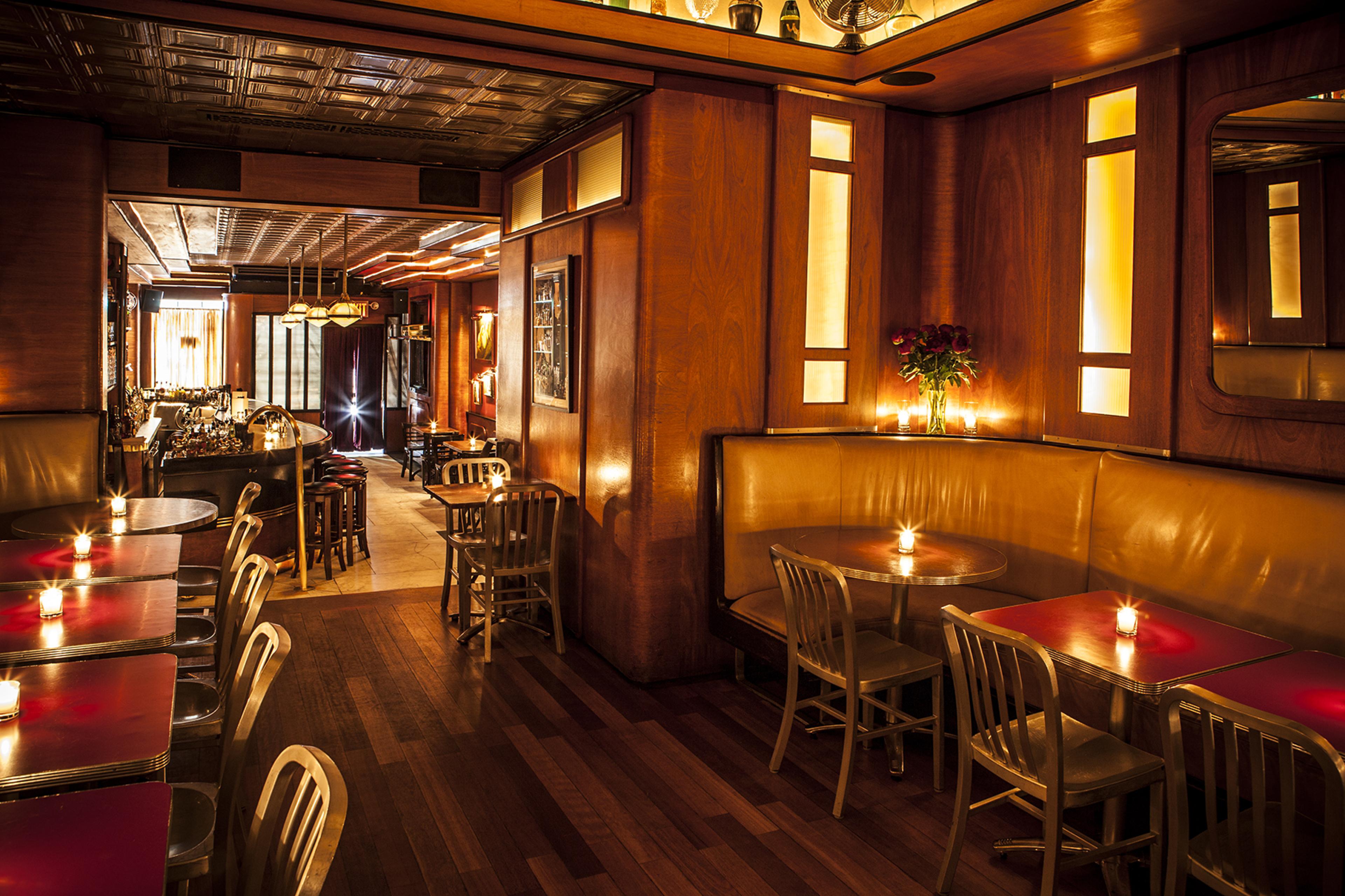
Bars in New York City
Browse all →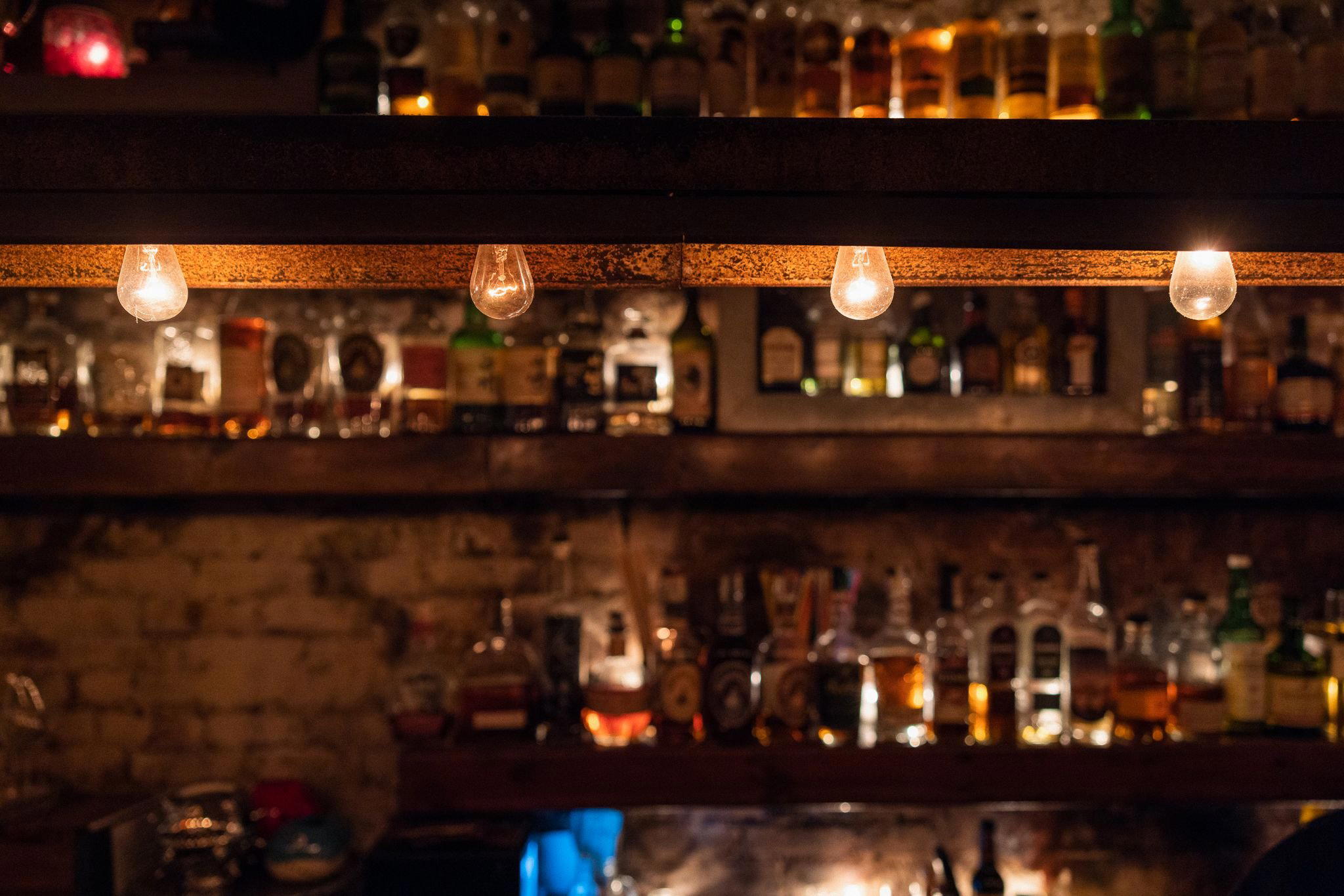
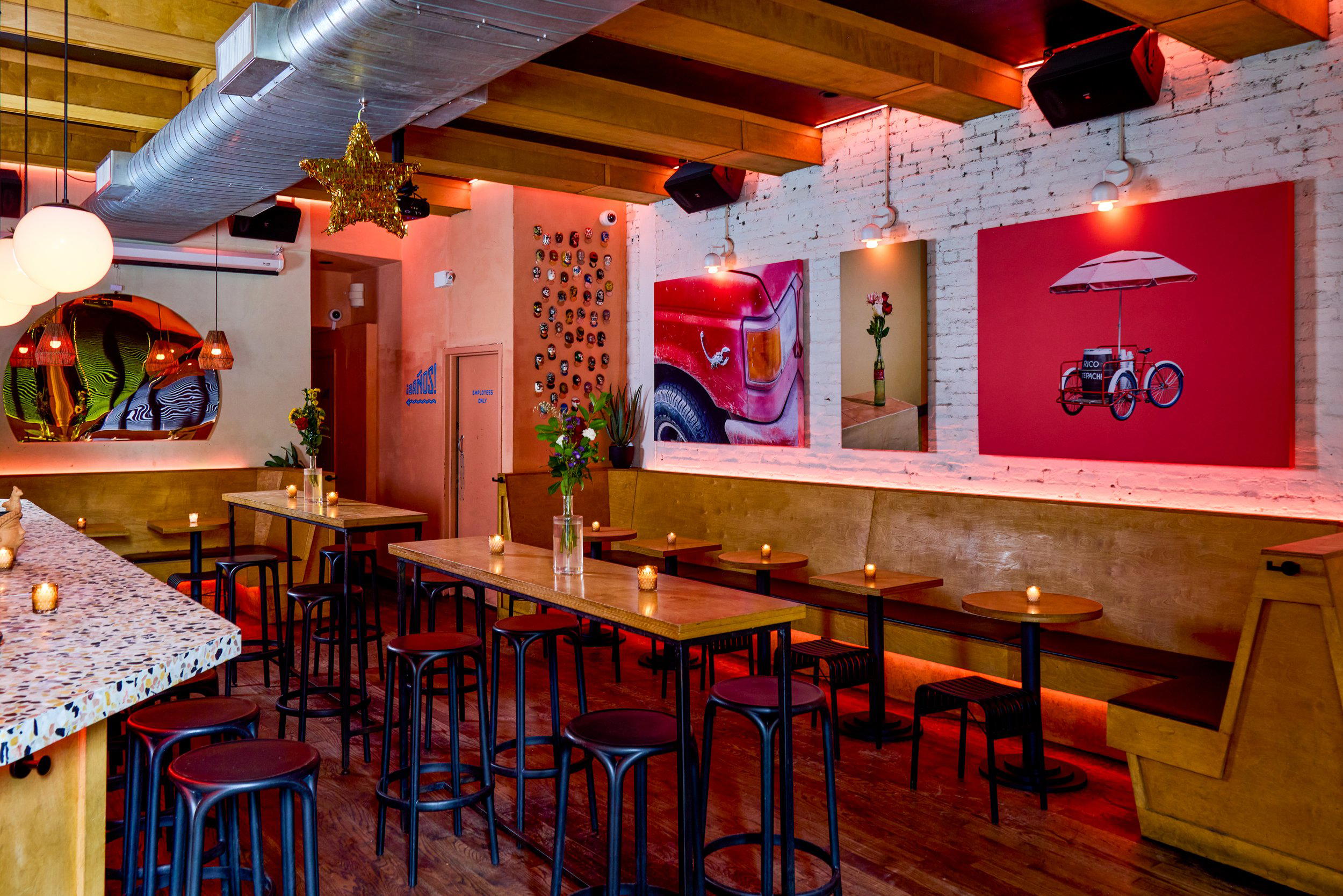
Hotels in New York City
Browse all →




At a Glance
- Classic
- Well Known
- Lively
- Casual
- Casual Hangout
- Group Dining
- Standalone
- Open Kitchen
- Beer Program
- Local Sourcing
Current opening hours
- Monday
- 11 AM–10 PM
- Tuesday
- 11 AM–10 PM
- Wednesday
- 11 AM–10 PM
- Thursday
- 11 AM–10 PM
- Friday
- 11 AM–10 PM
- Saturday
- 11 AM–10 PM
- Sunday
- 11 AM–10 PM
Hours can change for holidays and private events. Last verified .
Retro diner aesthetic with vintage wallpaper and red vinyl counter stools; casual, familial, and energetic with frequent lines due to devoted following and compact space.