Gigino Trattoria
A long-running TriBeCa trattoria at 323 Greenwich Street, Gigino occupies a corner of downtown Manhattan where neighborhood regulars and Italian-food devotees have gathered for years. The room trades on the kind of unfussy comfort that disappears from cities as rents rise, making it a useful counterpoint to the tasting-menu circuit that dominates New York dining conversation. For Italian cooking at a neighborhood pace, it holds its ground.
Pearl is the En Primeur Club membership app — saves, bookings, and concierge access live there. Same editors, same standards.
- Address
- 323 Greenwich St, New York, NY 10013
- Phone
- +12124311112
- Website
- gigino-trattoria.com
- Directions
- Get directions
 Saves & bookings on Pearl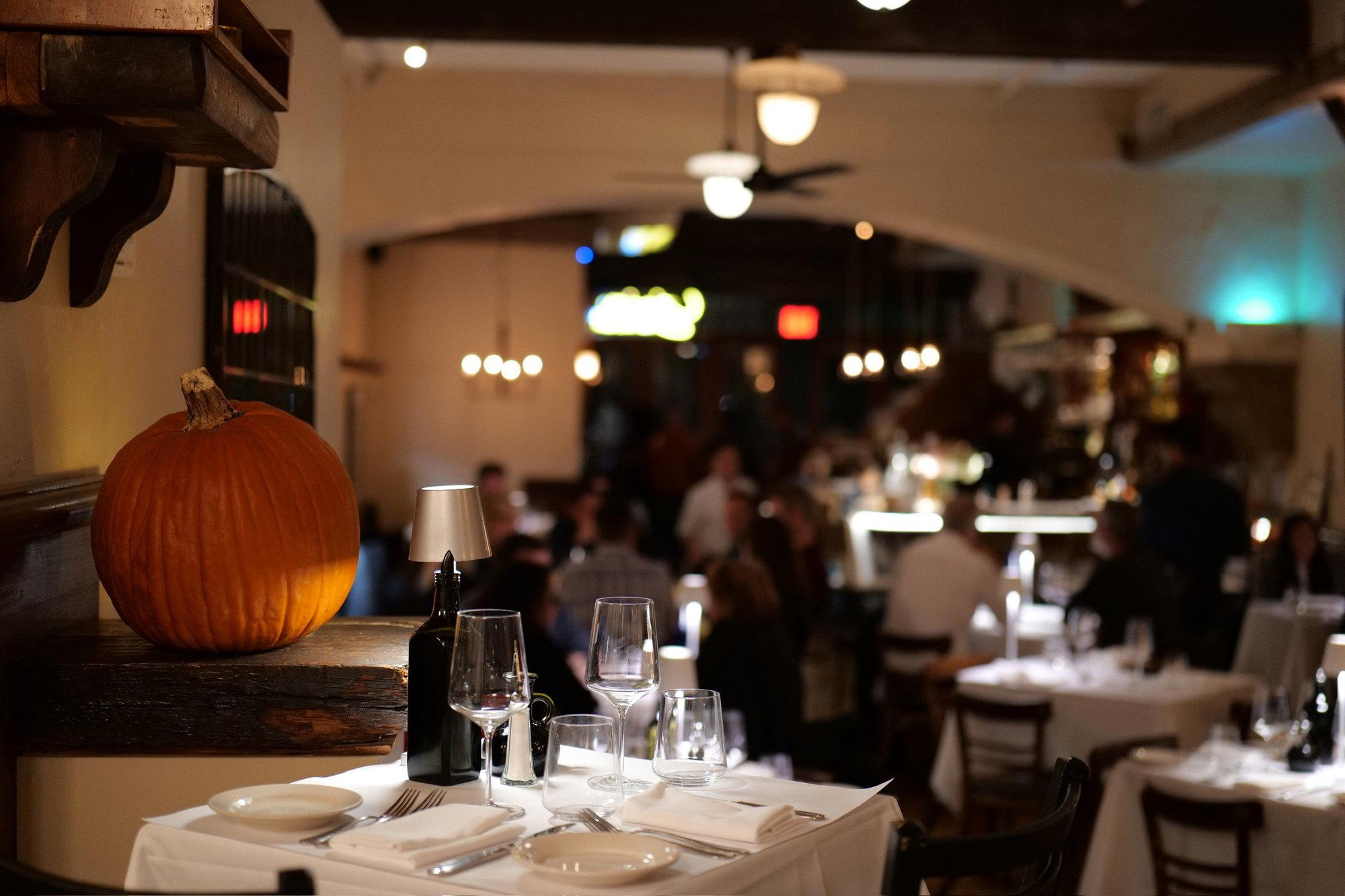
TriBeCa's Italian Anchor in a City of Tasting Menus
Downtown Manhattan's dining identity has shifted considerably over the past two decades. TriBeCa, once a quiet pocket of converted warehouses and working artists, now sits inside among the more expensive zip codes in the country, and the restaurants that have survived the transformation tend to fall into one of two camps: destination tasting rooms priced at several hundred dollars per head, or neighborhood fixtures that predate the neighborhood's reinvention and have simply held on. Gigino Trattoria, at 323 Greenwich Street, is a Classic Italian Trattoria in New York City with. It belongs to the second category. In a borough where places like Le Bernardin, Eleven Madison Park, and Masa define the upper tier of the dining conversation, a trattoria that operates on a different register entirely is worth understanding on its own terms.
The broader context matters here. New York's Italian restaurant category is genuinely stratified. At one end sit multi-course modern Italian rooms with imported ingredients, deep Barolo cellars, and sommeliers who trained in Piedmont. At the other end sits the city's vast stock of red-sauce institutions, some of which are excellent and some of which coast on nostalgia. Gigino occupies the middle ground that is hardest to characterize but often most useful to know: a trattoria format with a downtown address, operating at the kind of pace that prioritizes regulars over reservations theater.
The Wine List as Editorial Statement
In Italian dining, the wine program is often the clearest signal of how seriously a kitchen takes the regional traditions it claims to represent. A list built primarily on recognizable Chianti Classico and Pinot Grigio, padded with California imports, reads as a concession to commercial pressure. A list that works through the Italian peninsula with some specificity, including producers from Friuli, Campania, or Sicily alongside the expected Tuscany and Piedmont anchors, suggests a kitchen that understands Italian food as a geographic argument rather than a category.
Trattorie in New York that take their wine programs seriously occupy a distinct niche from the full-tasting-menu rooms. Places like Frasca Food and Wine in Boulder have demonstrated that the Italian regional wine format can carry serious critical weight outside Italy; within New York, the standard is set by establishments that treat the cellar as an extension of the kitchen's sourcing philosophy. The question for any trattoria at Gigino's price point and location is whether the wine list functions as a genuine guide to Italian production or as a transactional afterthought.
Italian wine's regional complexity rewards exactly the kind of curation that a long-running neighborhood room can build over time. Producers in Etna, the Langhe, Soave Classico, and Abruzzo each tell a distinct story about soil, climate, and indigenous grape varieties. A list that pulls from those threads, even selectively, gives a table something to talk about beyond the food itself. For visitors already familiar with the tasting-menu circuit at Per Se or Atomix, a trattoria wine list with genuine regional depth offers a different kind of satisfaction: less ceremony, more direct access to the bottle.
The TriBeCa Room and Its comparable set
Greenwich Street in TriBeCa runs through a neighborhood that has grown more residential and less bohemian with each passing year. The block where Gigino sits reflects that shift: the surrounding streets are quiet in the way that expensive neighborhoods tend to be, populated by long-term residents who know which tables to ask for and which nights to avoid. This is relevant because the trattoria format, more than almost any other restaurant category, depends on a reliable local base. A trattoria without regulars is just a restaurant with checked tablecloths.
In the broader national Italian dining conversation, the comparison set for a TriBeCa trattoria is instructive. Dal Pescatore in Runate, a three-Michelin-starred institution in Lombardy's Po Valley, represents Italian regional cooking taken to its most considered extreme: a single family, decades of continuity, an extraordinary cellar. New York's Italian rooms cannot replicate that depth of place, but the better ones import something of the underlying logic, an insistence that food and wine belong to a specific geography, and that the kitchen's job is to make that geography legible to the table.
At the neighborhood end of the spectrum, a trattoria's success hinges on consistency rather than ambition. The downtown Manhattan diner who chooses Gigino over a night at Blue Hill at Stone Barns or a trip uptown to a prix-fixe room is making a specific choice: lower ceremony, familiar register, a meal that works on a Tuesday. That choice is not a lesser one; it is a different one, and the Italian trattoria tradition at its most functional serves it well.
Booking, Timing, and What to Expect
TriBeCa operates on a different rhythm from Midtown. The neighborhood quiets considerably on weeknights outside the financial district's working hours, and a restaurant at 323 Greenwich Street draws from a catchment area that includes the adjacent streets rather than commuter flow. For visitors to New York combining Gigino with broader dining plans, the neighborhood is a reasonable base for exploring downtown.
Italian trattorie in this part of the city tend to fill on weekend evenings, particularly in autumn and winter when the neighborhood's residential character pulls people inside earlier. Spring and early summer bring longer evenings and more foot traffic from the surrounding blocks. Anyone arriving without a reservation on a Friday or Saturday should have a backup plan, though weeknight tables are typically more accessible at rooms operating in this format and price band.
For those building a broader American Italian dining itinerary, the reference points run wide. Emeril's in New Orleans operates in a completely different idiom, and the wine-forward Italian format that Single Thread Farm in Healdsburg applies to California produce shares almost nothing with a Manhattan trattoria beyond a commitment to place. The trattoria is its own thing, and Gigino's longevity on Greenwich Street is the clearest argument that the format has a durable audience in downtown New York.
In Context: Similar Options
Comparable venues nearby, for context on price, style, and recognition.
| Venue | Cuisine | Price | Notes |
|---|---|---|---|
| Gigino TrattoriaThis venue — the venue you are viewing | Classic Italian Trattoria | $$ | Not listed |
| Maestro Pasta | Emilian Italian Pasta | $$ | Greenwich Village |
| Tre | Napoli-Inspired Italian | $$ | East Village |
| San Marzano | Italian Pasta | $$ | East Village |
| Lavagna | Traditional Italian Trattoria | $$ | East Village |
| Evelina | Modern Italian Mediterranean | $$ | Fort Greene |
Continue exploring
More in New York City
Restaurants in New York City
Browse all →
Bars in New York City
Browse all →
Hotels in New York City
Browse all →






At a Glance
- Classic
- Cozy
- Rustic
- Well Known
- Group Dining
- Special Occasion
- Casual Hangout
- Date Night
- Standalone
Current opening hours
- Monday
- 4:30–9 PM
- Tuesday
- 12–9 PM
- Wednesday
- 12–9 PM
- Thursday
- 12–9 PM
- Friday
- 12–10:30 PM
- Saturday
- 12–10:30 PM
- Sunday
- 12–9 PM
Hours can change for holidays and private events. Last verified .
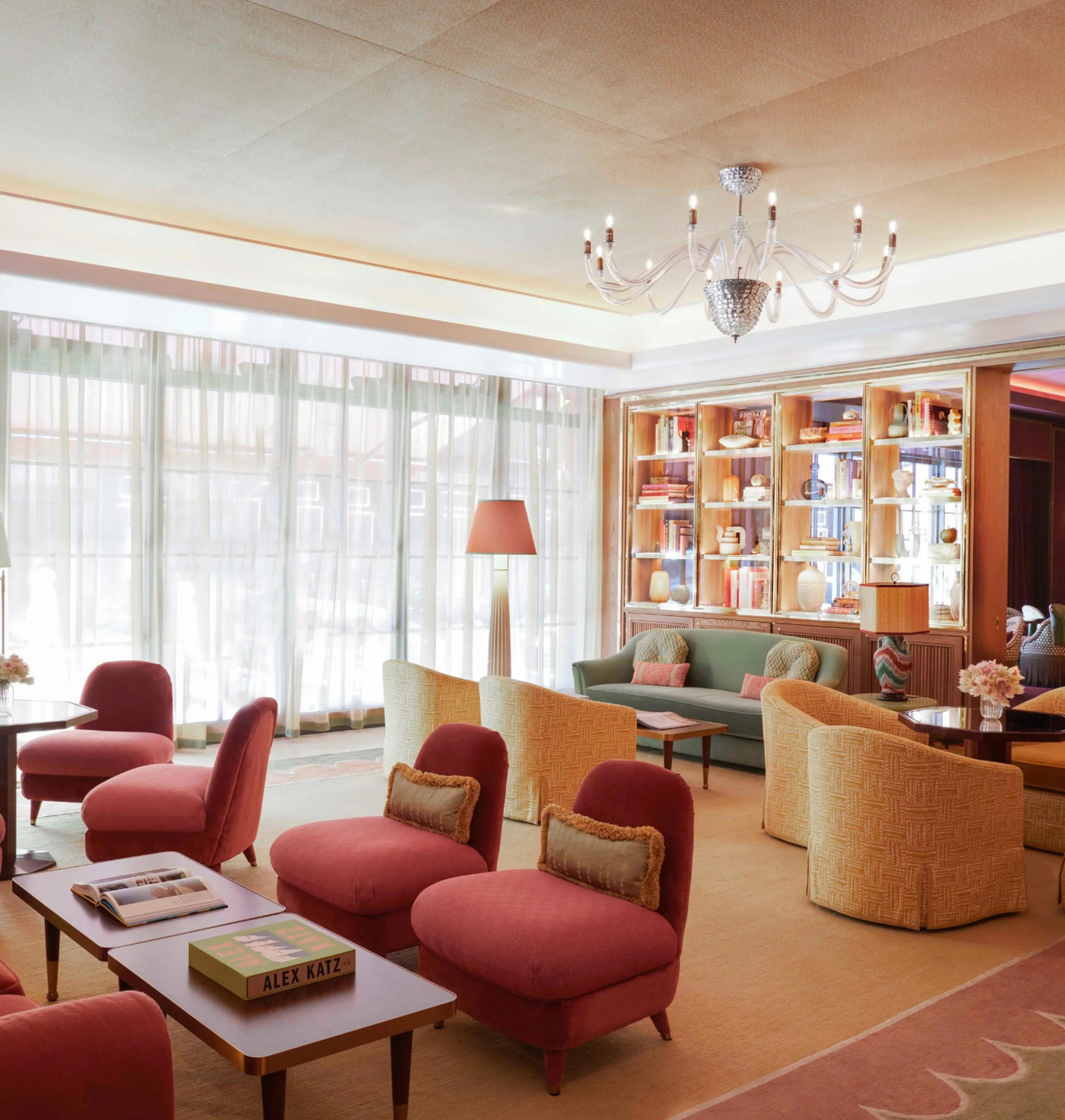
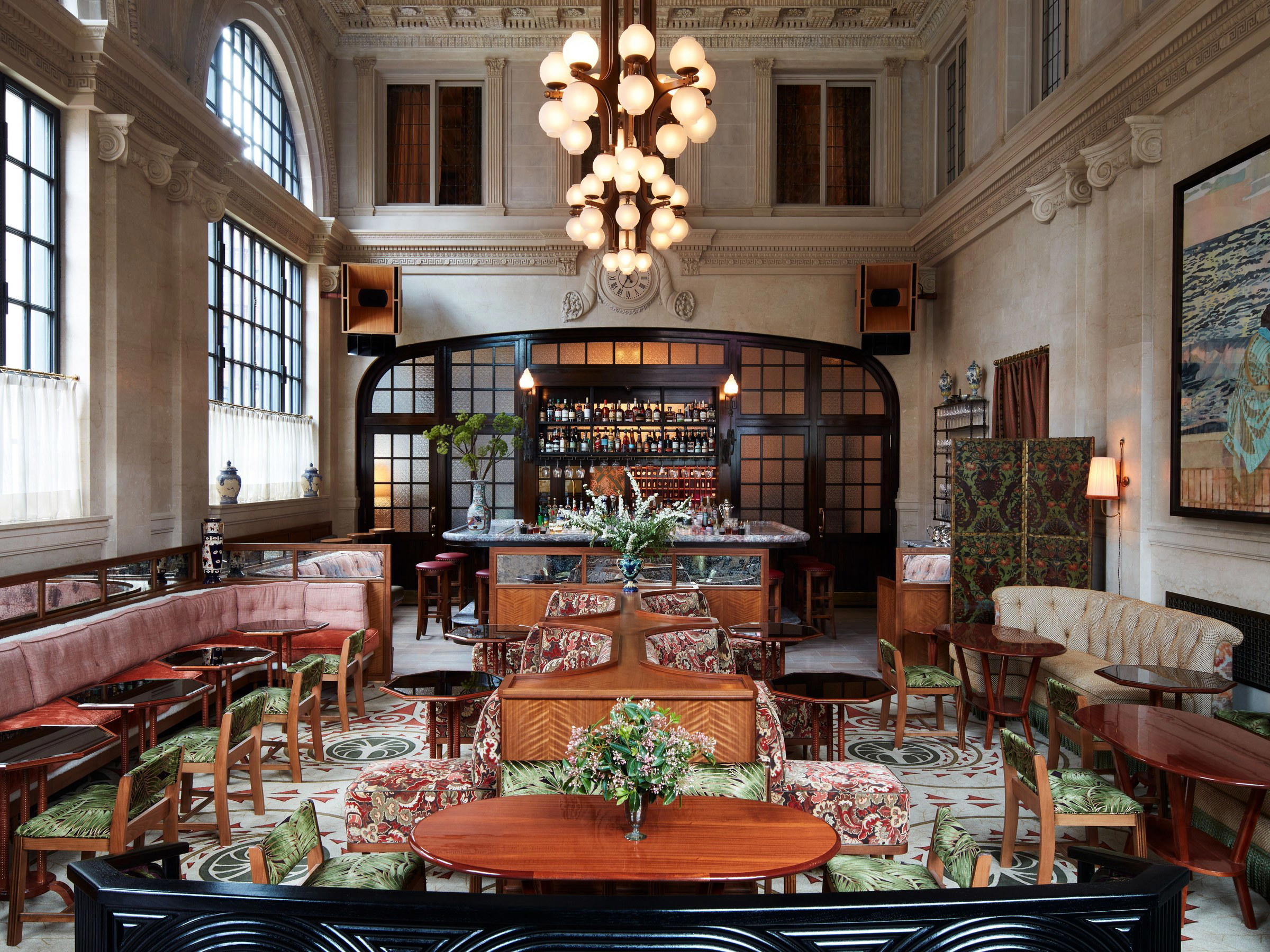
Warm, cozy trattoria atmosphere with rustic decor and a brick pizza oven as a backdrop for indoor dining and events.