Google: 4.8 · 57 reviews
.png)

In Osaka's Kita-ku district, Numata Sou has built a reputation on a discipline that most diners take for granted: tempura. The craft demands more than hot oil and batter — moisture management, oil temperature, and coating thickness separate the pedestrian from the precise. This third-floor counter in Nishitemma is where that precision is taken seriously.
 Discover on Pearl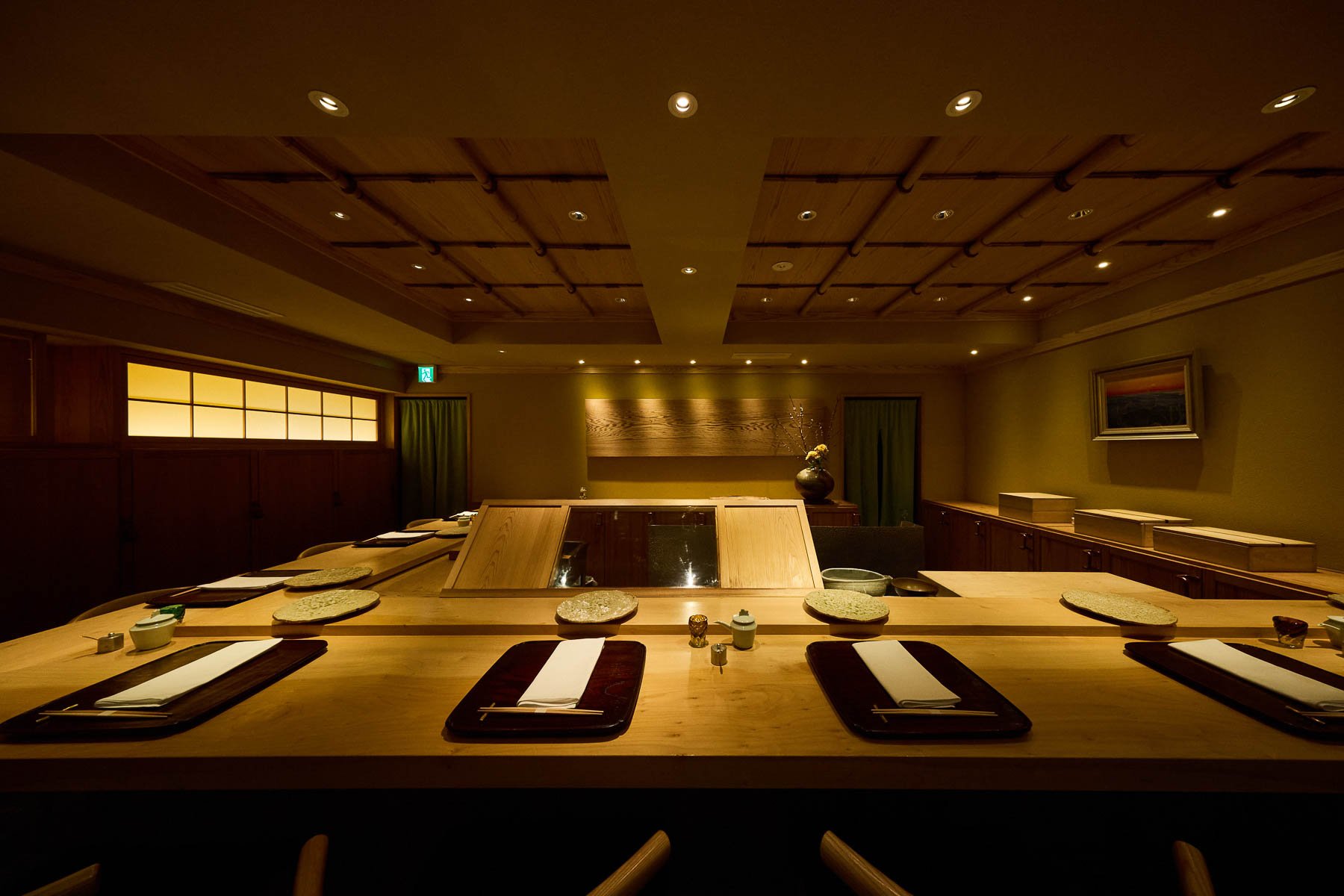
The Case for Taking Tempura Seriously
Tempura occupies an unusual position in Japanese dining. It is simultaneously one of the most recognisable dishes in the country's culinary repertoire and one of the least understood by the people eating it. The technique looks effortless from the outside: food coated in batter, lowered into oil, lifted out golden. What that framing misses is the physics at work. When a vegetable or piece of seafood enters hot oil, its internal moisture heats rapidly and begins converting to steam. The coating's job is to intercept that steam, hold it close to the ingredient, and create the pressure that cooks the interior while the exterior crisps. Get the batter too thick and you muffle the ingredient. Too thin and the moisture escapes before the interior reaches temperature. Tempura counters operating at the upper end of the craft are, in effect, running precise thermal experiments with every piece they lower into the fryer.
Numata Sou, located on the third floor of a building at 4-7-7 Nishitemma in Osaka's Kita-ku, works within that specialist tradition. The address places it in a neighbourhood that has long served as the administrative and commercial core of the city — a district where white-collar lunch crowds and serious evening diners coexist, and where a focused counter with exacting standards can find its audience without the foot traffic pressures of Dotonbori or Shinsaibashi. Reaching the restaurant requires navigating a staircase rather than a street-level entrance, and that vertical separation from the street below is itself a signal: this is not a walk-in proposition.
Where Numata Sou Sits in Osaka's Premium Dining Picture
Osaka's upper tier of dining has attracted significant critical attention over the past decade. The city holds a dense concentration of Michelin-recognised restaurants across multiple cuisines, and the breadth of that recognition extends well beyond kaiseki. Venues such as HAJIME and Fujiya 1935 have put innovative French-influenced cooking at the sharp end of the city's fine dining conversation, while La Cime has reinforced the position of French technique applied to Japanese product. Traditional Japanese formats are well represented too: Kashiwaya Osaka Senriyama and Taian both operate at the ¥¥¥ tier in kaiseki, providing points of comparison for the kind of seasonal, course-based Japanese dining that rewards extended attention.
Specialist tempura counters occupy a different niche within that ecosystem. Unlike kaiseki, which frames a multi-hour seasonal narrative, or the technically complex plated dishes at Osaka's French-influenced addresses, tempura is a single-discipline format. The entire meal is structured around one cooking method and the chef's mastery of it. That constraint is the point. The comparison set for a specialist tempura counter is not the kaiseki or French-influenced addresses on the same city block; it is the small number of counters across Japan — concentrated in Tokyo but present in Osaka and Kyoto , where tempura is treated as a subject worthy of deep, extended specialisation.
For context on how Japan's broader specialist counter scene operates, Harutaka in Tokyo illustrates the kind of critical reception a single-discipline counter can generate when the technique is applied with rigour over time. Gion Sasaki in Kyoto provides a regional comparison from the Kansai tradition, and destinations further afield such as Goh in Fukuoka and akordu in Nara round out a picture of how specialist formats perform across Japan's secondary cities.
The Recognition Behind the Reputation
The awards text associated with Numata Sou addresses the craft directly rather than through the vocabulary of recognition bodies. It is worth quoting the framing closely: green asparagus spears are cited as an example , plump with moisture, their interiors rapidly converting that moisture to steam the moment they meet hot oil. The coating captures that steam and concentrates it back into the ingredient. The result, when the balance is correct, is an interior cooked through its own pressure and a coating that holds texture without smothering flavour. The description closes with a clear editorial position: experience cultivated through training turns tempura from good to magnificent.
That framing is not promotional language. It is a statement about where specialist tempura counters earn their authority. The chef at a serious tempura counter is not varying their product by cuisine type or importing techniques from other disciplines. They are refining a single set of variables , oil temperature, batter viscosity, coating coverage, frying time , across thousands of repetitions. The reputation that accrues around a counter operating at this level is built on that accumulated precision, not on novelty.
Across Japan's critical infrastructure, this kind of single-discipline depth has increasingly attracted serious attention. The Michelin guide's Kansai edition has historically recognised specialist counters alongside multi-course kaiseki addresses, reflecting an understanding that the difficulty of a craft is not diminished by the narrowness of its focus. Whether Numata Sou holds formal Michelin recognition is not confirmed in available data, but its positioning in Nishitemma and the framing of its reputation around deep technical specialisation place it in the tier of counters that serious food critics and informed visitors seek out alongside the city's multi-Michelin addresses.
Planning a Visit
The Nishitemma address in Kita-ku puts Numata Sou within reasonable distance of central Osaka transport infrastructure, making it reachable from most central hotels without extensive cross-city travel. The third-floor location means there is no shopfront presence at street level; arriving with the address confirmed in advance is advisable. Booking details, current hours, and price-tier information are not confirmed in publicly available records at this time, which itself suggests a counter that operates through reservation channels rather than open walk-in availability. Travellers visiting Osaka who want to build a broader itinerary around the city's premium dining scene will find complementary context in our full Osaka restaurants guide, as well as in our coverage of Osaka hotels, bars, experiences, and wineries.
For those extending their Japan trip beyond Osaka, the Kansai region offers additional depth: Gion Sasaki in Kyoto is a short train ride away, and akordu in Nara provides a different register entirely. Further afield, Bleston Court Yukawatan in Nagano and giueme in Akita show how Japan's specialist fine dining ambition has extended well beyond its metropolitan centres. For international comparison points on how technical mastery in a single discipline translates to sustained critical reputation, Le Bernardin in New York City offers the clearest parallel: a restaurant whose entire authority rests on one category of ingredient and cooking, executed with enough consistency to generate decades of sustained recognition. Emeril's in New Orleans charts a different trajectory but similarly shows how a focused culinary identity builds long-term institutional reputation.
Quick Comparison
These are the closest comparables we have in our database for quick context.
| Venue | Cuisine | Price | Awards | Notes |
|---|---|---|---|---|
| Numata Sou | Tempura is simple: coat food in batter and deep-fry it. Yet from that very simpl… | This venue | ||
| HAJIME | French, Innovative | ¥¥¥¥ | Michelin 3 Star | French, Innovative, ¥¥¥¥ |
| La Cime | French | ¥¥¥¥ | Michelin 2 Star | French, ¥¥¥¥ |
| Kashiwaya Osaka Senriyama | Japanese | ¥¥¥ | Michelin 3 Star | Japanese, ¥¥¥ |
| Taian | Kaiseki, Japanese | ¥¥¥ | Michelin 3 Star | Kaiseki, Japanese, ¥¥¥ |
| Fujiya 1935 | Innovative | ¥¥¥¥ | Michelin 2 Star | Innovative, ¥¥¥¥ |
Continue exploring
More in Osaka
Restaurants in Osaka
Browse all →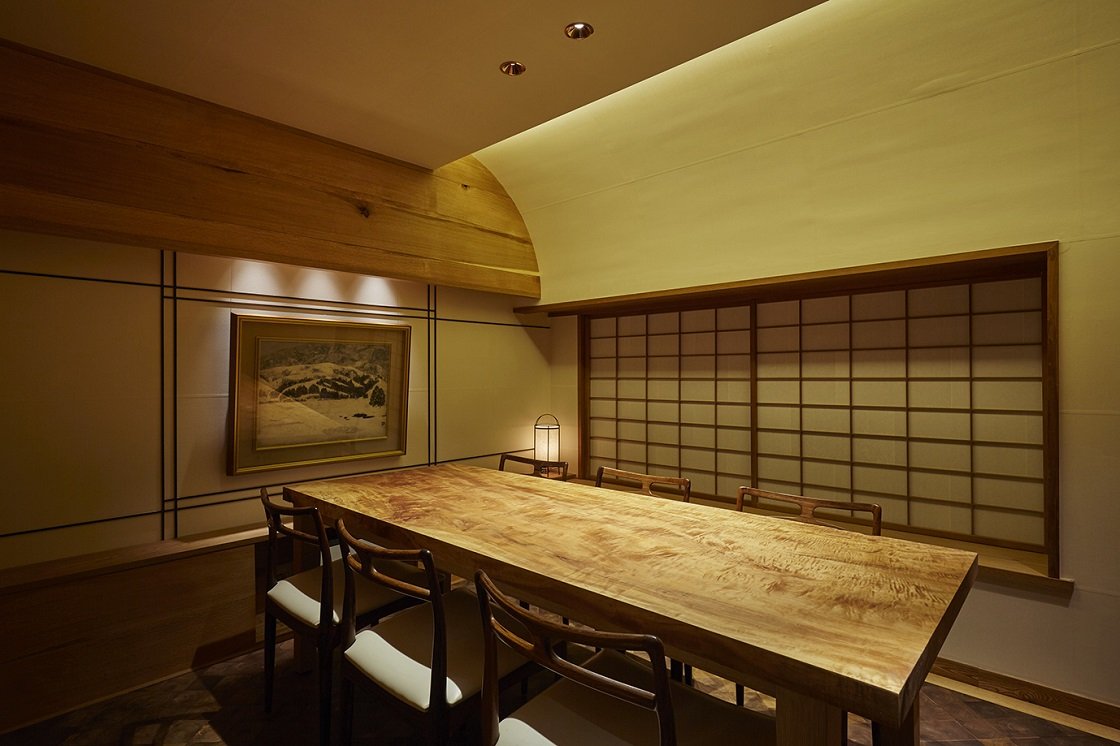
Bars in Osaka
Browse all →
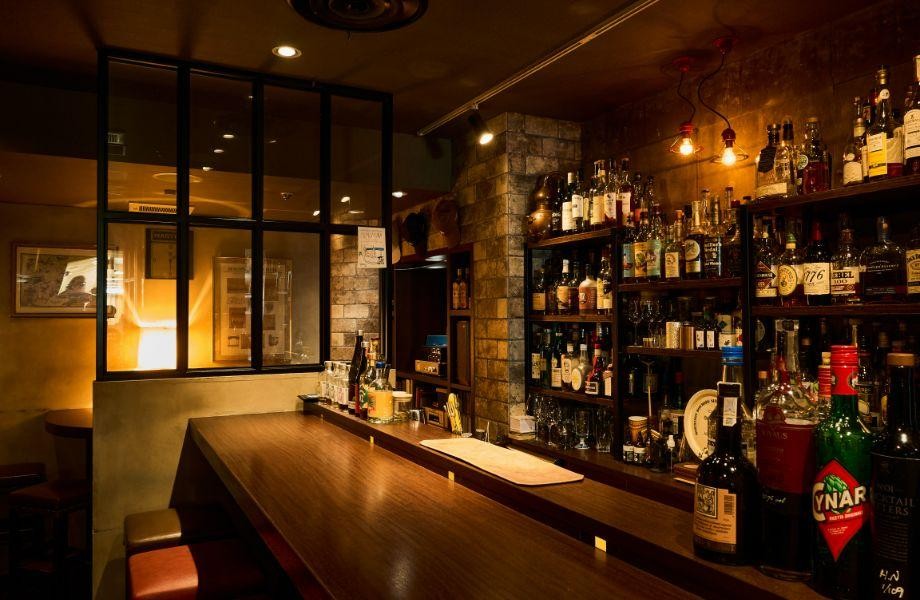
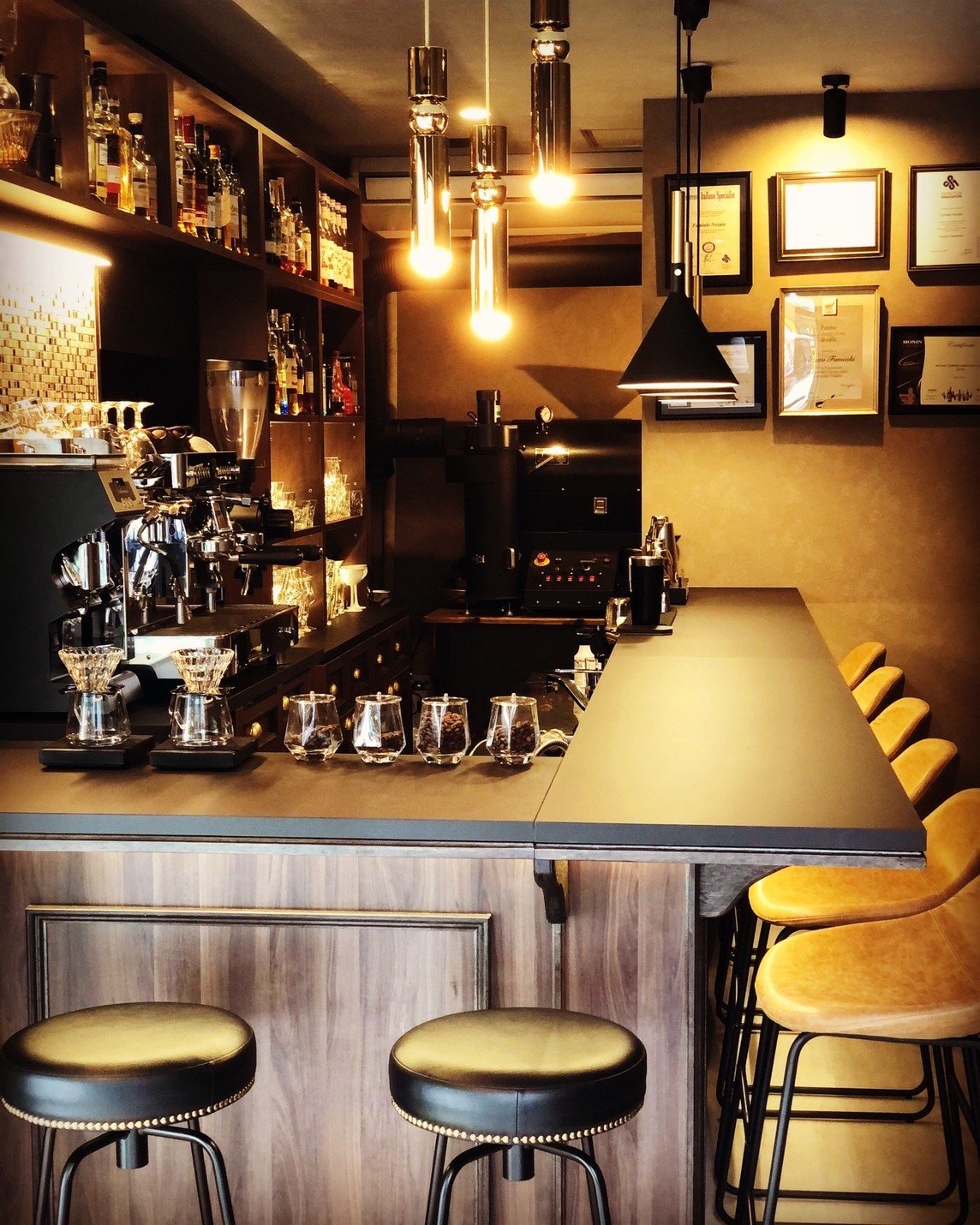
Hotels in Osaka
Browse all →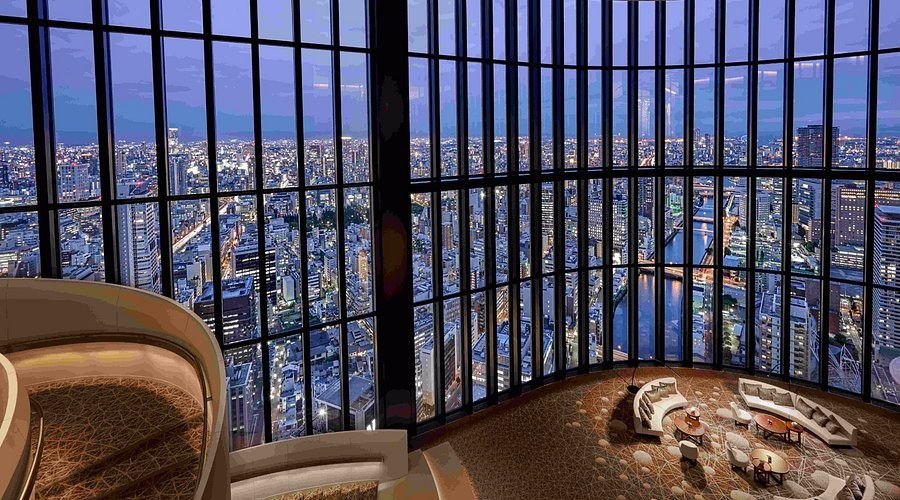
Wineries in Osaka
Browse all →
At a Glance
- Elegant
- Sophisticated
- Intimate
- Special Occasion
- Family
- Celebration
- Chefs Counter
- Open Kitchen
- Private Dining
- Sake Program
- Local Sourcing
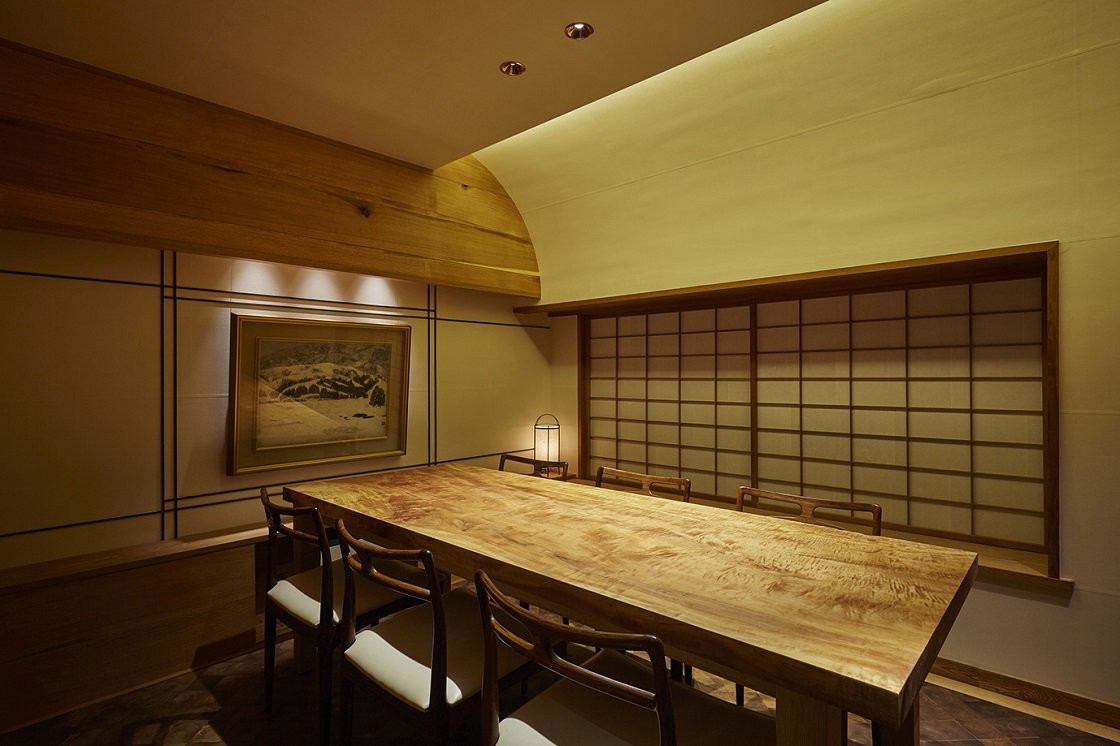
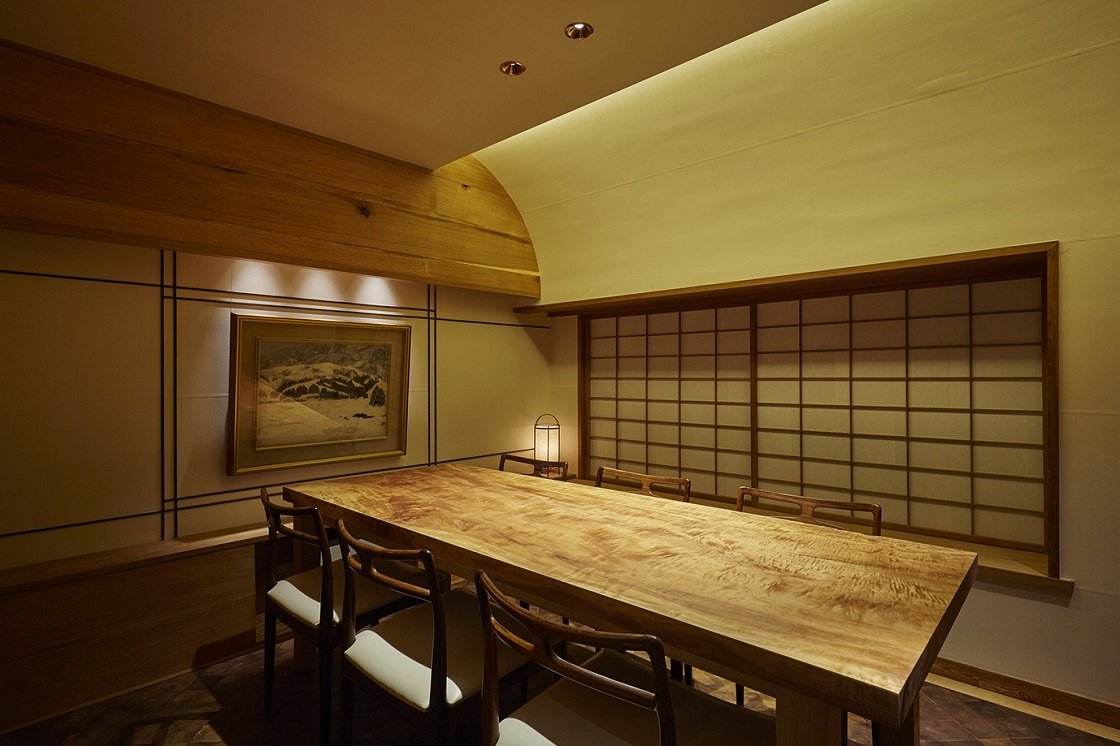
Intimate counter seating around open kitchens with a refined, relaxed atmosphere in private rooms, emphasizing live tempura preparation.