Nuevo Jardín de China
Positioned at the intersection of Astoria's long-running Chinese immigrant dining tradition and a borough-wide shift toward sourcing-conscious kitchens, Nuevo Jardín de China on Broadway brings a considered approach to Chinese-American cuisine that sits apart from both Flushing's dense dim sum circuit and Manhattan's high-ticket Chinese fine dining. The address in Queens places it within one of New York's most culinarily layered outer-borough corridors.
- Address
- 32-05 Broadway, Astoria, NY 11106
- Phone
- +17187260819
- Website
- nuevojardin.com
- Directions
- Get directions
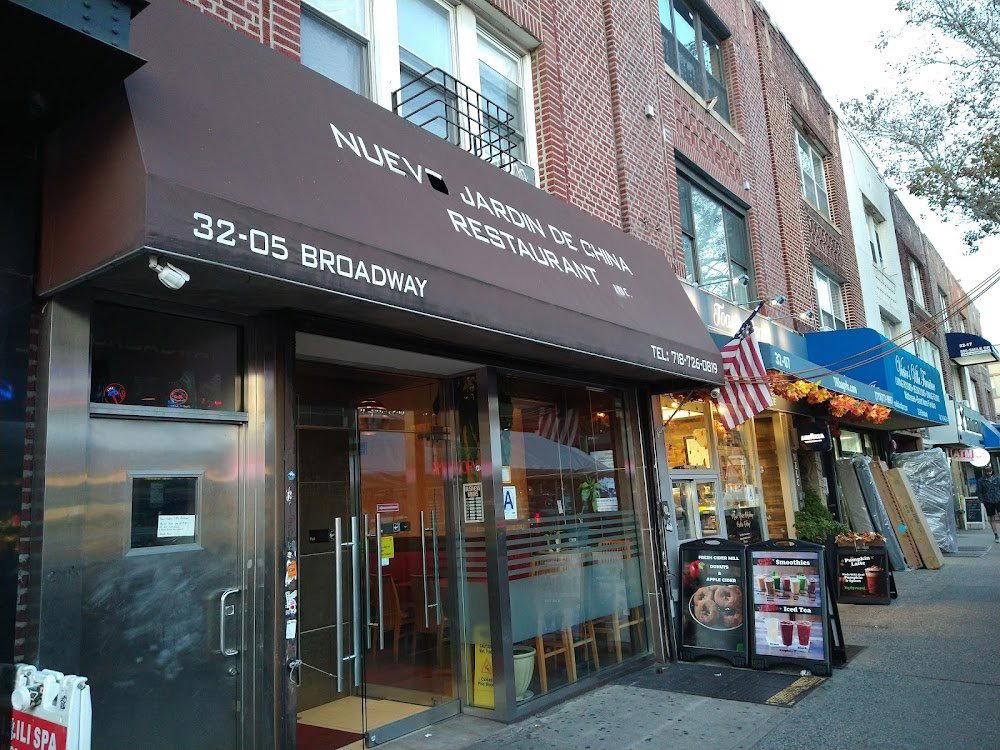
Astoria's Chinese Table in Context
Queens has long operated as New York City's most heterogeneous dining borough, and its Broadway corridor in Astoria reflects that complexity in concentrated form. The stretch running through 32nd Street and beyond hosts Greek tavernas, South American fondas, and a rotating cast of pan-Asian kitchens that have evolved alongside successive waves of immigration. Nuevo Jardín de China, at 32-05 Broadway, sits within this layered neighbourhood dynamic rather than apart from it. Understanding what the restaurant represents requires understanding the block it occupies and the broader conversation happening across the outer boroughs about what Chinese cooking in New York can look like when it moves beyond the default templates.
Chinese restaurant culture in New York has historically concentrated in two registers: the utilitarian, family-run neighbourhood spot oriented around volume and accessibility, and the high-ticket Manhattan format exemplified by venues competing in the same tier as Le Bernardin or Masa. What has been less common is the middle zone, kitchens that apply genuine sourcing rigour and culinary intention without the price architecture of Midtown fine dining. That is the zone Nuevo Jardín de China appears to occupy, though the specifics of its offer are not detailed here.
The Sustainability Frame: Sourcing in a Borough Built on Immigrant Kitchens
Across the American dining scene, the conversation around ethical sourcing and reduced waste has tended to concentrate in a specific type of restaurant: farm-to-table operations with tasting menus and pastoral branding, places like Blue Hill at Stone Barns in Tarrytown or Single Thread Farm in Healdsburg. The assumption embedded in that conversation is that sustainability is a premium-tier preoccupation. Immigrant neighbourhood kitchens have traditionally operated with the opposite dynamic: whole-animal utilisation, seasonal adjustment driven by cost rather than ideology, and a minimal-waste approach born of practical necessity rather than brand positioning.
What makes venues like Nuevo Jardín de China worth watching is precisely this: the sustainability practices that earn coverage in farm-to-table dining have existed in Chinese neighbourhood cooking for generations, but without the vocabulary that gets them recognised. Kitchens rooted in Cantonese, Sichuan, or Hunanese tradition routinely use cuts, offal, and vegetable matter that higher-end Western kitchens now reframe as ethical sourcing. The question in Astoria is whether that tradition is being maintained or extended.
Restaurants in this outer-borough category that do maintain those sourcing instincts tend to do so without formal certification or awards infrastructure. That differs from the documentation trail attached to operations like Providence in Los Angeles or Addison in San Diego, where sustainability credentials are part of the public-facing identity. In Queens, the equivalent commitment tends to be legible through the menu itself: rotating specials tied to market availability, preparations that use whole fish or whole birds, and a vegetable-forward structure that reflects supply rather than marketing.
What the Neighbourhood Demands and What That Produces
Astoria's dining economy is not Manhattan's. The customer base is price-sensitive and loyal, built on repeat traffic rather than destination visits. That pressure shapes kitchens differently than the economics governing a restaurant competing for the same diner as Per Se or Atomix. What it produces, at its leading, is a kind of discipline that tasting-menu environments sometimes lose: the requirement to justify every component on the plate through flavour rather than through narrative.
Chinese cooking in this mode draws from a deep technical tradition. The wok disciplines that Cantonese and Sichuan kitchens have refined over decades produce textures and char profiles that no amount of fine-dining technique can easily replicate. The ingredient selections that characterise regional Chinese cooking, fermented black beans, preserved vegetables, dried seafood, represent a form of preservation and flavour amplification that aligns directly with waste-reduction principles, even when the kitchen doesn't frame it that way. These are the elements that make Chinese neighbourhood dining in Queens worth engaging with seriously, regardless of the format any individual restaurant adopts.
For context beyond the restaurant, the broader New York dining circuit is worth exploring. The city's Korean fine dining scene, represented by venues like Jungsik New York, offers a useful comparison point for how Asian culinary traditions move between neighbourhood and fine-dining registers. Across the United States, the restaurants most engaged with sourcing ethics at a documented level include Alinea in Chicago, Lazy Bear in San Francisco, and The French Laundry in Napa, all of which operate with transparency about their supply chains that outer-borough kitchens rarely match in formal documentation, though not necessarily in practice.
Planning Your Visit
The restaurant is located at 32-05 Broadway in Astoria, Queens. The address is accessible from Manhattan via the N and W subway lines, with the 30th Avenue or Astoria Boulevard stops both within walking distance depending on the specific Broadway block. Astoria rewards a longer visit that takes in the corridor's full range rather than a single-restaurant trip. The neighbourhood's dining density means that arriving with time to explore context is worth the outer-borough transit commitment.
One reliable approach is to visit in person or check current listings for updated hours and contact information before making a special trip. Confirming availability in advance is advisable.
Know Before You Go
- Address: 32-05 Broadway, Astoria, NY 11106
- Neighbourhood: Astoria, Queens
- Transit: N/W train to 30th Avenue or Astoria Boulevard
- Booking: Walk-in friendly
- Price range: $$
- Hours: Mon: 12–10 PM; Tue: 12–10 PM; Wed: 12–10 PM; Thu: 12–10 PM; Fri: 12–11 PM; Sat: 12–11 PM; Sun: 12–10 PM
Just the Basics
Comparable venues nearby, for context on price, style, and recognition.
| Venue | Price | Notes |
|---|---|---|
| Nuevo Jardín de ChinaThis venue — the venue you are viewing | $$ | Not listed |
| Land of Plenty | $$ | East Midtown-Turtle Bay, Authentic Sichuan |
| Joe's Ginger | $$ | Chinatown-Two Bridges, Shanghai Soup Dumplings |
| Chun Vegetarian | $$ | Bedford-Stuyvesant (West), Chinese Vegetarian |
| Evergreen On 38 | $$ | Midtown-Times Square, Shanghainese & Szechuan with Dim Sum |
| Royal Seafood | $$ | SoHo-Little Italy-Hudson Square, Cantonese Dim Sum |
Continue exploring
More in New York City
Restaurants in New York City
Browse all →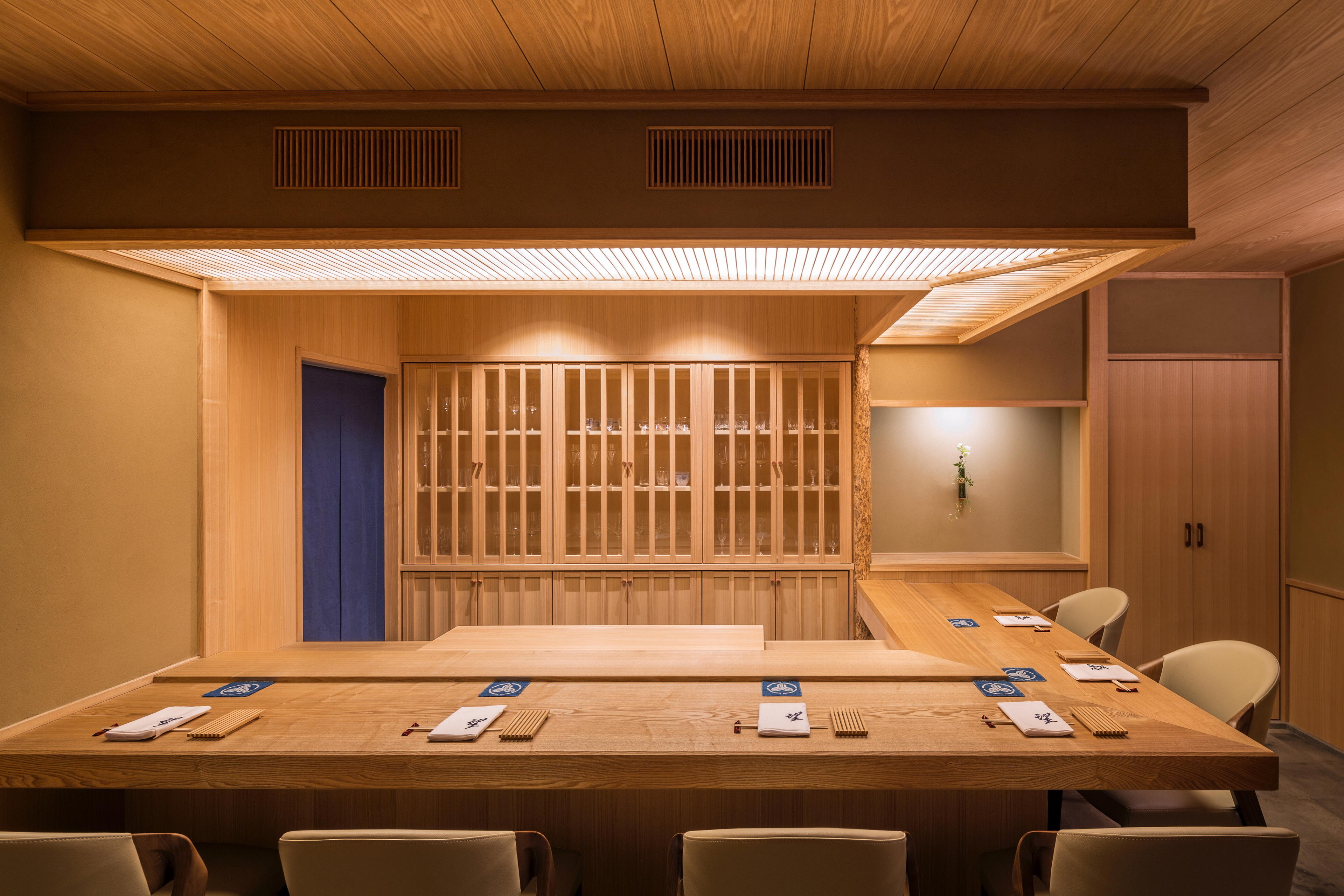
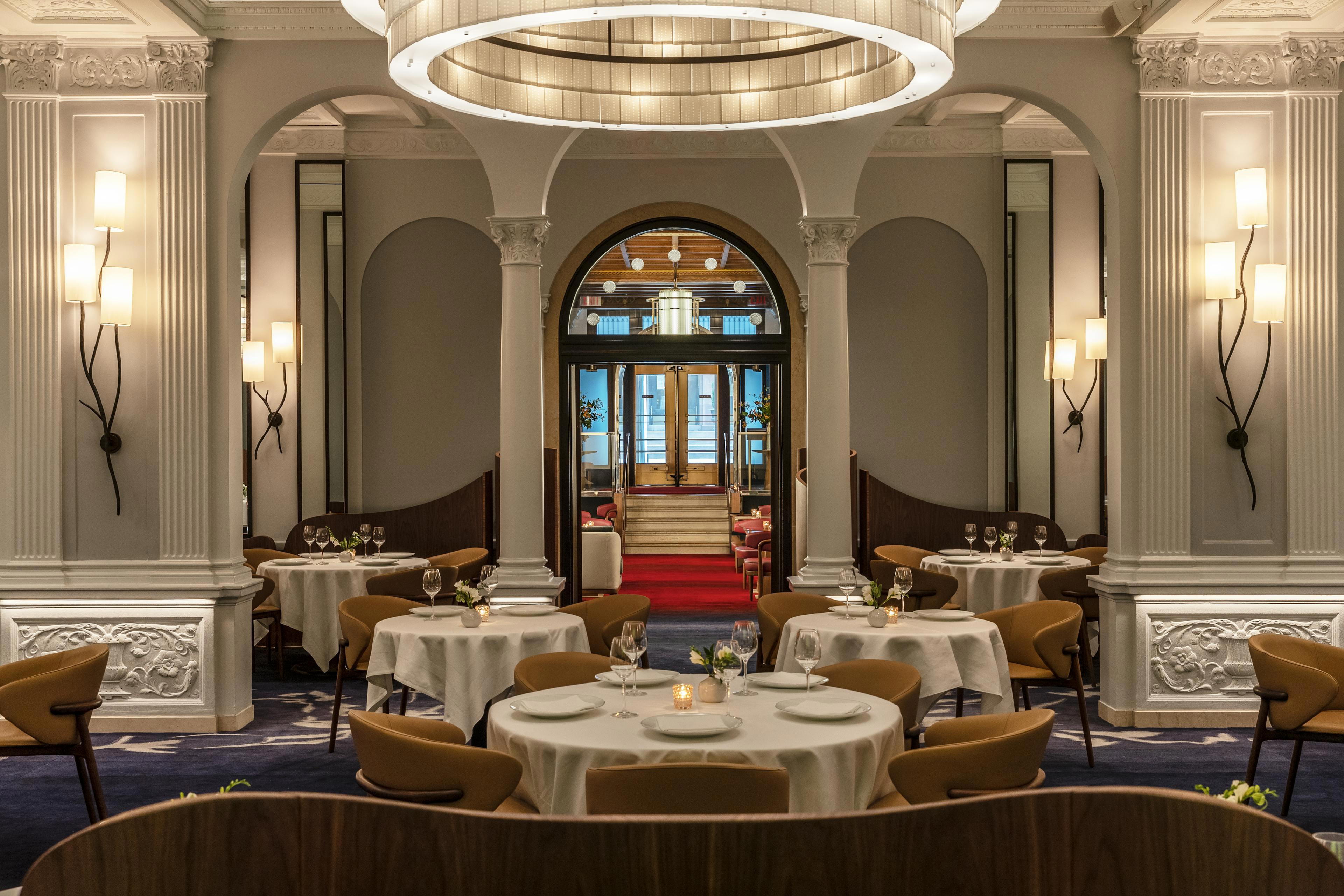
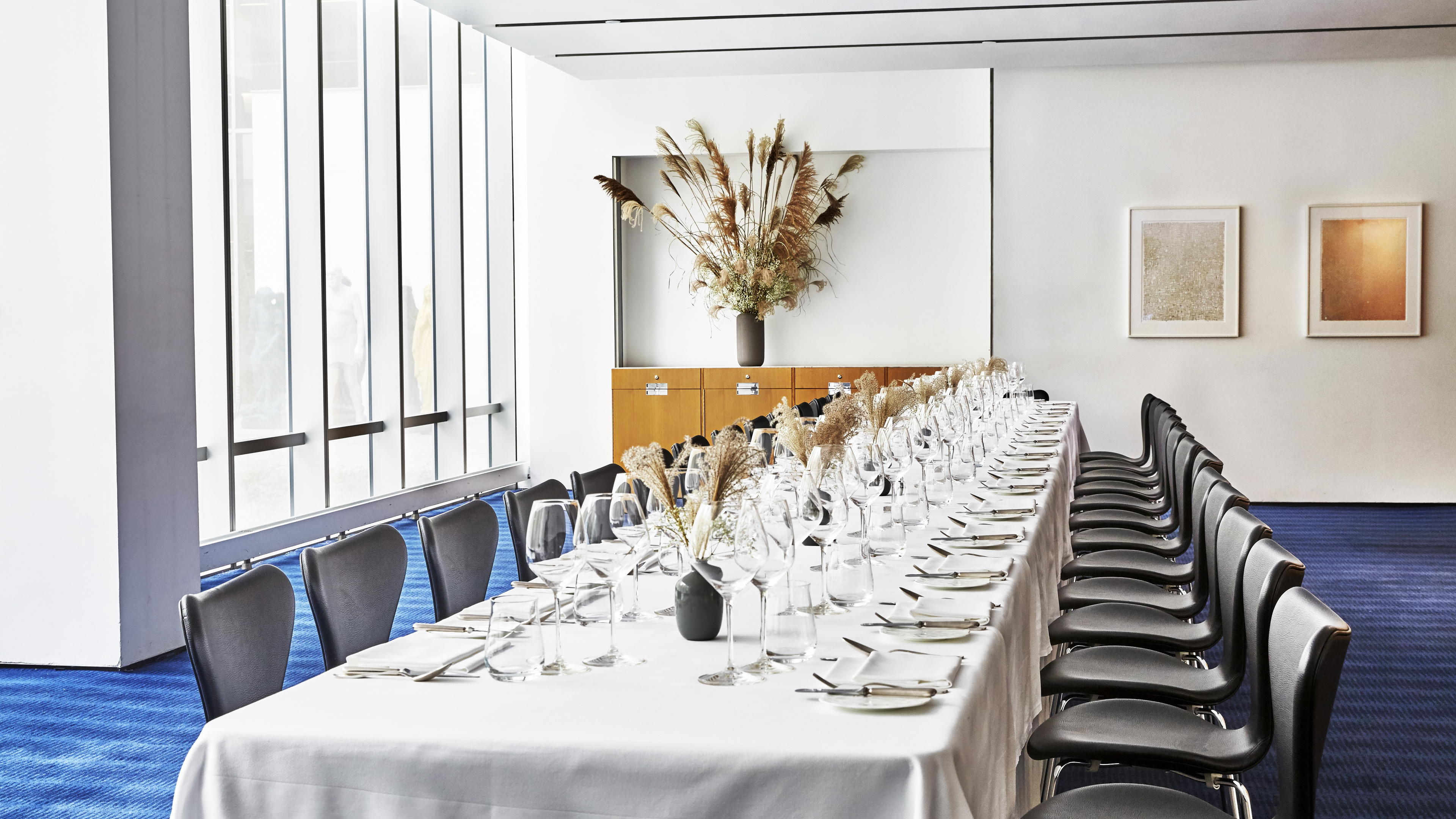
Bars in New York City
Browse all →


Hotels in New York City
Browse all →






At a Glance
- Cozy
- Casual Hangout
Current opening hours
- Monday
- 12–10 PM
- Tuesday
- 12–10 PM
- Wednesday
- 12–10 PM
- Thursday
- 12–10 PM
- Friday
- 12–11 PM
- Saturday
- 12–11 PM
- Sunday
- 12–10 PM
Hours can change for holidays and private events. Last verified .
Small, cozy space with a quiet atmosphere and lighter ambiance.