
Tabelog 100 #68
Our verdict
Yokohama’s Motomachi-Chukagai area is usually read through Chinese banquets, souvenir sweets, and harbor-city day trips; Norizo adds a quieter bread-shop register to that map. Its Tabelog Bread EAST “Tabelog 100” selections in 2020 and 2022 place it inside Japan’s serious bakery conversation rather than the casual snack tier.

Pearl is the En Primeur Club membership app, where members save venues, book tables and use the concierge.
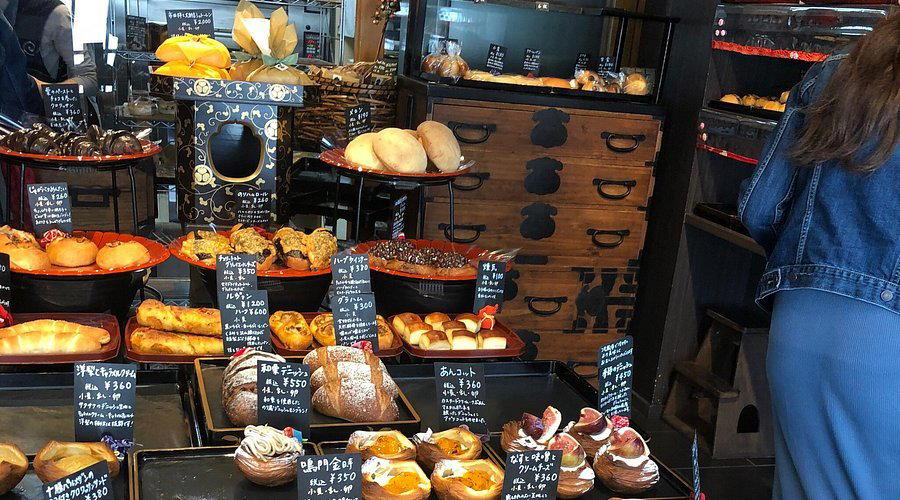
The menu
What to order
- Seaweed cheese ham roll
- Curry bread
- Custard cream pastry
- Matcha Mont Blanc bread
Approaching Yokohama, the city changes register quickly: visitors move between busy food streets, locals cut through side routes, and the harbor’s old trading-city logic still shows in the way food genres sit close together. In that setting, a bread counter reads differently from a destination dining room. It is not asking for a long meal or a formal reservation ritual; it belongs to the faster, more local rhythm of the city, where a good bakery can be part of a morning route, a short detour, or a picnic plan near the waterfront.
That matters because Yokohama’s dining identity is often flattened into a few familiar images: Chinese dining, hotel restaurants, and port-city nostalgia. The stronger read is more granular. Across the city, higher-spend dining, old-school casual counters, pâtisserie culture, and bakeries operate close enough to shape the same day of eating. Norizo sits in that mixed urban layer: not a grand statement restaurant, but a bread specialist with enough recognition to make the stop more than incidental.
Yokohama's bread culture offers a quieter counterpoint to banquet dining
Yokohama gives the eating day plenty of visual drama, but the more useful rhythm is built from contrasts. A visitor can move from full-service restaurants to takeaway snacks, from coffee and cake to bakery cases, without making the whole day depend on one reservation. Compared with higher-budget rooms such as Kasei Rou Honten or Saiko Shinkan, the bread-shop format works on a different scale: shorter visit, lower spend, and more flexibility around the rest of the day.
That flexibility is the point. Bread in Japan often occupies a position between daily utility and specialist craft, and the stronger shops are judged with the same intensity applied to other focused categories. Tabelog’s Bread selections are useful here because they separate serious bakeries from simple convenience stops. Norizo was recognized in the 2022 Tabelog Hyakumeiten listings, with a Tabelog score of 3.71, a signal that places it within a competitive bakery field rather than only within Yokohama’s neighborhood retail scene.
The price band also explains the appeal. In a city where a planned lunch can range from quick counters to multi-course dining, a listed budget of - JPY 999 for both lunch and dinner lets the day stay loose. That makes it particularly useful for travelers who want Yokohama to be more than a single large meal. Bread becomes a way to read the city at street level, not from a dining-room chair.
A bread-shop format suits Yokohama's port-city pacing
The format changes the critical frame. This is not a place to assess through service choreography, table spacing, or wine depth. It belongs to the category of small Japanese specialists where the decision-making can be simple: what is in the case, what fits the moment, and how the stop fits into the next hour. For visitors, that can be more valuable than another seated reservation, especially in a city already dense with restaurants.
Yokohama rewards this kind of pacing. The city’s food culture is not only about committing to a single venue; it is about sequencing. A bakery stop can sit before lunch, after a walk, or as a counterweight to a heavier dinner elsewhere in the city. For a broader Yokohama eating plan, Our full Yokohama restaurants guide is the natural map, while other Yokohama dining rooms and casual specialists show how varied the city becomes once the itinerary moves beyond a single cuisine label.
Its Yokohama setting is more than a convenience note; it defines the experience. The stop works because it is embedded in a busy food city but avoids the performance of larger dining rooms. That is also why it compares more naturally with casual and compact addresses than with formal restaurants. Kasei Rou Yokohama chuukagai shinkan baiten, for example, occupies a lower-spend lane in the same broad ecosystem, while Pavlov Motomachi honten points toward cake-and-gift culture. Norizo adds bread to that same Yokohama conversation.
How to place it in a Yokohama itinerary
The smartest use is as a precision stop, not the centerpiece of a full day. Build it into a Yokohama walk, then let the rest of the itinerary decide the scale of eating: a casual lunch, a higher-budget meal, or a later bar reservation. Travelers staying overnight should pair the food plan with Our full Yokohama hotels guide; evening planning sits better with Our full Yokohama bars guide. Wider trip-builders can also use Our full Yokohama experiences guide and, for drink-led detours, Our full Yokohama wineries guide.
For readers comparing across Japan rather than only within Yokohama, the useful lesson is format. Small specialist venues can carry as much editorial weight as formal dining rooms when the recognition signal and city fit are clear. The same planning logic applies to focused addresses elsewhere without needing to turn every stop into a long meal. Tight formats travel well when the purpose is clear, and Norizo is best understood in that practical, sharply defined register.
Norizo is strongest for travelers who already understand that Yokohama is not a one-meal city. Its value is cumulative: a Tabelog-recognized bakery in a city known for many forms of eating, priced for a low-commitment stop, and placed where a small detour can sharpen the whole day’s read of Yokohama.
Frequently asked questions
Is Norizo okay with children?
Yes. Norizo is a bread shop in Yokohama, so families can keep the visit simple rather than planning a long sit-down meal. It was recognized in the 2022 Tabelog Hyakumeiten listings for Bread.
What's the overall feel of Norizo?
The rhythm is efficient rather than leisurely. In Yokohama, it reads as a practical bread stop, not a formal dine-in destination, and the 2022 Tabelog Hyakumeiten recognition gives it clear credibility.
Is Norizo more mid-range or high-end?
Pricing at Norizo is listed as - JPY 999 - JPY 999.
What are the operating hours at Norizo?
Specific operating hours were not provided in the available venue facts; check directly with Norizo before visiting.
At a Glance
Comparable options at the same price tier.
| Venue | Cuisine | Price | Awards | Notes |
|---|---|---|---|---|
| NorizoThis venue (the venue you are viewing) | Japanese Bakery & Pâtisserie | $1–10 | Tabelog 100 #68 | Not listed |
| Kasei Rou Honten | Traditional Beijing-style Chinese banquet restaurant | $30–50 | Tabelog 100 #76 | JPY 10,000 - JPY 14,999 JPY 8,000 - JPY 9,999 |
| Kyo Chubo | Traditional Taiwanese-style Chinese in Yokohama Chinatown | $10–20 | Tabelog 100 #89 | JPY 1,000 - JPY 1,999 - JPY 999 |
| Saiko Shinkan | Traditional Cantonese & Dim Sum | $30–50 | Tabelog 100 #23 | JPY 6,000 - JPY 7,999 JPY 2,000 - JPY 2,999 |
| Kasei Rou Yokohama chuukagai shinkan baiten | Traditional Chinese sweets & pork buns shop | $10–20 | Tabelog 100 #87 | JPY 999 - JPY 999 |
| Pavlov Motomachi honten | French-style pound cake patisserie & cafe | $10–20 | Tabelog 100 #85 | JPY 2,000 - JPY 2,999 JPY 2,000 - JPY 2,999 |
Recognition history
Dated appearances from independent guides and award organizations, with the underlying list record or original source where available.
Tabelog 100 #68 · No. 68
Tabelog · Tabelog 100 - Bread - EAST - 2022
Continue exploring
More in Yokohama
Restaurants in Yokohama
All restaurants in Yokohama →

Bars in Yokohama
Browse all →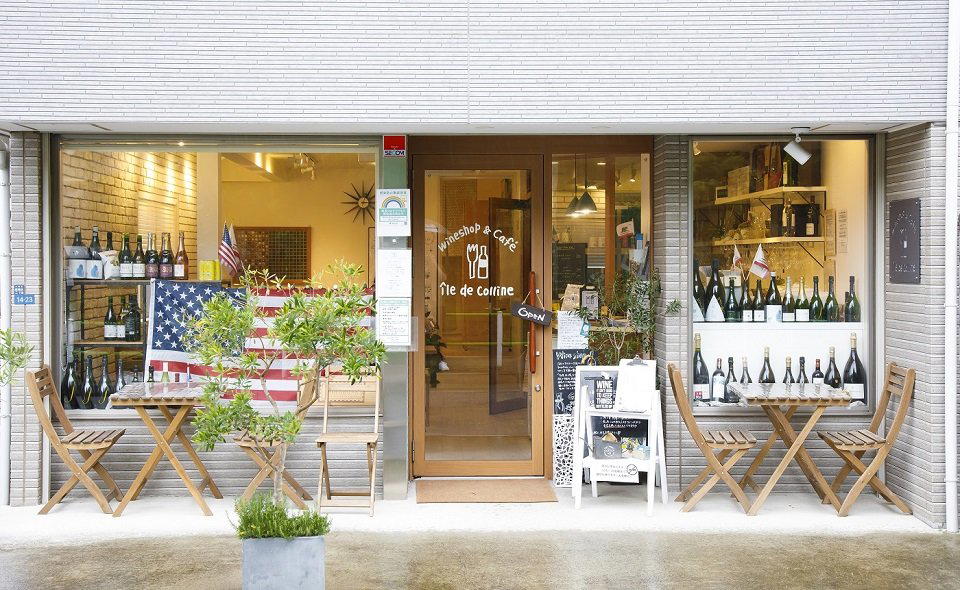

Details
- Cozy
- Quiet
- Rustic
- Solo
- Family
- Casual Hangout
- After Work
- Standalone
- Design Destination
- Street Scene
- A La Carte
- Counter Dining
Current opening hours
- Monday
- Closed
- Tuesday
- Closed
- Wednesday
- Closed
- Thursday
- 9 AM–6 PM
- Friday
- 9 AM–6 PM
- Saturday
- 9 AM–6 PM
- Sunday
- 9 AM–6 PM
Hours can change for holidays and private events. Hours as of .
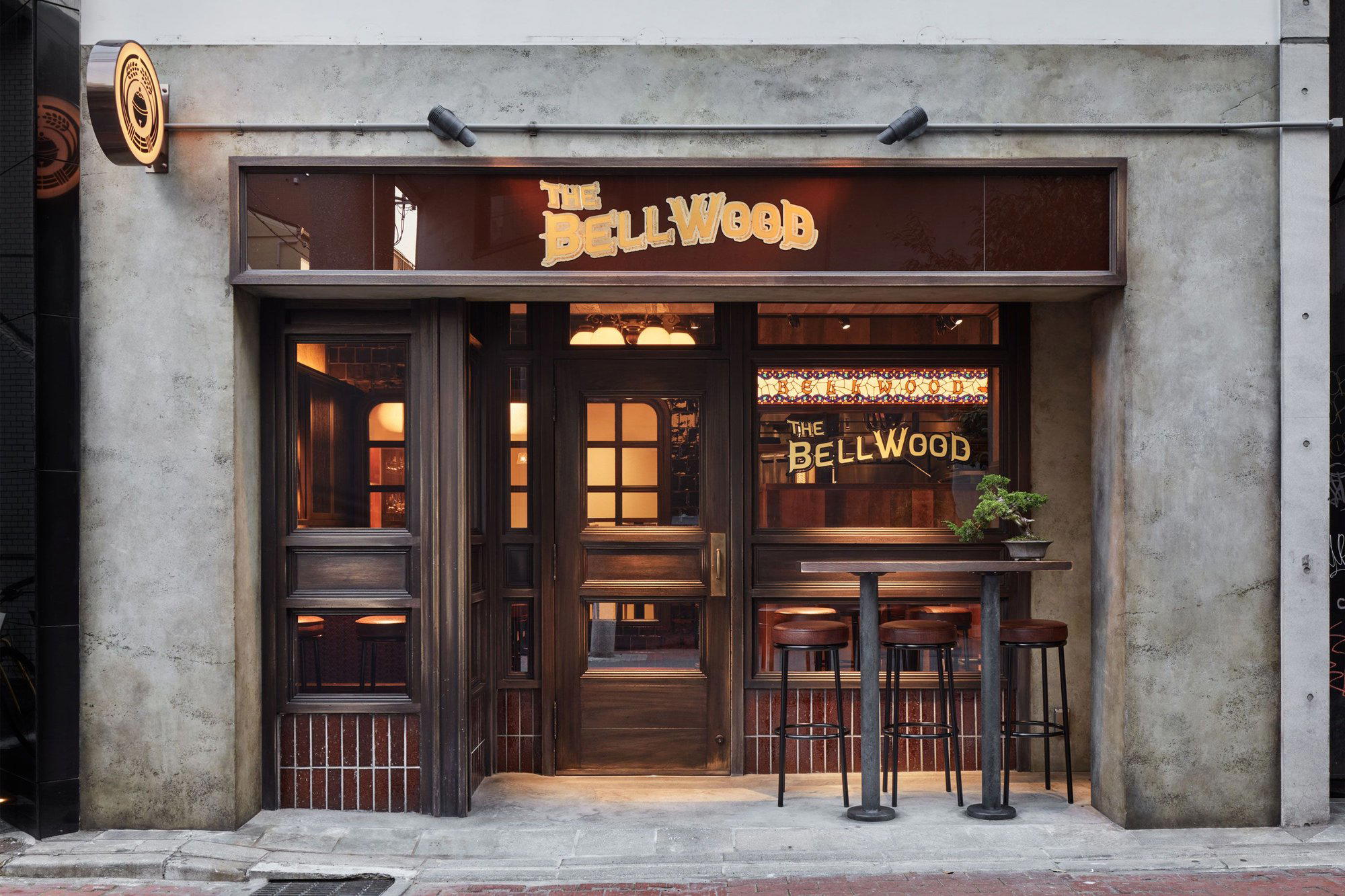
Guests describe a calm, cozy atmosphere that feels like a peaceful hideaway tucked in a back alley at the edge of busy Yokohama Chinatown, with a simple takeaway-focused interior and a few small outdoor tables that make it feel intimate rather than crowded.