
Tabelog 100 #87
Our verdict
Yokohama Chinatown has two parallel dining rituals: banquet rooms upstairs and street-level counters built for gifting, walking and snacking. Kasei Rou Yokohama chuukagai shinkan baiten belongs to the latter tradition, with Chinese sweets and pork buns in a takeaway format, backed by selection for Tabelog 100 Sweets EAST in 2022 and 2023.

Pearl is the En Primeur Club membership app, where members save venues, book tables and use the concierge.
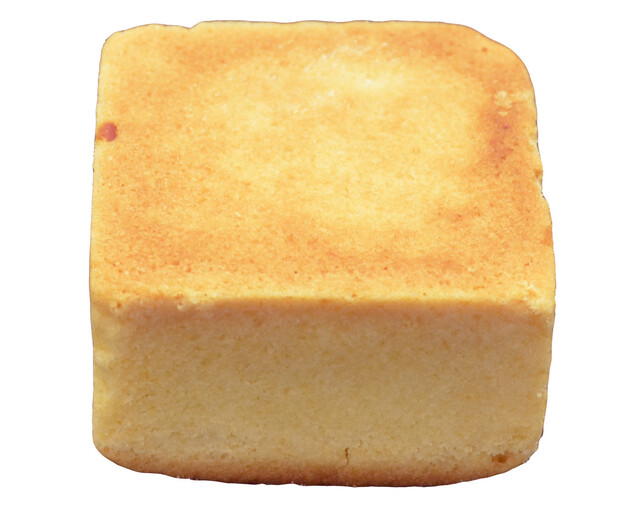
The menu
What to order
- Mooncakes (various flavors)
- Chinese assorted sweets boxes
- Nikuman (pork buns)
- Anman (sweet red bean buns)
- Shumai
Yokohama is read first at pavement level: shopfronts, gift boxes, families moving between busy streets and snack windows. The serious meal here is not always a seated banquet. Often it is a compact purchase, eaten on the move or taken home with the same intent as a restaurant reservation. That is the ritual around Chinese sweets and pork buns in this city, where the counter can matter as much as the dining room.
Kasei Rou Yokohama chuukagai shinkan baiten sits inside that street-level economy. Its listed categories are Chinese sweets and pork bun, and its recognition includes a 2023 Tabelog Hyakumeiten listing. In a city where larger Chinese restaurants can run into more formal meal planning, this kind of shop occupies a different register: less ceremony, faster pacing, and a stronger connection to Yokohama’s gift-and-snack culture.
Yokohama's takeaway ritual is not a shortcut
The mistake is to treat a counter purchase as a consolation prize for travelers who did not secure a table. In Yokohama, the street purchase has its own etiquette. Queues form and dissolve around display cases. Families buy for children, office workers carry boxes across the city, and visitors assemble a meal in fragments rather than courses. The meal is paced by walking, not by service staff.
That matters because Chinese sweets and pork buns sit at the hinge between restaurant craft and everyday commerce. They need portability, consistency and enough identity to survive outside a dining room. The category rewards repetition more than flourish: a shop has to serve quickly, pack cleanly and hold quality across the day. Tabelog Hyakumeiten recognition places Kasei Rou Yokohama chuukagai shinkan baiten within a category conversation that extends beyond a single counter, but its local role is more precise. It represents the city’s compact, transactional side, where the exchange at the counter is the experience.
Compared with the sit-down end of the area, the contrast is clear. Kasei Rou Honten, Saiko Shinkan and Keitokuchin point toward seated Chinese restaurant formats with broader meal structure. Kyo Chubo and Norizo sit closer to casual dining rhythms. The shop operates alongside these choices rather than beneath them. It answers a different question: what does Yokohama offer when there is no appetite for a long meal, but there is still interest in a city-specific food ritual?
Recognition in a sweets category changes the reading
Tabelog’s Hyakumeiten lists are useful because they separate categories that travelers often collapse together. A sweets selection is not the same signal as a fine-dining award, and it should not be read that way. It points to category strength: a shop being judged within the habits and expectations of sweets buyers, not against tasting-menu restaurants. For Yokohama, that distinction is helpful. The city’s reputation is often discussed through seated dining, but its day-to-day energy also depends heavily on buns, confections and quick purchases.
The Tabelog score attached to the shop is 3.53, a modest-looking number only if read through international rating habits. In Japan’s user-review culture, scores cluster tightly, and category-specific recognition often carries more meaning than a raw number alone. The better interpretation is cumulative: Chinese sweets and pork bun specialization, 2023 Tabelog Hyakumeiten recognition, and placement within Yokohama’s busy eating culture. Together, those signals describe a shop embedded in a specific eating custom rather than a destination built around spectacle.
For travelers mapping a Yokohama day, this is the kind of stop that works between larger commitments. A seated Chinese meal asks for appetite and time. A sweets-and-bun counter asks for timing, restraint and the willingness to let the city’s smaller rituals carry weight. That can be a sharper way to understand Yokohama than moving only from restaurant to restaurant.
How to place it in a Yokohama food day
The broader Yokohama dining map is varied for a city often treated as a Tokyo side trip. Chinese cooking provides one axis; café, hotel and bar circuits add another; station-area dining pulls in commuters and regional cooking. Readers building a route can compare this stop with other Yokohama dining rooms and quick-service counters. For the city view rather than a single stop, use Our full Yokohama restaurants guide, with parallel planning through Our full Yokohama hotels guide, Our full Yokohama bars guide, Our full Yokohama wineries guide and Our full Yokohama experiences guide.
The same logic applies beyond Yokohama: small-format eating often reveals a city faster than formal dining. In Japan, that might mean comparing unnamed regional casual addresses, quick counters and compact specialists across different cities. Abroad, the compact-food ritual reads differently from place to place, but the editorial question is similar: how much can a narrow format say about place?
For Kasei Rou Yokohama chuukagai shinkan baiten, the answer is enough to justify a focused stop, not a detour built on hype. Go for the Yokohama rhythm: counter purchase, quick decision, portable food, and the sense that the city’s Chinese dining culture is larger than its banquet rooms.
Frequently asked questions
Where exactly is Kasei Rou Yokohama chuukagai shinkan baiten?
Yokohama.
Is Kasei Rou Yokohama chuukagai shinkan baiten more mid-range or high-end?
Pricing at Kasei Rou Yokohama chuukagai shinkan baiten is listed as - JPY 999 - JPY 999.
What time does Kasei Rou Yokohama chuukagai shinkan baiten open and close?
Specific opening and closing hours are not provided here; check directly before visiting.
What is Kasei Rou Yokohama chuukagai shinkan baiten known for?
Kasei Rou Yokohama chuukagai shinkan baiten is known for Chinese sweets and pork bun in Yokohama.
Cuisine Lens
Comparable venues by cuisine and price in the same metro.
| Venue | Cuisine | Price | Awards | Notes |
|---|---|---|---|---|
| Kasei Rou Yokohama chuukagai shinkan baitenThis venue (the venue you are viewing) | Traditional Chinese sweets & pork buns shop | $10–20 | Tabelog 100 #87 | Not listed |
| Goku Chasou | Traditional Chinese Teahouse & Cafe | $10–20 | Tabelog 100 #12 | Naka |
| Kyo Chubo | Traditional Taiwanese-style Chinese in Yokohama Chinatown | $10–20 | Tabelog 100 #89 | Naka |
| Aichun | Traditional Cantonese in Yokohama Chinatown | $10–20 | Tabelog 100 #82 | Naka |
| Kikuya Yogashi Ho Motomachi honten | Japanese Confectionery / Cake Shop | $1–10 | Tabelog 100 #77 | Naka |
| Elena | Japanese kissaten-style cafe with handmade cakes and tea | $1–10 | Tabelog 100 | Naka |
Recognition history
Dated appearances from independent guides and award organizations, with the underlying list record or original source where available.
Tabelog 100 #87 · No. 87
Tabelog · Tabelog 100 - Sweets - EAST - 2023
Continue exploring
More in Yokohama
Restaurants in Yokohama
All restaurants in Yokohama →


Bars in Yokohama
Browse all →



Details
- Classic
- Well Known
- Solo
- Family
- Casual Hangout
- After Work
- Standalone
- Historic Building
- Street Scene
- A La Carte
Current opening hours
- Monday
- 10 AM–8:30 PM
- Tuesday
- 10 AM–8:30 PM
- Wednesday
- 10 AM–8:30 PM
- Thursday
- 10 AM–8:30 PM
- Friday
- 10 AM–9 PM
- Saturday
- 10 AM–9 PM
- Sunday
- 10 AM–8:30 PM
Hours can change for holidays and private events. Last verified .
A classic Chinatown takeaway shop adjacent to the main restaurant, with display cases of traditional Chinese sweets and buns; atmosphere is functional and busy rather than sit-down, focused on souvenir purchases and takeout.