
Tabelog 100 #76
Our verdict
Kasei Rou Honten sits in Yokohama Chinatown’s formal banquet tradition rather than the quick-snack side of the district. Its 2026 Tabelog 100 selection for Chinese cuisine in EAST Japan, course-meal format, private-room structure, sommelier availability, and multilingual service make it a useful reference point for celebratory Chinese dining in Yokohama.

Pearl is the En Primeur Club membership app, where members save venues, book tables and use the concierge.
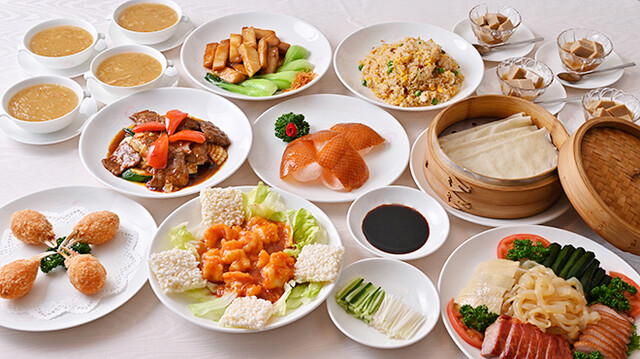
The menu
What to order
- Shark fin stew from Kesennuma
- Peking duck
- Dim sum assortment
- House special shumai
Yokohama announces itself before the meal: harbor-city movement, busy dining streets, and a long tradition of Chinese restaurants serving both everyday customers and occasion diners. From the pavement it can seem casual, all quick meals and bright menu boards, but its deeper dining culture also supports planned meals and group occasions. Behind the street noise is a city where Chinese dining can move from quick plates to longer, more deliberate meals. Kasei Rou Honten belongs in that Yokohama conversation.
The key Yokohama distinction is not simply Chinese versus Japanese, but quick dining, neighborhood dining, and more formal dining within the same city. Saiko Shinkan, Kyo Chubo, Keitokuchin, and Norizo give readers useful points of comparison within Yokohama Chinese dining, while Kasei Rou Yokohama chuukagai shinkan baiten plays another role in the same broader field. Against that field, Kasei Rou Honten is a Chinese restaurant with a 2026 Tabelog 100 selection and a Tabelog score of 3.60.
Yokohama's planned-meal rhythm, not only its snack-counter pace
The meal format matters because Yokohama serves tourists moving between casual stops, local families marking milestones, companies hosting formal gatherings, and regulars who know which restaurants suit a longer meal. A planned Chinese meal puts the diner inside another register of the city. The table, rather than the street, organizes the experience. Pacing leaves room for conversation, and a more deliberate setting can shift the meal from a quick stop to an occasion.
Restaurant scale and mood are therefore more than surface details. Kasei Rou Honten is best read as part of Yokohama’s established Chinese dining scene rather than as a casual snack stop or a small modern counter. That distinction matters in Japan’s Chinese dining culture: celebrations, business meals, multi-generation lunches, and formal dinners can all call for a restaurant with a clearer sense of occasion. The important details are the pace of the meal, the group’s purpose, and the way the table holds the visit together.
The restaurant is best understood through that larger Chinese-dining frame rather than through a single signature claim. It is listed in the Chinese category, and its published budget places dinner at JPY 10,000 - JPY 14,999 and lunch at JPY 8,000 - JPY 9,999. This is not Yokohama dining as a quick stop between errands; it is a planned meal with social structure, external recognition, and a price signal that rewards diners who want the table to carry the occasion.
How to read the room: group use, family meals, and formal comfort
Yokohama’s better Chinese restaurants must serve several kinds of guests without flattening the experience. At Kasei Rou Honten, the useful way to read the venue is through its balance of formality and accessibility: it sits in a recognizable Chinese-restaurant tradition while remaining legible to diners comparing serious meals across the city. The public markers are simple but meaningful: Chinese cuisine, a Tabelog score of 3.60, and a 2026 Tabelog 100 selection.
Those details make the venue more flexible than a purely ceremonial description might suggest. A formal Chinese meal in Yokohama can be solemn or pragmatic: grandparents, children, visiting relatives, clients, and friends can all sit within a structure that protects the table’s pace. What matters is not a theatrical checklist, but the ability of the restaurant to make a shared meal feel deliberate, ordered, and suitable for a group that wants more than a quick plate.
The published budget also sets expectations before arrival. Dinner is listed at JPY 10,000 - JPY 14,999, while lunch is listed at JPY 8,000 - JPY 9,999. That range positions the restaurant for diners planning ahead rather than improvising a snack stop. The policy details of any given booking should be checked directly with the restaurant, but the dining signal is clear: this is a considered engagement, not simply a spontaneous pause between other Yokohama plans.
For readers mapping Yokohama beyond one table, the city rewards contrast. Pair a planned Chinese meal at Kasei Rou Honten with other Yokohama dining rooms, or compare it with allowed nearby points of reference such as Saiko Shinkan, Kyo Chubo, Keitokuchin, Norizo, and Kasei Rou Yokohama chuukagai shinkan baiten. For a wider cut, use broader Yokohama restaurant research, then place the meal alongside other Yokohama hospitality options and Our full Yokohama experiences guide.
Where it fits for a serious Yokohama meal
Kasei Rou Honten is strongest for diners who want Yokohama Chinese dining in a more deliberate register: a planned budget, a recognized listing, and the social choreography of a longer meal. It suits travelers seeking neither a fast market crawl nor an improvised casual stop. The Tabelog 100 selection gives it a current external marker, and the Tabelog score of 3.60 gives another reference point. The listed budget and Chinese category define the experience more precisely than any unsupported claim about a single dish or personality.
That is why comparison shopping by price alone misleads. A lower-commitment Yokohama address may answer a quick lunch brief; a more deliberate Chinese meal answers another question: where can a group sit down, mark an occasion, and let the table run on conversation rather than speed? In Yokohama, that distinction is the point.
Travelers extending the comparison beyond Yokohama can read the Japanese dining map through adjacent formats in general terms: counter-led cooking, casual seafood rooms, café culture, regional contemporary dining, curry specialists, sake-bar dining, and Japanese casual forms all answer different needs. Read this Yokohama table through that broader lens and its appeal becomes clearer: not novelty, but a recognized Chinese restaurant within one of Japan’s most important restaurant cities.
Frequently asked questions
What time does Kasei Rou Honten open and close?
Opening hours for Kasei Rou Honten should be confirmed directly with the restaurant before visiting.
What should I budget for a meal at Kasei Rou Honten?
Pricing at Kasei Rou Honten is listed as Dinner: JPY 10,000 - JPY 14,999; Lunch: JPY 8,000 - JPY 9,999.
Where is Kasei Rou Honten located?
Yokohama.
What is Kasei Rou Honten known for?
Kasei Rou Honten is known as a Chinese restaurant in Yokohama with a 2026 Tabelog 100 selection and a Tabelog score of 3.60.
Cuisine-First Comparison
Nearby venues at a similar price tier for orientation.
| Venue | Cuisine | Price | Awards | Notes |
|---|---|---|---|---|
| Kasei Rou HontenThis venue (the venue you are viewing) | Traditional Beijing-style Chinese banquet restaurant | $30–50 | Tabelog 100 #76 | Not listed |
| SUIRINKAKU | Nouvelle Chinese fine dining in Yokohama Bashamichi | $100–150 | Tabelog 100 #67 | Naka |
| Keitokuchin | Traditional Sichuan Chinese | $20–30 | Tabelog 100 #14 | Naka |
| Banri | Chinese Dumplings | $20–30 | Tabelog 100 #57 | Naka |
| Aichun | Traditional Cantonese in Yokohama Chinatown | $10–20 | Tabelog 100 #82 | Naka |
| Restaurant Artisan | Neo-classic French Bistro & Wine Bar | $50–100 | Tabelog 100 #53 | Naka |
Recognition history
Dated appearances from independent guides and award organizations, with the underlying list record or original source where available.
Tabelog 100 #76 · No. 76
Tabelog · Tabelog 100 - Chinese cuisine - EAST - 2026
Continue exploring
More in Yokohama
Restaurants in Yokohama
All restaurants in Yokohama →



Bars in Yokohama
Browse all →




Details
- Classic
- Elegant
- Well Known
- Business Dinner
- Group Dining
- Family
- Celebration
- Special Occasion
- Private Event
- Private Dining
- Historic Building
- Design Destination
- Standalone
- A La Carte
- Set Menu
- Family Style
Current opening hours
- Monday
- 11:30 AM–10 PM
- Tuesday
- Closed
- Wednesday
- 11:30 AM–10 PM
- Thursday
- 11:30 AM–10 PM
- Friday
- 11:30 AM–10 PM
- Saturday
- 11:30 AM–10 PM
- Sunday
- 11:30 AM–10 PM
Hours can change for holidays and private events. Hours as of .
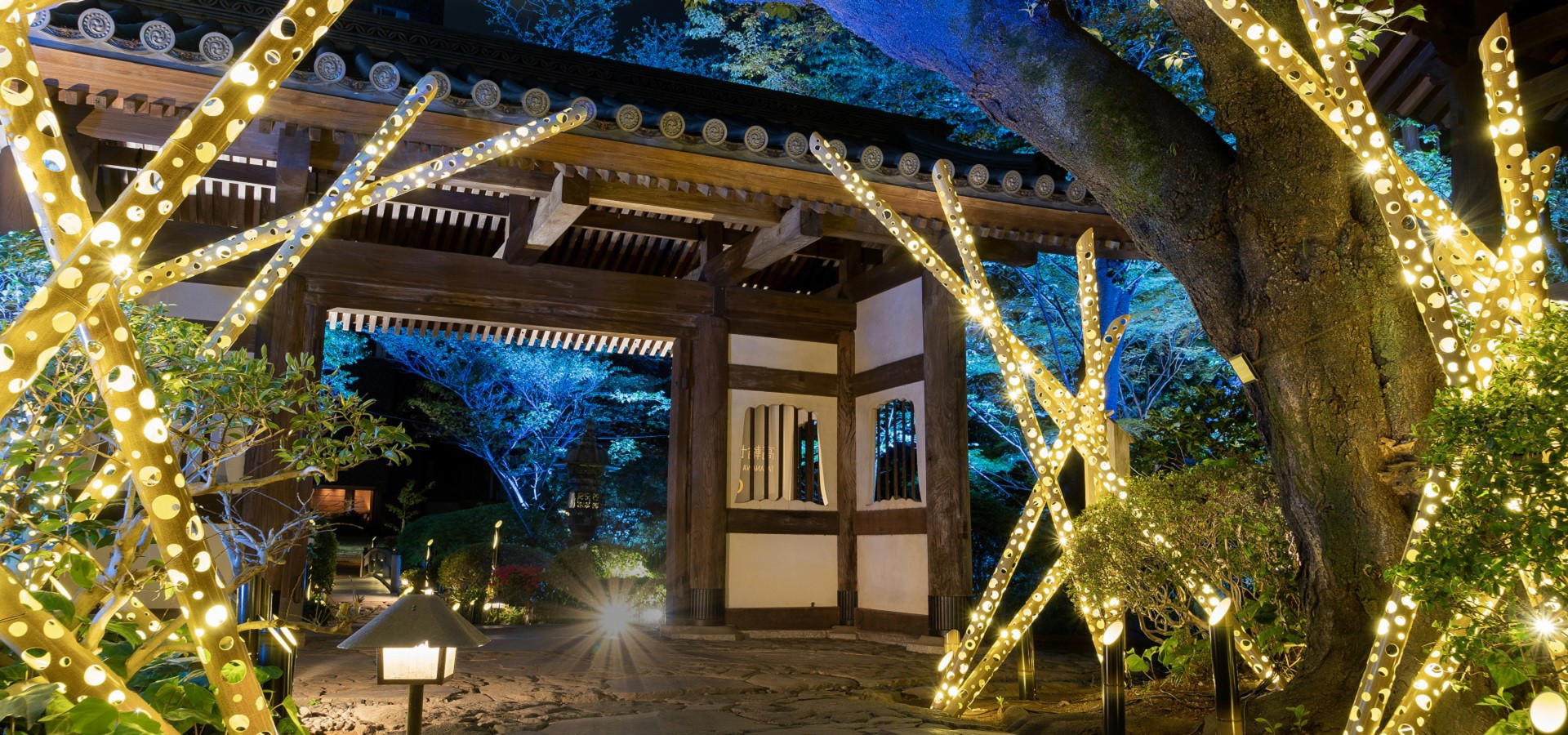
A classic, formal Chinese banquet-house atmosphere with spacious dining rooms and private rooms, traditional décor, and a refined but bustling feel suited to celebrations and formal gatherings.