
Nord places Amagasaki’s everyday okonomiyaki culture inside a tighter quality bracket: counter seating, teppanyaki and izakaya adjacency, and repeat selection in Tabelog’s Okonomiyaki 100 from 2022 through 2025. It is a modest-budget Tachibana-area address with the credibility of a specialist rather than the posture of a destination dining room.
Pearl is the En Primeur Club membership app — saves, bookings, and concierge access live there. Same editors, same standards.
- Address
- 兵庫県尼崎市七松町1-9-3
- Phone
- +81664164690
- Website
- tabelog.com
 Saves & bookings on Pearl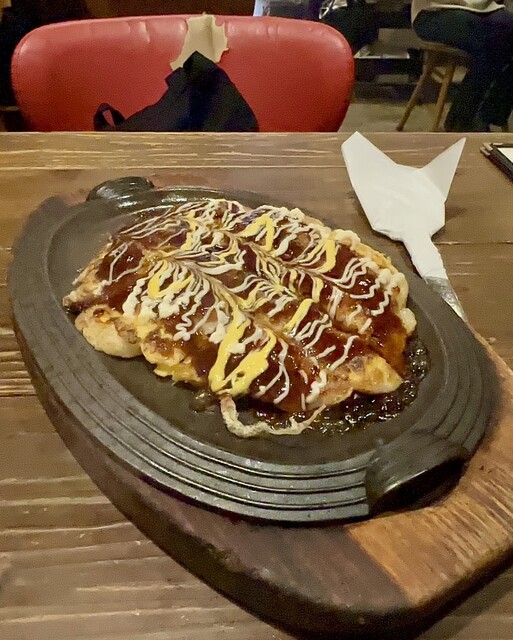
The approach to an okonomiyaki counter in Amagasaki is not built around ceremony. It is built around heat, turnover, and the choreography of a griddle-led room, where batter, cabbage, sauce, and side dishes belong to the same working vocabulary as beer, sake, and shochu. In that context, Nord reads less like an outlier than a sharpened version of a Kansai staple: compact, counter-oriented, and close to the daily rhythms around Tachibana rather than the polished dining circuits of central Osaka or Kobe.
Okonomiyaki is often flattened in travel writing into comfort food, but the better Kansai addresses are ingredient-led in a practical, unsentimental way. The dish depends on proportion: cabbage cut to suit the batter, additions handled without burying the base, heat controlled so the center sets without drying out, and sauce used as punctuation rather than disguise. Teppanyaki and izakaya categories matter here because they widen the meal without changing its grammar. The same grill culture that handles a pancake can support small plates, drinks, and a more casual sequence than a single-dish stop.
Amagasaki okonomiyaki with specialist recognition, not tourist theatre
Hyogo’s dining identity is often pulled toward Kobe beef, coastal seafood, and the prefecture’s sake culture, but Amagasaki has a more workday register. Its better casual restaurants sit between neighborhood utility and obsessive specialization. Nord’s repeated inclusion in Tabelog’s Okonomiyaki 100 in 2022, 2023, 2024, and 2025 places it inside that specialist tier. The signal is useful because okonomiyaki rarely receives the international awards attention given to sushi, kaiseki, or French-Japanese tasting menus; recognition here tends to reward consistency inside a category locals know well.
The comparison set in Amagasaki is revealing. Gyoraku Karakara operates at a far higher spend level, while ramen and udon addresses such as Honkaku Sanuki Udon Honoka or casual noodle rooms compete on speed, specialization, and repeatability. Nord belongs to the lower-cost, high-frequency side of the city’s dining map, but its award history moves it away from purely functional eating. That is the point: in Kansai, a griddle counter can be inexpensive and still demand a serious reading.
The ingredient question is central. Okonomiyaki’s reputation rests on abundance, yet the form is unforgiving when sourcing and prep are lazy. Cabbage brings structure and sweetness; flour and egg bind rather than dominate; seafood, pork, or other additions need enough presence to justify their place. No single named dish needs to carry the argument. The category itself rewards kitchens that treat everyday components with discipline, which is why repeat recognition over several years says more than a single burst of attention.
The counter format suits solo diners, small groups, and a drink-led meal
Counter seating changes how okonomiyaki is experienced. It shortens the distance between cooking and eating, keeps the grill as the center of the room, and makes solo dining feel ordinary rather than improvised. The format also suits friends who want a meal built from shared items and drinks rather than courses. Sake and shochu fit naturally with this style, not as luxury pairings but as part of the izakaya logic that surrounds the griddle.
Nord is listed across okonomiyaki, teppanyaki, and izakaya categories, a combination that matters more than it first appears. It tells the reader not to expect the narrowness of a single-item counter or the pacing of a formal restaurant. The appeal lies in a category overlap common to Kansai: a hotplate kitchen with enough range for a fuller evening, yet still anchored by the pancake tradition. For travelers using Amagasaki as a base between Osaka and Kobe, that makes the restaurant a useful corrective to itineraries that over-index on famous city-center names.
The room’s small scale also frames expectations. A compact counter is not built for lingering theatrics or large-party sprawl; it rewards direct ordering, efficient eating, and attention to what comes off the grill. Non-smoking status is a practical plus in a genre where older rooms can feel enclosed. Take-out adds flexibility, though the strongest case for this style remains the immediacy of a griddle-led meal.
Where it fits in an Amagasaki itinerary
Amagasaki’s value for food-minded travelers is its position between bigger culinary narratives. Osaka often claims okonomiyaki as civic identity, Kobe draws premium dining attention, and Kyoto dominates heritage dining. Amagasaki is more useful for reading how Kansai food functions day to day: noodle shops, izakaya counters, local Chinese rooms, grilled formats, and neighborhood specialists that do not need a hotel-concierge script.
Readers building a local route can place Nord alongside other Amagasaki entries rather than treating it as a standalone detour. Angle, Butanohoshi, Dairen, and the city’s noodle and grill rooms show how broad the casual dining field becomes once the focus shifts away from central Osaka. For wider planning, use our full Amagasaki restaurants guide, with parallel city pages for Amagasaki hotels, Amagasaki bars, Amagasaki wineries, and Amagasaki experiences.
The broader Japan file helps calibrate expectations across price tiers and formats. A traveler comparing casual specialization with destination-led meals might look from Amagasaki to -Grilled beef Sukiyaki- KAMAKURA TANUKIAN 鎌倉 たぬき庵 in Kamakura. 鮪と炭火焼き うお炭 秋葉原店 in Tokyo.cafe in Osaka.know in Kumamoto, (Shoku) Vietnam in Kawasaki, and [Curry Senmon Ten] Maruyama Kyoju. in Sapporo. For a North American contrast in casual Japanese formats, Jōdo Saké Bar in Los Angeles and Onigiri Time in Pasadena show how Japanese drinking and snack cultures translate outside Japan.
The editorial verdict is clear: Nord is not about luxury signals. Its importance is category discipline at neighborhood scale. In a city where everyday eating carries more truth than spectacle, a repeat Tabelog Okonomiyaki 100 selection gives travelers a grounded reason to pay attention.
Comparison Snapshot
Comparable venues by cuisine and price in the same metro.
| Venue | Cuisine | Price | Notes |
|---|---|---|---|
| NordThis venue — the venue you are viewing | Okonomiyaki & Teppanyaki Izakaya | $ | Not listed |
| Sanuki Udon Harushin | Sanuki-style Udon & Tempura | $ | /潮江 (Shioe) |
| Miraku En | Yakiniku (Japanese BBQ) | $$ | / Amagasaki Station area |
| Teuchi Udon Yoshino | Traditional handmade udon and katsu-don shop | $ | Amagasaki |
| Ramen Senmon Nagomi Mukonosou ten | Ramen counter near Mukonoso Station | $ | Mukonoso |
| Ramen Senmon Nagomi | Ramen | $ | Mukogawa |
Recognition history
Dated appearances from independent guides and award organizations, with the underlying list record or original source where available.
Tabelog 100 #66 · No. 66
Tabelog · Tabelog 100 - Okonomiyaki - 2025
Continue exploring
More in Amagasaki
Restaurants in Amagasaki
Browse all →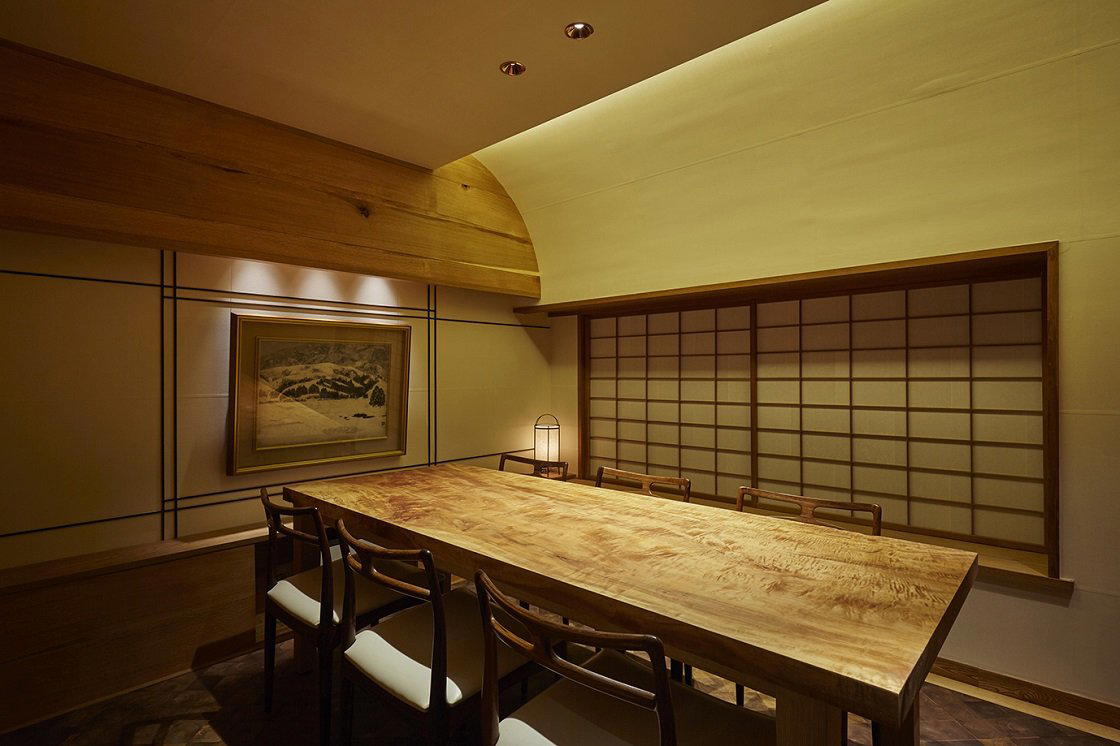




Bars in Amagasaki
Browse all →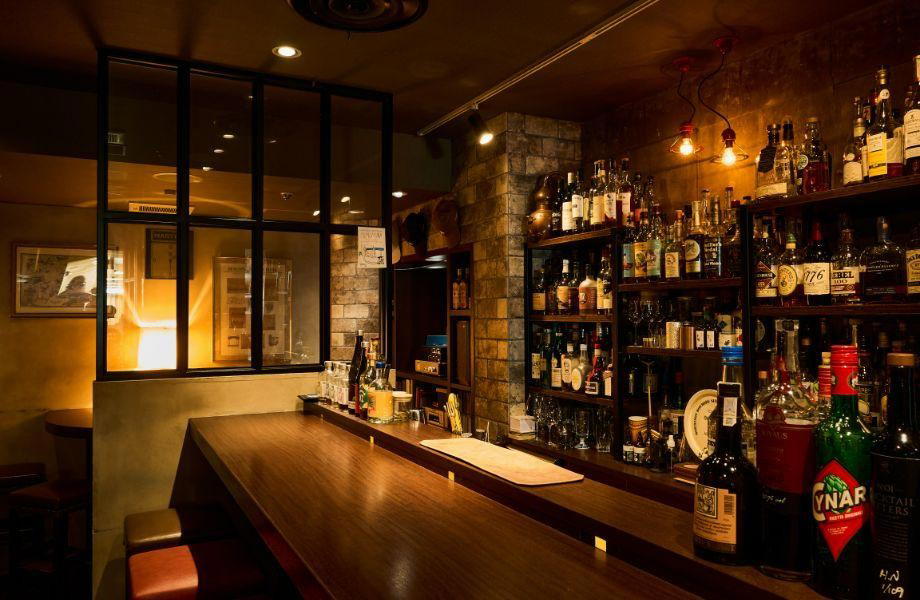
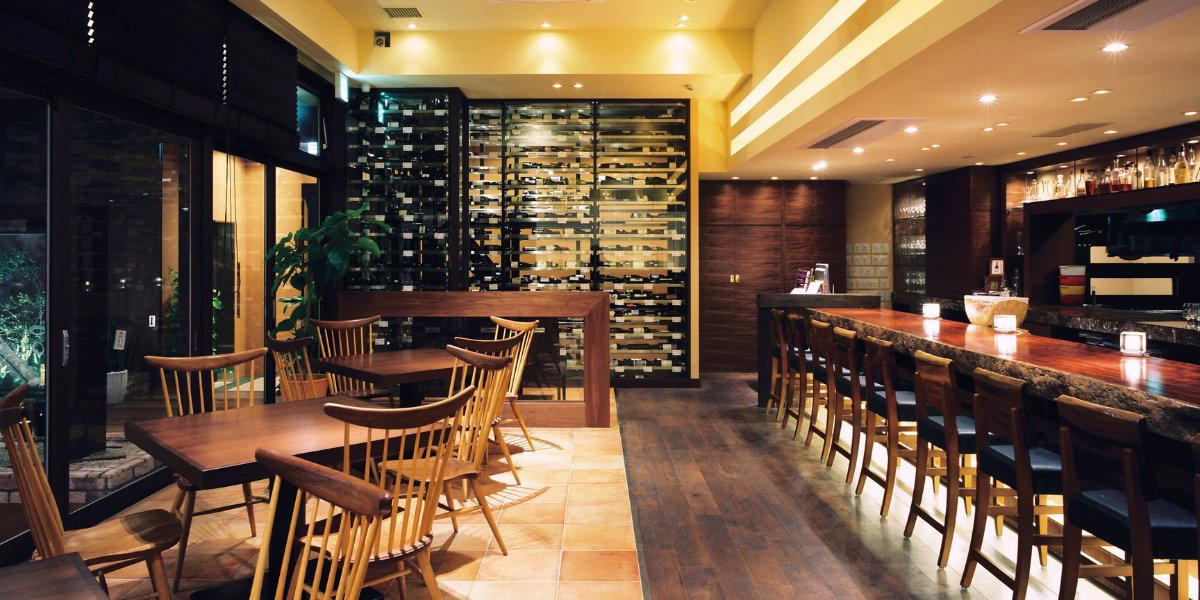

Hotels in Amagasaki
Browse all →



Wineries in Amagasaki
Browse all →
At a Glance
- Lively
- Cozy
- Classic
- Energetic
- Casual Hangout
- Solo
- Group Dining
- After Work
- Family
- Celebration
- Chefs Counter
- Open Kitchen
- Standalone
- Sake Program
- Beer Program