
Ramen Senmon Nagomi brings Amagasaki’s neighbourhood ramen culture into a tighter, award-recognised frame: counter seating, no reservations, and repeated Tabelog Ramen WEST 100 selections from 2017 through 2025. The appeal is not luxury theatre, but the discipline of a small ramen shop whose format rewards solo diners, early timing, and a tolerance for queue-driven meals.
Pearl is the En Primeur Club membership app — saves, bookings, and concierge access live there. Same editors, same standards.
- Address
- 兵庫県尼崎市武庫川町2丁目19-3
- Website
- tabelog.com
 Saves & bookings on Pearl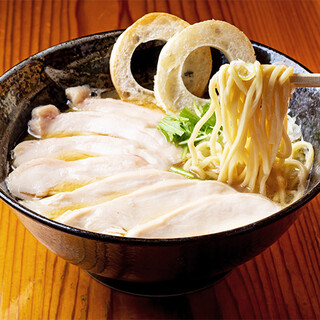
Approaching the Mukogawa side of Amagasaki, the mood is working-city Kansai rather than destination dining district. Ramen here is not ceremony; it is a compact exchange between broth, noodles, pace, and patience. The room format tells the reader the meal before the first bowl arrives: counter seating, limited capacity, and a rhythm shaped by lunchtime demand, not leisurely courses.
That is the lens for Ramen Senmon Nagomi. In Japan’s ramen culture, serious shops often use fewer moving parts than fine-dining restaurants, yet face equally sharp competition. An everyday-priced bowl must justify repeat local use, while award lists expose it to travellers comparing Osaka, Kyoto, Kobe, and the wider western Japan ramen circuit. Nagomi’s repeated selection for Tabelog Ramen WEST 100 from 2017 through 2025 places it in that regional conversation: not as luxury, but as a small-format specialist with sustained recognition.
Amagasaki ramen as a counter culture, not a tasting-menu performance
Ramen’s cultural force in Kansai comes partly from its lack of ceremony. Unlike sushi omakase or kaiseki, it is built for speed, solo eating, and repetition. Craft is compressed into one bowl: stock management, noodle texture, seasoning balance, toppings, and temperature must land within minutes. That is why a nine-seat counter can carry more pressure than a larger dining room. There is little room for distraction, and no private-room buffer between kitchen and guest.
Amagasaki adds context. Sitting between Osaka and Kobe, it is often treated as transit space by visitors chasing larger names nearby. Its food culture rewards practical specialists: ramen shops, udon counters, casual Chinese rooms, yakiniku, and neighbourhood drinking addresses. For readers mapping the city rather than parachuting into one meal, the local spread is instructive. Butanohoshi gives Amagasaki another ramen reference point, while Honkaku Sanuki Udon Honoka shows noodle culture extending beyond ramen into a lower-priced udon register. Dairen, Gyoraku Karakara, and Angle complete a dining map less about polished hospitality theatre than tightly defined local formats.
The comparison with other Amagasaki addresses matters because Nagomi sits apart from higher-spend local dining such as Miraku En, and from sub-¥1,000 everyday counters such as Shin Chan or Honkaku Sanuki Udon Honoka. Its recognition is category-specific: Tabelog Ramen WEST 100 in 2025, prior selections across multiple years, and Tabelog Award Bronze recognition in 2019 and 2020. In ramen, repeated listing matters because the field is crowded, local, and unforgiving. A shop cannot coast on room design or a wine list; the bowl does the arguing.
Why the format changes the way to read the meal
The shop’s nine counter seats create an experience closer to a working kitchen bar than a social restaurant. Counter-only ramen focuses attention on pace and turnover, matching how many Japanese diners use ramen: alone, within a defined window, with minimal ceremony. The setting is non-smoking, private rooms are unavailable, and private use is unavailable, keeping the experience in the public, quick-service tradition rather than the enclosed hospitality model of higher-budget restaurants.
Reservations are unavailable, so planning changes. This is not a table to schedule deep into an itinerary; it is a stop needing timing discipline and a backup plan. Operations concentrate around lunch Tuesday through Saturday, with service ending when sold out. Saturday can shift between regular restaurant service and takeout-only operation, making it less certain than a standard weekday. Payment is also part of the format: cards, electronic money, and QR payments are not accepted. Ramen culture may look informal, but serious shops demand more traveller attention than a hotel concierge booking.
The location near Mukogawa Station matters. The address is on the Hyogo side of the Osaka-Kobe corridor, not in a dense tourist dining zone. That makes it more convincing as part of an Amagasaki food day than as a standalone detour for travellers with limited Kansai time. Readers building a local route should start with our full Amagasaki restaurants guide, then decide whether the day needs nearby lodging via our full Amagasaki hotels guide, evening drinking through our full Amagasaki bars guide, producer-led context in our full Amagasaki wineries guide, or local programming from our full Amagasaki experiences guide.
The wider Japanese comfort-food circuit
Nagomi also belongs to a broader Japanese pattern that premium travellers sometimes misread. Not every serious meal announces itself through high spend, tasting menus, or English-facing booking systems. Some of Japan’s most revealing food culture sits in specialist categories with narrow menus, short service windows, and everyday pricing. That logic links ramen to udon, curry, onigiri, casual cafés, and sake-led rooms, where repetition and category discipline carry authority.
For comparison across Japan and the Japanese diaspora, the useful references are not necessarily peer ramen shops. [Curry Senmon Ten] Maruyama Kyoju. in Sapporo shows the same specialist logic applied to curry;.cafe in Osaka sits in a softer café register;.know in Kumamoto suggests how smaller-city dining rewards targeted itineraries. Outside Japan, Jōdo Saké Bar in Los Angeles and Onigiri Time in Pasadena show how Japanese categories travel when treated as formats rather than decorative themes.
Other links widen the map: -Grilled beef Sukiyaki- KAMAKURA TANUKIAN 鎌倉 たぬき庵 in Kamakura sits in a more composed beef tradition;. 鮪と炭火焼き うお炭 秋葉原店 in Tokyo points toward fish and charcoal cooking; (Shoku) Vietnam in Kawasaki shows how non-Japanese casual formats fit into Japan’s urban eating culture. Nagomi’s value, read against that range, is its refusal to complicate the proposition. It is a recognised ramen counter in Amagasaki, built around a format that rewards decisive planning and category curiosity.
Pricing, Compared
Nearby venues at a similar price tier for orientation.
| Venue | Cuisine | Price | Notes |
|---|---|---|---|
| Ramen Senmon NagomiThis venue — the venue you are viewing | Mukogawa, Ramen | $ | Not listed |
| Angle | Not listed | $ | /Tsukaguchi, Japanese Stew & Curry House |
| Sanuki Udon Harushin | Not listed | $ | /潮江 (Shioe), Sanuki-style Udon & Tempura |
| Teuchi Udon Yoshino | Not listed | $ | Amagasaki, Traditional handmade udon and katsu-don shop |
| Udon Kobo Yuuyu | Tsukaguchi, Udon and Tempura Shop | $ | Not listed |
| Honkaku Sanuki Udon Honoka | Amagasaki, Traditional Sanuki udon | $ | Not listed |
Recognition history
Dated appearances from independent guides and award organizations, with the underlying list record or original source where available.
Tabelog 100 #26 · No. 26
Tabelog · Tabelog 100 - Ramen - WEST - 2025
Continue exploring
More in Amagasaki
Restaurants in Amagasaki
Browse all →



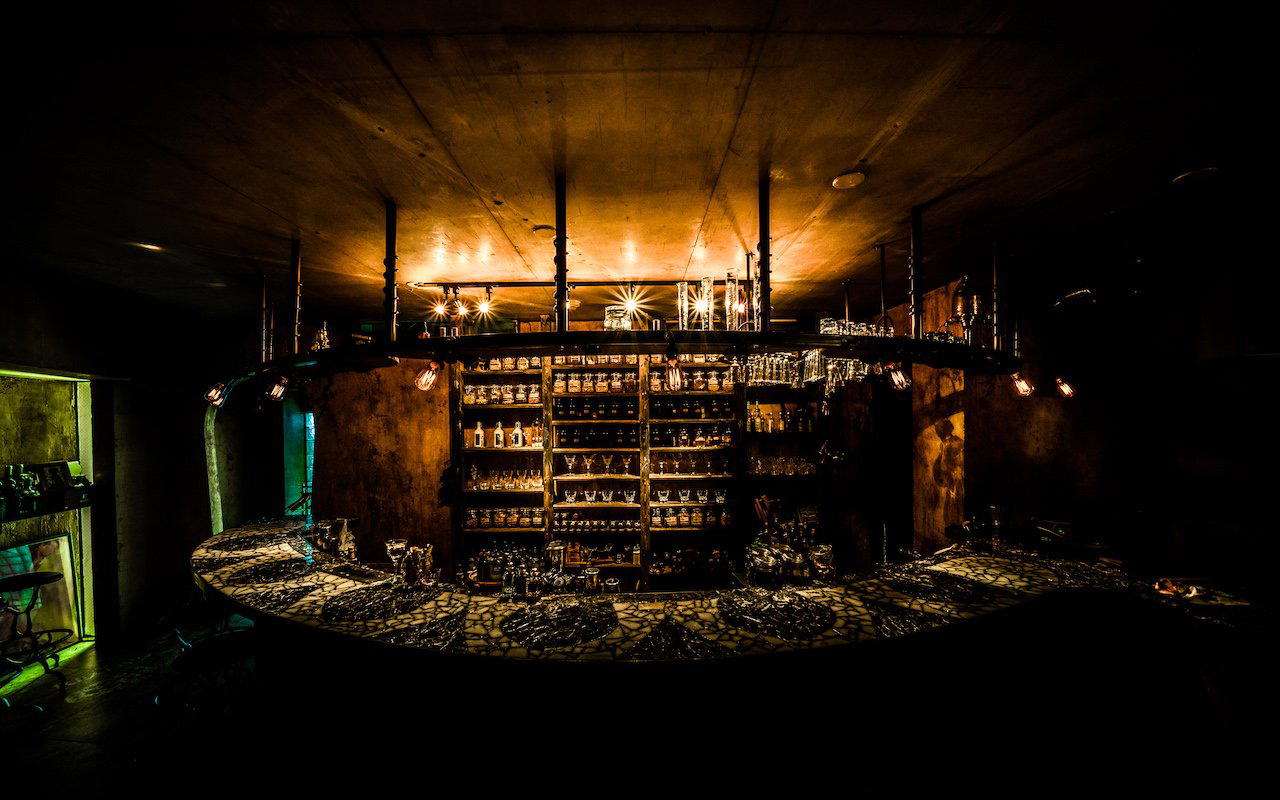
Bars in Amagasaki
Browse all →



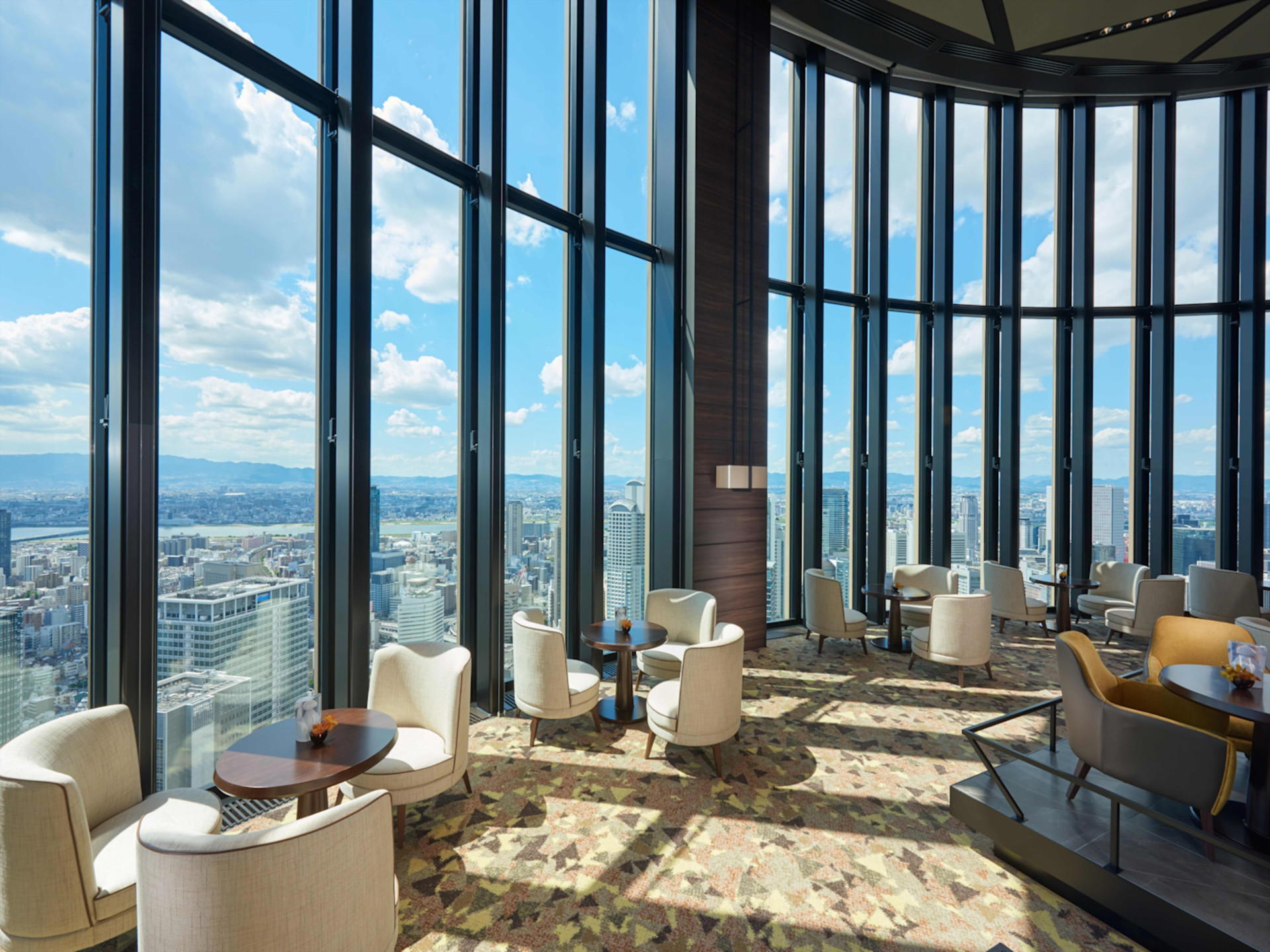
Hotels in Amagasaki
Browse all →



Wineries in Amagasaki
Browse all →
At a Glance
- Cozy
- Minimalist
- Solo
- Casual Hangout
- Standalone
Small, quiet counter-only ramen shop with a simple, relaxed atmosphere focused on the bowl rather than décor.