
Tabelog 100 #45
Our verdict
Dairen puts Amagasaki’s everyday Chinese dining culture in sharper focus: local, practical, and recognized beyond the neighborhood through selection for Tabelog Chinese WEST “Tabelog 100” 2026. The draw is not ceremony but category authority, with Chinese, kara-age, and dumplings placed in the same casual price tier that defines much of the city’s strongest eating.

Pearl is the En Primeur Club membership app, where members save venues, book tables and use the concierge.
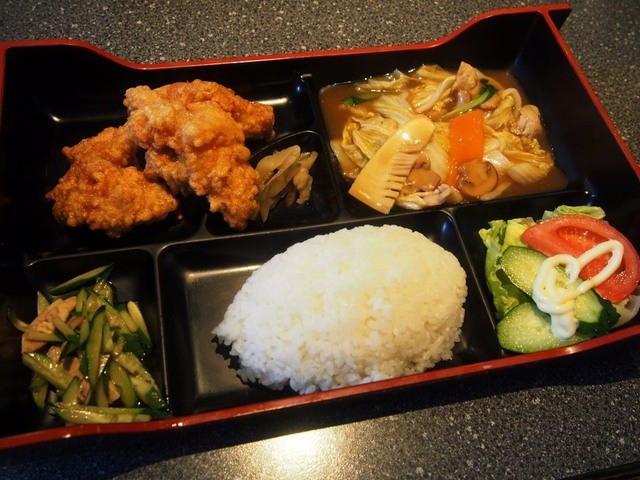
The menu
What to order
- Amagasaki ankake champon
- Deep-fried chicken
- Dumplings
Approaching Dairen in Amagasaki changes the expectations before a menu is opened. Amagasaki is not a city built around dining spectacle; its stronger food addresses sit close to everyday routines, where repeat custom matters more than theatrical design. Dairen belongs to that tradition of practical Chinese dining: a local room, a broad comfort register, and enough regional recognition to pull attention from beyond the immediate neighborhood.
The context matters. In western Japan, Chinese restaurants cover a wide range, from formal dining rooms to neighborhood counters serving gyoza, fried chicken, and rice-driven plates. The Hyogo version often rewards usefulness: a place can matter because it feeds families, office workers, and friends without asking them to dress for a tasting menu. Selection for Tabelog Chinese WEST “Tabelog 100” 2026 places Dairen inside a curated regional conversation, but the format remains grounded in the accessible side of the category rather than the luxury end.
Japanese-Chinese cooking treated as neighborhood infrastructure
Chinese food in Japan is not a single imported cuisine translated intact. It has its own domestic history, shaped by chuka dining rooms, ramen shops, gyoza specialists, banquet restaurants, and family-run kitchens that fold Chinese technique into Japanese dining rhythms. Dairen’s listed categories, Chinese, kara-age, and dumpling, point directly to that middle register. This is the part of the cuisine where crisp frying, table-sharing, and rice compatibility carry as much weight as regional orthodoxy.
That makes the restaurant’s recognition more interesting than a simple award badge. Tabelog’s Chinese WEST selection covers a large and competitive field across western Japan, where Osaka, Kyoto, Kobe, and surrounding cities all exert pressure. Amagasaki entries have to compete without the automatic tourism traffic attached to better-known dining districts. A 2026 selection gives Dairen external validation while keeping its identity tied to the local Chinese restaurant model: direct, social, and repeatable.
Within Amagasaki, that matters because the city’s stronger restaurant culture is not confined to one prestige lane. A traveler reading the area through price and format will see a spread: Angle sits in an accessible bracket, Gyoraku Karakara occupies another local lane, and Ogitani points to a further register in the city. Against that range, Dairen’s appeal is its category clarity. It is not trying to behave like a destination counter; it represents the kind of neighborhood Chinese table that Japanese cities rely on more than guidebook shorthand usually admits.
Why the room matters as much as the recognition
The restaurant’s format reinforces the point. Rather than treating Dairen only as an award listing, it is more useful to read it as a practical local Chinese restaurant with a clear category identity. That is culturally significant in this genre. Japanese-Chinese restaurants often function as shared-table spaces, where dumplings, fried dishes, rice, and drinks can move across a party rather than arriving as individually plated courses. Dairen belongs within the family-gathering and friends-at-dinner side of the scene, not the hushed counter tradition that dominates many English-language conversations about Japanese dining.
The category also fits the setting. Chinese, kara-age, and dumpling are not abstract labels here; they describe the kind of everyday appeal that makes a restaurant useful to locals. The pairing logic is less about textbook regional matching and more about what diners actually want with fried food, dumplings, and shared plates. That is a useful clue for visitors: the experience reads as Amagasaki first, Chinese restaurant second, and formal occasion last.
There is a practical discipline to this type of place. The listed budget keeps Dairen in an accessible range, with dinner at JPY 2,000 - JPY 2,999 and lunch at JPY 1,000 - JPY 1,999. Those details affect the reader’s decision more than any invented romance around the room would. The stronger move is to treat it like a serious neighborhood restaurant with award recognition: arrive with flexibility, keep the budget in mind, and understand that the room’s value lies in its local function rather than luxury signaling.
Where Dairen fits in an Amagasaki food itinerary
For travelers using Amagasaki as more than a transit point between Osaka and Kobe, Dairen helps explain the city’s dining character. The area rewards specific, category-led choices rather than broad searches for glamour. Udon specialists, casual dining, higher-spend local rooms, and Chinese restaurants all coexist within a relatively compressed urban fabric. That makes a meal here less about checking off a famous address and more about reading how a working Kansai city eats when it is not performing for visitors.
Useful nearby context includes other casual and specialist dining in Amagasaki, each pointing to a different lane in the city. Readers planning a wider route can start with our full Amagasaki restaurants guide, then use our full Amagasaki hotels guide, our full Amagasaki bars guide, our full Amagasaki wineries guide, and our full Amagasaki experiences guide to build the rest of the day.
The broader Japan file shows how useful this category-led approach can be. A reader comparing everyday specialization across cities might look at grilled beef, seafood, cafe, Vietnamese, curry, sake-bar, or onigiri formats in other places. The point is not to flatten those restaurants into one style, but to notice how Japanese dining formats travel, adapt, and change under different city pressures.
The editorial case for Dairen is compact: a recognized Chinese address in Amagasaki, rooted in a local-restaurant format and the communal grammar of Japanese chuka dining. It is a stronger choice for readers who want to understand the city through the meals locals repeat, not through an imported idea of what a serious restaurant is supposed to look like.
Frequently asked questions
Is Dairen child-friendly?
Dairen’s listed categories, Chinese, kara-age, and dumpling, make it a practical choice for a casual meal in Amagasaki. Lunch is listed at JPY 1,000 - JPY 1,999.
How would you describe the vibe at Dairen?
It reads as a local Chinese restaurant rather than a formal dining room. Dairen also carries the Tabelog 100 Chinese WEST 2026 selection, which gives the room local weight without turning it stiff.
What's the price range at Dairen?
Pricing at Dairen is listed as dinner JPY 2,000 - JPY 2,999 and lunch JPY 1,000 - JPY 1,999.
What time does Dairen open and close?
Current opening hours are not provided here; check directly with Dairen before visiting.
Budget Reality Check
Nearby venues at a similar price tier for orientation.
| Venue | Cuisine | Price | Awards | Notes |
|---|---|---|---|---|
| DairenThis venue (the venue you are viewing) | Chinese | $10–20 | Tabelog 100 #45 | Not listed |
| Tenteko Mukonosou ten | Okonomiyaki | Not listed | Tabelog 100 #13 | Mukonoso, Okonomiyaki |
| Rock 'n' Billy Super 1 (ロックンビリーS1) | Award-Winning Ramen | Not listed | Not listed | Minamitsukaguchicho, Award-Winning Ramen |
| Sanuki Udon Harushin | Sanuki-style Udon & Tempura | $10–20 | Tabelog 100 #92 | /潮江 (Shioe), Sanuki-style Udon & Tempura |
| majide hamal | Thai-style biryani & curry house | $20–30 | Tabelog 100 #41 | Mukonoso, Thai-style biryani & curry house |
| Shin Chan | Chinese | Not listed | Tabelog 100 #29 | Dining |
Recognition history
Dated appearances from independent guides and award organizations, with the underlying list record or original source where available.
Tabelog 100 #45 · No. 45
Tabelog · Tabelog 100 - Chinese cuisine - WEST - 2026
Continue exploring
More in Amagasaki
Restaurants in Amagasaki
All restaurants in Amagasaki →


Bars in Amagasaki
Browse all →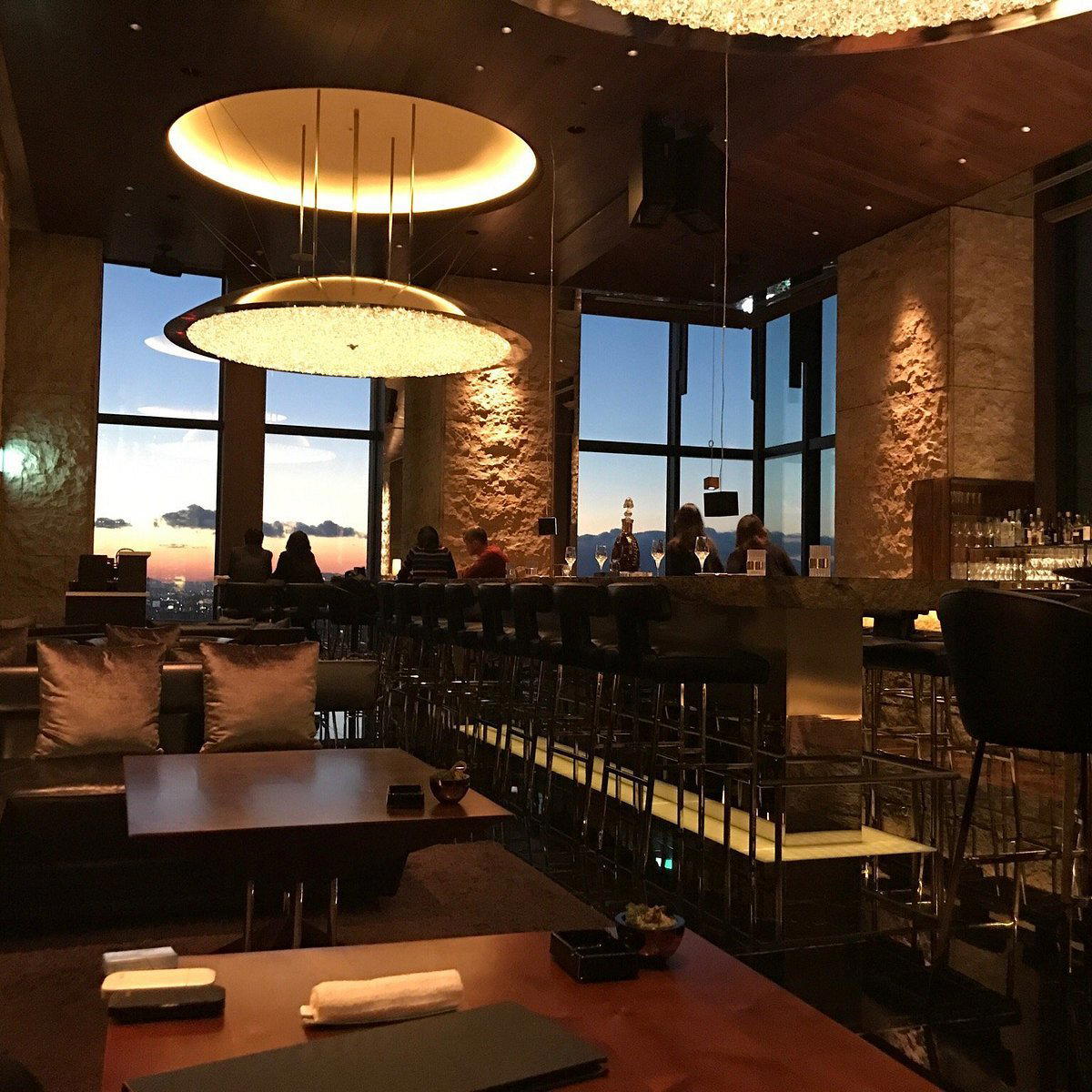



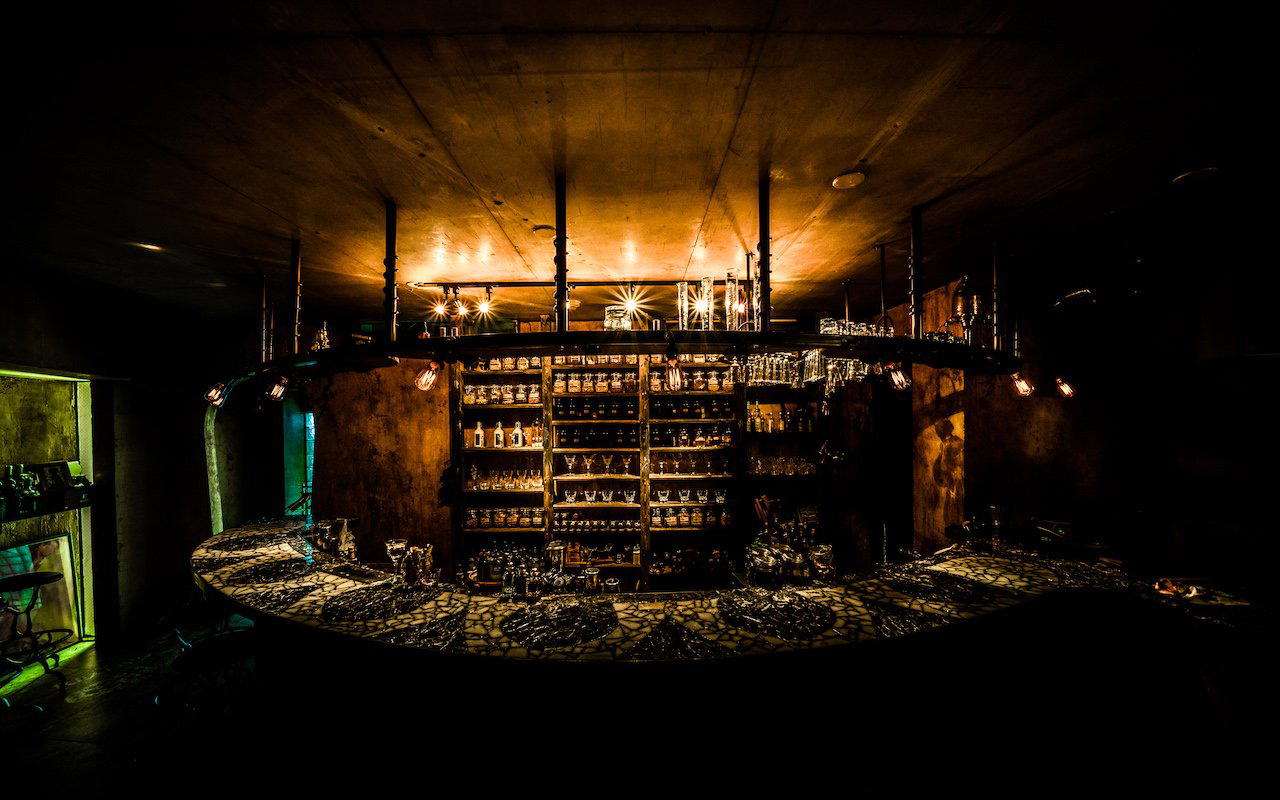
Hotels in Amagasaki
Browse all →



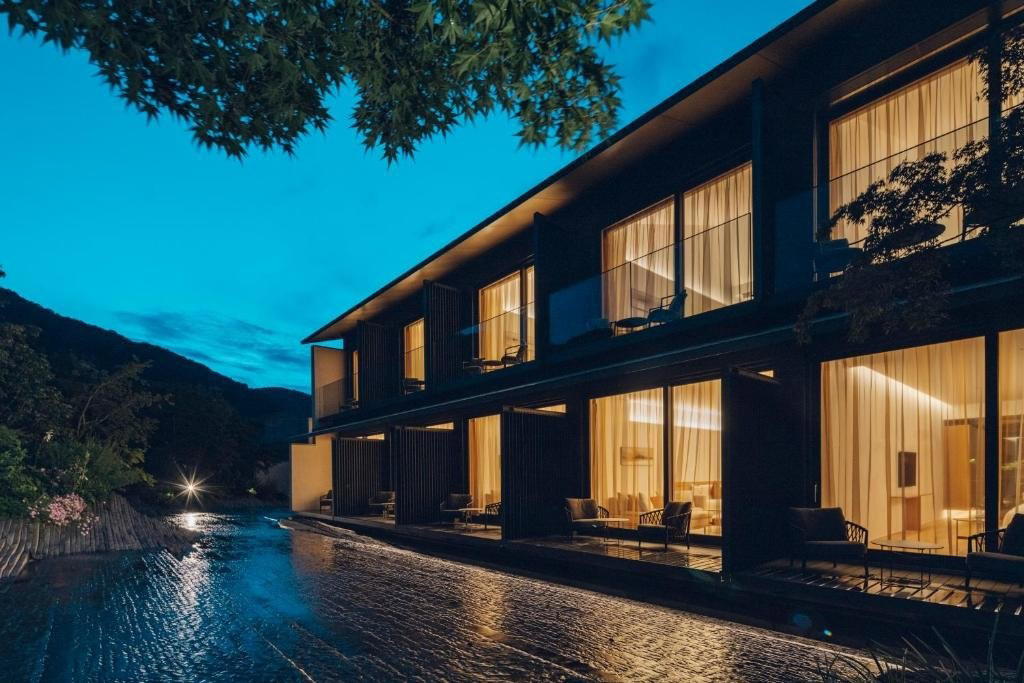
Wineries in Amagasaki
Browse all →
Details
- Classic
- Cozy
- Family
- Group Dining
- Casual Hangout
- Standalone
- Sake Program
- A La Carte
- Set Menu
- Sake
- Shochu
Current opening hours
- Monday
- Closed
- Tuesday
- Closed
- Wednesday
- 11 AM–2:30 PM, 5–8:30 PM
- Thursday
- 11 AM–2:30 PM, 5–8:30 PM
- Friday
- 11 AM–2:30 PM, 5–8:30 PM
- Saturday
- 11 AM–2:30 PM, 5–8:30 PM
- Sunday
- 11 AM–2:30 PM, 5–8:30 PM
Hours can change for holidays and private events. Hours as of .
A casual, home-style Chinese spot with a lively, family-oriented atmosphere and a practical neighborhood restaurant layout.