Risotteria Melotti
Our verdict
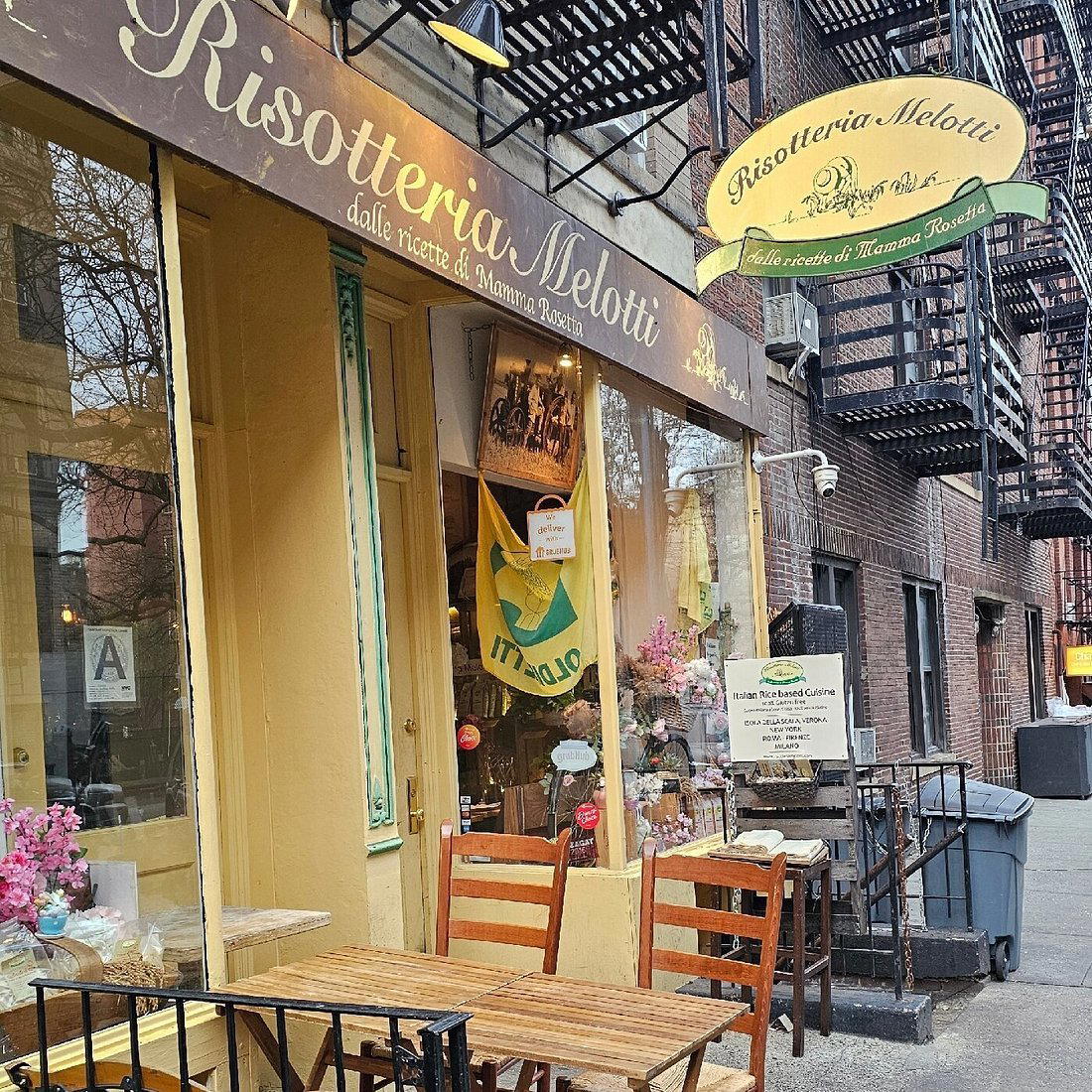
On East 5th Street in the East Village, Risotteria Melotti brings a single-minded focus to a dish most New York kitchens treat as a supporting act. The restaurant draws its identity from the Melotti rice-farming family of Verona, whose Vialone Nano grain anchors a menu where risotto is the point, not the garnish. For a city that defaults to tasting menus and taco counters, this is a deliberate, disciplined alternative.

Pearl is the En Primeur Club membership app, where members save venues, book tables and use the concierge.
The menu
What to order
- Risotto Amarone e Monte
- Risotto al Fontanile
A Single Grain, Taken Seriously
Most Italian restaurants in New York treat risotto as a pasta substitute: something creamy, something starchy, something to appease the table while the kitchen focuses elsewhere. Risotteria Melotti, at 309 East 5th Street in the East Village, operates from the opposite premise. Here, the grain is the argument. The menu is structured around risotto as a complete culinary tradition, not a side dish or an afterthought, and the rice itself traces back to the Melotti family's paddy fields outside Verona, where Vialone Nano has been cultivated under IGP protection in the Po Valley for generations.
That geographical specificity matters. Vialone Nano absorbs stock differently from Arborio or Carnaroli, producing a looser, more fluid texture that Venetian and Veronese cooks call all'onda, meaning it moves like a wave when the plate is tilted. It is a technical benchmark, not a vague aesthetic preference, and it is the kind of distinction that separates a kitchen with source conviction from one that sources on price. In a city where Italian food ranges from red-sauce institutions in Carroll Gardens to modern tasting formats like Le Bernardin's French-inflected precision, Risotteria Melotti occupies its own register entirely.
The Ritual of the Risotto Counter
Risotto imposes a particular discipline on the dining experience that most other dishes do not. It cannot be rushed, plated ahead of time, or held under a lamp. A properly made risotto requires continuous attention from the cook and a guest willing to accept that time is part of the recipe. At Risotteria Melotti, this creates a dining rhythm more akin to a sushi counter than a casual trattoria: the kitchen determines the pace, and the meal unfolds accordingly.
This model runs against the grain of how New York typically eats. The city's dining culture rewards speed and optionality, and a restaurant built around a single slow-cooked grain requires a different kind of commitment from the guest. It is the same orientation that drives the tasting-menu format at places like Per Se or the omakase structure at Masa, where the kitchen's sequence is accepted as the price of a particular kind of quality. Risotteria Melotti asks for something similar, at a different price point and without the ceremony, but with the same underlying logic: the cook knows the dish, and the guest's role is to follow.
The East Village context reinforces this. The neighbourhood has historically supported restaurants with strong points of view, from bare-bones ramen shops to cramped wine bars with hand-written lists. A specialist rice kitchen fits the same pattern. These are not venues that work through volume and broad appeal; they work through conviction and a specific audience willing to meet them there.
Situating the Concept in New York's Italian Scene
New York's Italian dining has fragmented considerably over the past decade. The red-sauce American-Italian canon holds its own in outer-borough institutions and midtown lunch spots. A parallel track of regional Italian specialists has grown steadily, bringing in formats tied to Emilian pasta traditions, Roman-style trattorie, and Sicilian ingredient sourcing. Risotteria Melotti belongs to this second category, but it narrows the focus further than most. Where a regional Italian restaurant might offer a broad Venetian or Lombard menu, this kitchen stays with the rice course as its organizing principle.
The comparison set for this kind of mono-product specialist is actually wider than Italian cuisine. Ramen shops built around a single broth style, chirashi counters working one fish tradition, or steakhouses organised around a particular breed and aging protocol all operate from the same logic: expertise deepens when scope narrows. Across American dining, restaurants with that level of focus, from Blue Hill at Stone Barns in Tarrytown to Single Thread Farm in Healdsburg, tend to attract guests who treat specificity as the point rather than a limitation.
For broader context on where Risotteria Melotti sits within New York's wider dining scene, the full New York City restaurants guide maps the city's formats and price tiers across neighbourhoods.
Planning Your Visit
Risotteria Melotti is on East 5th Street between First and Second Avenues in the East Village, walkable from the 2nd Avenue F train stop and a short distance from Astor Place. Given the nature of the format, this is not a meal for an abbreviated lunch break or a quick pre-theatre window. Arrive with time to let the kitchen work. Booking ahead is the sensible approach for dinner, particularly on weekends when the East Village fills quickly. For current hours, menu details, and reservation availability, checking directly with the restaurant is the practical route, as operational specifics are subject to change.
Guests who appreciate this kind of Italian regional specificity in an American city context may also find value in comparing notes with specialist formats elsewhere in the country: Emeril's in New Orleans, Lazy Bear in San Francisco, Alinea in Chicago, Providence in Los Angeles, Addison in San Diego, Bacchanalia in Atlanta, and The Inn at Little Washington in Virginia each represent American restaurants where a strong organising principle shapes the entire experience. For European reference points in Italian-adjacent fine dining, 8 1/2 Otto e Mezzo Bombana in Hong Kong and Alain Ducasse at Louis XV in Monte Carlo operate in the luxury Italian and French register that informs how this tradition reads at its upper tier. New York's own Korean fine-dining specialists, including Atomix and Jungsik New York, show the same pattern of cuisine-specific depth applied at the highest execution level.
Frequently asked questions
What should I eat at Risotteria Melotti?
The menu is built around risotto as the central course, using Vialone Nano rice from the Melotti family's IGP-certified operation in the Veneto. The grain is the reference point for everything: order with the intention of letting the kitchen's rice work be the main event. For current preparation options and seasonal variations, the restaurant is the right source.
What is the ideal way to book Risotteria Melotti?
For a specialist East Village restaurant of this format, booking ahead is advisable for dinner service, particularly toward the end of the week. Contact the restaurant directly for current reservation availability. The East Village location near the 2nd Avenue F train makes it accessible from across lower and midtown Manhattan.
What is the standout thing about Risotteria Melotti?
The sourcing relationship with the Melotti family's Vialone Nano rice operation in Verona is what separates this from a standard Italian restaurant in New York. The grain is IGP-certified and carries a specific regional identity tied to the Veneto tradition of all'onda risotto. That level of provenance specificity applied to a single ingredient and a single dish is relatively uncommon in the city's Italian dining scene.
Is Risotteria Melotti good for vegetarians?
Risotto as a format has historically accommodated vegetable-forward preparations, and Italian risotto traditions include numerous herb, mushroom, and seasonal-vegetable variations that do not rely on meat. For specific current options and any allergen-related questions, contacting the restaurant directly before your visit is the practical approach, as menus adjust with season and availability.
How does Risotteria Melotti connect to an actual Italian rice-farming family?
The restaurant takes its name and its primary grain from the Melotti family, who farm Vialone Nano rice near Isola della Scala in the Veneto region, an area with a protected geographical indication for this specific variety. This is not a branding relationship: the rice itself is the product of a family agricultural operation with documented roots in the Po Valley tradition. For a New York diner, it represents a direct line to a regional Italian ingredient culture that rarely travels intact across the Atlantic.
How It Stacks Up
Comparable venues nearby, for context on price, style, and recognition.
| Venue | Cuisine | Price | Notes |
|---|---|---|---|
| Risotteria MelottiThis venue (the venue you are viewing) | Gluten-Free Northern Italian Risotteria | $30–50 | Not listed |
| Lil' Frankie's | Neapolitan Pizza and Pasta | $30–50 | East Village |
| Cacio e Pepe | Authentic Roman Italian Pasta | $30–50 | East Village |
| La Lanterna di Vittorio | Classic Italian Pizza and Lasagna | $20–30 | Greenwich Village |
| Serafina Times Square | Northern Italian Trattoria | $30–50 | Midtown-Times Square |
Continue exploring
More in New York City
Restaurants in New York City
All restaurants in New York City →
Bars in New York City
All bars in New York City →






Details
- Cozy
- Rustic
- Intimate
- Date Night
- Casual Hangout
- Special Occasion
- Standalone
- A La Carte
- Gluten Free Options
- Vegetarian Friendly
Current opening hours
- Monday
- 4–10:30 PM
- Tuesday
- 4–10:30 PM
- Wednesday
- 4–10:30 PM
- Thursday
- 4–10:30 PM
- Friday
- 4–11 PM
- Saturday
- 11:30 AM–11 PM
- Sunday
- 11:30 AM–10:30 PM
Hours can change for holidays and private events. Hours as of .
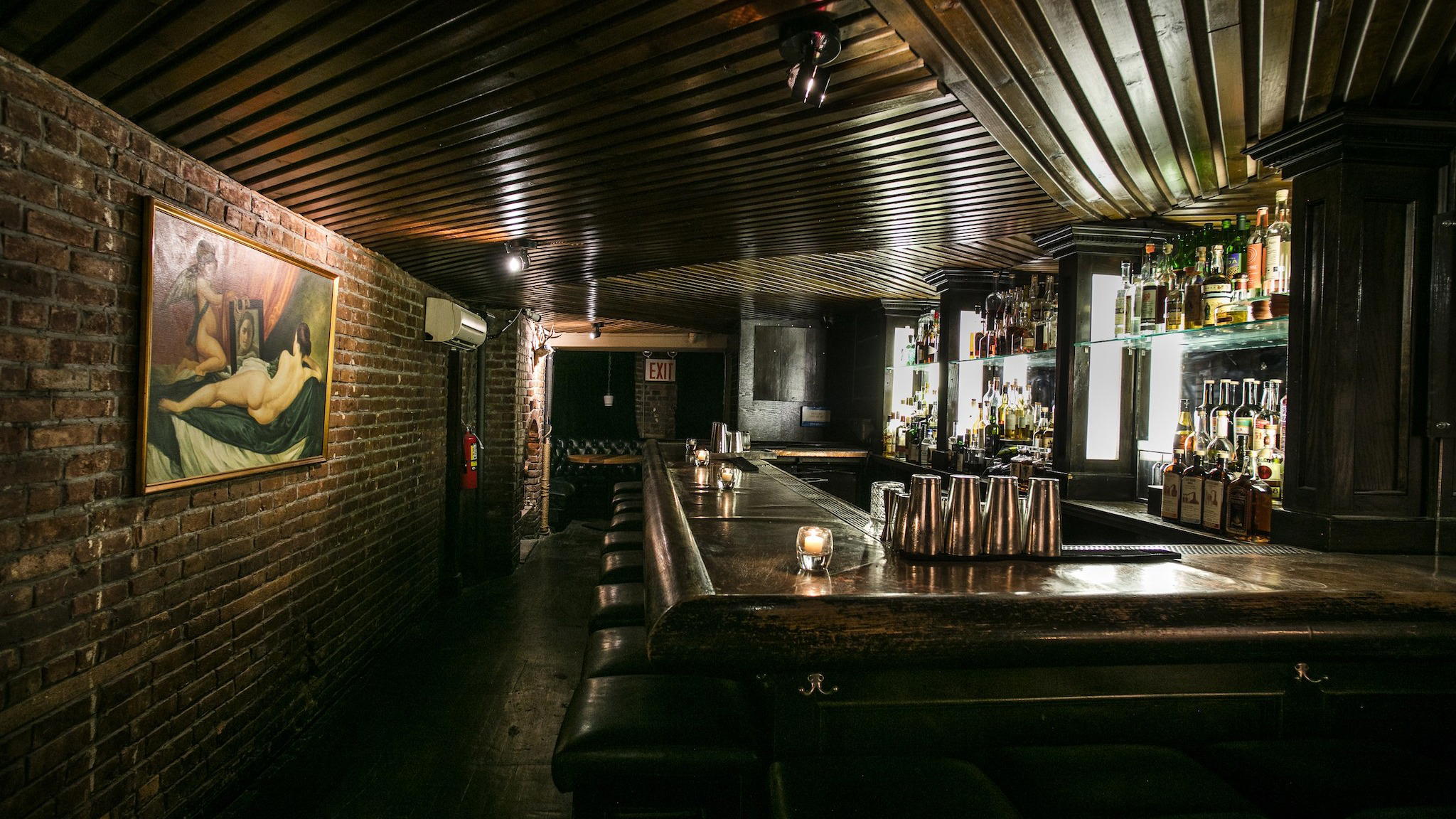
Cozy Italian countryside style with warm, welcoming atmosphere ideal for savoring risotto dishes.