
Tabelog 100 #9
Our verdict
Nishinakajima Koryumasu puts Osaka ramen in its weekday rhythm rather than its banquet register: compact, quick, and serious without ceremony. Its Tabelog Ramen OSAKA “Tabelog 100” selections from 2023 through 2025 place it among the city’s recognized ramen and tsukemen addresses, while the low-ticket format keeps the decision closer to a sharp lunch call than a formal dinner plan.

Pearl is the En Primeur Club membership app, where members save venues, book tables and use the concierge.
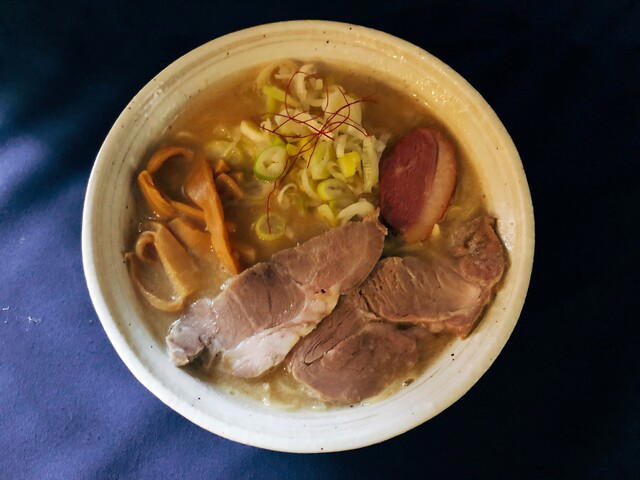
In Osaka, the ramen shop rhythm is closer to commuter practicality than theatre: solo diners moving quickly through a meal, small groups fitting bowls into a short service window, and regulars reading the room with the ease of habit. Nishinakajima Koryumasu belongs to that practical side of the city, where a bowl can carry serious local standing without asking the diner to dress for the occasion or surrender an evening to ceremony.
That tension is the point. Osaka’s premium dining conversation often runs toward counters, tasting menus, and destination bookings, but ramen recognition works differently. Its 2025 Tabelog Hyakumeiten recognition signals standing inside a field where turnover is high and small operational choices matter. Here, the format is ramen and tsukemen, not a multi-course statement, and the value equation is built around speed, repeatability, and a narrow category done with enough discipline to survive comparison across the city.
Lunch reads as transit dining; dinner gives the bowl more room
The lunch service has the sharper Osaka edge. This is not Osaka spectacle; it is a working rhythm of people eating between obligations, errands, and onward movement. In that setting, ramen becomes infrastructure. A short wait, a bowl, and departure: the appeal is not leisure, but efficiency with standards.
Dinner changes the mood without changing the category. Evening ramen in Osaka often absorbs a broader crowd: commuters after work, locals eating alone, small groups who want something more focused than a longer sit-down meal but less formal than a full restaurant booking. The compact ramen-shop scale matters because it keeps the meal anchored in a direct, casual register while allowing more than a special-occasion frame. That is a meaningful distinction in a city where many serious noodle meals are designed around quick, focused turnover.
The menu frame also sits inside a wider Osaka pattern. Osaka ramen has long lived in the shadow of stronger national shorthand around other Japanese noodle cities, but the city’s contemporary noodle scene is more varied than that old hierarchy suggests. Tsukemen, with noodles and dipping broth served separately, rewards concentration and pacing; ramen rewards immediacy. A shop that works across both categories is asking diners to choose between momentum and control, which is why the lunch-versus-dinner question is not only about timing. It changes how the meal feels.
Recognition here means consistency, not luxury theatre
The Tabelog Hyakumeiten designation is useful because ramen is a category where price alone tells little. In Osaka, a low-ticket ramen counter can be more compelling than a far more expensive casual restaurant if the broth, noodle handling, and flow are tight. Compare the decision with other accessible Osaka names such as Spice Curry Shunka To or Toki Ya, and the distinction becomes clearer: the city’s everyday dining culture is not a consolation tier. It is where a large share of Osaka’s food intelligence lives.
That also separates this kind of meal from Osaka’s broader casual dining map. Trattoria Cielo, Unagiya Unagi, and OSORACAFE belong to different occasion sets, while Nishinakajima Koryumasu is not competing with those meals on duration or ceremony. It competes on the more unforgiving metric of whether a diner would return for the same narrow promise, at lunch or after work, with little need for explanation.
For travelers, this is where Osaka can be misread. The city’s food reputation is often reduced to market snacks, okonomiyaki, takoyaki, and neon appetite. Those matter, but they do not explain the everyday precision of ramen rooms and other casual counters. A useful Osaka itinerary can place a noodle shop beside other casual dining rooms and quick stops without forcing them into the same mood. The thread is not cuisine type; it is how the city eats across price, speed, and purpose.
Who this suits in Osaka
This is a strong fit for diners who treat ramen as a serious category but do not need the rituals of fine dining around it. Solo diners make sense here, and the listed price level broadens the audience beyond special-occasion dining. The appeal is especially clear for travelers moving through Osaka who want a focused meal rather than a long reservation-led evening.
It is less suited to diners seeking a long, conversational dinner or a broad menu. Ramen and tsukemen shops work on compression: fewer decisions, tighter timing, and a room calibrated around turnover. The category-specific format reinforces the point. This is public, casual, and focused dining, which is often exactly why it works.
Within a broader Osaka plan, Nishinakajima Koryumasu is better treated as an anchor for a practical city day rather than as a formal destination meal. Pair it with rail movement, a hotel change, or a straightforward afternoon, then save slower meals for moments that reward lingering. For broader planning, use Our full Osaka restaurants guide, Our full Osaka hotels guide, Our full Osaka bars guide, Our full Osaka wineries guide, and Our full Osaka experiences guide as separate tools rather than one blended itinerary.
Readers comparing Japanese casual dining beyond Osaka can also look at other focused formats in Japan and abroad. The comparison is not about sameness; it is about how compact, specialized meals carry local character without requiring a formal dining frame.
Frequently asked questions
Is Nishinakajima Koryumasu child-friendly?
The available venue data does not provide a specific child-friendly policy. Nishinakajima Koryumasu is best understood as a casual Osaka ramen and tsukemen shop, so diners planning a family visit should confirm current conditions directly.
Is Nishinakajima Koryumasu formal or casual?
Casual. Nishinakajima Koryumasu is a ramen and tsukemen shop in Osaka, and the setting is more practical than formal.
What price level is Nishinakajima Koryumasu?
Pricing at Nishinakajima Koryumasu is listed as - JPY 999 - JPY 999.
What are the operating hours at Nishinakajima Koryumasu?
Specific operating hours are not provided in the available venue data. Check directly with Nishinakajima Koryumasu before visiting.
What part of town is Nishinakajima Koryumasu in?
Osaka.
Reputation First
Comparable venues for context, by category and price tier.
| Venue | Cuisine | Price | Awards | Notes |
|---|---|---|---|---|
| Nishinakajima KoryumasuThis venue (the venue you are viewing) | Japanese Ramen & Tsukemen | $1–10 | Tabelog 100 #9 | Not listed |
| Ramen Kasumi Nakazakichou ten | Modern Japanese Ramen & Mazesoba | $10–20 | Tabelog 100 #67 | Kita |
| Deiribashi Kintsuba Ya | Traditional Japanese Wagashi & Kintsuba Café | $10–20 | Tabelog 100 #3 | Kita |
| Tezukuri Udon Tenkomori | Japanese Udon Noodle Bar | $10–20 | Tabelog 100 #11 | Naniwa |
| Menya Tsumugu | Ramen shop | $10–20 | Tabelog 100 #75 | Ibaraki |
| Udon Biyori | Udon and Tempura | $10–20 | Tabelog 100 #65 | Higashi-Osaka |
Recognition history
Dated appearances from independent guides and award organizations, with the underlying list record or original source where available.
Tabelog 100 #9 · No. 9
Tabelog · Tabelog 100 - Ramen - OSAKA - 2025
Continue exploring
More in Osaka
Restaurants in Osaka
All restaurants in Osaka →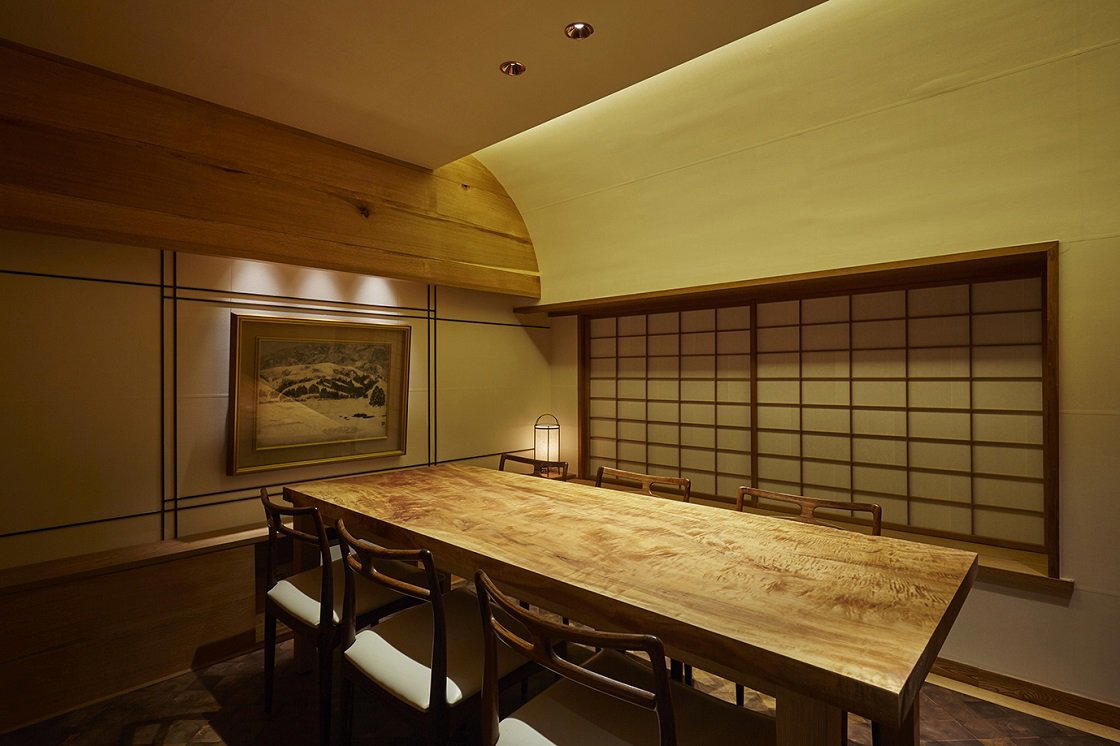


Bars in Osaka
All bars in Osaka →



Hotels in Osaka
All hotels in Osaka →




Wineries in Osaka
Browse all →
Details
- Cozy
- Classic
- Solo
- Casual Hangout
- After Work
- Standalone
- Beer Program
- A La Carte
- Counter Dining
- Beer
Current opening hours
- Monday
- 11:30 AM–2 PM, 6–9 PM
- Tuesday
- 11:30 AM–2 PM, 6–9 PM
- Wednesday
- 11:30 AM–2 PM, 6–9 PM
- Thursday
- 11:30 AM–2 PM, 6–9 PM
- Friday
- 11:30 AM–2 PM, 6–9 PM
- Saturday
- 11:30 AM–2 PM, 6–9 PM
- Sunday
- Closed
Hours can change for holidays and private events. Hours as of .
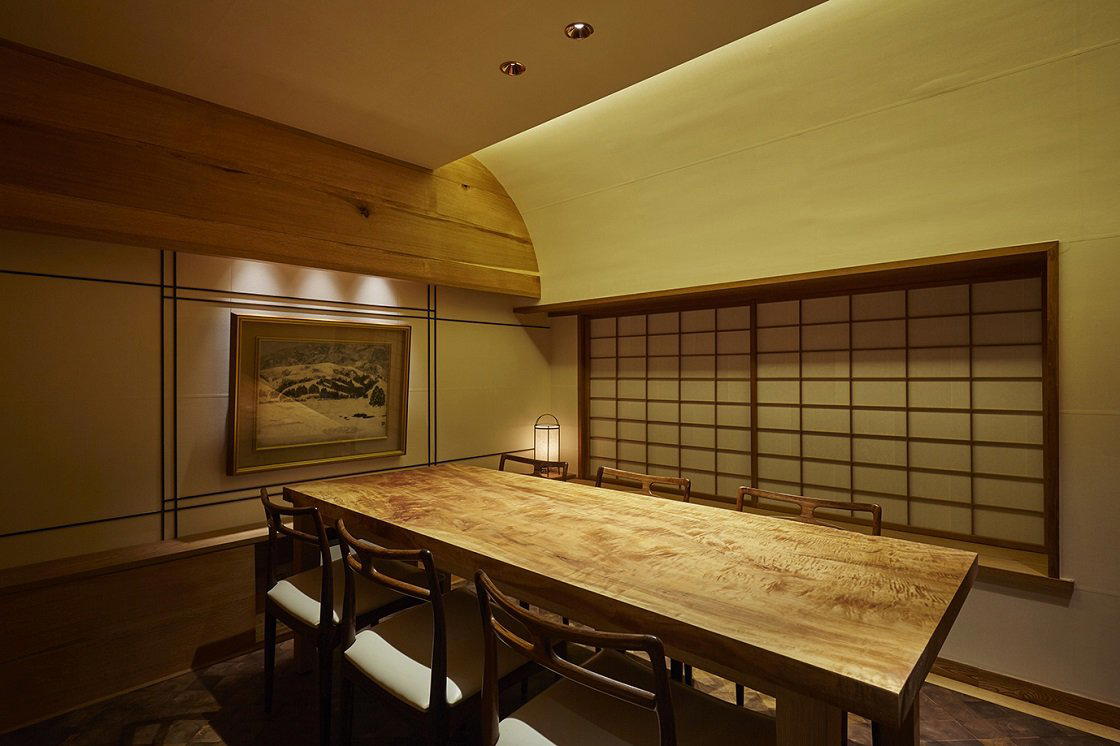
Simple, no-frills ramen-shop atmosphere focused on quick, casual noodle dining.