
Tabelog 100 #27
Our verdict
Tokyo’s international dining scene often treats Indian cooking as either curry-house comfort or hotel dining formality. Nirvana New York Tokyo occupies a different lane: an Indian, wine-bar and dining-bar format in Tokyo Midtown, with Tabelog 100 recognition for Asian and ethnic cuisine in 2024 and earlier Tabelog curry selections anchoring its credibility.

Pearl is the En Primeur Club membership app, where members save venues, book tables and use the concierge.
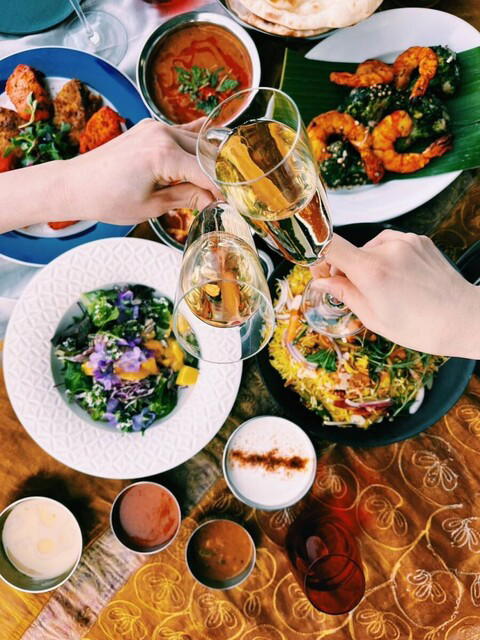
The menu
What to order
- Tandoori chicken
- Butter chicken curry
- Green (kale) curry
- Vegetable curry
- Dal curry
- Vegetable and mushroom biryani
Tokyo puts restaurants under pressure: glassy dining rooms, business traffic and evening plans demand polish without hotel-dining stiffness. Here, Indian cooking reads differently. Spice is not shorthand for comfort; it becomes part of Tokyo’s habit of translating global formats through local expectations around pacing, presentation, drink lists and room design.
Nirvana New York Tokyo sits between imported restaurant grammar and Tokyo precision. The New York reference matters less as nostalgia than as format: Indian cuisine for a metropolitan dining room, paired with a wine-bar and dining-bar identity, and positioned for lunch and dinner. In a city where many premium formats dominate attention, Indian restaurants with public category recognition occupy a smaller, more interesting bracket.
Indian cooking through a Tokyo lens
Tokyo’s Indian dining culture has layers: neighborhood curry counters built on speed and familiarity, South Asian kitchens serving communities across the city, and restaurants that treat spice, vegetables and bread as composed-dining material rather than quick sustenance. This restaurant belongs to the last group. Its listed categories are Indian, wine bar and dining bar, signaling a broader remit than a curry specialist.
The point is not that Indian food improves through a global dining-room format. It is that Tokyo rewards restaurants that make a cuisine legible across occasions. A broader dining-room frame matters because Indian cooking has depth that many international cities flatten into simple curry shorthand. Here, that context gives the kitchen a clearer place in Tokyo’s dining conversation, where international technique and ingredient discipline increasingly matter as much as genre.
The Tabelog record is its clearest public standing: Tabelog Hyakumeiten recognition in 2024. That places it within a recognized Tokyo dining field rather than only the city’s curry-room conversation. A Tabelog score of 3.52 is not the point by itself; the category recognition is the stronger signal.
Against other premium rooms, the distinction is useful. Héritage by Kei Kobayashi reflects another side of Tokyo’s upscale dining appetite, while The Lobby Lounge & Bar and The Ritz Carlton Cafe & Deli offer hotel-adjacent polish at different spend levels. Nirvana New York Tokyo is less formal and more flexible: a global Indian format that can carry a wine-bar sensibility without abandoning spice architecture.
Vegetables, wine and the shift away from curry-only shorthand
Indian restaurants in Tokyo are often judged by curry, naan and lunch value, a shorthand that misses how regional Indian cooking handles acidity, heat, fermentation, legumes, grains and vegetables. The stronger version of this genre does not turn every dish into fine-dining theatre. It lets spice function as structure, then builds the experience around timing, beverage pairing and room comfort.
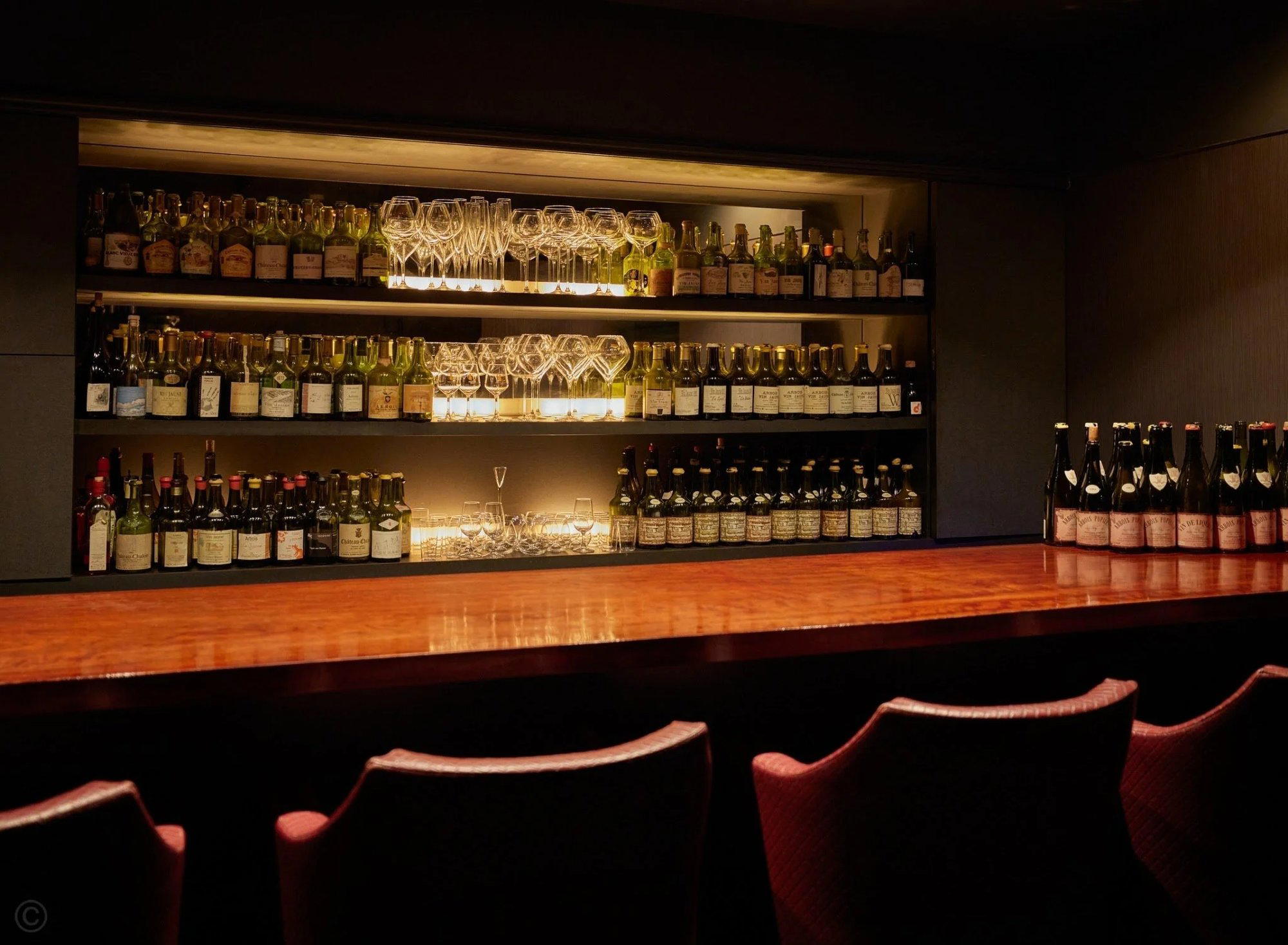
The wine-bar category changes expectations. It moves the restaurant beyond the beer-and-lassi template common to casual Indian dining. That does not make it formal; it makes it more useful. Tokyo diners increasingly want restaurants that can handle a business lunch or low-friction dinner without feeling generic. This is where the dining-bar label matters.
The New York name gives the concept a transpacific frame, but the more interesting part is its Tokyo expression. Tokyo has long absorbed international offices, luxury hospitality and late-night dining, so a polished Indian room here reads not as novelty but as part of the city’s cosmopolitan diet. The urban context strengthens that, putting Indian cooking into a field where international rooms, hotel lounge dining, cafés and Japanese restaurants compete for the same mixed-use audience.
For readers mapping Tokyo by category, this is not a substitute for specialist Japanese counters. It is a different choice: Indian cooking with a wine-bar and dining-bar profile, plus enough formal recognition to separate it from convenience dining. For a wider itinerary, cross-reference Our full Tokyo restaurants guide, then compare adjacent hospitality circuits through Our full Tokyo hotels guide, Our full Tokyo bars guide, Our full Tokyo wineries guide and Our full Tokyo experiences guide.
How it fits into a Tokyo eating plan
The strongest use case is not the trophy-dinner slot; Tokyo has too many counters and tasting menus for that. Read it as a polished international meal in a city where convenience, room quality and category recognition count. Lunch pricing sits below dinner, making it especially relevant for travelers moving through Tokyo rather than crossing town for a single-purpose reservation.
Its practical appeal also comes from flexibility. The Indian, wine-bar and dining-bar categories place it in a different operational imagination from the small counters that dominate Tokyo food coverage. That means less intimacy, more breadth, and a format suited to diners who want spice, wine and an international room rather than a narrowly defined tasting-menu experience.
Tokyo’s strength is range, and this restaurant sharpens one part of it. A traveler could build a day around curry and spice, pairing it conceptually with other Tokyo dining rooms for a wider look at how Japan interprets curry and South Asian flavors. Another itinerary might contrast it with unnamed grill, yakitori, café or casual formats across the city.
The wider editorial lesson is that global cooking in Japan is no longer a side category. It helps major cities define taste, service and adaptability. For broader national and international comparison, look beyond named checklists and consider how different cities turn imported, regional or casual forms into clear dining propositions. The useful comparison is not cuisine-to-cuisine, but how each place translates a format into a coherent experience.
Just the Basics
Comparable venues at a similar level for quick context.
| Venue | Cuisine | Price | Awards | Notes |
|---|---|---|---|---|
| Nirvana New York TokyoThis venue (the venue you are viewing) | Modern Indian Fine-Casual Dining | $30–50 | Tabelog 100 #27 | Not listed |
| Suju Dining Rokkaku | Modern Shinshu Miso Izakaya | $30–50 | Not listed | Not listed |
| The Lobby Lounge & Bar | Hotel lobby lounge for afternoon tea & cocktails | $50–100 | Tabelog 100 #96 | JPY 8,000 - JPY 9,999 JPY 6,000 - JPY 7,999 |
| Héritage by Kei Kobayashi | Modern French Fine Dining | $200–300 | 1 Michelin Star · La Liste Top Restaurants | French |
| Azure 45 | Modern French Fusion | Not listed | Not listed | Italian |
| The Ritz Carlton Cafe & Deli | Not listed | Not listed | Tabelog 100 #51 | JPY 3,000 - JPY 3,999 JPY 2,000 - JPY 2,999 |
Recognition history
Dated appearances from independent guides and award organizations, with the underlying list record or original source where available.
Tabelog 100 #27 · No. 27
Tabelog · Tabelog 100 - Asian cuisine / Ethnic cuisine - TOKYO - 2024
Continue exploring
More in Tokyo
Restaurants in Tokyo
All restaurants in Tokyo →


Bars in Tokyo
All bars in Tokyo →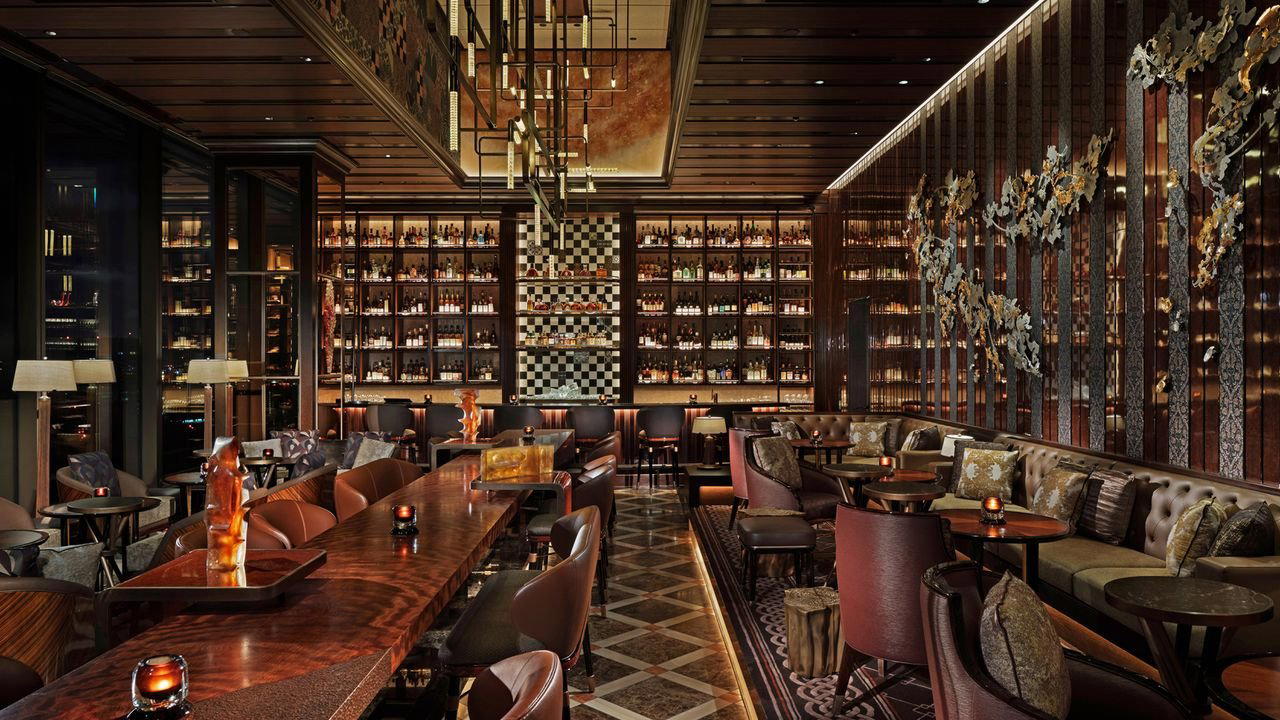







Details
- Modern
- Elegant
- Scenic
- Sophisticated
- Trendy
- Date Night
- Business Dinner
- Group Dining
- Celebration
- After Work
- Casual Hangout
- Terrace
- Garden
- Design Destination
- Standalone
- Extensive Wine List
- Craft Cocktails
- Local Sourcing
- Garden
- Skyline
- Buffet
- A La Carte
- Set Menu
- Wine
- Cocktails
- Sparkling Wine
- Vegetarian Friendly
- Vegan Options
Current opening hours
- Monday
- 11 AM–11 PM
- Tuesday
- 11 AM–11 PM
- Wednesday
- 11 AM–11 PM
- Thursday
- 11 AM–11 PM
- Friday
- 11 AM–11 PM
- Saturday
- 11 AM–11 PM
- Sunday
- 11 AM–11 PM
Hours can change for holidays and private events. Hours as of .
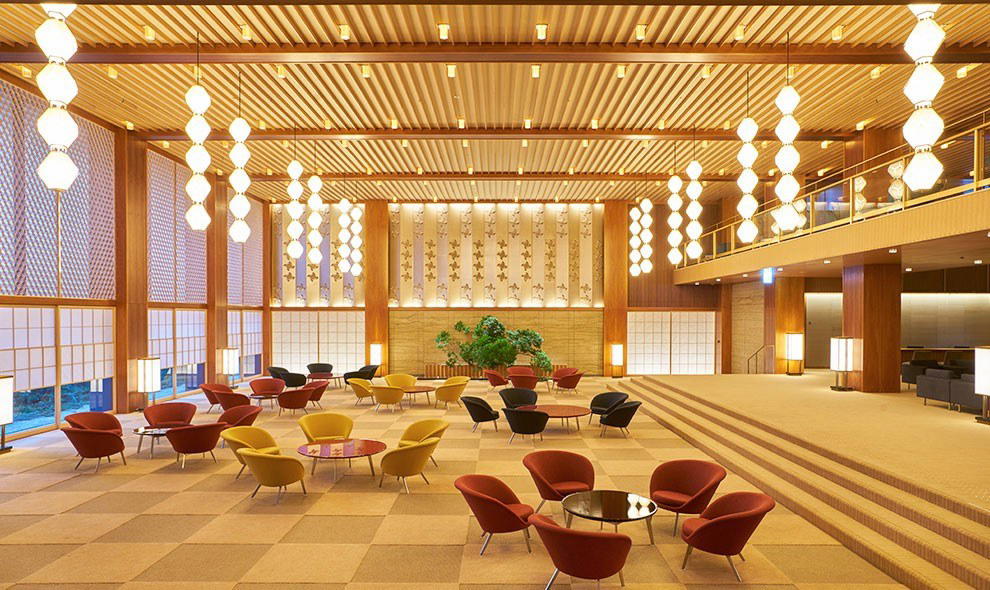
Luxurious yet relaxed fine-casual setting with a gold-accented, exotic interior and a spacious terrace; bright and airy by day with greenery views over the park, transitioning to a stylish, sophisticated atmosphere suited to dates, business dinners, and social gatherings in the evening.