Our verdict
NiNi occupies a specific and underserved position in Tokyo's dining scene: a Provençal-Japanese fusion counter where Josper grill technique meets seafood-forward precision. The combination places it outside the usual French-Japanese binaries that define much of the city's high-end dining, making it a reference point for anyone tracking how Mediterranean provenance reads when filtered through Japanese ingredient culture.

Pearl is the En Primeur Club membership app — saves, bookings, and concierge access live there. Same editors, same standards.
- Address
- 2 Chome-17-22 Akasaka, Minato City, Tokyo 107-0052, Japan
- Phone
- +81 3-6441-3022
- Hours
- Daily 7–11 AM, 12–11 PM
- Website
- 1hotels.com
- Directions
- Get directions
- Booking
- Book on TableCheck
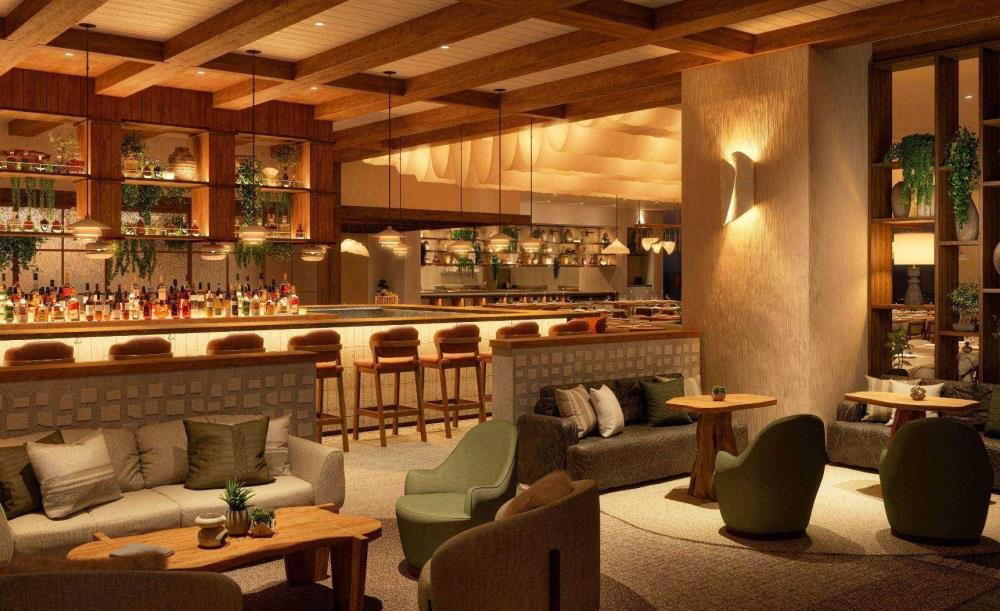
Where Mediterranean Provenance Meets Japanese Ingredient Discipline
Tokyo has long operated as a laboratory for European culinary traditions absorbed, refined, and returned as something distinctly Japanese. French technique arrived here decades ago and has since branched into multiple competitive tiers: the formal kaiseki-adjacent tasting menus of rooms like L'Effervescence, the innovation-led formats at Crony, and the more personal interpretations at Sézanne. NiNi positions itself differently within that spectrum. Rather than drawing from the broader canon of classical French cuisine, its reference point is specifically Provençal: the herb-driven, seafood-heavy, fire-oriented cooking of France's southern coast. That narrower geographic anchor gives the kitchen a more defined set of ingredients and instincts to work with, and it changes what the Japan connection means in practice.
Provençal cooking has always been about provenance in the most literal sense: where the fish came from, whether the olive oil is from a specific grove, how the heat of the grill relates to the texture of the catch. Translating that sensibility into a Tokyo context forces a negotiation between two strong ingredient cultures. Japan's fishing supply chains are among the most traceable in the world, with auction-to-plate transparency that most Mediterranean markets cannot match. That infrastructure, combined with a Provençal commitment to fire and simplicity, is what gives NiNi its clearest editorial identity.
The Josper and What It Signals
The use of a Josper grill is not incidental. Across Tokyo's European-influenced kitchens, the choice of primary cooking equipment functions as a statement of culinary philosophy. Counters rooted in Japanese tradition tend toward bincho charcoal and low-intervention heat. Rooms aligned with classical French or Italian technique often rely on induction and steam. The Josper, a sealed charcoal oven-grill hybrid developed in Catalonia, sits at the intersection of live-fire intensity and precision temperature control. Its adoption in Tokyo's fine dining scene has tracked broadly with a shift toward more textural, char-accented cooking, particularly for fish and shellfish.
For a kitchen working Provençal material, the Josper is a logical fit. The cooking of Marseille and the Var has always prioritised the Maillard reaction over elaboration, the char over the sauce. In a Tokyo context, where the raw material arriving from Tsukiji or regional fishing ports often needs minimal intervention to express quality, pairing that ingredient discipline with live-fire technique produces a coherent logic. The result is a style that reads as Provençal in orientation but Japanese in its sourcing rigour. For those tracking how specific regional French identities translate into Tokyo's dining scene, NiNi offers a more concentrated test case than the broader French-Japanese hybrid category.
Comparable reference points in other Japanese cities reinforce how rare this specific combination is. HAJIME in Osaka works with French technique but at a level of abstraction that removes most regional specificity. akordu in Nara draws from Basque Country rather than Provence. The Provençal-Japanese overlap NiNi occupies is a narrower lane than either, and that specificity is both its strength and the reason it sits outside the immediate peer conversation of Tokyo's more decorated French kitchens.
Seafood as the Editorial Through-Line
Seafood-forward programming at this level in Tokyo operates in a well-stocked competitive environment. Harutaka sets a benchmark at the sushi counter for what traceable, seasonally responsive seafood looks like at full expression. RyuGin incorporates Japan's coastal harvest into kaiseki sequencing with forensic precision. What distinguishes the Provençal frame is that seafood is not just the primary ingredient but the cultural anchor. Bouillabaisse, bourride, grilled rouget on a bone: these are dishes where the identity of the fish is inseparable from the identity of the region. Applying that logic to Japan's fishing culture, where seasonal species are tracked with a specificity that has no real equivalent in Europe, produces a menu structure that is less about translation and more about parallel provenance.
The connections extend beyond Japan. The seafood-forward, fire-accented approach NiNi works within has international reference points: Le Bernardin in New York City remains the canonical example of fish cookery at the highest tier of Western fine dining, while Atomix in New York City demonstrates how a non-European culinary tradition can hold rigorous technical standards inside an omakase-adjacent format. NiNi's position in that broader conversation is as a room that takes European regional specificity seriously rather than softening it into a generic fusion register.
Placing NiNi in Tokyo's Wider Dining Map
Tokyo's dining scene rewards specificity. The city has enough volume at the top tier that generalist kitchens face constant pressure from rooms with clearer identities. The French-Japanese category, taken broadly, is crowded; the Provençal-Japanese category, taken precisely, has very few occupants. That positioning works in NiNi's favour with the kind of reader who has already moved through the expected reference points on our full Tokyo restaurants guide and is now looking for a kitchen defined by a more specific culinary argument.
For visitors planning a broader Tokyo trip, the city's other resources add useful context. Our full Tokyo hotels guide, our full Tokyo bars guide, and our full Tokyo experiences guide map the city's hospitality range beyond the restaurant tier. Those extending their trip to the broader Kansai region will find additional reference points at Gion Sasaki in Kyoto and Goh in Fukuoka. Further afield, 6 in Okinawa and 1000 in Yokohama extend the picture of how Japan's regional dining scenes relate to the Tokyo centre. A note on Tokyo's wine scene is also relevant here: Provençal-influenced kitchens tend to demand a wine list that can work with grilled fish and herb-heavy preparations, which often pushes toward Southern French, Corsican, or lighter Italian bottles rather than the Burgundy-heavy lists that dominate much of Tokyo's top tier.
Planning a Visit
Given the absence of confirmed booking channels in the public record, direct contact or reservation through a concierge service is the practical approach. NiNi's positioning as a specialist kitchen rather than a high-volume operation suggests capacity is limited, which aligns with the lead time typically required for Tokyo's top-tier counters. Visiting outside peak tourist seasons, broadly spring cherry blossom and autumn foliage periods, tends to give more flexibility on preferred timing. For those using NiNi as part of a broader Japan itinerary, its Tokyo location makes it a natural anchor for a multi-city trip that includes the Kansai dining circuit.
Frequently asked questions
Is NiNi okay with children?
The answer depends more on the child's experience with specialist tasting formats than on any formal policy. NiNi's Provençal-Japanese fusion programme, built around Josper grill techniques and seafood-forward courses, is paced for engaged adult diners. Young children unfamiliar with multi-course menus will likely find the format a poor fit. Older, experienced young diners are a different case.
Is NiNi better for a quiet night or a lively one?
The kitchen's identity — Provençal technique, Josper grill, seafood focus — points toward a room where the cooking is the centrepiece rather than the noise level. That combination tends to produce attentive, considered service rhythms rather than a high-energy floor. Expect an atmosphere suited to conversation and focus, not a late-night social setting.
How does NiNi's use of the Josper grill distinguish it from other French-Japanese restaurants in Tokyo?
Most French-Japanese kitchens in Tokyo rely on classical brigade technique and conventional oven or stove work; the Josper grill is a relatively uncommon primary instrument in that category. It imposes a specific flavour signature — intense direct heat, charcoal aromatics — that sits outside the standard French-Japanese register and anchors NiNi's cooking closer to southern French, Provençal tradition than to Parisian classicism. In Tokyo's crowded European-influenced dining tier, that equipment choice functions as a statement of culinary identity.
What should I eat at NiNi?
The kitchen's programme is built around Provençal technique applied to Japanese seafood, with the Josper grill as the primary cooking instrument. Dishes that channel the grill's high-heat, charcoal character alongside the Mediterranean-inflected saucing are where NiNi's identity is most clearly expressed. Seafood courses are the editorial through-line, so prioritise those over any peripheral options if the menu offers flexibility.
Fast Comparison
Comparable venues nearby, for context on price, style, and recognition.
| Venue | Cuisine | Price | Awards | Notes |
|---|---|---|---|---|
| NiNiThis venue — the venue you are viewing | Mediterranean-Japanese Fusion | $100–150 | Not listed | Not listed |
| 赤坂 桃の木 | Modern Cantonese Chinese | $150–200 | Tabelog 100 #95 | Chiyoda |
| Oka Han | Traditional Sukiyaki & Shabu-Shabu in Hotel New Otani | $150–200 | Tabelog 100 #62 | Chiyoda |
| ラトリエ ドゥ ジョエル・ロブション | Modern French Fine Dining | $150–200 | 1 Michelin Star · La Liste Top Restaurants | Minato |
| Japanese Restaurant "Ginza Tsuru" Tokyo / Wagyu Shabu-shabu & Sukiyaki | Japanese Wagyu Shabu-Shabu & Sukiyaki | $150–200 | Not listed | Chūō |
| Argento | Italian Contemporary | Not listed | Not listed | Chūō |










NiNi
The wine
- Wine program
- Curated wine list
- Extensive wine list
- Craft cocktails
Details
- Elegant
- Modern
- Sophisticated
- Intimate
- Date Night
- Special Occasion
- Business Dinner
- Hotel Restaurant
- Panoramic View
- Rooftop
- Extensive Wine List
- Craft Cocktails
- Local Sourcing
- Skyline
- A La Carte
- Small Plates
- Wine
- Cocktails
- Vegetarian Friendly
Current opening hours
- Monday
- 7–11 AM, 12–11 PM
- Tuesday
- 7–11 AM, 12–11 PM
- Wednesday
- 7–11 AM, 12–11 PM
- Thursday
- 7–11 AM, 12–11 PM
- Friday
- 7–11 AM, 12–11 PM
- Saturday
- 7–11 AM, 12–11 PM
- Sunday
- 7–11 AM, 12–11 PM
Hours can change for holidays and private events. Last verified .
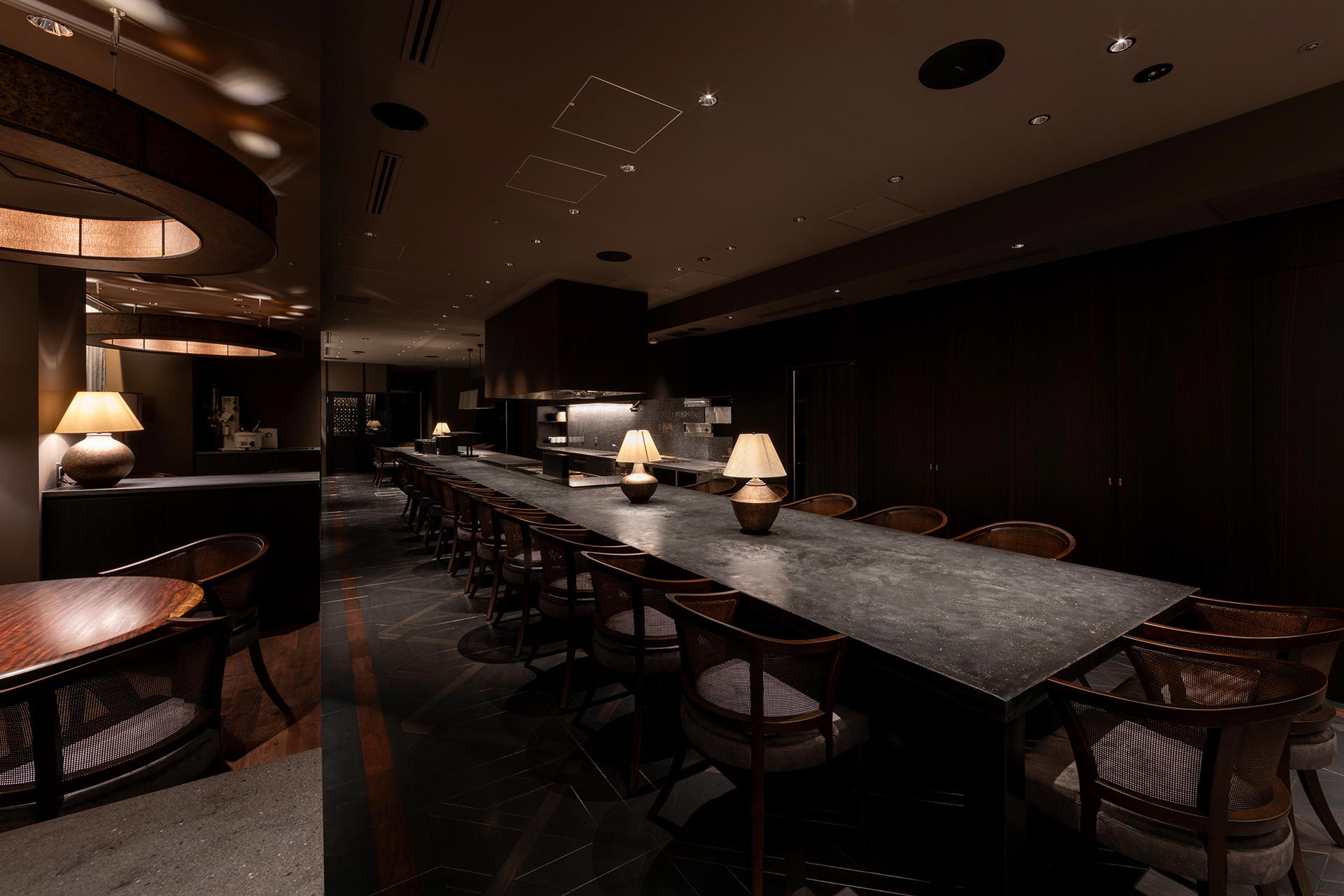
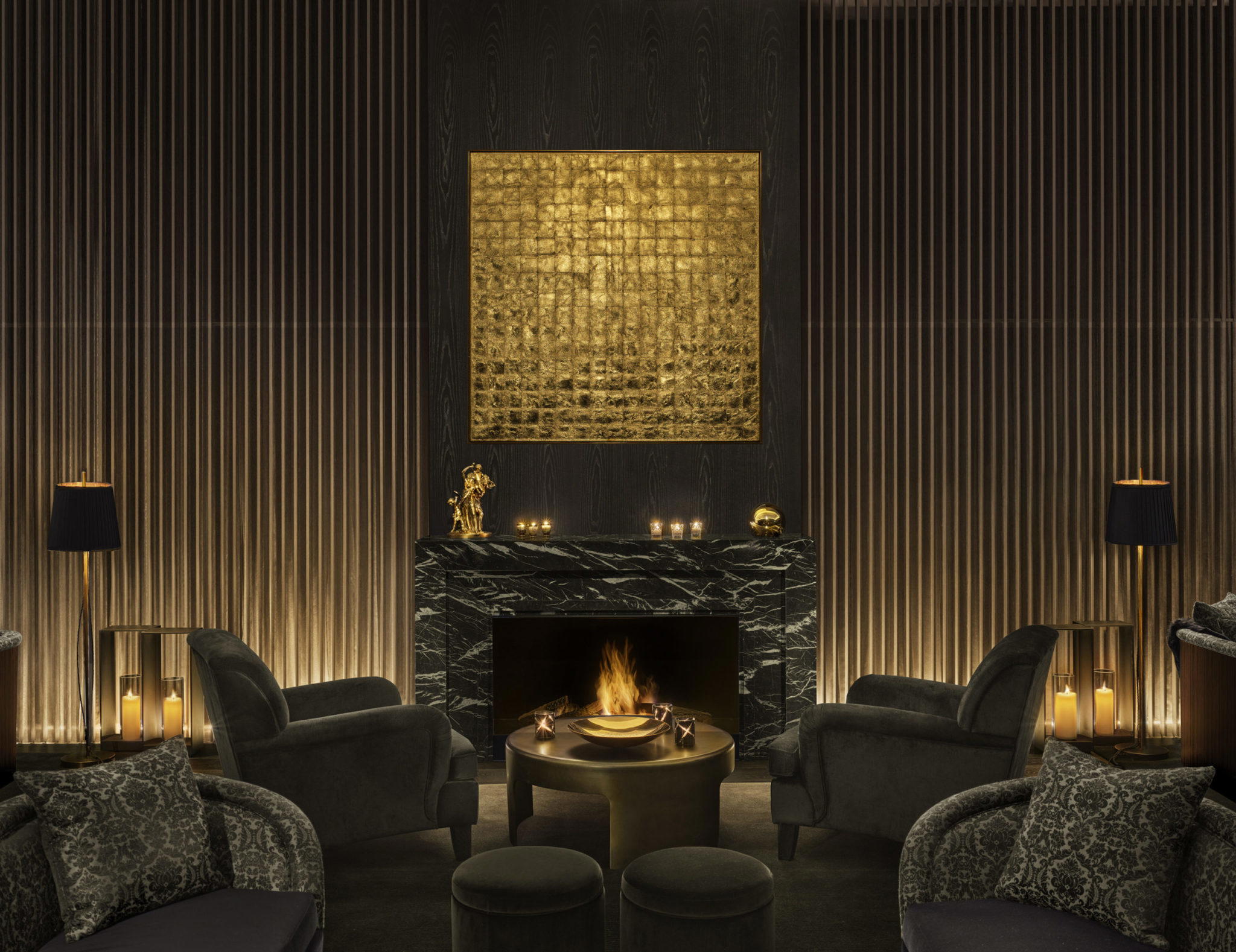
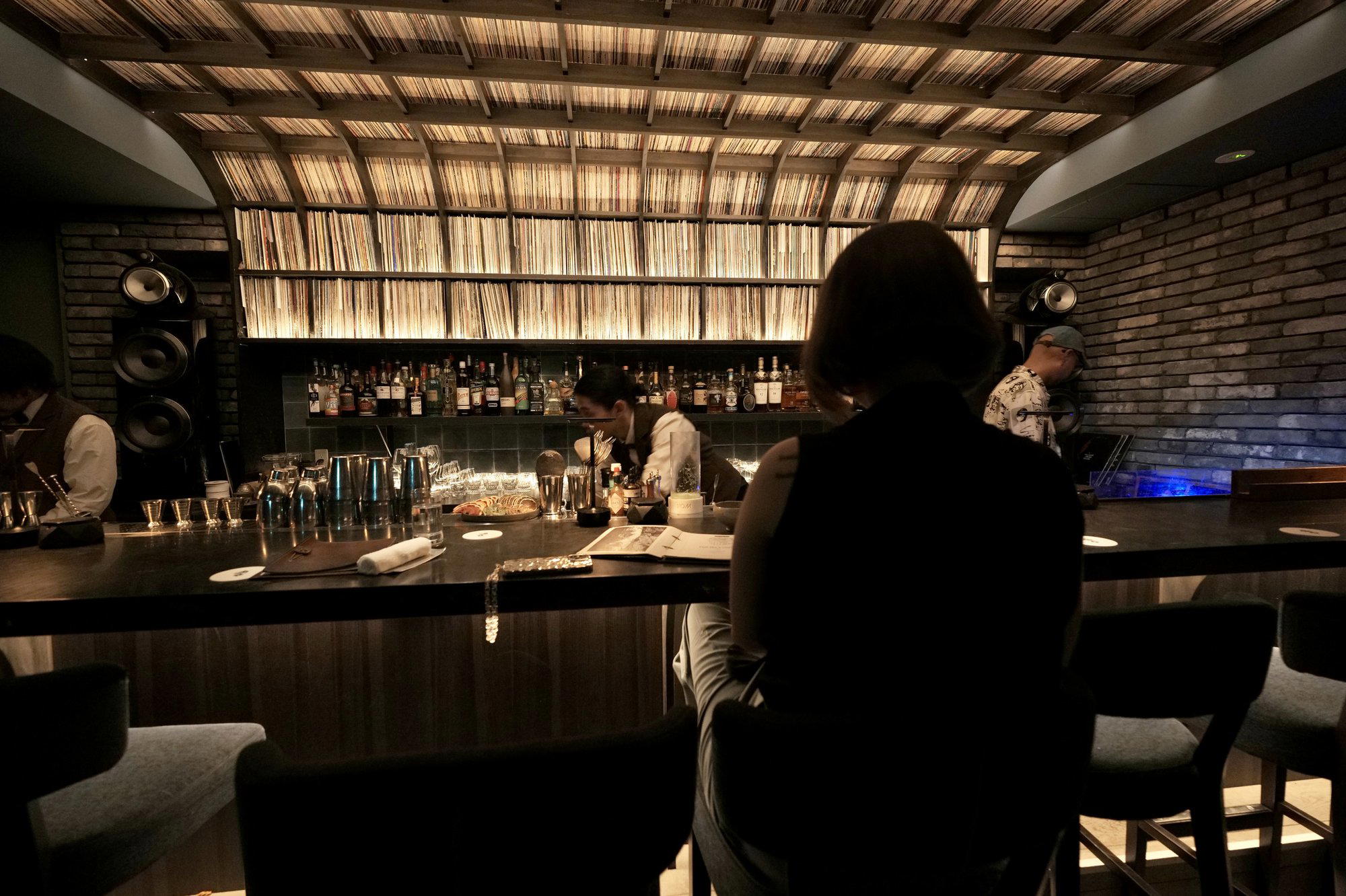
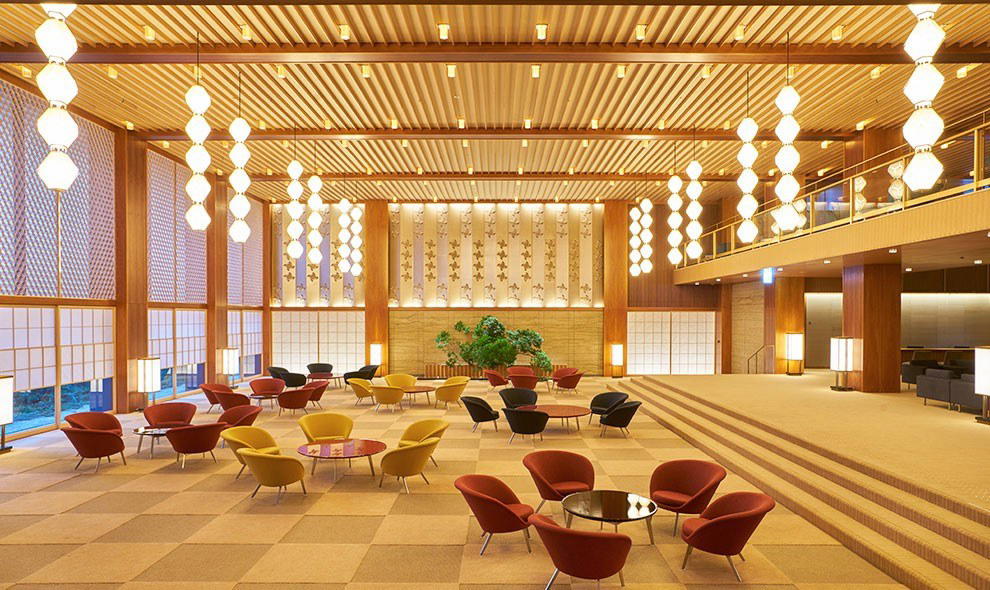
Bright and luminous during daytime service, transitioning to a more refined and social evening atmosphere; designed to move with the rhythm of the day with natural light and modern minimalist design.